
Exhibitions
Isabel Coixet cuts up the world to rebuild it
The discipline of chaos. Collage reveals a lesser-known facet of the filmmaker through more than sixty works that transform memories, images, and fragments of reality into a unique creative universe.
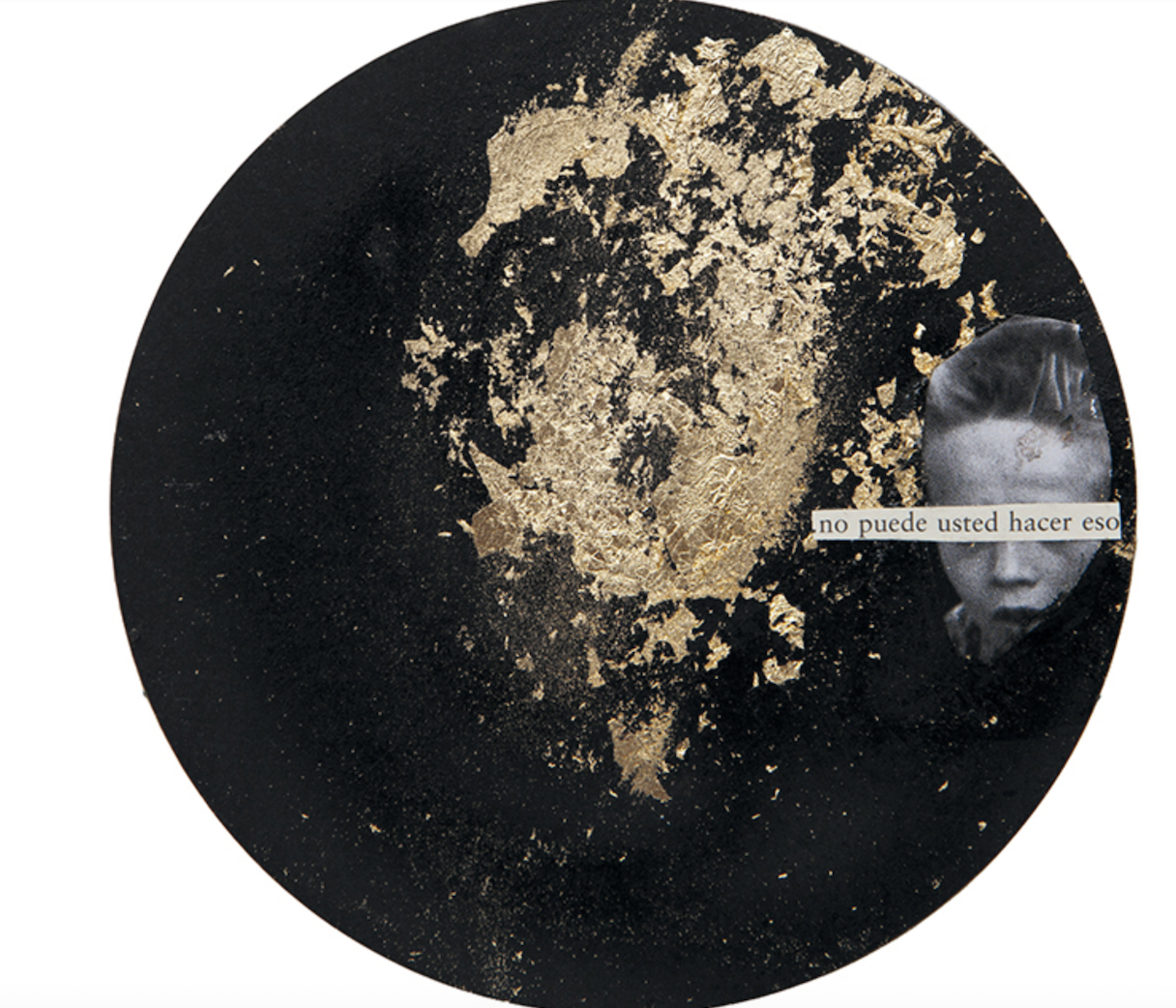
Reconstructing the world from its fragments is a way of looking at it anew. Isabel Coixet, internationally renowned for her film career, finds in collage a space of freedom parallel to cinema, a territory where images cease to adhere to a script and instead establish unexpected relationships. The exhibition Isabel Coixet. The Discipline of Chaos. Collage , on view at the San Telmo Museum in San Sebastián until November 2nd, delves into this lesser-known artistic practice of the director.
The exhibition brings together more than sixty works created over the past few years in three cities that have been significant in Coixet's life: New York, Rome, and Montolieu. Through compositions crafted by hand or using digital techniques, the filmmaker explores the expressive possibilities of juxtaposition, cropping, and recomposition. Photographs, cutouts, texts, and found objects become materials for a visual language that dispenses with cinematic narrative conventions, opening itself to free and suggestive associations.
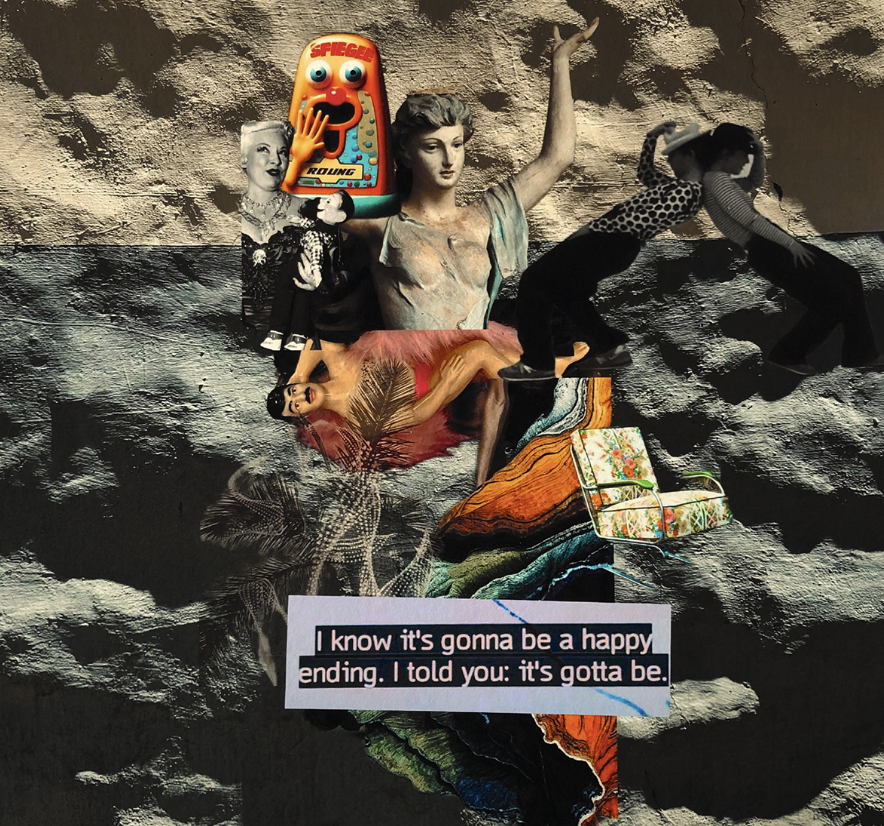
These collages bring together personal references, memories, fragments of other lives, and images from diverse contexts. Their power lies precisely in this coexistence of heterogeneous elements, which acquire new meanings when displaced from their original environment. The result is a fragmented visual universe, constructed from the tensions between the intimate and the foreign, between memory and invention, between chance and the will to give form to chaos.
For Coixet, cutting is not simply a plastic act, but a way of intervening in reality. In the text accompanying the exhibition's announcement, the filmmaker describes this gesture as an alternative to those moments when the camera, the script, or words cease to function as creative tools. Faced with this creative block, scissors and pre-existing materials offer the possibility of starting anew. Cutting becomes, in her words, a "very controlled act of violence," a way of separating fragments of the world in order to reassemble them in an order that did not previously exist.
This reflection allows us to understand collage as a practice that connects with a constant in her work: the desire to deconstruct established forms in order to explore other ways of constructing meaning. If film articulates images, sounds, words, and silences within a narrative structure, collage liberates its elements and places them in a space where the connections are not always obvious or definitive. The viewer's gaze thus becomes an essential part of the process, responsible for establishing relationships and completing the associations suggested by the compositions.
Far from presenting these pieces as a secondary exercise in relation to her film career, the exhibition champions them as an autonomous expression of her imagination. Coixet acknowledges the doubts that accompany her creative process and the difficulty of knowing when a work has reached its desired point. Some pieces emerge spontaneously; others can remain unfinished for weeks. This uncertainty is part of a process in which intuition, persistence, and the possibility of revision constantly coexist.
The filmmaker also identifies a particular honesty in these works, linked to the fact that they don't need to justify themselves through a story or respond to audience expectations. They are the result of a gesture that allows one to stop thinking and begin cutting, remaking, rearranging, and reinterpreting. In this sequence of actions, collage becomes a form of visual thinking that accepts imperfection and finds in fragmentation a possibility for discovery.


You may be
interested
...