
Exhibitions
Roy Lichtenstein facing the future
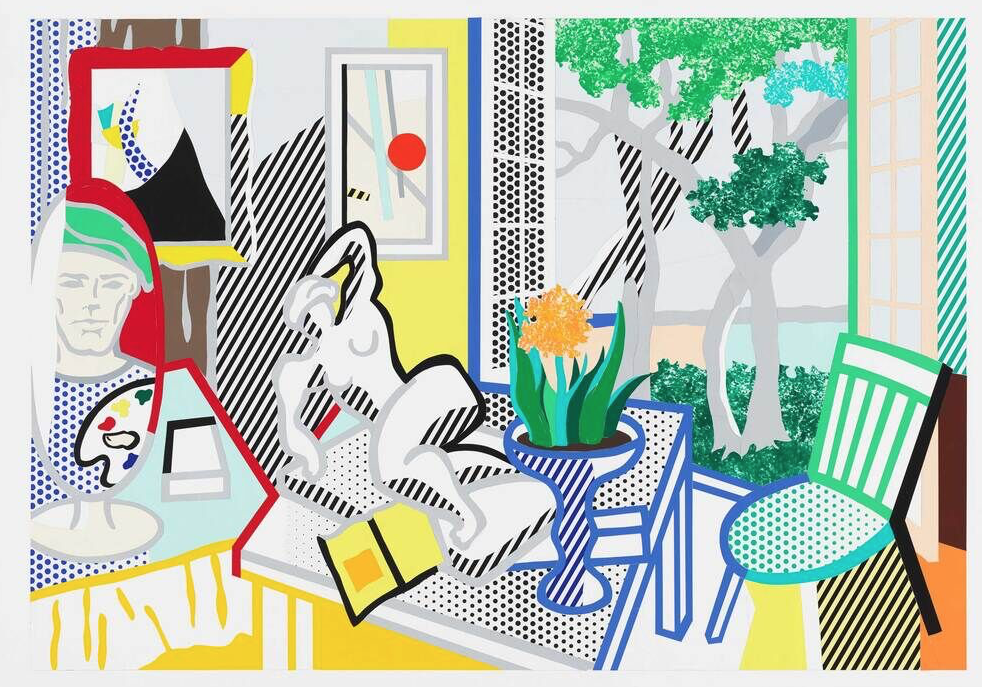
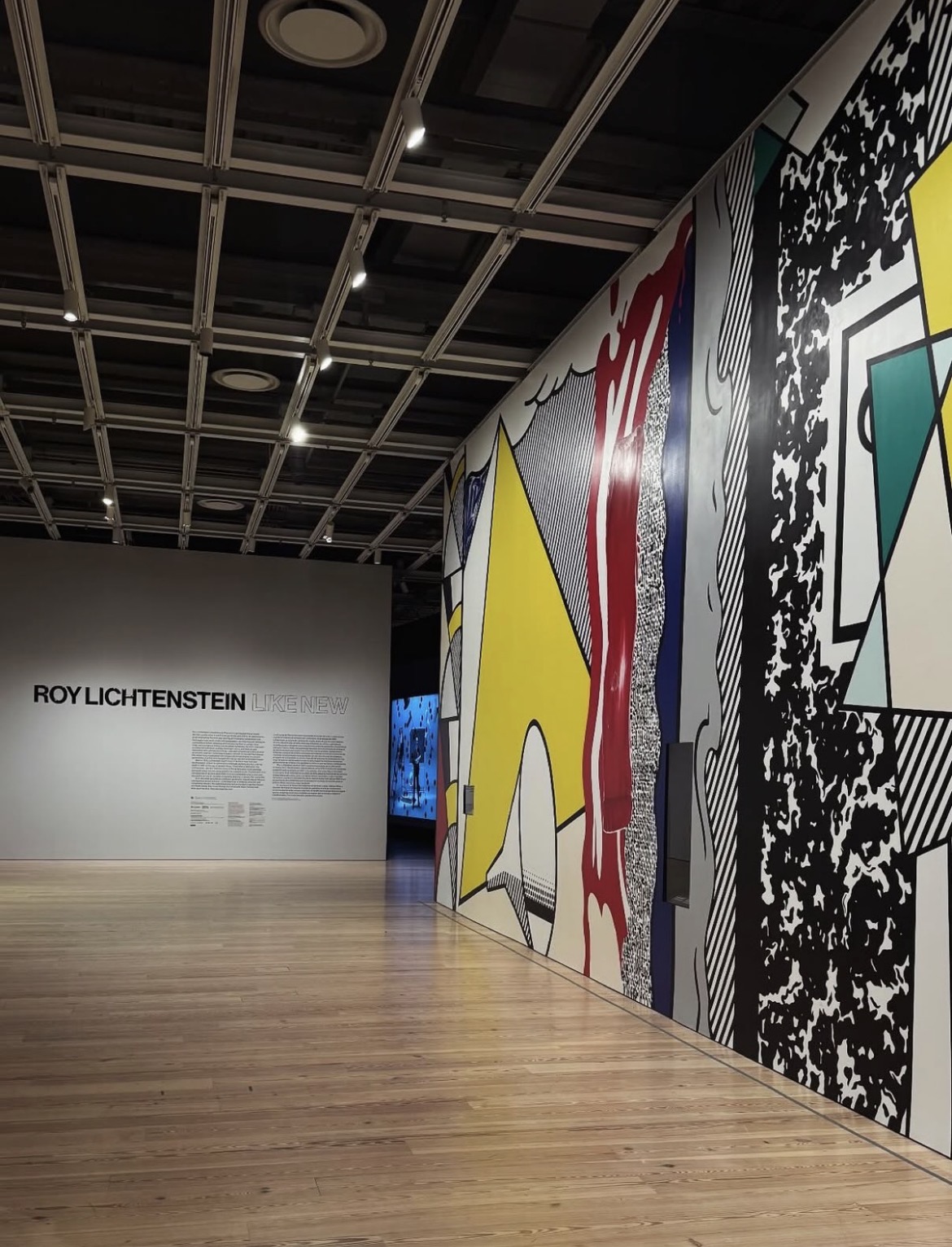
At 73, Roy Lichtenstein was still exploring new ways of constructing images. In 1997, the year of his death, the artist was working on paintings, prints, sculptures, and murals, expanding the boundaries of a visual language that had been instrumental in defining Pop Art. The Whitney Museum of American Art now revisits this period of intense creative activity in Roy Lichtenstein's work: 1997 , an exhibition on view until June 1, 2027.
The exhibition, located on the museum's third floor, brings together studies, prints, models, and other materials, largely from Whitney's own collection. Rather than offering a retrospective view of his career, the exhibition focuses on a single year to observe how Lichtenstein approached a new phase in his production and how, far from settling for the formulas that had brought him international acclaim, he continued to explore new possibilities.
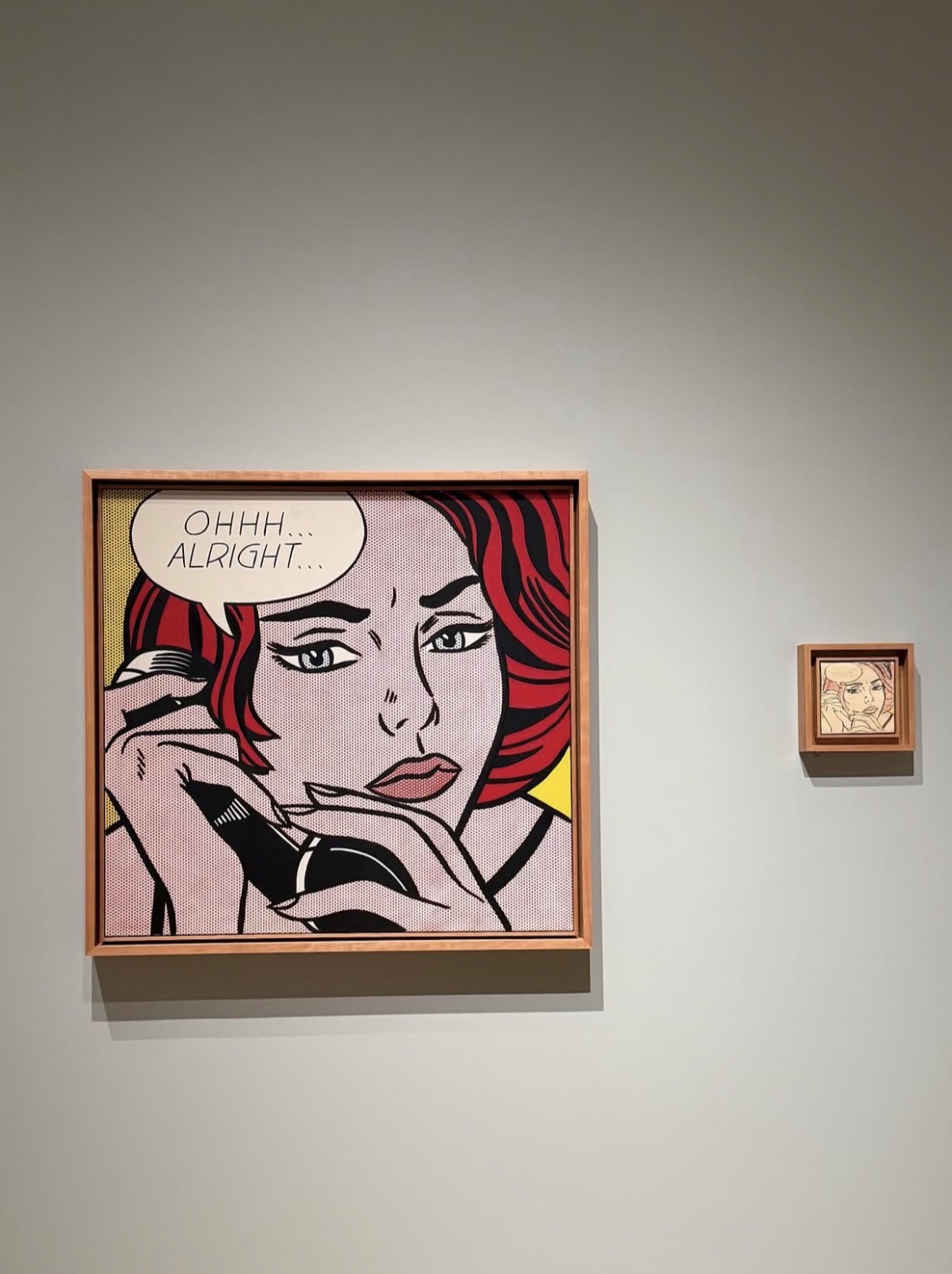
Lichtenstein had achieved a central position in the history of contemporary art through his images inspired by comics, advertising, and American consumer culture. His primary colors, Ben-Day dots, and bold black outlines became recognizable signs of a new relationship between art and popular imagery. But in his later works, that vocabulary began to shift.
In 1997, he radically expanded his palette with mint greens, turquoises, corals, and cyans, while experimenting with contours of different colors and flatter compositions. In some works, even one of the elements most associated with his production—the black line that delimited the figures—disappears. The result opens his work toward an aesthetic that, in retrospect, can be related to the transformation of visual culture brought about by new digital technologies.
This interest in the possibilities of the image did not, however, imply abandoning his previous strategies. Lichtenstein continued to reuse motifs from his own career, such as pyramids and brushstrokes, and to establish dialogues with references from art history. Leonardo da Vinci and Henri Matisse appear among the visual sources that the artist cited and reinterpreted, extending a practice of appropriation that had permeated much of his career.
The experimental nature of that final year is also reflected in the diversity of projects he was working on. In addition to his studio painting, Lichtenstein was developing two mural commissions, several large-scale sculptures, and a new series of prints. His death unexpectedly interrupted this process. He fell ill in August 1997 and died in September from complications of pneumonia, leaving several works unfinished.
Some of these projects were later manufactured or completed posthumously; others remained only as sketches and studies. The Whitney exhibition allows us to approach precisely this intermediate territory between the finished work and the open possibility, showing how Lichtenstein's thinking also unfolded through preparatory drawings, models, and tests.
The interest of Roy Lichtenstein: 1997 thus lies in shifting the focus to one of the great names of Pop Art. Contrary to the image of an artist associated with a perfectly recognizable visual repertoire, the exhibition recovers a still restless creator, capable of revising his own codes and incorporating new formal solutions when he was in the final stage of his life.
His final year also coincided with a profound transformation of visual culture. The internet was beginning to spread, and images were entering a new phase marked by digital technology. Lichtenstein did not fully develop this new scenario, but his experiments with flatter surfaces, new colors, and the disappearance of black outlines seem to stand, in a particularly suggestive way, before this paradigm shift.



You may be
interested
...