Exhibitions
Teddy Sandoval and the invention of a queer school
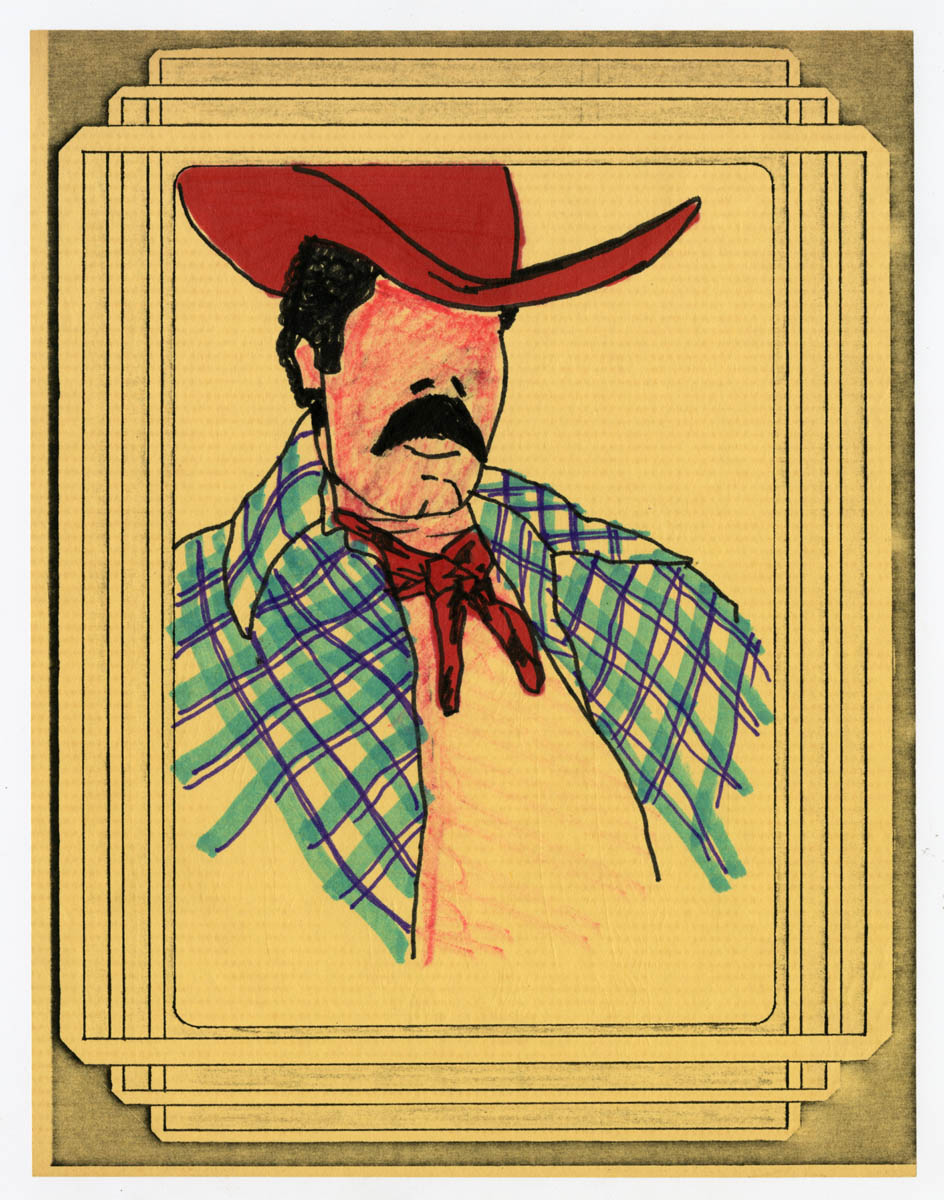
El Museo del Barrio revisits the career of Teddy Sandoval (1949–1995), a singular figure in the queer and Chicano art scenes of Los Angeles whose innovative and profoundly political work remained for decades in the background of contemporary art history. The exhibition Teddy Sandoval and the Butch Gardens School of Art , on view from September 10, 2026, to January 10, 2027, reaffirms the enduring relevance of a practice shaped by gender, sexuality, identity, and a sense of belonging.
Sandoval developed a practice permeated by gender, sexuality, identity, and a sense of belonging. She did so from a position that never abandoned humor, playfulness, or experimentation, but also never lost sight of the political dimension of images born in a context of profound social and cultural transformations. Between the 1970s and 1990s, her work engaged with the struggles and communities that were redefining ways of understanding the body, desire, identity, and the relationship between art and society in both the United States and Latin America.
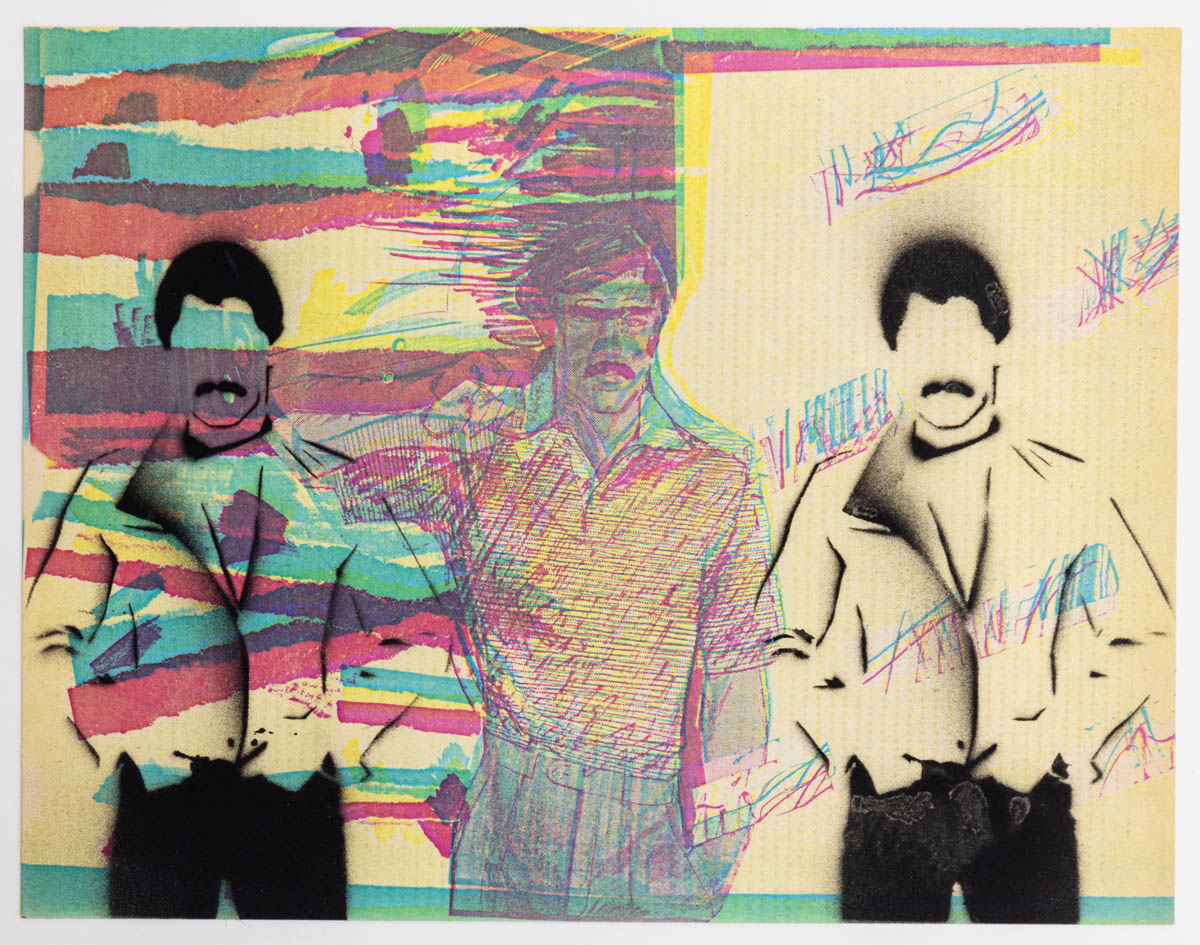
Curated by C. Ondine Chavoya and David Evans Frantz, the exhibition takes its title from Butch Gardens , a gay bar in Los Angeles that Sandoval frequented with other members of the Chicano community in the early 1970s. From this specific location, the artist imagined the Butch Gardens School of Art , a school that never existed as a conventional institution but functioned as a powerful artistic and conceptual fiction. Under this name, Sandoval championed collaboration, experimentation, and community building as alternative forms of artistic production, while simultaneously challenging hierarchies, academic models, and the legitimizing structures of the art world.
The exhibition, therefore, does not present a strictly chronological retrospective. Its aim is to situate Sandoval's work within a network of queer, Chicana, Latinx, and Latin American relationships, affinities, and genealogies. Her works engage in dialogue with those of artists from different generations and backgrounds, revealing connections that transcend geographical boundaries and traditional historical categories.
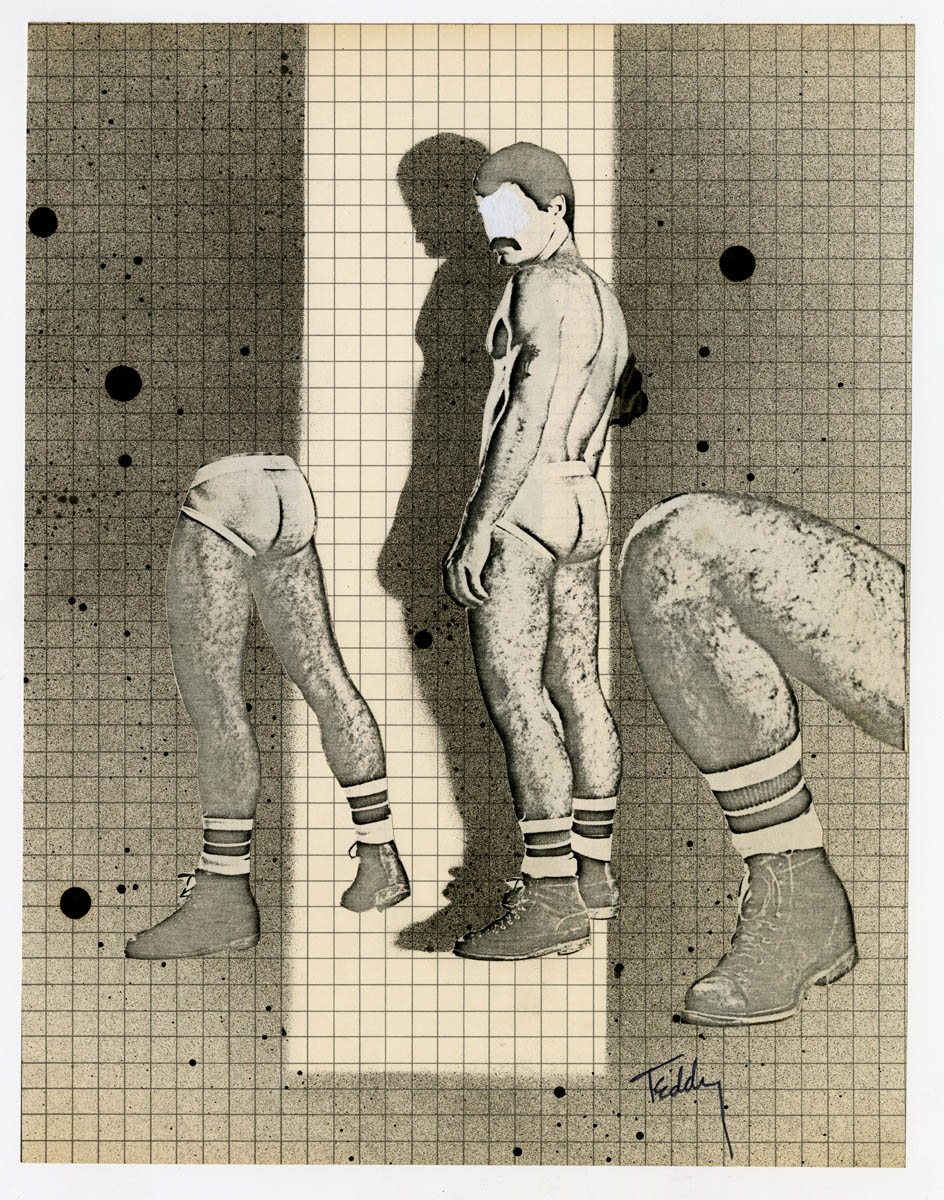
Photography, painting, drawing, collage, conceptual art, and performance art articulate a journey in which identity appears less as a stable category than as a territory of negotiation, desire, and resistance. The exhibition thus recovers an artistic production in which the personal and the political constantly intersect: the body as a space of affirmation, sexuality as a field of dispute, humor as a critical strategy, and community as a form of creation.
Alongside Sandoval's works, the exhibition brings together pieces by Yolanda Andrade, Félix Ángel, Myrna Báez, Ester Hernández, Hudinilson Jr., Marisol, Marta Minujín, Joey Terrill, Martin Wong, Felipe Baeza, and Ana Segovia, among others. The result is a multigenerational constellation that broadens our perspective on queer and diasporic artistic practices developed on both sides of the American continent.

You may be
interested
...