Exhibitions
Andrés García Ibáñez before the mirror of Spanish realism
The Bancaja Foundation presents in Valencia the first monographic exhibition dedicated to the Almeria artist, with 84 works that cover more than three decades of his career and dialogue with eleven pieces by Goya, Sorolla, Antonio López, Zuloaga and Valdés Leal.
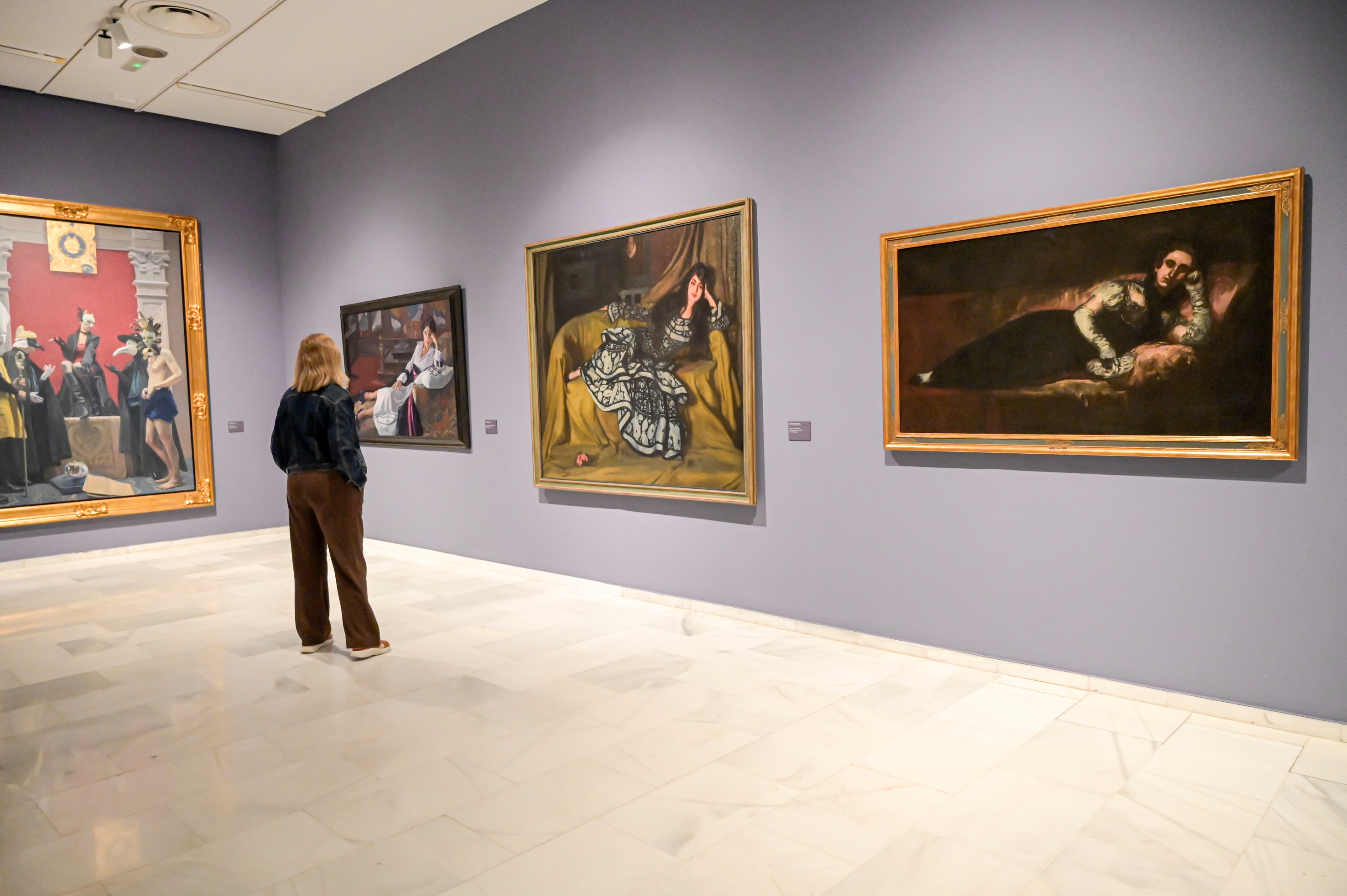
The tradition of Spanish realism is the starting point from which Andrés García Ibáñez has built a work that, without renouncing the classic genres of painting, incorporates allegorical readings, reflections on the very nature of representation and, at certain moments, a critical and deforming dimension close to expression. The Bancaja Foundation presents in Valencia a large monographic exhibition dedicated for the first time to the artist from Almeria, a concentrated look at the main axes of a career developed over more than three decades.
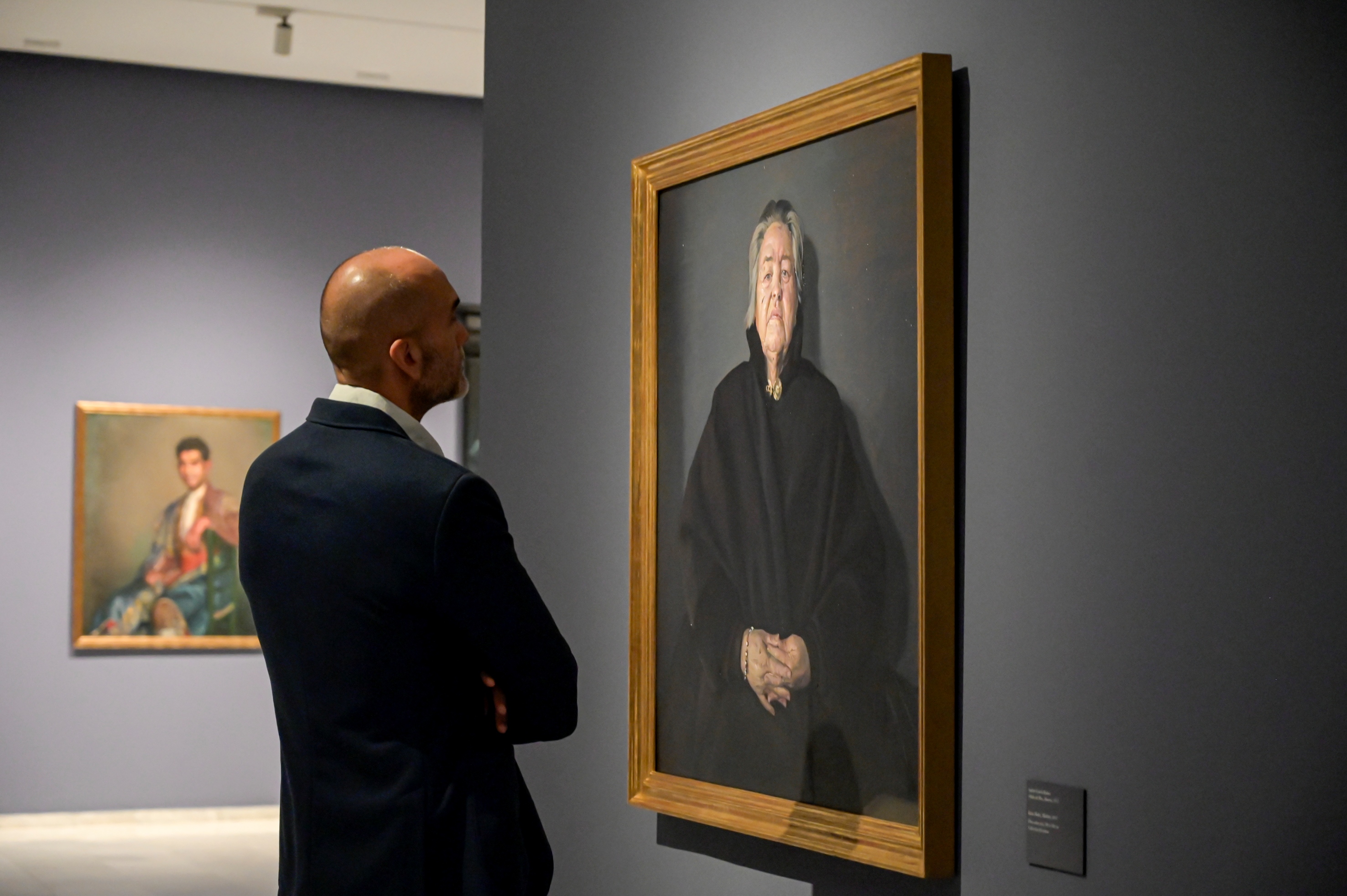
Born in Olula del Río, Almería, in 1971, García Ibáñez maintains a particularly intense relationship with the Spanish figurative and naturalistic tradition. His painting is based on a desire for precise representation, but this fidelity to the image does not imply a passive attitude towards the world. Portraits, landscapes or still lifes become instruments for exploring issues linked to identity, memory, human passions and the history of art itself.
The project brings together 84 works created between 1994 and 2026, many of which are being presented to the public for the first time. The set allows us to get closer to both the artist's early stages and more recent works and some of his most significant pieces. Throughout the tour, García Ibáñez's production establishes a direct dialogue with eleven works by great masters of Spanish art: Francisco de Goya, Joaquín Sorolla, Antonio López, Ignacio Zuloaga and Juan Valdés Leal.
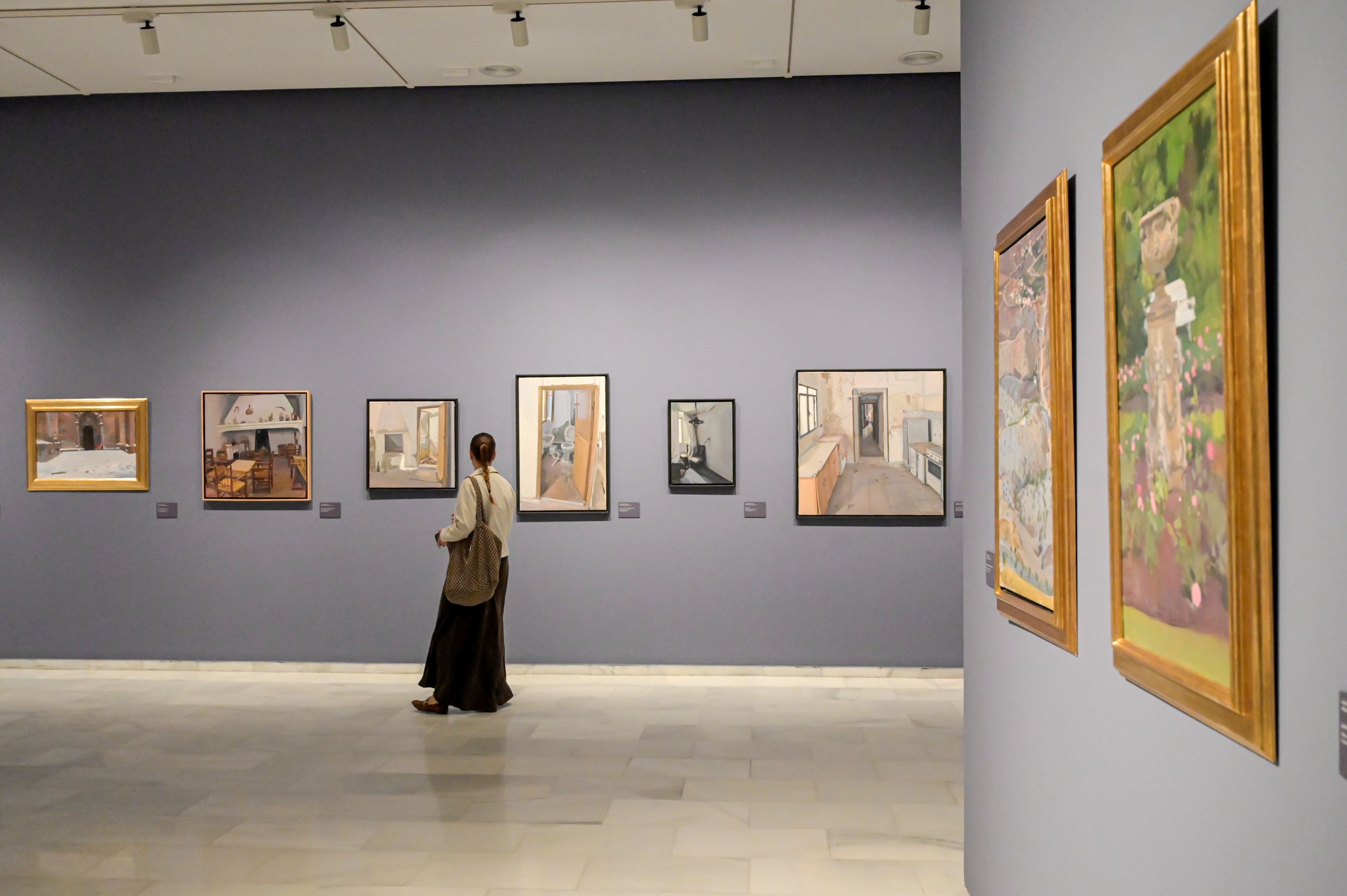
This dialogue does not function solely as a historical contextualization, but rather highlights the affiliations and tensions that run through García Ibáñez's painting. The masters of the past appear as referents and interlocutors of a practice that assumes tradition as a still active territory, susceptible to being revisited and questioned from a contemporary perspective.
The works brought together come from various collections and institutions, including the Zuloaga Foundation in Madrid, the Fernando Masaveu Collection in Madrid, the Museum of Contemporary Spanish Realism (MUREC) in Almería, the Casa Ibáñez Museum in Olula del Río and the Ibáñez Cosentino Art Foundation, also located in Olula del Río. The diverse provenance of the set contributes to building a broad panorama of a trajectory that has maintained realism as its axis, but that has explored different ways of approaching it.
The exhibition is divided into four areas that allow us to follow the artist's main lines of work. Traditional genres brings together portraits, landscapes and still lifes that connect directly with the classical tradition of figurative painting. García Ibáñez recovers these genres from a contemporary perspective, maintaining attention to corporeality, light and the precision of representation, but also introducing a personal look at the codes that have defined realistic painting.
Myth and Allegory expands this territory towards a painting with a greater symbolic charge. Some of the works, large-format and linked to the early years of the artist's career, recover subjects from classical mythology to transfer them to the present. Other pieces resort to allegory and the reinterpretation of great works from the history of art to raise questions related to human nature and its passions. The past thus becomes a repertoire of forms and narratives that García Ibáñez revisits to speak of the present.
The Beethoven Series constitute another of the cores of the tour. It is a set of canvases also made during the painter's artistic youth in which the work and figure of Ludwig van Beethoven serve as a starting point to express intimate experiences and thoughts. Music is transformed here into a conceptual structure that allows us to address aspects of the human condition and, at the same time, provokes in the viewer a reflection on their own experiences.
The last area, Friendship and Work , focuses on the relationship between García Ibáñez and Antonio López. The section presents works created jointly by the two artists, mainly sculptural, and also incorporates their respective pictorial perspectives on the same landscape. The encounter between two creators linked to the Spanish figurative tradition allows us to observe coincidences, differences and different ways of understanding the representation of reality.
In this sense, the presence of Antonio López acquires a particular dimension within an exhibition that claims dialogue between generations. García Ibáñez does not propose the realist tradition as a closed formula, but as a language susceptible to transformations, displacements and new readings. Representation remains at the center of his practice, but its meanings can vary according to the context, the subject and the relationship that the artist establishes with the history of art.
You may be
interested
...