
News
The Thyssen opens a new door to contemporary art
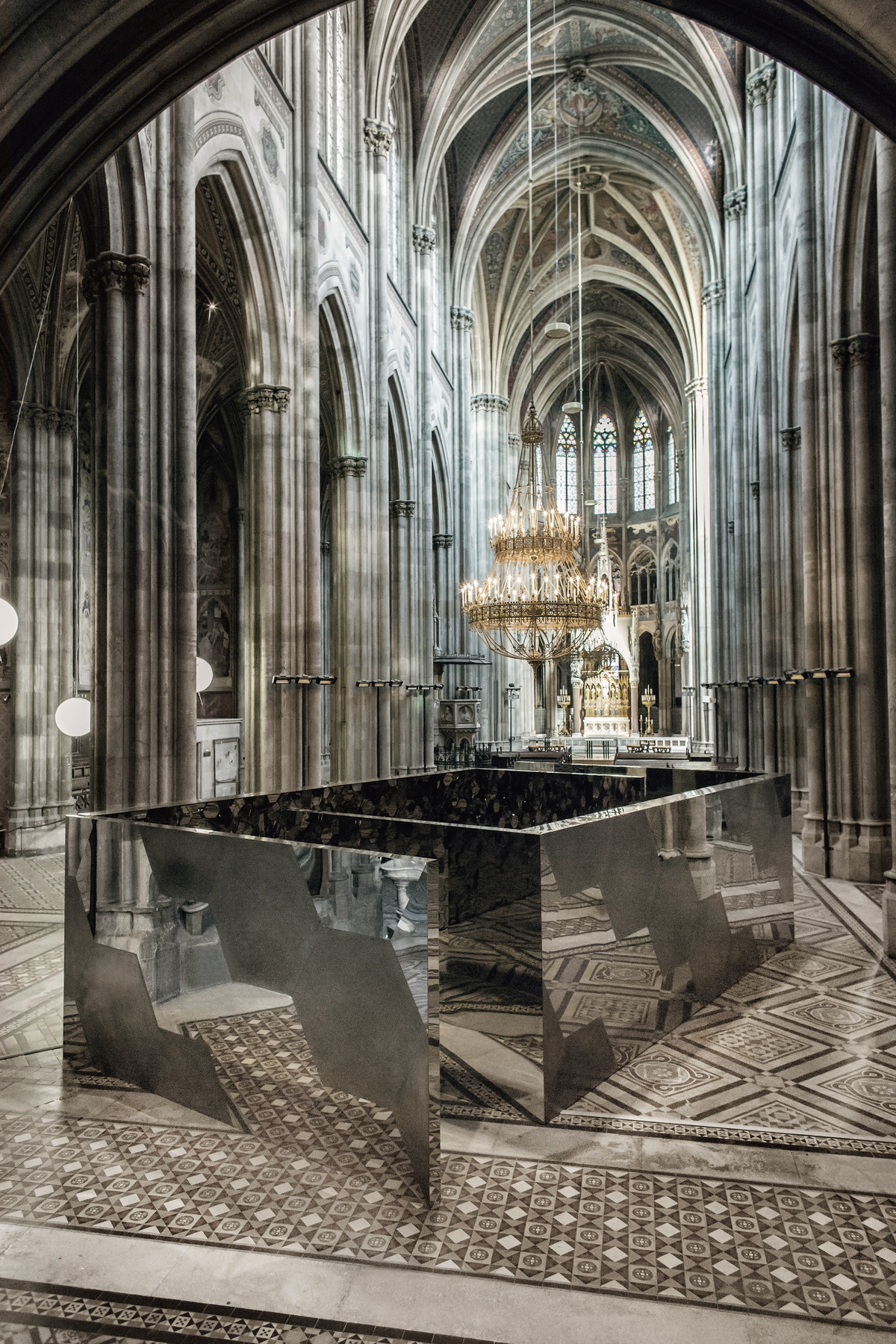
The Thyssen-Bornemisza National Museum is preparing a transformation that will expand its presence on Madrid's cultural map and extend its collection to include 21st-century art. The project stems from an exceptional donation by Francesca Thyssen-Bornemisza and her heirs: more than 180 works from the TBA21 Collection that will become part of the public art heritage without any financial compensation or private return. This operation will allow for the permanent incorporation of a substantial portion of a collection built up over the last two decades and will usher in a new era for an institution whose collection spans almost eight centuries of art history.
The expansion will take place in a new, publicly owned space located in the former Ice and Automobile Palace on Duque de Medinaceli Street, just a few meters from the museum's current location. The building, currently unused for decades, will be renovated by the State to reintegrate it into Madrid's cultural life. The aim is not only to increase the Thyssen's exhibition space, but also to create an infrastructure dedicated to contemporary art that can expand the areas of education, research, conservation, and public engagement.
The new venue will also have a deliberately open approach to its surroundings. The project envisions a space designed for the community and the neighborhood, extending beyond strictly tourist routes, with meeting places and programming linked to some of today's major challenges. Ecology, social transformation, participation, and new forms of relationship between art and society will thus be at the heart of a proposal that aims to expand the traditional function of the museum.
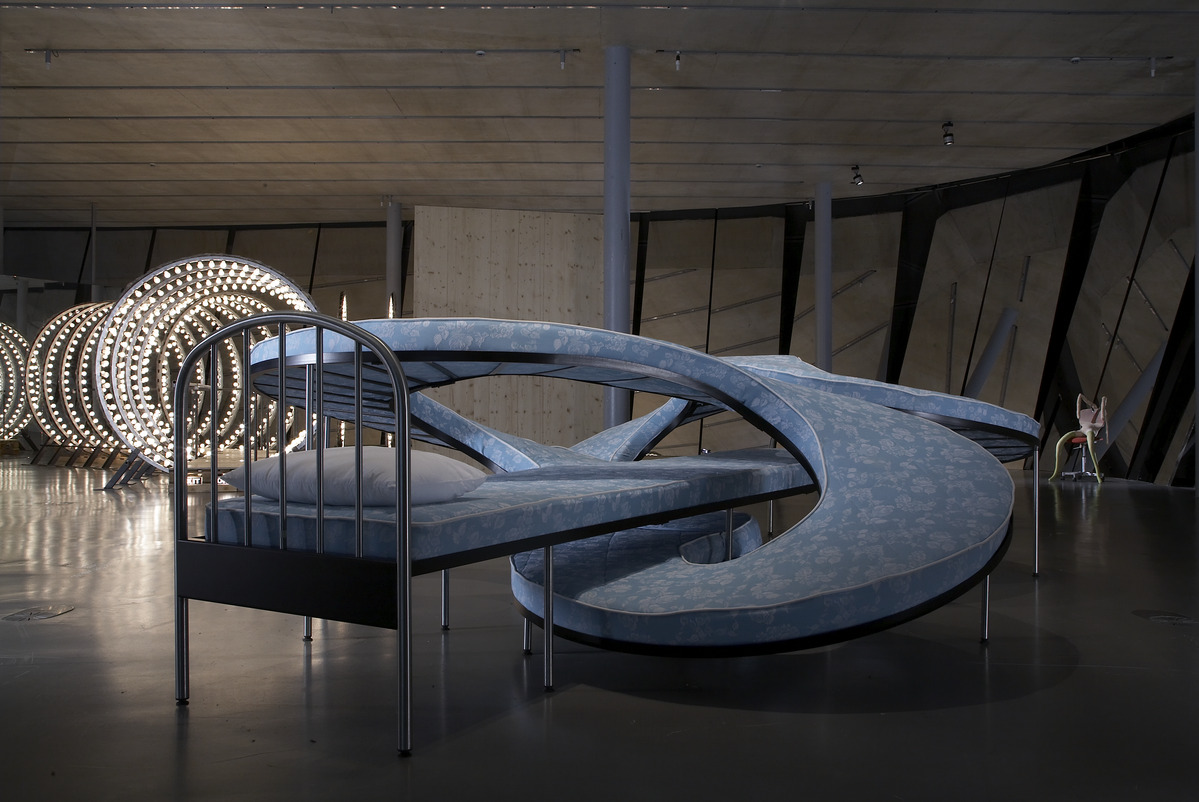
The TBA21 Collection, spearheaded by Francesca Thyssen-Bornemisza through her foundation, forms the core of this new phase. Built over twenty years, it brings together works by leading international contemporary artists and has gained recognition for its pioneering approach to addressing ecological crises and social transformations through art. Its distinctive character also lies in a collecting method based on direct engagement with artists and the development of major curatorial commissions and museum-scale projects.
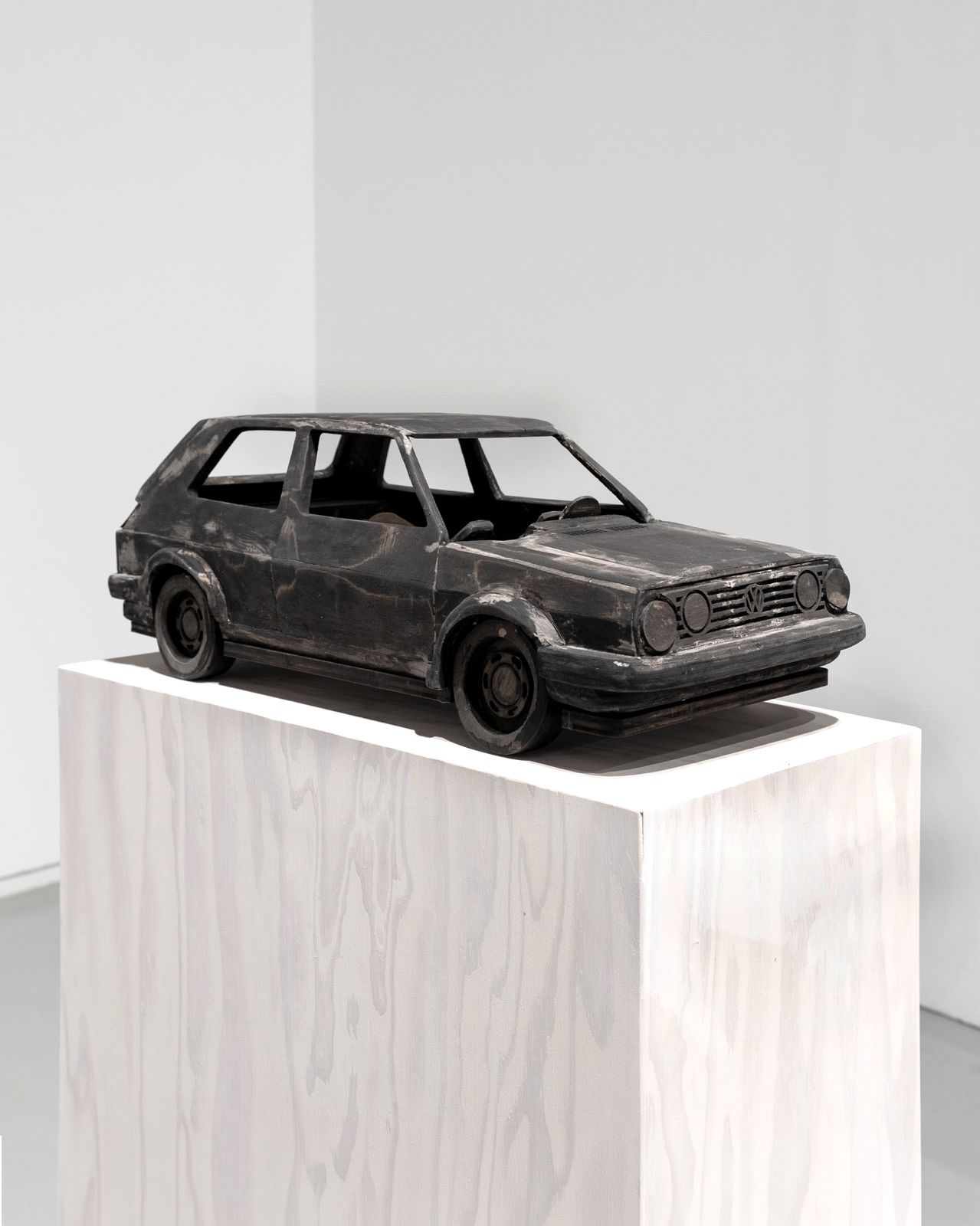
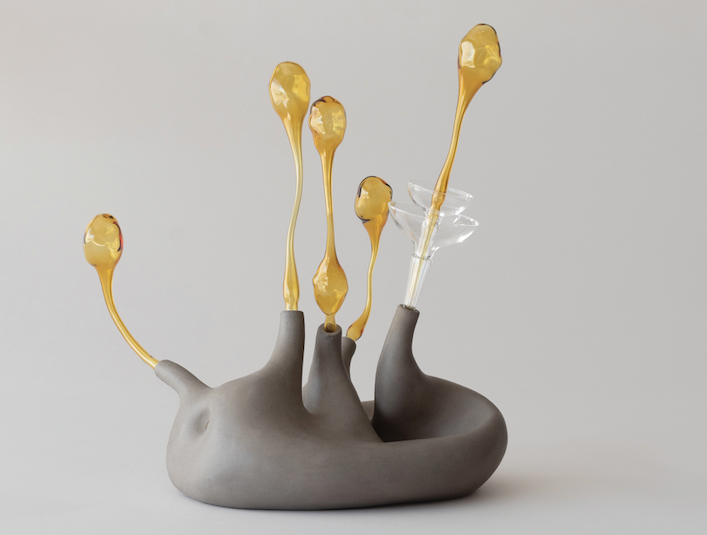
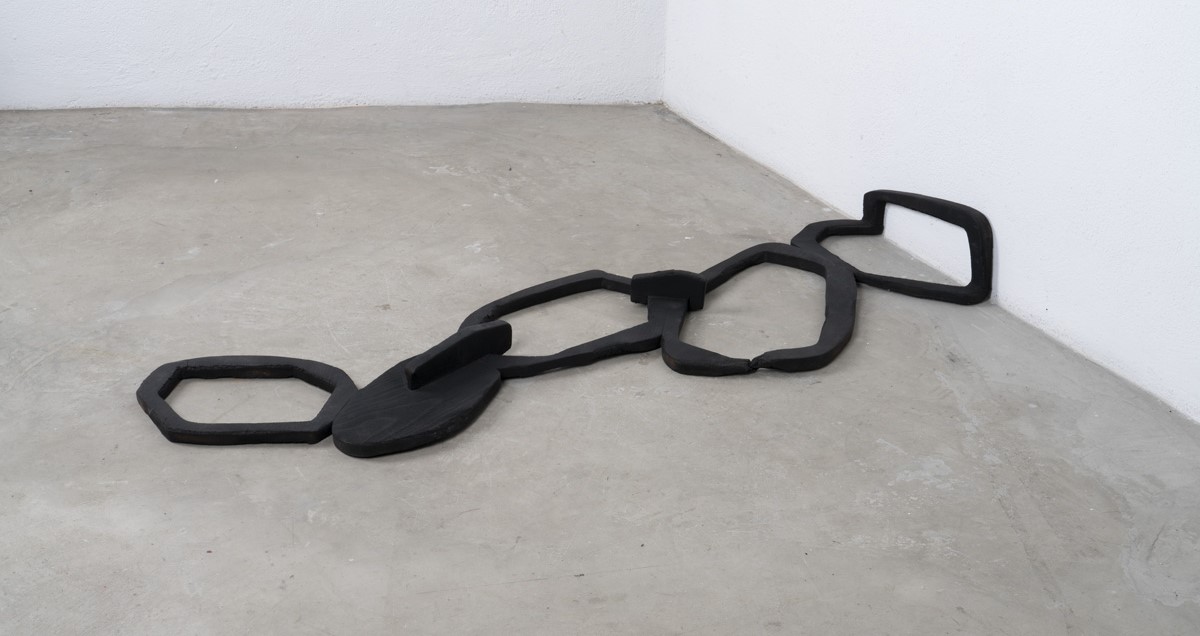
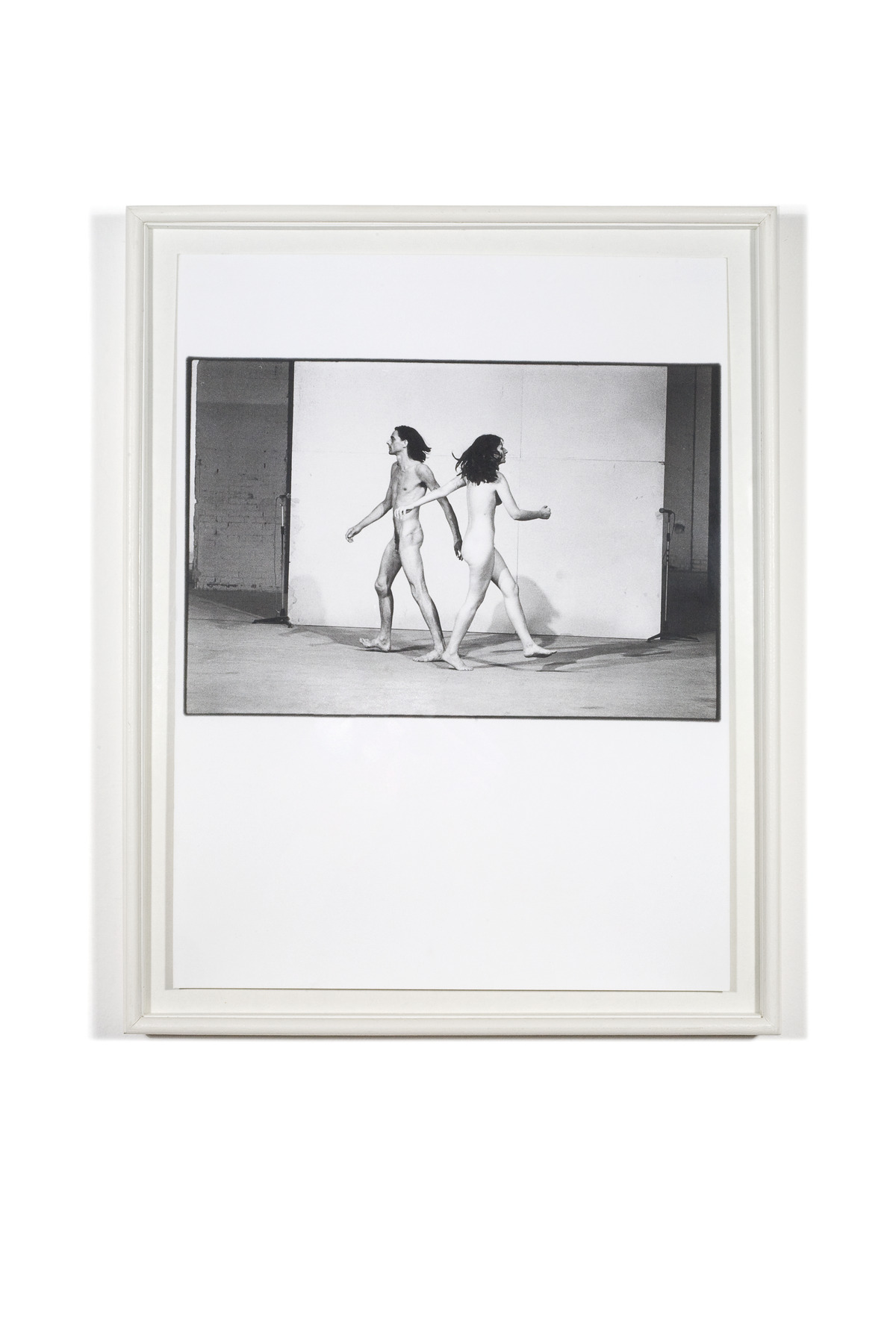
The magnitude of this contribution becomes especially clear when considering the collection of works that comprise the donation and the loan. It consists of 365 pieces by 169 individual artists and 19 collectives, hailing from diverse geographical, cultural, and artistic backgrounds. Among the artists are key figures in international contemporary art such as Ai Weiwei, Marina Abramović, John Akomfrah, Monica Bonvicini, Candice Breitz, Seba Calfuqueo, Janet Cardiff & George Bures Miller, Claudia Comte, Olafur Eliasson, Taloi Havini, Nikita Kadan, Pierre Huyghe, Rashid Johnson, Ernesto Neto, and Bill Viola, among many others. This collection significantly expands the museum's contemporary narrative and introduces a plurality of voices, perspectives, and concerns into its holdings, reflecting some of the major debates of our time.
Furthermore, this is not a collection conceived outside the international museum circuit. TBA21's works are regularly loaned to some of the world's leading cultural institutions, reflecting the collection's growing importance and its capacity to generate projects of international scope. A particularly significant example is Moving Off the Land II by video and performance artist Joan Jonas, a project commissioned by TBA21–Academy that opened at Ocean Space in Venice in 2019. One of its central pieces would later be included in the major retrospective dedicated to Jonas by the Museum of Modern Art in New York in 2024, demonstrating the reach that productions fostered by the foundation can achieve.
This arrangement ensures that the addition of TBA21 to the Thyssen does not simply replicate existing holdings, but rather broadens the collection's perspectives. The new acquisition aims to complement the collections of national museums and establish a dialogue between the art history assembled by the Thyssen-Bornemisza family and some of the most significant artistic practices of recent decades.
The economic dimensions of the operation also reflect the magnitude of the commitment. The donation adds more than 180 works to the public heritage, valued at nearly 16 million euros. This contribution will be complemented by a long-term loan, without any financial compensation, of another almost 180 pieces from the TBA21 Collection, valued at around 10 million euros. If we also include the long-term, free loan of historical works that Francesca Thyssen-Bornemisza already maintains with the Thyssen-Bornemisza National Museum, estimated at around 70 million euros, the combined commitment of TBA21 and Francesca Thyssen-Bornemisza to the Spanish State reaches nearly 100 million euros.
The acquisition also extends a family tradition that now spans four generations of collectors. With Francesca, Blanca, and Borja Thyssen-Bornemisza, the family's passion for collecting remains linked to a commitment to the arts and their legacy. In this instance, that continuity is embodied in a contribution intended to strengthen the public collection and propel the institution toward new forms of creation and engagement.
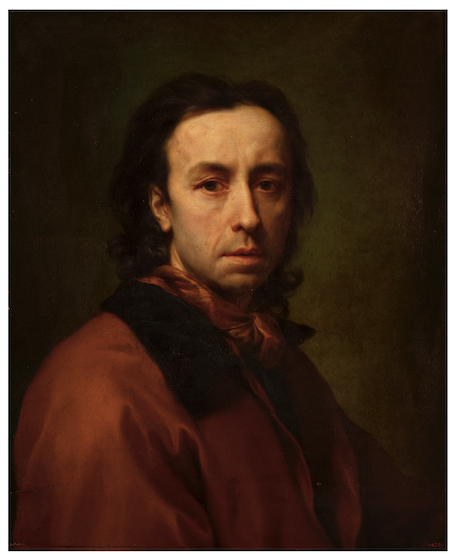
The project didn't start from scratch. The collaboration between the Thyssen-Bornemisza National Museum and TBA21 began in 2018 and, since then, has contributed to renewing the institution's programming and expanding its audiences. The contemporary exhibitions and interventions promoted and curated by TBA21 have established a dialogue with the historical collection assembled by Baron Hans Heinrich Thyssen-Bornemisza, his ancestors, and Baroness Carmen Thyssen-Bornemisza. This relationship has positioned the museum at the crossroads of historical modernity and contemporary creation.
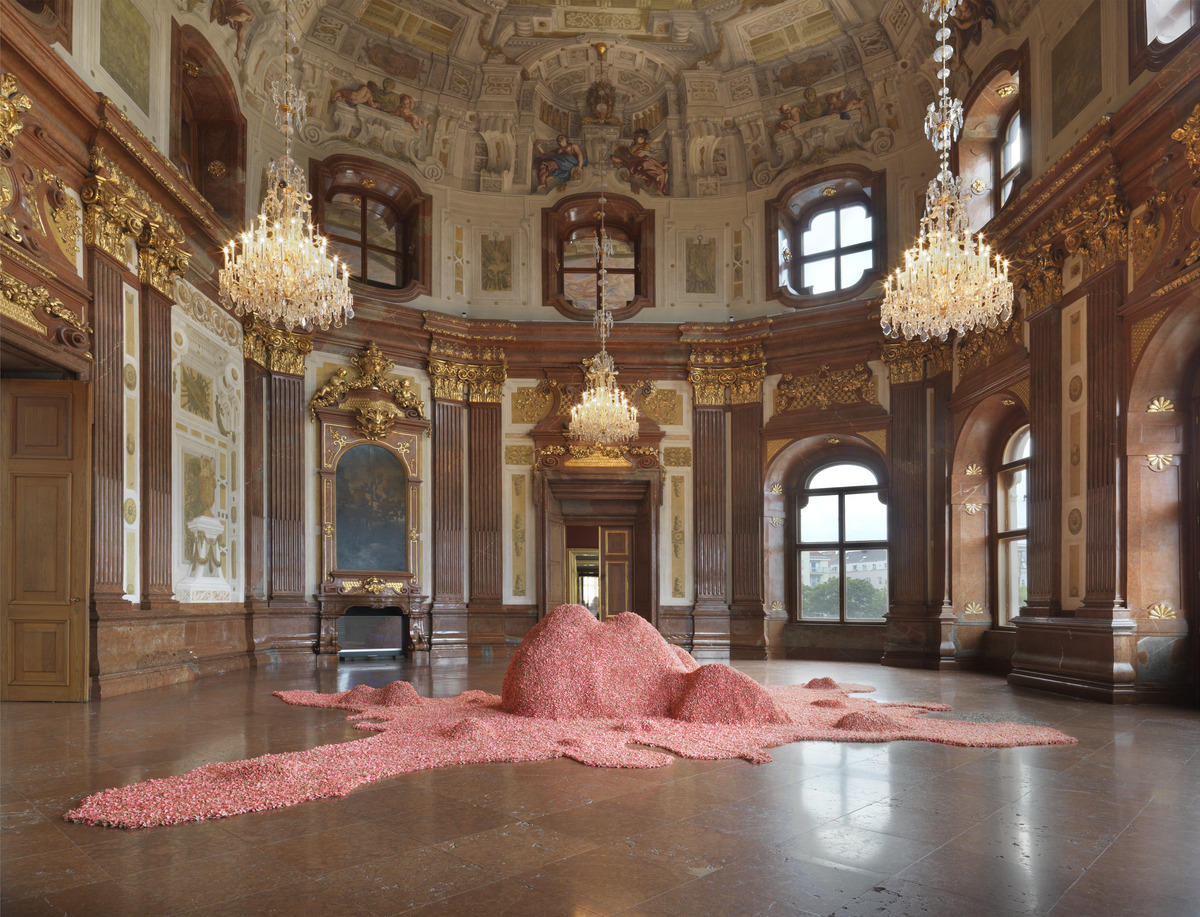
The new infrastructure will allow for a deeper dialogue without losing sight of the Thyssen's unique identity. Madrid boasts major institutions dedicated to contemporary art, but this expansion proposes a specific approach: connecting current production with a collection spanning centuries of history and building continuities between the artistic languages of the past and the concerns of the present. The new center will also engage with initiatives such as the Tabacalera Center for Artistic Production and Residencies, expanding the city's contemporary creative ecosystem.
The former Ice and Automobile Palace will also have a shared function. The future space will house the Madrid headquarters of the Memorial Center for Victims of Terrorism, adding a dimension to the project linked to memory and the building of citizenship.
The timeline places the transformation on the near horizon, although it is still in the planning stage. The government will launch an international architecture competition in early 2027 to define the intervention on the building, and the reopening is planned for 2031. It will be then that the former Ice and Automobile Palace will be fully reintegrated into Madrid's cultural life as a public infrastructure capable of bringing together contemporary art, research, education, ecology, memory, and community engagement.

You may be
interested
...