Exhibitions
Tom Wesselmann on desire, consumption and mass culture
The Tel Aviv Museum of Art brings together a selection of works by the American artist from the collection of Marie and Jose Mugrabi to review his production between 1960 and 1975 and explore its relevance in the present.
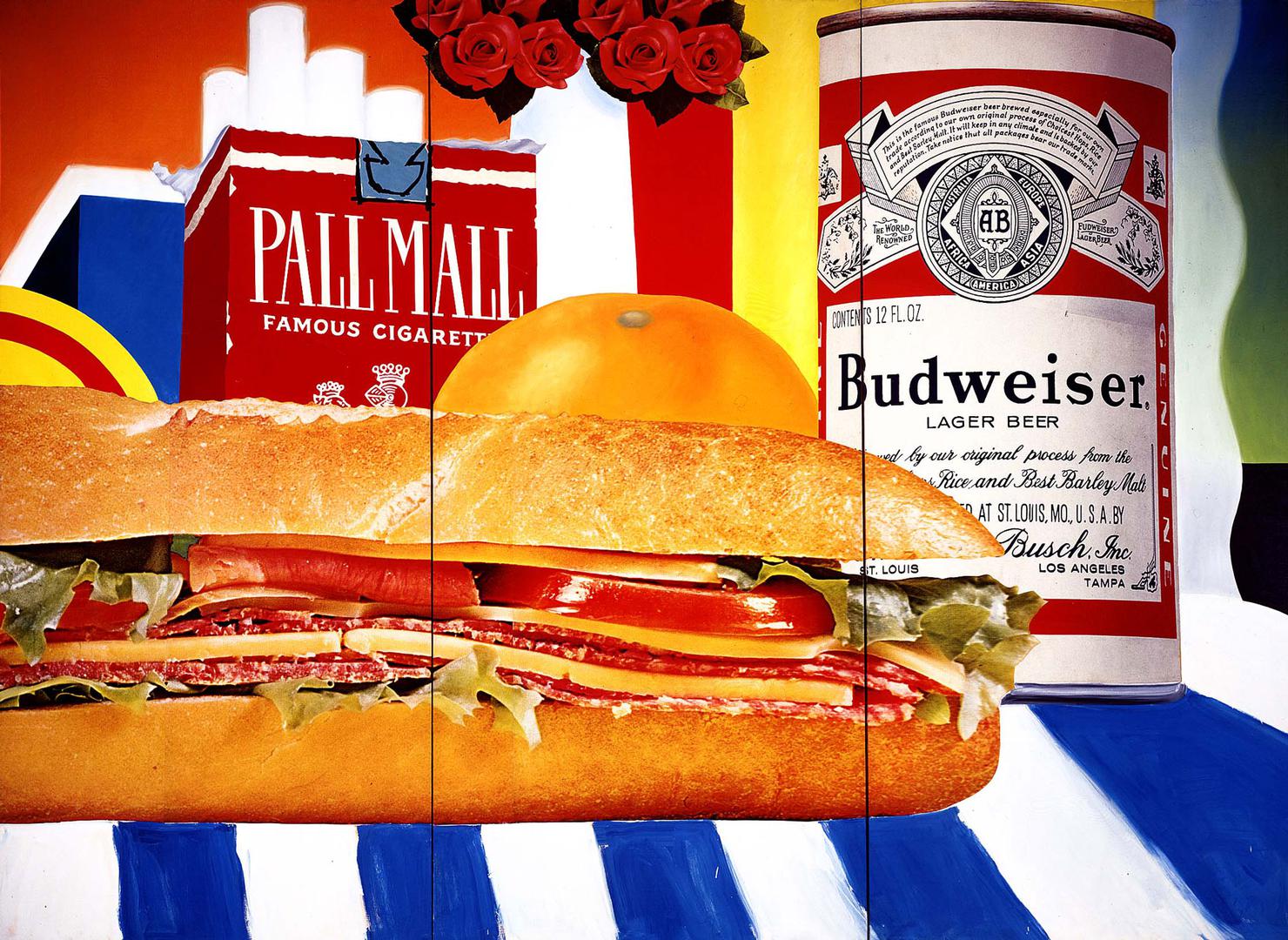
The Tel Aviv Museum of Art presents Tom Wesselmann: All Out / From the Marie and Jose Mugrabi Collection , an exhibition dedicated to one of the key figures of American Pop Art in the 1960s. The exhibition, curated by Shahar Molcho, with Alma Lion as assistant curator, will be on view from June 11 to December 26, 2026, and brings together works that trace a decisive stage in the career of Wesselmann (1931-2004).
Through still lifes and fragmented nudes, both flat and monumental, the exhibition explores how the artist transformed the pictorial tradition at a time dominated by advertising, magazines, mass media, and consumer culture. His direct and visually striking images oscillate between intimacy and exposure, attraction and discomfort, prompting reflection on how the body and desire are represented within mass culture.
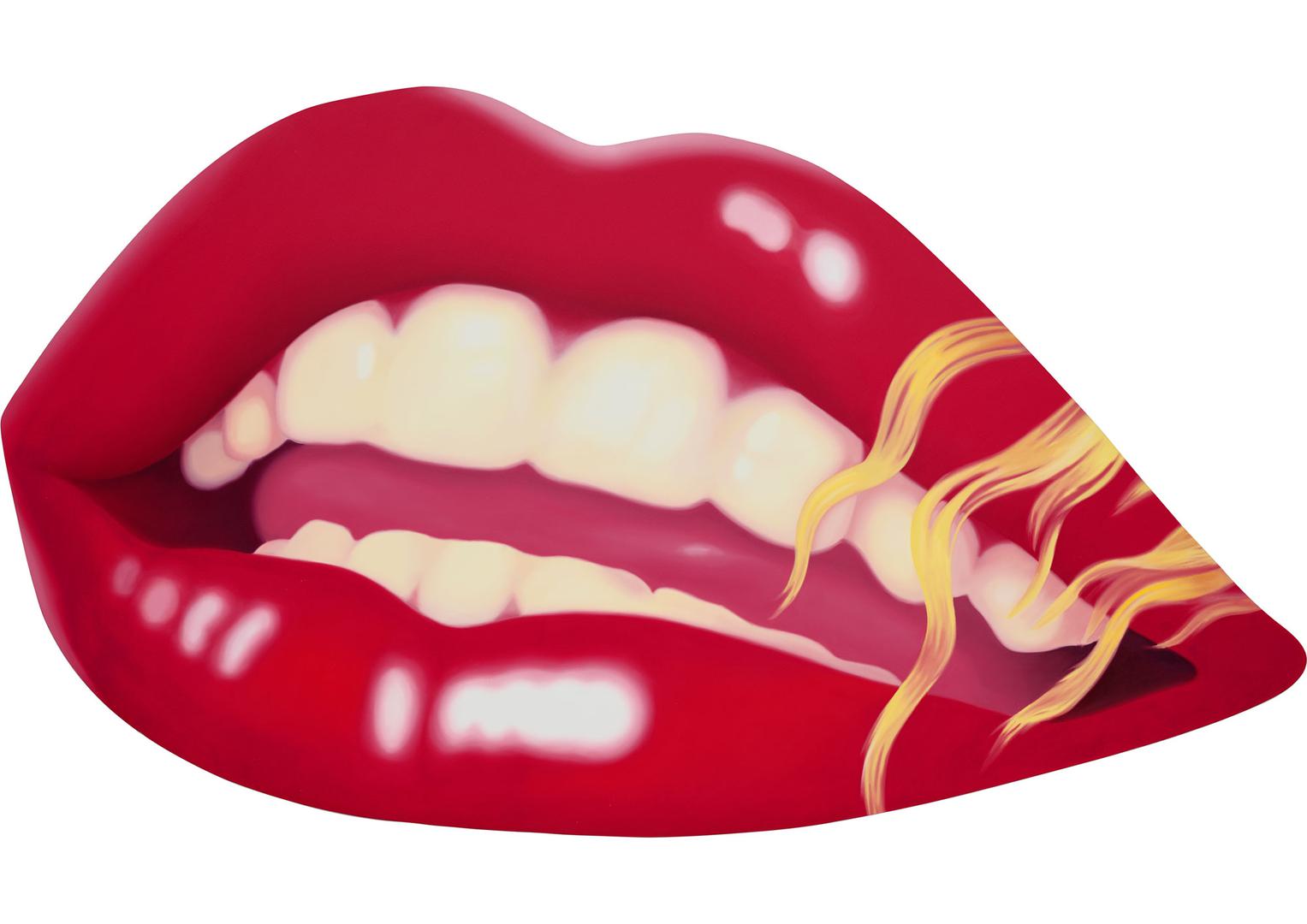
Tom Wesselmann, Mouth #14 (Marilyn), 1967, © 2026 Estate of Tom Wesselmann / Artists Rights Society (ARS), NY.
Born in Cincinnati, Ohio, in 1931, Wesselmann grew up in a middle-class family and began studying psychology. His path, however, took a different turn when he was drafted into the Korean War. During his military service, between 1951 and 1953, he began drawing and creating caricatures for his fellow soldiers. That experience became a turning point and ultimately steered his life toward art.
After leaving the army, he moved to New York and studied at Cooper Union, where he came into contact with the generation of Abstract Expressionist artists who dominated the American art scene at the time, including Jackson Pollock, Willem de Kooning, and Mark Rothko. In contrast to the gestural and expressive intensity of that painting, Wesselmann developed a figurative language with defined contours, sensual and visually striking. His imagery drew much of its raw material from billboards, magazines, and consumer products, elements he transformed into personal and easily recognizable images.
The sexual revolution of the 1960s constitutes another fundamental context for understanding her work. Wesselmann worked during a time of transformation in social norms and increasing openness toward sexuality and the representation of the body. Her works explore precisely the tension between the private and the public, between eroticism and its artistic representation, and between desire and the gaze of the viewer.
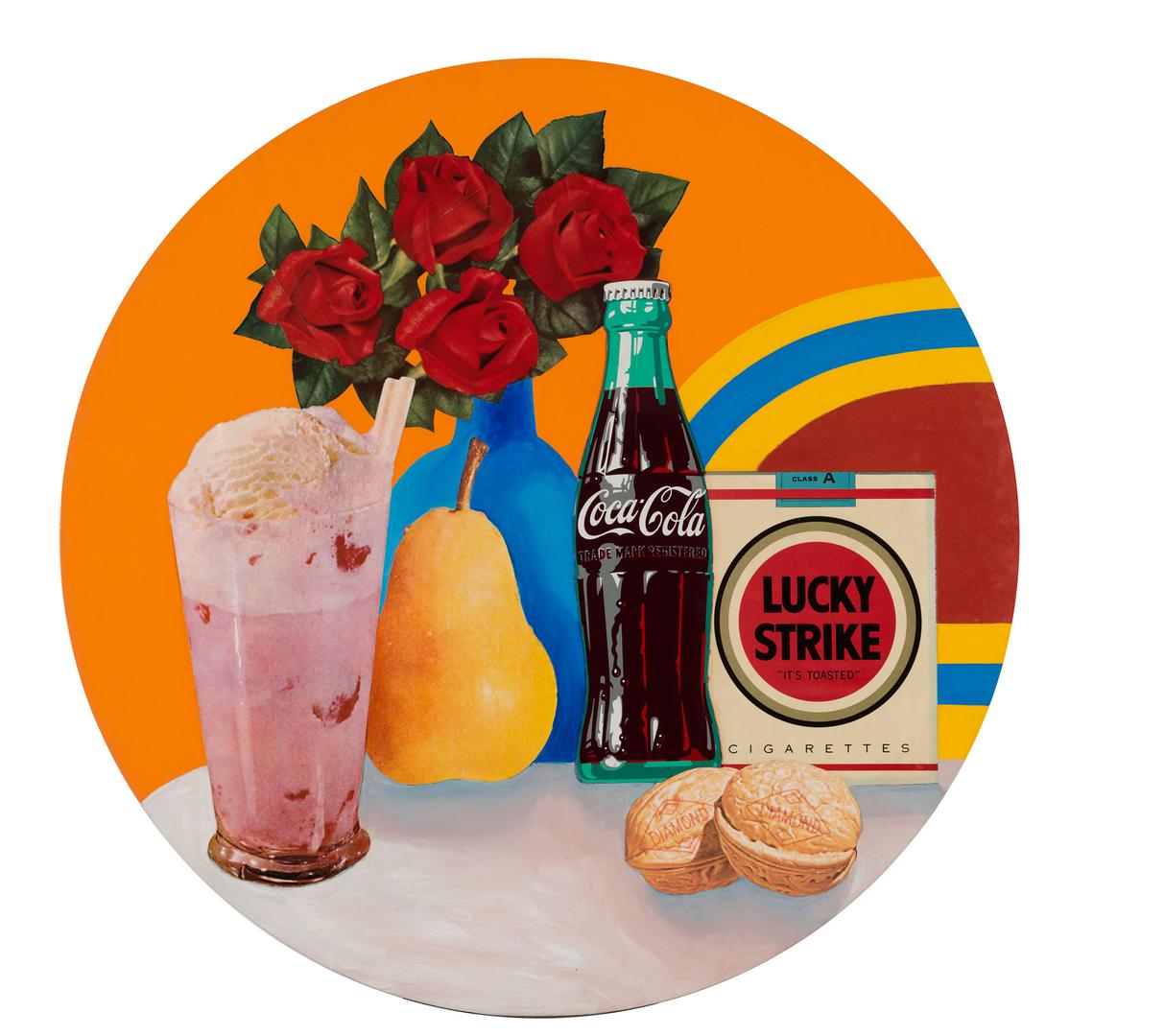
Tom Wesselmann, Still Life #34, 1963, © 2026, Estate of Tom Wesselmann / Artists Rights Society (ARS), NY.
This dimension takes on a new meaning in the present. In a context marked once again by conservative discourses, restrictions, and debates about censorship, Wesselmann's images continue to raise questions about the power of the gaze, representation, the body, and its place within contemporary culture.
Between the 1960s and 1970s, the artist developed some of his most renowned series, such as Still Life , Great American Nude , and Bedroom Paintings . In these works, he combined fragments of domestic life, female and male bodies, and references from art history. His inspiration from the great masters of modernism was particularly significant, with Henri Matisse as one of his primary influences. From Matisse's female nudes, he adopted a model in which color, body, and sensuality could work together harmoniously.
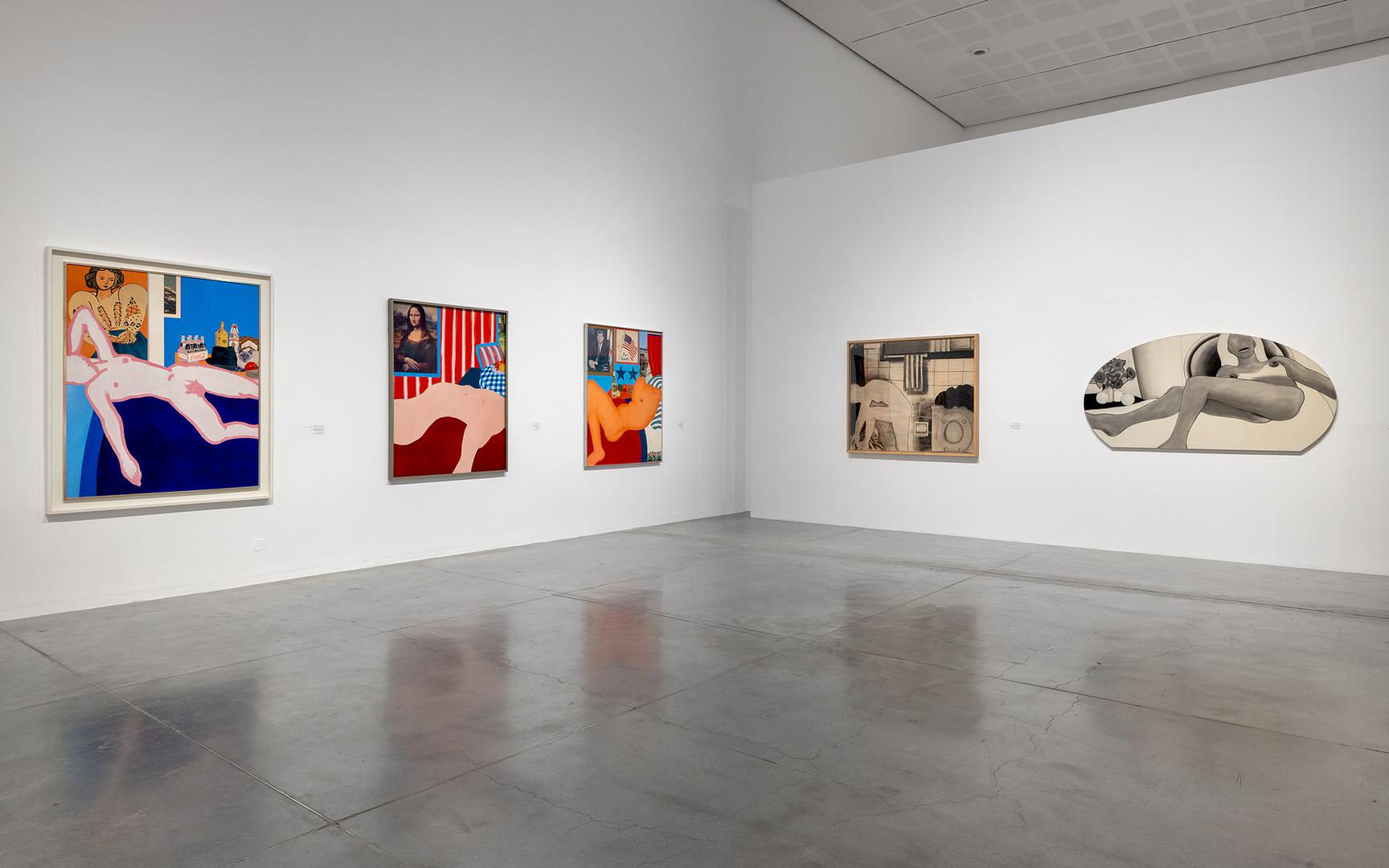
Photo: Elad Sarig.
In Wesselmann's universe, the nude rarely functions as an individual portrait. The body becomes a collection of symbols and signs: lips, breasts, cigarettes, furniture, and everyday objects that, together, construct compositions suspended between idealization, irony, and a critical gaze toward the society of the spectacle.
The Tel Aviv Museum of Art exhibition focuses particularly on the fifteen years between 1960 and 1975, though it broadens its scope through dialogue with artists of his generation, such as Andy Warhol, and with contemporary creators like Mickalene Thomas. These connections allow us to observe how the images developed by Wesselmann during the second half of the 20th century have continued to transform and acquire new meanings.

You may be
interested
...