Exhibitions
I'm waiting for a postcard, a look at more than a century of traveler messages
The Zero Zone of the Institut d'Estudis Ilerdencs vindicates the postcard as a witness to communication, affection and memory.
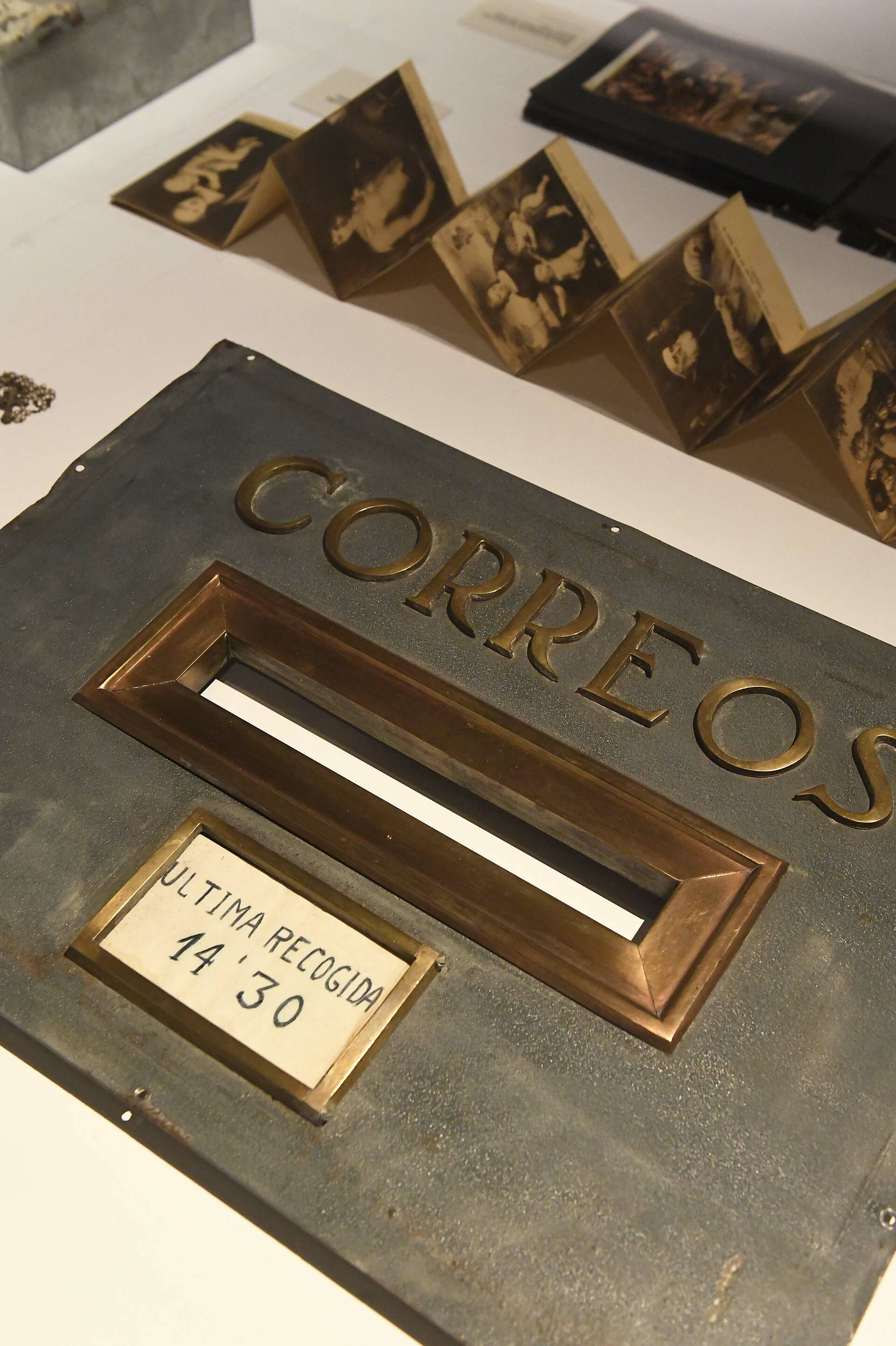
For over a century, postcards have been one of the most popular forms of long-distance communication. Before the immediacy of digital messages, sending a postcard involved choosing an image, writing a few words, buying a stamp, and entrusting the message to a mailbox with the certainty that it would travel miles to reach its recipient.
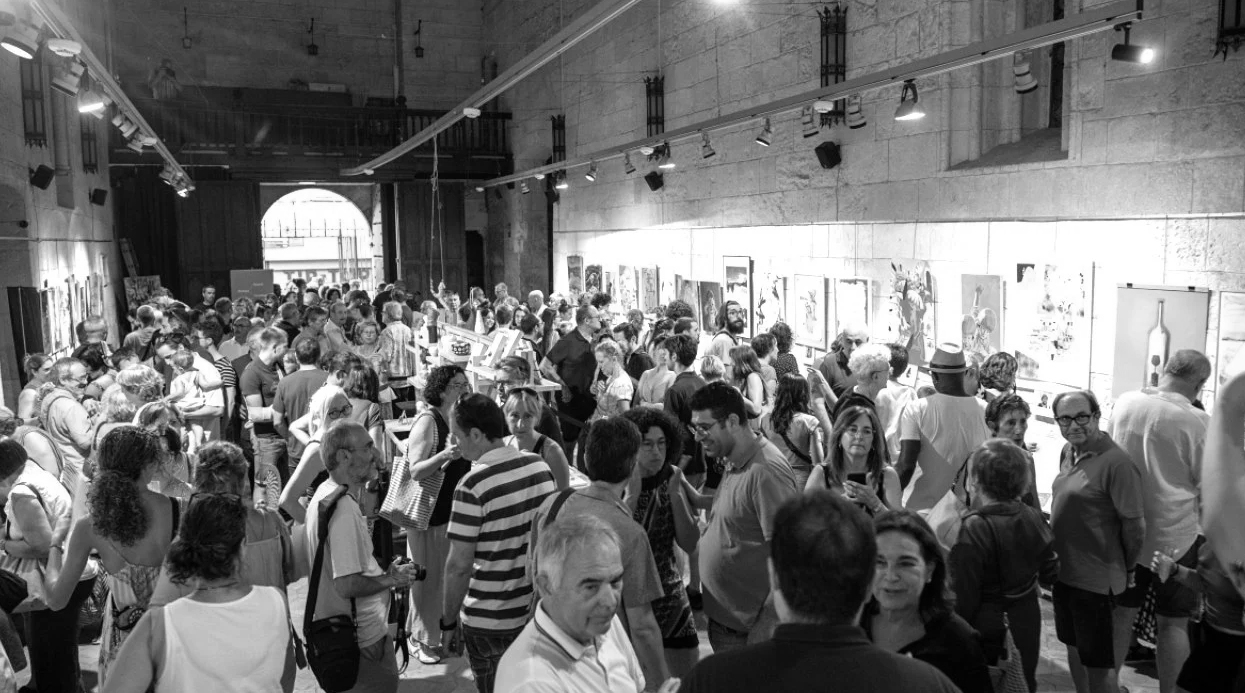
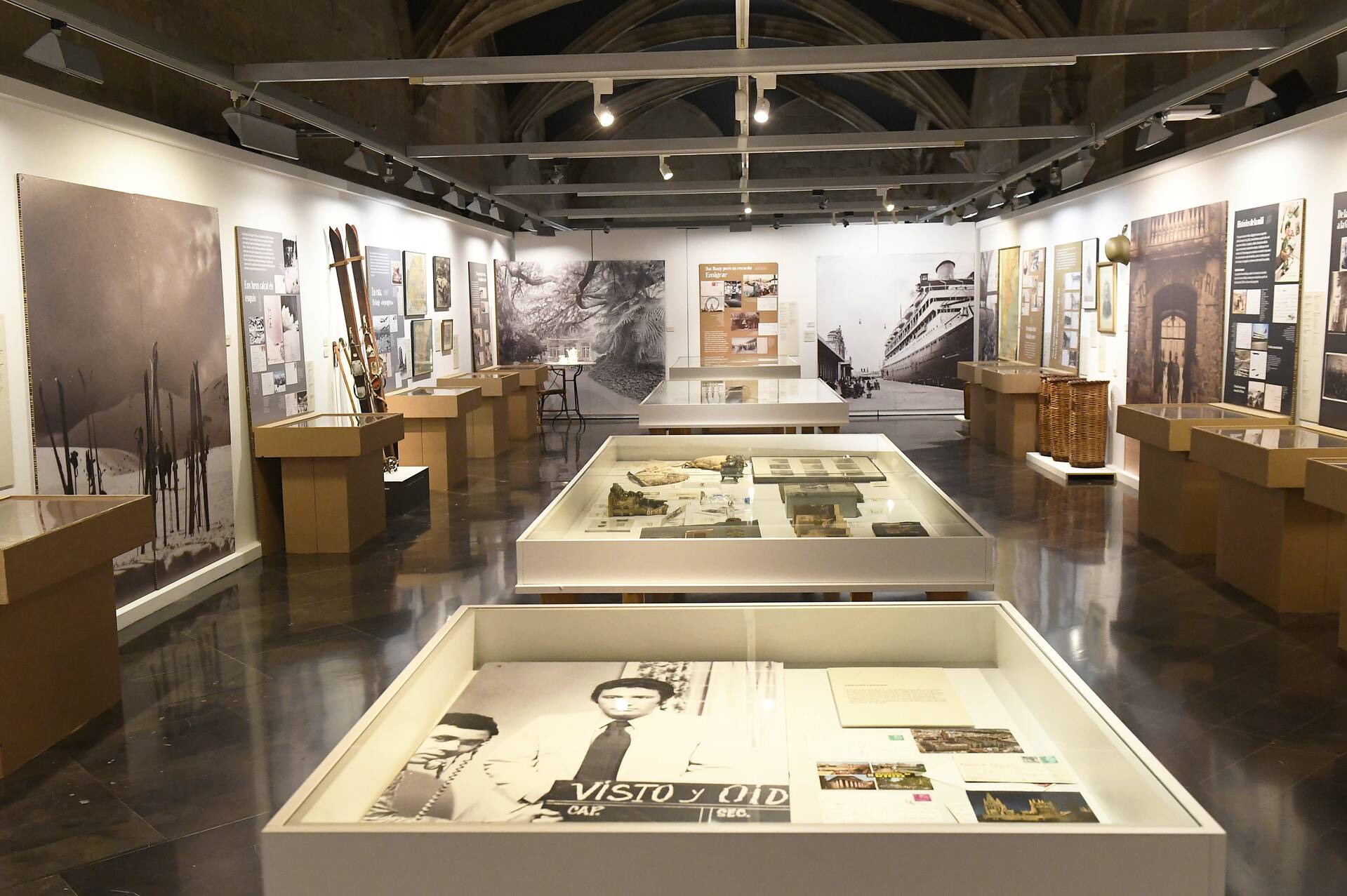
This tradition is the starting point of Espero una postal , an exhibition that can be visited at the Zona Zero of the Institut d'Estudis Ilerdencs from July 23 to September 26. The exhibition proposes to recover the human dimension of this everyday object and put the focus on the stories that have been transmitted through this small format.
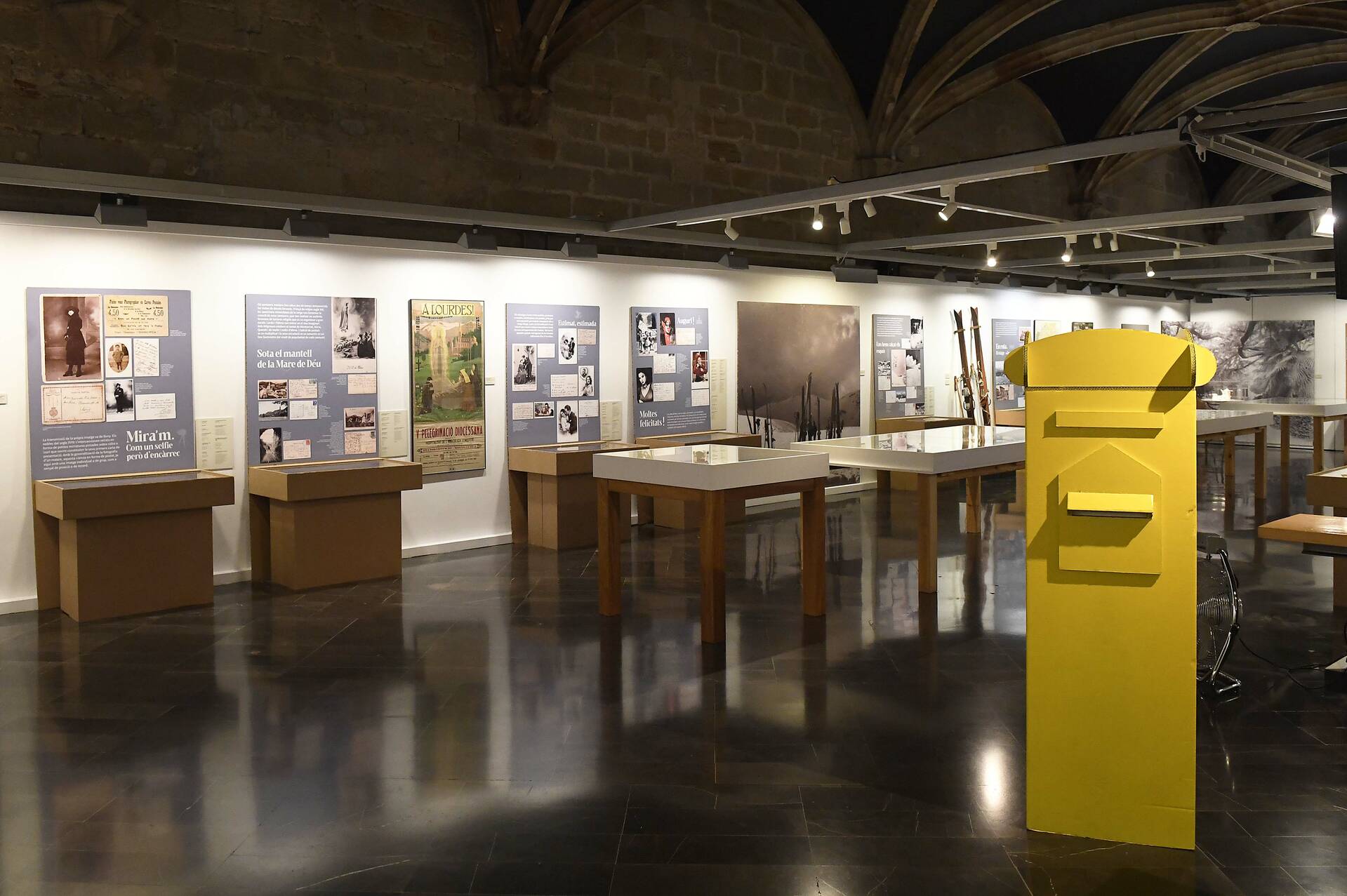
Beyond the uniqueness of some editions, their graphic value or their mass production, the postcard has always been a carrier of news. It has served to explain journeys, share experiences, convey greetings and maintain contact between people separated by distance.
The exhibition pays special attention to the messages contained in the postcards and the circumstances in which they were written and received. In this way, the object ceases to be just a graphic or collector's item and is understood as a document capable of preserving fragments of everyday life.
Sending a postcard continues to have a special symbolic dimension even today. The act requires dedication that begins with the choice of the postcard and continues with the purchase, the writing, the affixing of the stamp and, finally, the gesture of depositing it in a mailbox. A chain of small rituals that turn the message into a sign of attention and appreciation.
In a context dominated by immediate communication, Espero una postícal claims precisely this time dedicated to the other. The postícal thus becomes an object charged with emotion, capable of establishing a bond between sender and recipient and of transforming a few words into a memory that can survive for decades.
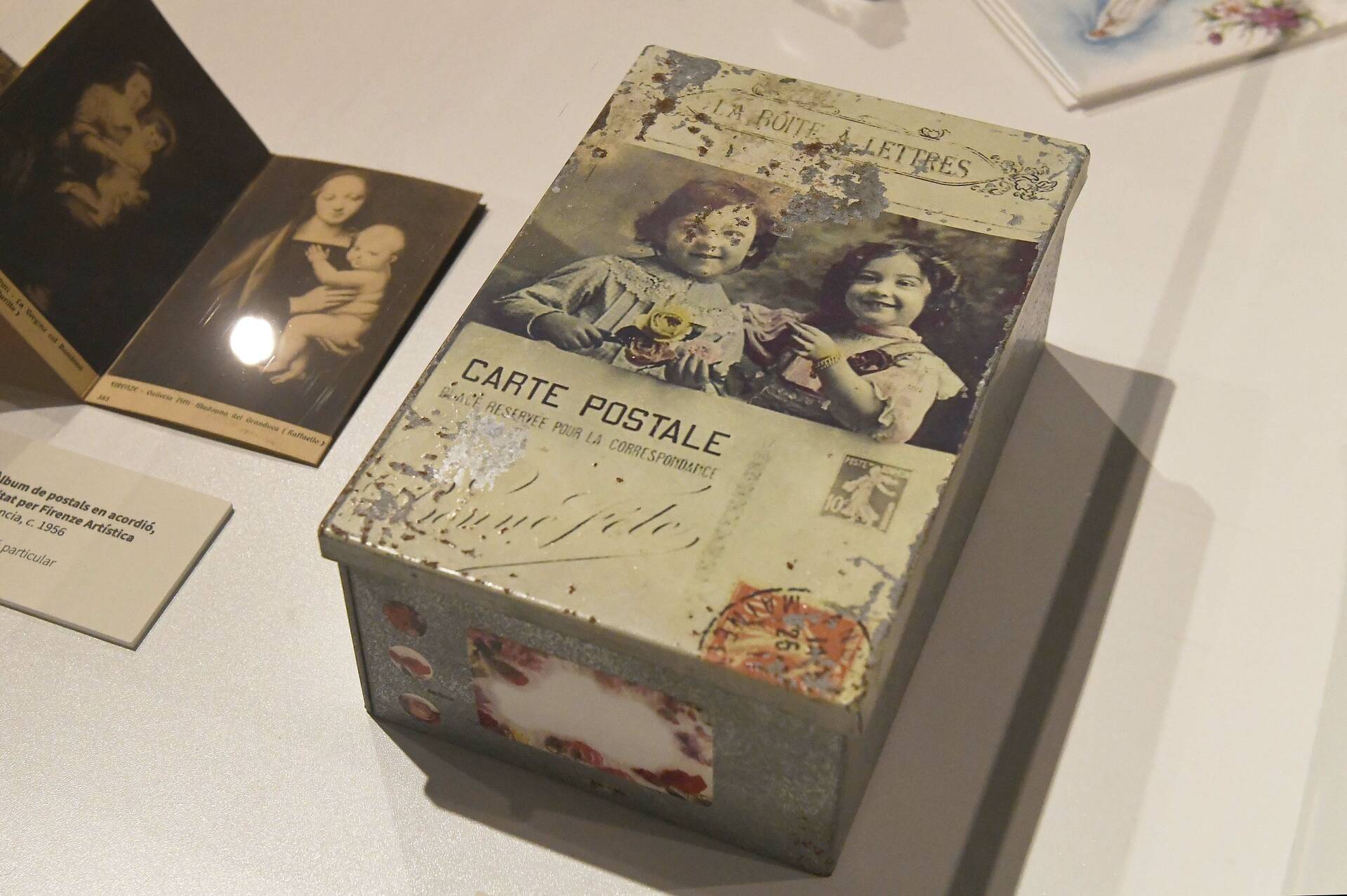
Organized by the Institut d'Estudis Ilerdencs and the Museum of History of Catalonia, the exhibition recovers the postcard as a heritage of everyday communication and as a testimony to the ways in which, for generations, people have shared news, affection and memories across distances.


You may be
interested
...