Exhibitions
Sol Calero builds a house for María Lionza in the heart of the MASP
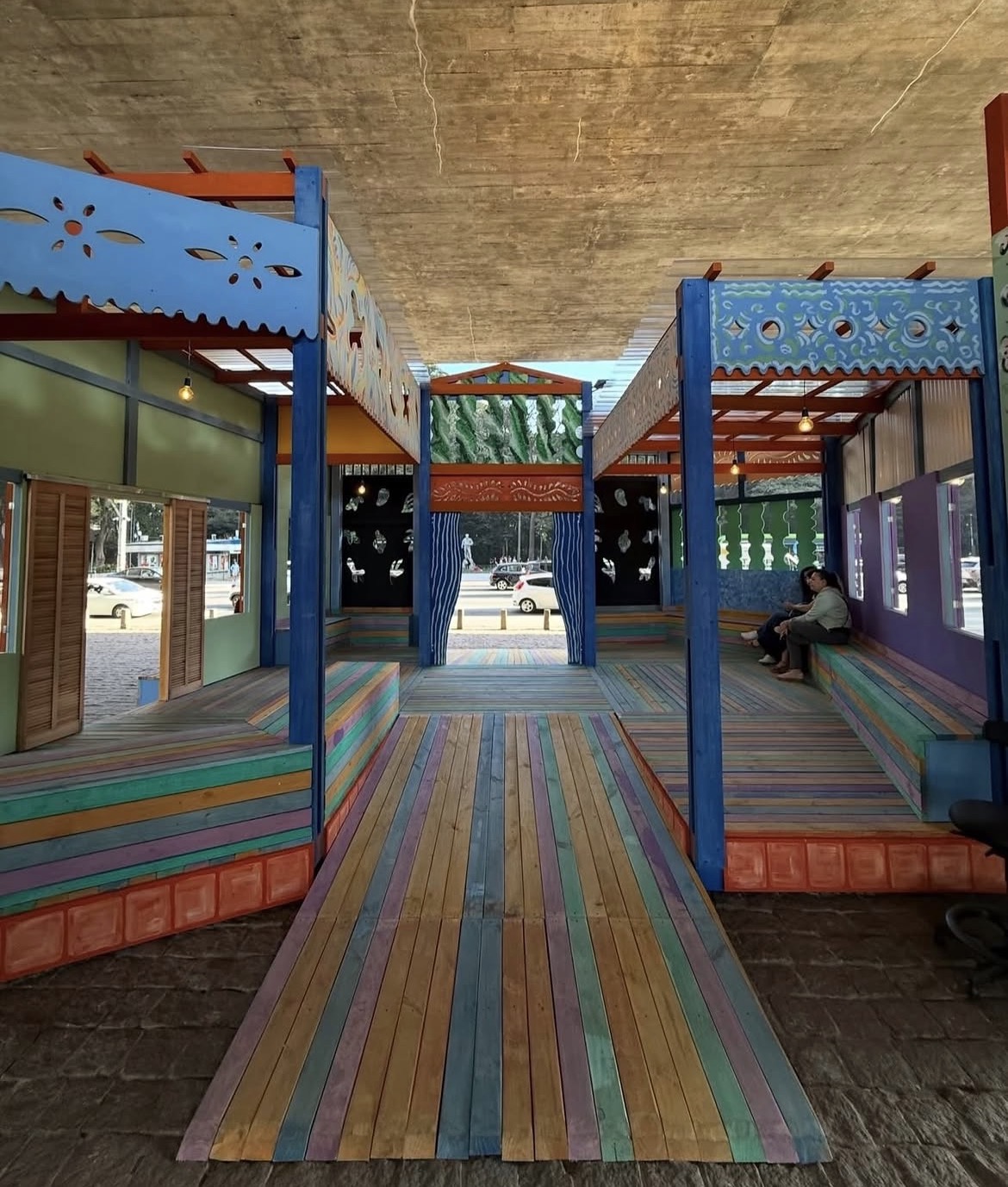
The Museu de Arte de São Paulo Assis Chateaubriand (MASP) presents, from July 3, 2026, Casa María Lionza , an installation by Venezuelan artist Sol Calero conceived specifically for the Vão Livre, the emblematic open space of the building designed by Lina Bo Bardi. The installation transforms this space into an immersive environment inspired by Latin American vernacular architecture and prompts reflection on the multiple ways of understanding identity, belonging, and the cultural traditions of the continent.
Born in Caracas in 1982, Sol Calero has developed an artistic practice characterized by the creation of spaces that lie at the intersection of installation, painting, sculpture, and architecture. Her environments typically draw on Latin American domestic and folk references, which the artist transforms through vibrant colors, hand-painted decorative patterns, mosaics, and architectural elements.
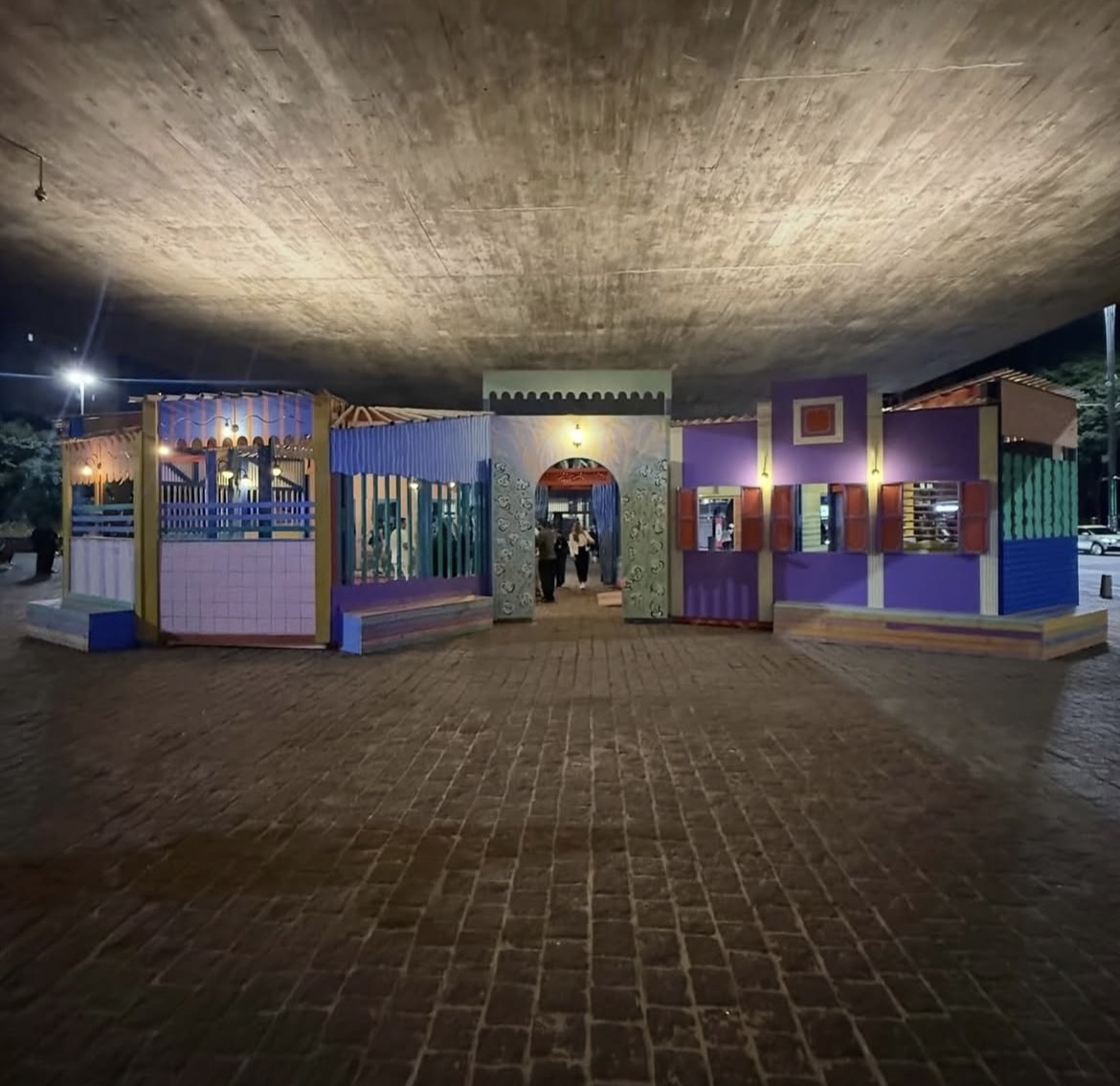
The result is large, three-dimensional compositions that function simultaneously as habitable spaces and as a kind of expanded painting. In them, Calero explores the construction of imaginaries surrounding Latin America and also questions the way in which its symbols, landscapes, and traditions have been represented from external perspectives.
In Casa María Lionza , the artist takes as her central figure María Lionza, one of the principal figures of Venezuelan folk spirituality. Her cult brings together indigenous, Afro-Venezuelan, Catholic, and Venezuelan Spiritist elements, giving rise to a profoundly syncretic tradition that becomes the starting point for the installation.
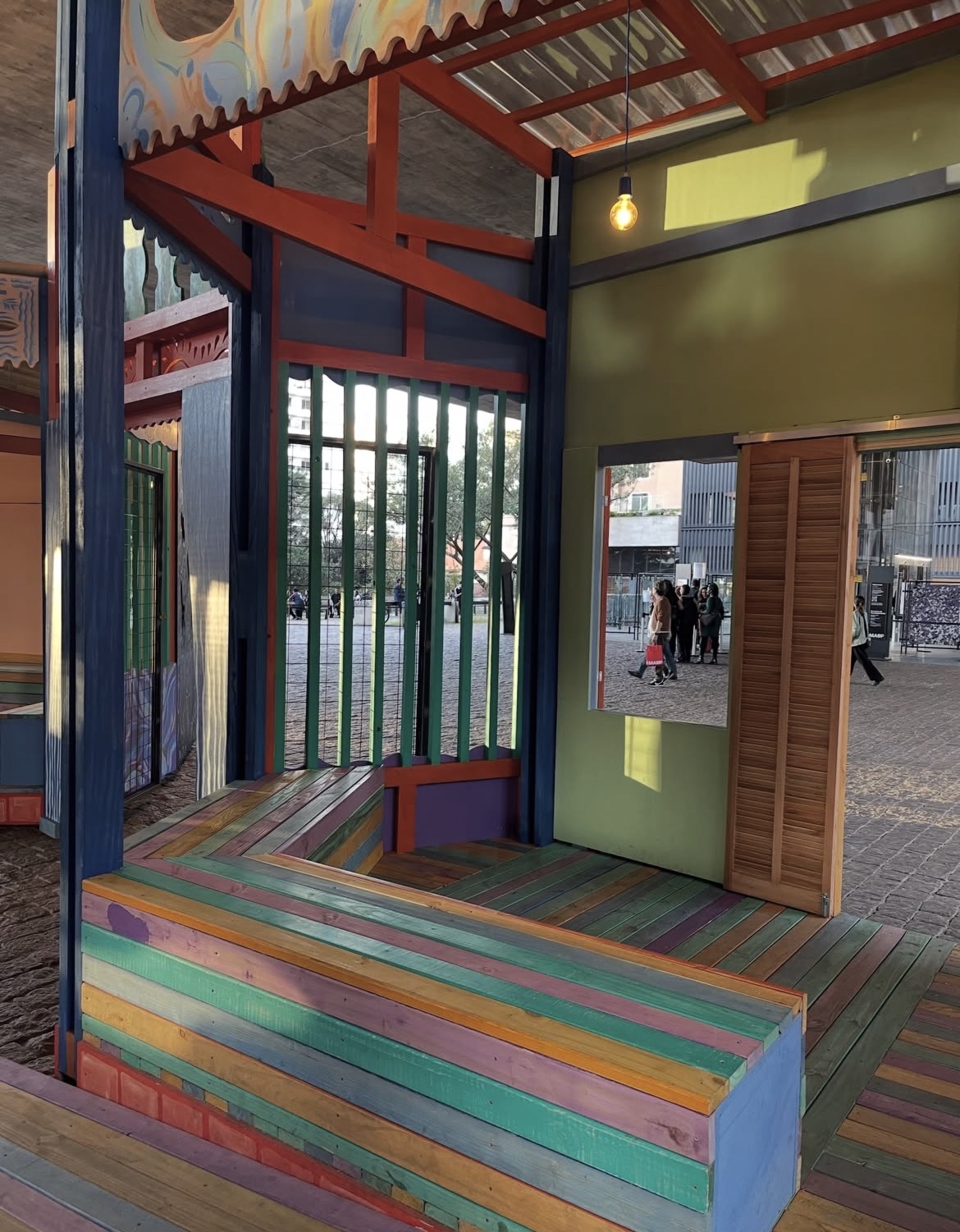
The pavilion offers a welcoming atmosphere inspired by domestic spaces traditionally managed by women. The house thus appears not only as a physical place, but also as a space for the transmission of knowledge, family relationships, memory, and cultural practices. Through this structure, Calero explores how identities are constructed and preserved in everyday life.
Architecture is another fundamental aspect of the project. Among the artist's references is the work of Lina Bo Bardi, architect of the MASP building, and specifically her design for the Church of the Holy Spirit of the Cerrado, built between 1975 and 1981 in Uberlândia, Brazil. Bo Bardi's influence allows for a direct dialogue between Calero's contemporary installation and the museum's architecture.
Also essential are the photographs of Anna Mariani, taken between the 1970s and 1990s and focused on the facades of houses in northeastern Brazil. Her images documented a vernacular architecture marked by color, ornamentation, and the particularities of each building—elements that find a new interpretation in Calero's visual universe.
Through the combination of installation, painting, sculpture and mosaic, Casa María Lionza constructs a space where architecture and art meet to address issues related to syncretism, spirituality and the different ways of narrating Latin American history.
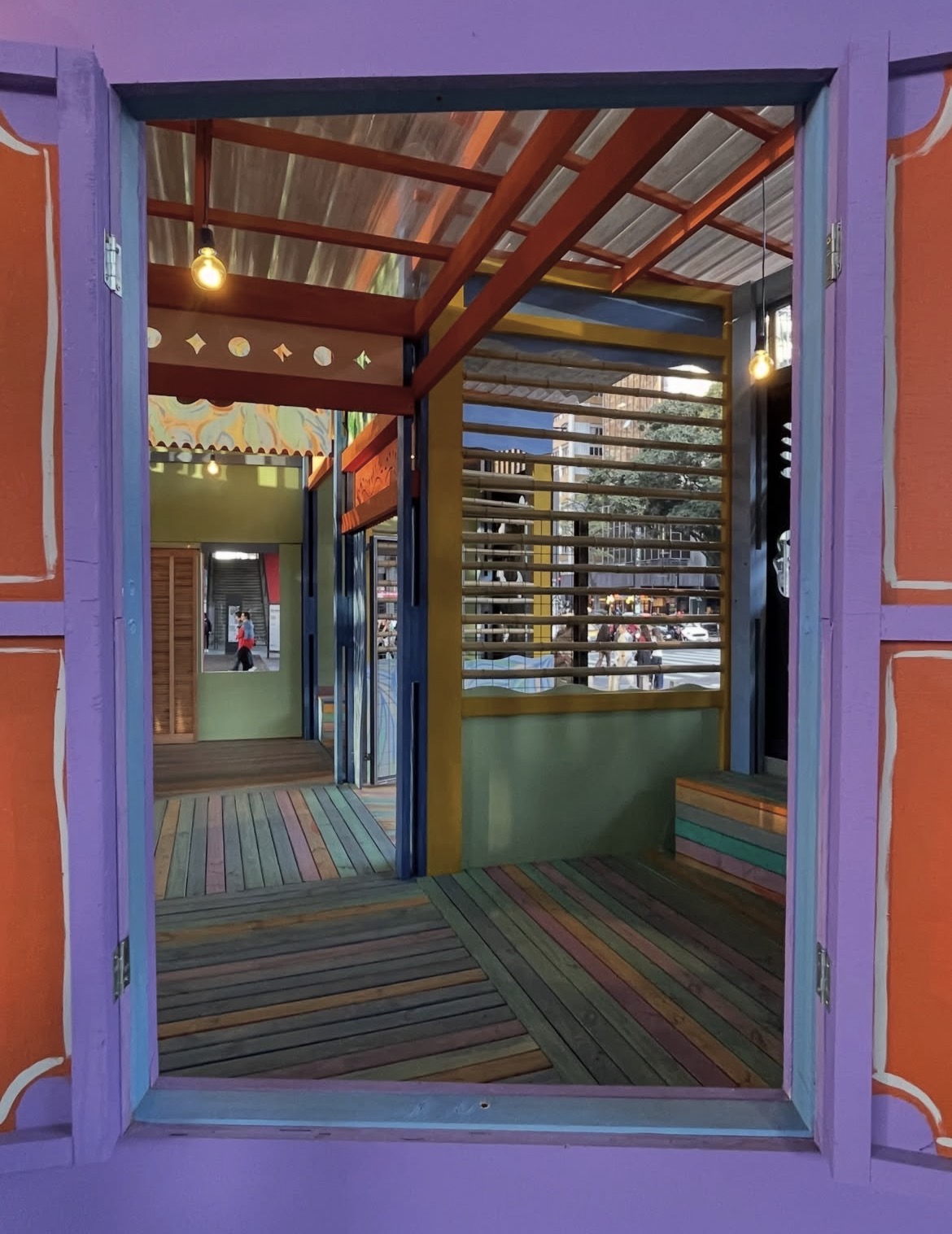
The project's name itself also connects with a common characteristic of Calero's work. Many of the titles of her pieces refer to female figures present in salsa songs, thus incorporating popular music as another way to explore Latin American memory and cultural imaginaries.
At MASP's Vão Livre, Casa María Lionza takes on a particularly significant dimension. The installation occupies a space conceived by Bo Bardi as an open and public place, and establishes a new dialogue between the museum's modernist architecture and the popular and vernacular forms that inspire Calero.

You may be
interested
...