Exhibitions
'Uhinak', the voices of women that take shape in the Basque Museum
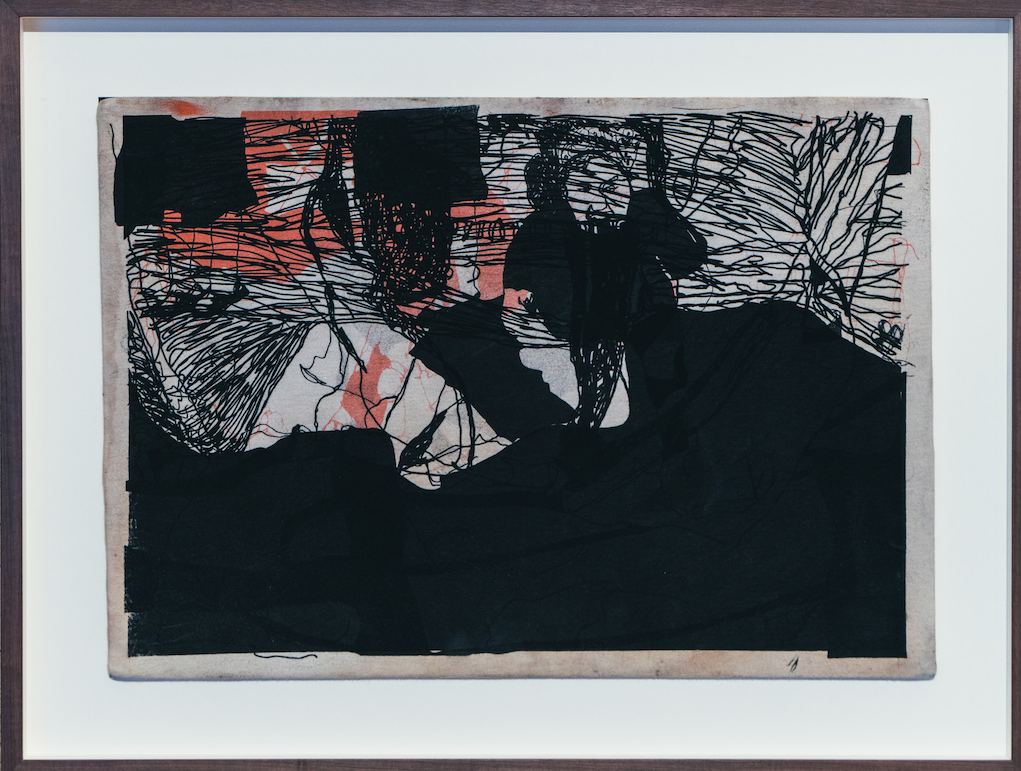
The Basque Museum Bilbao opens a new dialogue between heritage and contemporary creation with Uhinak , an exhibition by the artist Ra Asensi occupying the Kukula space in the Misericordia building. The exhibition, which runs from July 8 to December 28, 2026, stems from research focused on the memories of Basque women involved in ceramic production and water transport.
The title, Uhinak , means 'waves' or 'sound waves' in Basque and functions as a metaphor for the voices, memories, and stories that permeate the exhibition. Asensi transforms testimonies and silences into a sculptural installation composed of ceramic pieces inspired by the waves of the voice, creating a dialogue between what has been preserved in collective memory and the stories that have been relegated to the background.
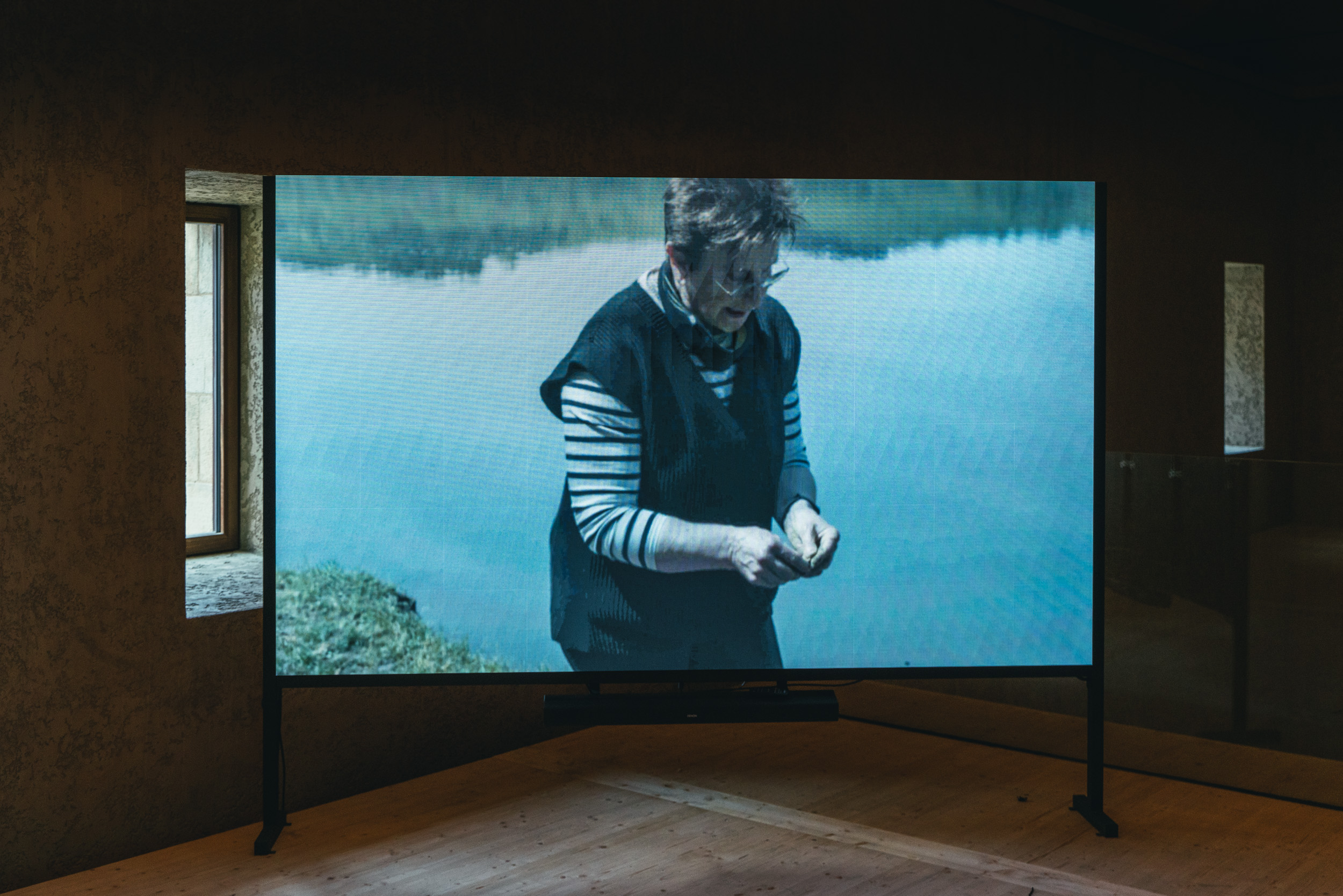
The project emerged from a process of listening and research, developed through interviews with former employees of Porcelanas Bidasoa and with Blanka Gómez de Segura, artisan and director of the Basque Pottery Museum. Their testimonies allow the artist to explore experiences related to work, ceramic production, and the transmission of knowledge, but also the silences that have accompanied much of these stories.
Using this material, Uhinak reflects on how memory is constructed and who is included or excluded from the narratives that shape cultural identity. Ceramics thus become a tool for recovering voices and transforming personal experiences into a physical presence within the exhibition space.
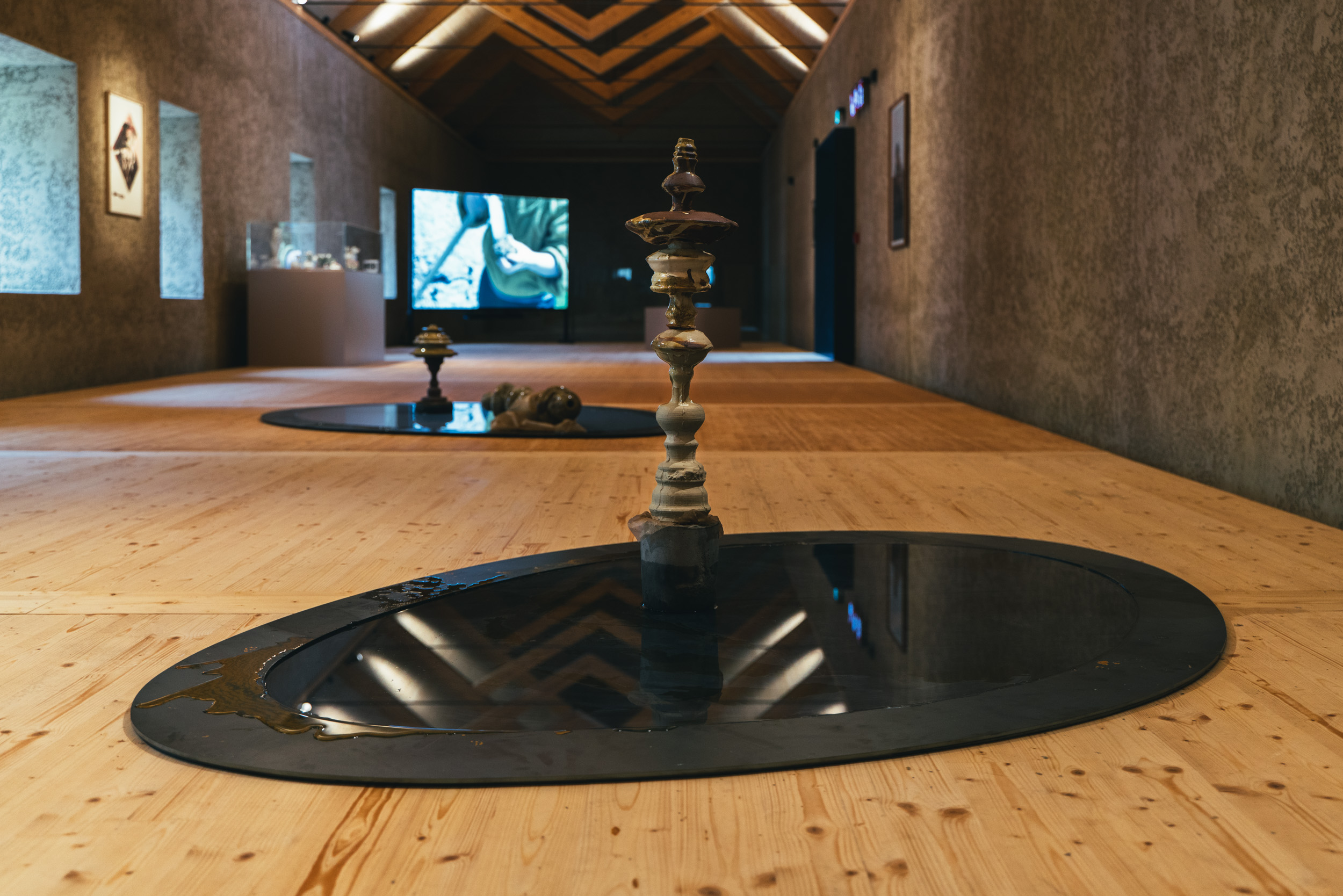
The installation consists of sculptures made of glazed stoneware with oxides, along with clay collected in Ollerías and effects produced using algae from the Cantabrian Sea. The pieces are arranged on weathering steel structures and accompanied by local water, incorporating elements directly linked to the territory.
The choice of these materials is not solely based on aesthetics. During the months the exhibition runs, the different materials will undergo a process of transformation, so that the installation will evolve over time. This change makes the piece a living, ever-evolving work, where memory is not static, but rather a construct capable of modification and acquiring new meanings.
The presence of clay, water, and algae also establishes a direct link with the landscape and with the materials that form part of Basque cultural history. In Asensi's hands, these traditional elements become tools for proposing a contemporary interpretation of heritage.
Uhinak aligns with the Euskal Museoa Bilbao's commitment to reinterpreting its collection from contemporary perspectives and forging new connections between the preserved heritage, contemporary society, and current artistic practices. Ra Asensi's proposal seeks not only to recover a chapter of Basque pottery tradition but also to raise new questions about memory, labor, gender, and the transmission of knowledge.
You may be
interested
...