Exhibitions
Miquel Torner de Semir, a bridge between tradition and modernity
Monalisi presents a selection of around thirty works by one of the outstanding names in contemporary Catalan painting.
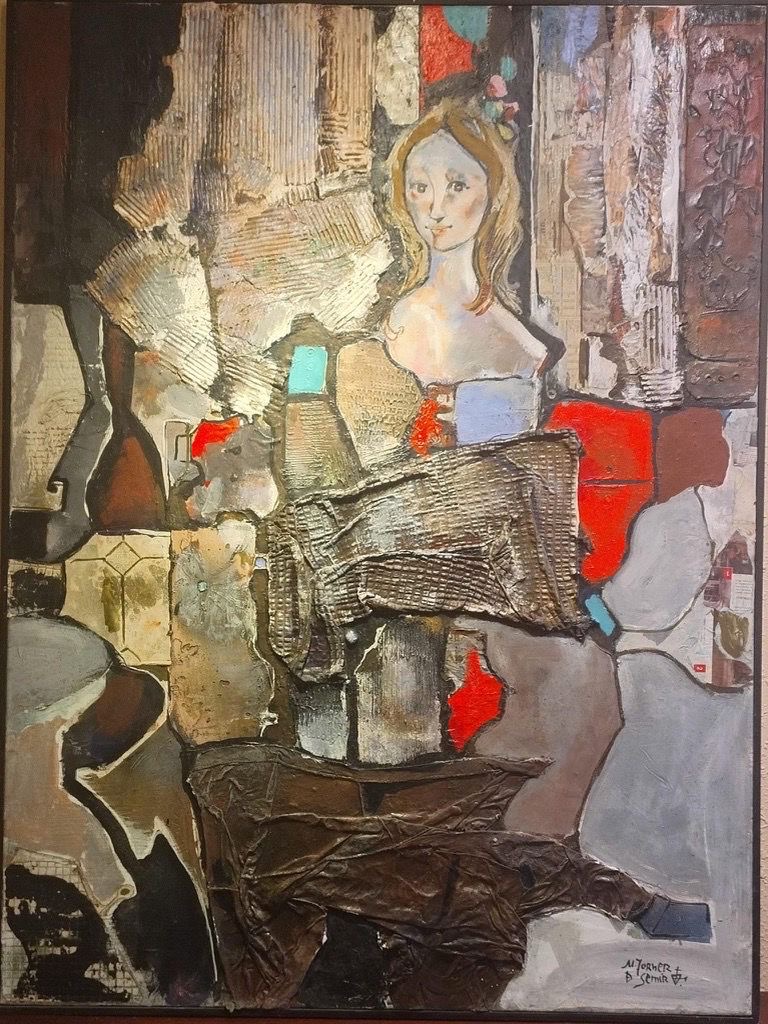
Miquel Torner de Semir's painting is born from a constant dialogue between eras. In his work, the heritage of Romanesque and Gothic, the light and structure of the Italian Renaissance and the plastic research of informal art and 20th-century abstraction coexist. A confluence that has allowed the artist to build, over decades, a figurative language of his own, recognizable and deeply linked to the Mediterranean tradition.
Born in Santa Pau, Girona, in 1938, and settled in Palamós, Torner de Semir trained at the Escola Superior de Belles Arts de Sant Jordi in Barcelona and the Escola de Sant Ferran in Madrid. From the beginning of his career, his work has been marked by the desire to explore the possibilities of painting without renouncing the legacy of the great masters of the past.
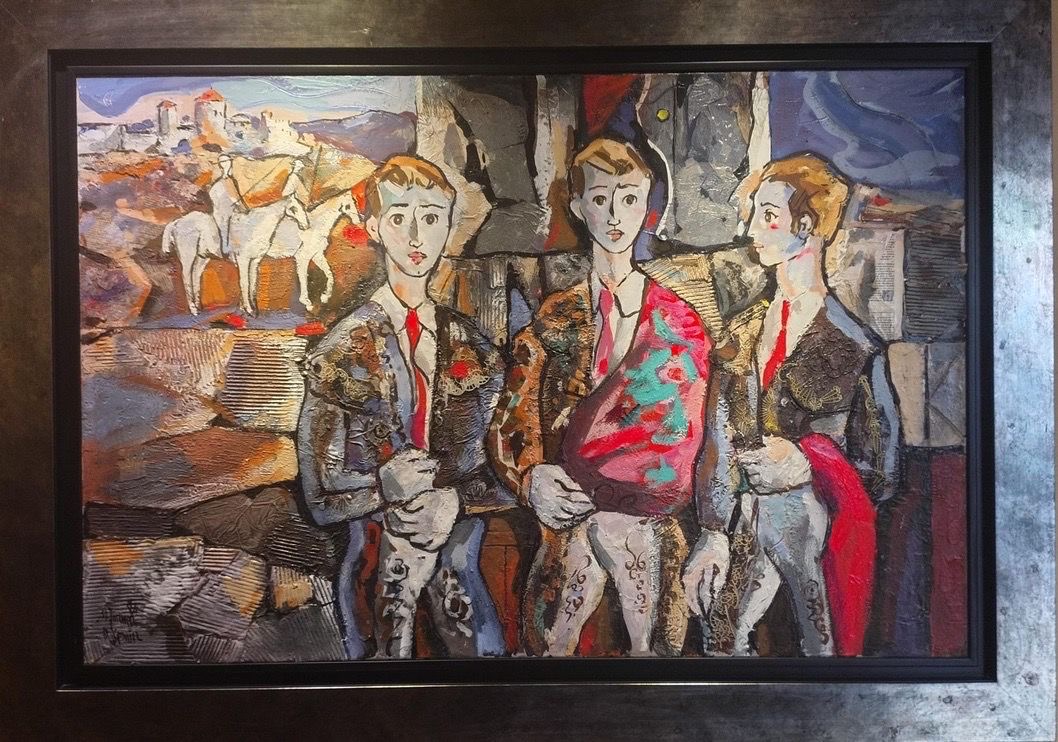
This view of history coexists with the influence of the post-war Catalan art scene. Torner de Semir maintained contact with the Dau al Set group and with artists such as Antoni Tàpies, Joan-Josep Tharrats and Modest Cuixart, fundamental figures in the renewal of Catalan art in the second half of the 20th century. However, his career cannot be strictly placed within a single movement, but in a position of his own, characterized by the ability to assimilate diverse influences and transform them into a personal proposal.
His painting thus participates in a current of Catalan creators who sought to renew figuration without completely breaking with tradition. In his case, the past does not appear as a repertoire of forms to be recovered, but as a living memory that can be reinterpreted from the contemporary. Romanesque, Gothic and Renaissance filter into his compositions alongside a modern sensibility, especially attentive to color, matter and the symbolic dimension of images.
The projection of his work has gone far beyond Catalonia. Throughout his career he has exhibited in Madrid, Paris —where he presented work at the Grand Palais— and in different European countries, as well as in the United States and Japan. His pieces are part of several museums and private collections, consolidating a trajectory of international dimension.
Among the most unique episodes of his career is the cataloguing of his work by the Royal Mint on the occasion of the commemoration of the 25th anniversary of the Spanish Constitution. One of his creations was also reproduced on a postage stamp, an unusual distinction for a contemporary artist.
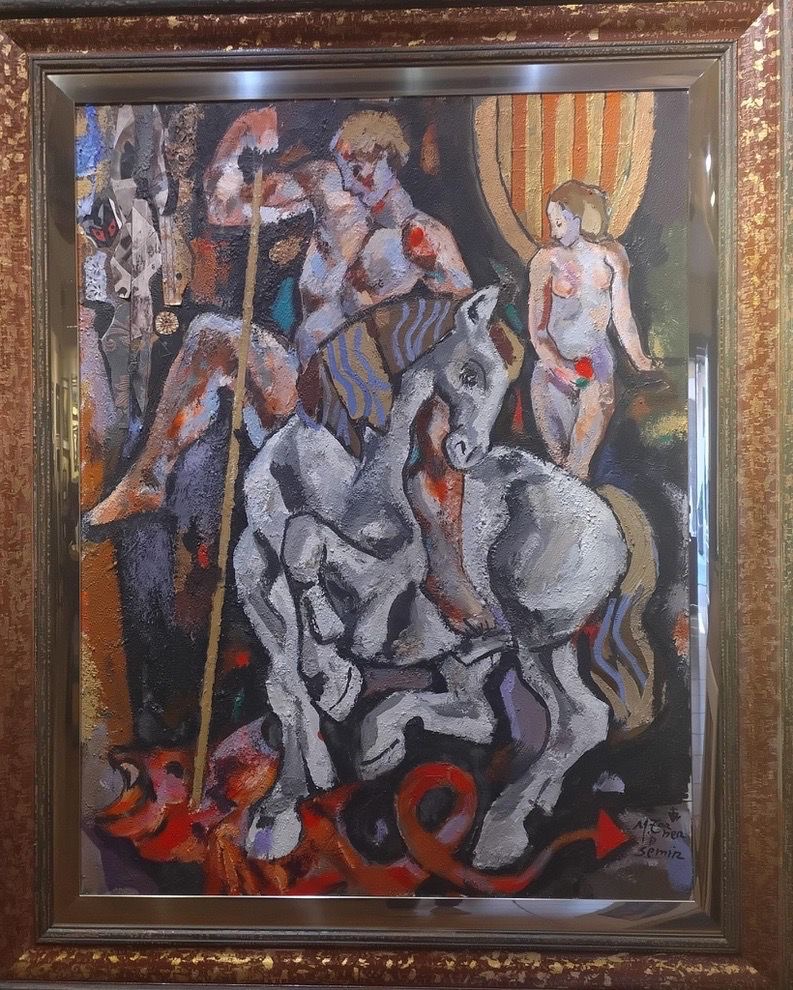
Torner de Semir has often claimed the figure of the painter as a bridge between different moments in the history of art. His work starts from the ancients, but does not remain in nostalgia. There is a permanent will to continue searching, to incorporate new stimuli and to keep painting open to the possibilities of the present.
In this sense, his production can be understood as a Mediterranean figuration with humanist roots, in which historical memory, color and visual spirituality merge. It is not a disruptive painting in the sense of the radical avant-gardes, but a coherent and personal proposal that has managed to find its own space within contemporary Catalan art.
This trajectory will be the protagonist of Monalisi's upcoming exhibition, which will present a selection of around thirty works by the artist. The exhibition will be open to the public from September 3 to October 24, 2026 and will allow visitors to follow the constants of a painting built on the encounter between past and present, tradition and experimentation.


You may be
interested
...