Exhibitions
I was born with the destiny of a rose: armor for a transforming identity
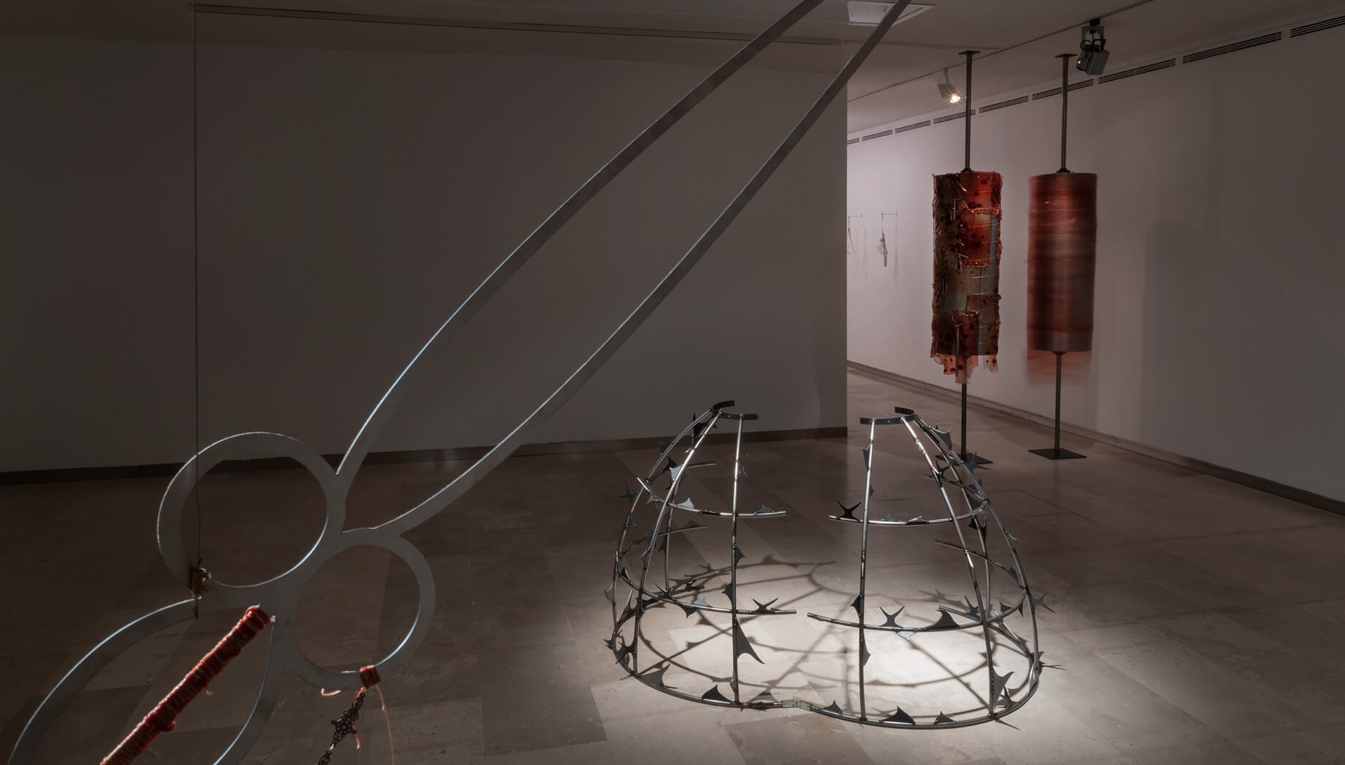
Room 5 of the DA2 Domus Artium is hosting "I Was Born with the Destiny of a Rose ," a project by Ali Arévalo selected in the 3rd Call for Support for Contemporary Artistic Creation. The exhibition offers a critical and poetic reinterpretation of one of the great archetypes of Western tradition: the medieval knight.
Far from reproducing the image of the hero protected by armor, Arévalo presents a different body, one marked by fragility, desire, and ambiguity. From a queer and non-binary perspective, the figure of the knight is transformed into an open territory where different temporalities, cultural references, and ways of understanding identity coexist.
The project establishes a dialogue between the narratives of Magical Girl and Shōjo manga and the revival of warrior maiden figures linked to the Salamanca and Castilian regions. From this encounter emerges a unique array of fragile armor: suits that do not seek to conceal the body's vulnerabilities, but rather to make them visible, transforming them into ornaments and reclaiming them as an essential part of identity.
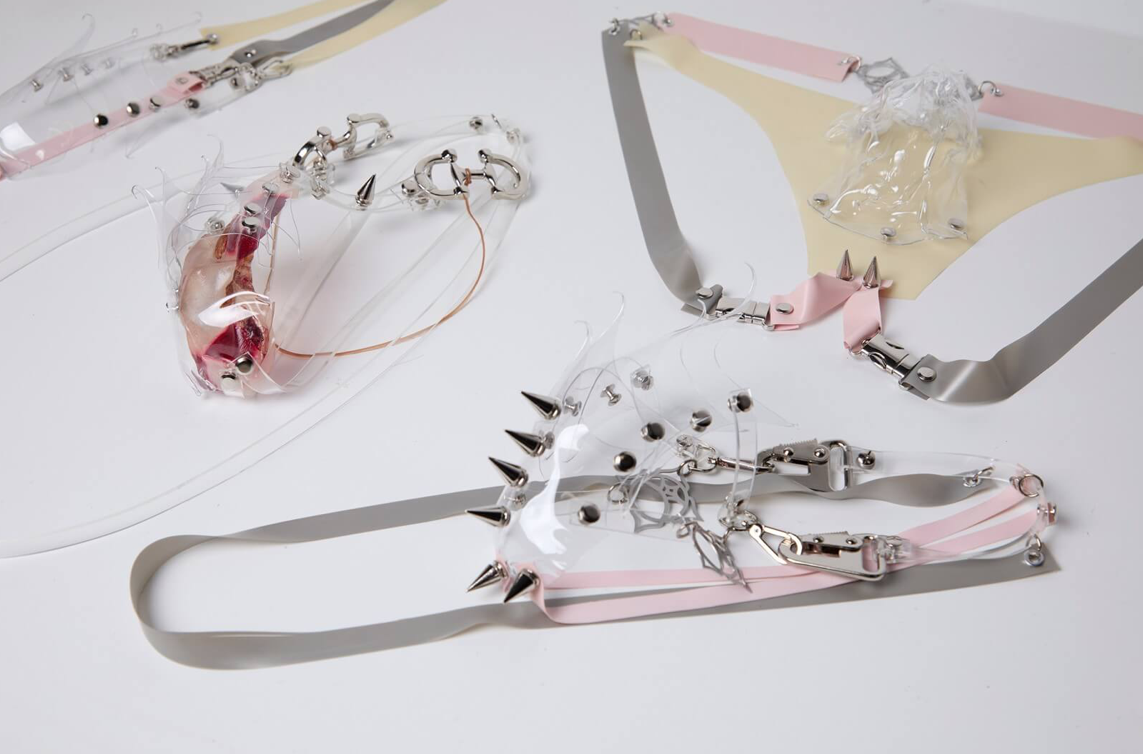
The exhibition thus constructs a trans-temporal aesthetic in which seemingly disparate imaginaries coexist. Medieval tradition, Japanese popular culture, and certain elements of Castilian dress intersect to question the historical meanings associated with the clothed body.
One of the project's fundamental aspects lies precisely in the materials. Rapidly decomposing biomaterials are combined with metallic structures, creating a contrast between the ephemeral and the permanent, the soft and the rigid, the vulnerable and the resilient. The tension between these qualities draws attention back to the skin and raises a question about what we understand by protection.
In Arévalo's works, armor ceases to function as a barrier. It becomes an extension of the body and, at the same time, a surface from which to explore other forms of identity. Fragility no longer appears as a weakness to be hidden, but as a condition that can be celebrated, adorned, and transformed.
Historical clothing is also subject to a process of displacement. Elements such as crinolines or the jewelry of the charro suit are reinterpreted and transformed into devices that can assume defensive functions. The artistic gesture consists not only of recovering objects from the past, but of opening them up to new interpretations and altering the associations that traditionally accompany them.
Hinges, buttonholes, keys, and doors pierce garments and objects, creating physical and symbolic openings. Each of these elements introduces the possibility of opening, closing, transforming, or crossing established boundaries. Clothing thus ceases to be merely a surface that adorns the body and becomes a space of negotiation between identity, memory, and representation.
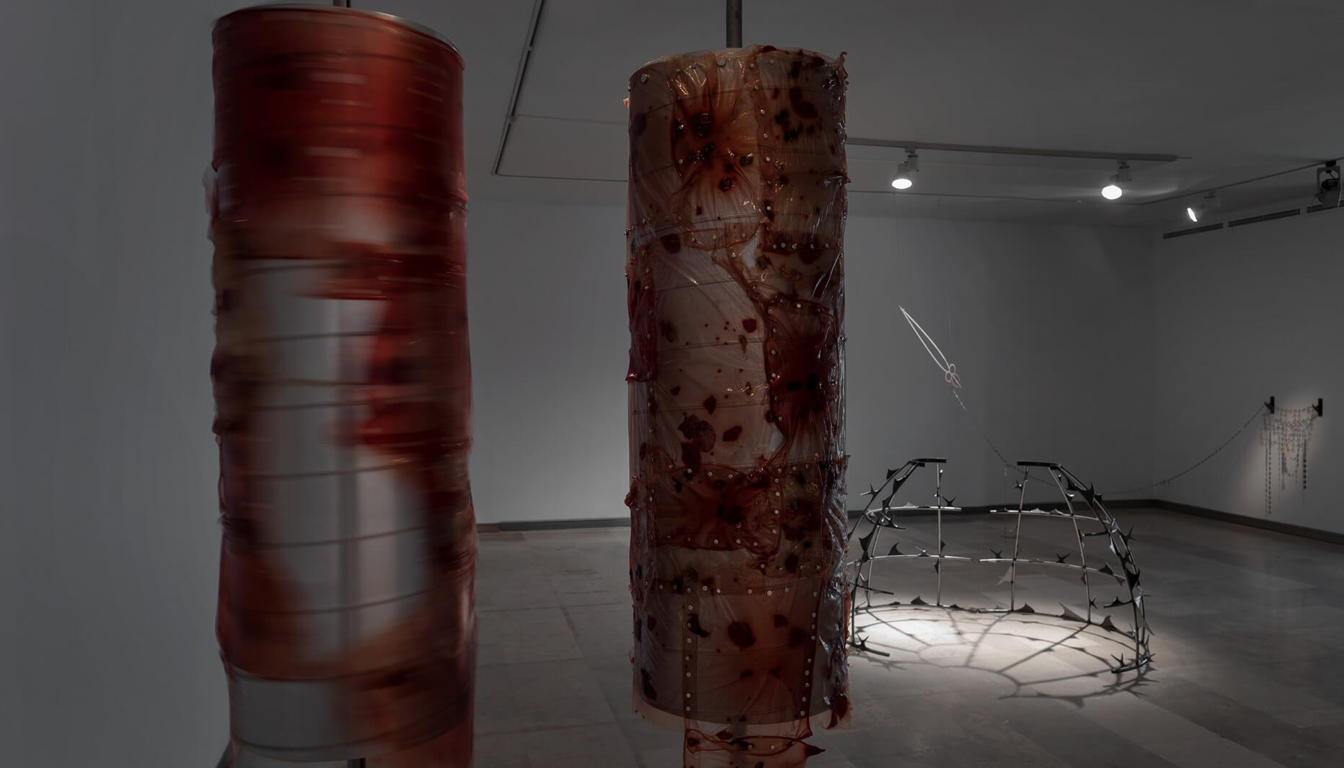
Born with the Destiny of a Rose ultimately poses a reflection on the possibility of dismantling inherited codes in order to reconstruct them from different perspectives and sensibilities. Ali Arévalo transforms armor into a metaphor for that which simultaneously protects and exposes, proposing a perspective in which the delicate, the mutable, and the fragile cease to occupy a secondary place.
The exhibition will remain open in Room 5 of the DA2 Domus Artium until October 4, 2026, as an invitation to revisit images of the past and ask what bodies can occupy today the spaces traditionally reserved for the hero, the warrior, and the knight.

You may be
interested
...