Exhibitions
Cotton, iron, milk and gunpowder review the memory of Cardedeu
An exhibition that transforms the museum into an open space of memory, work and identity through the objects and voices of the town.
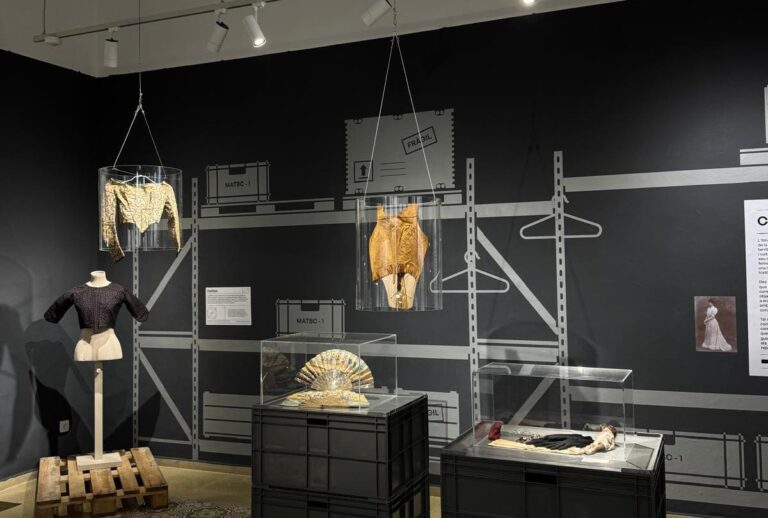
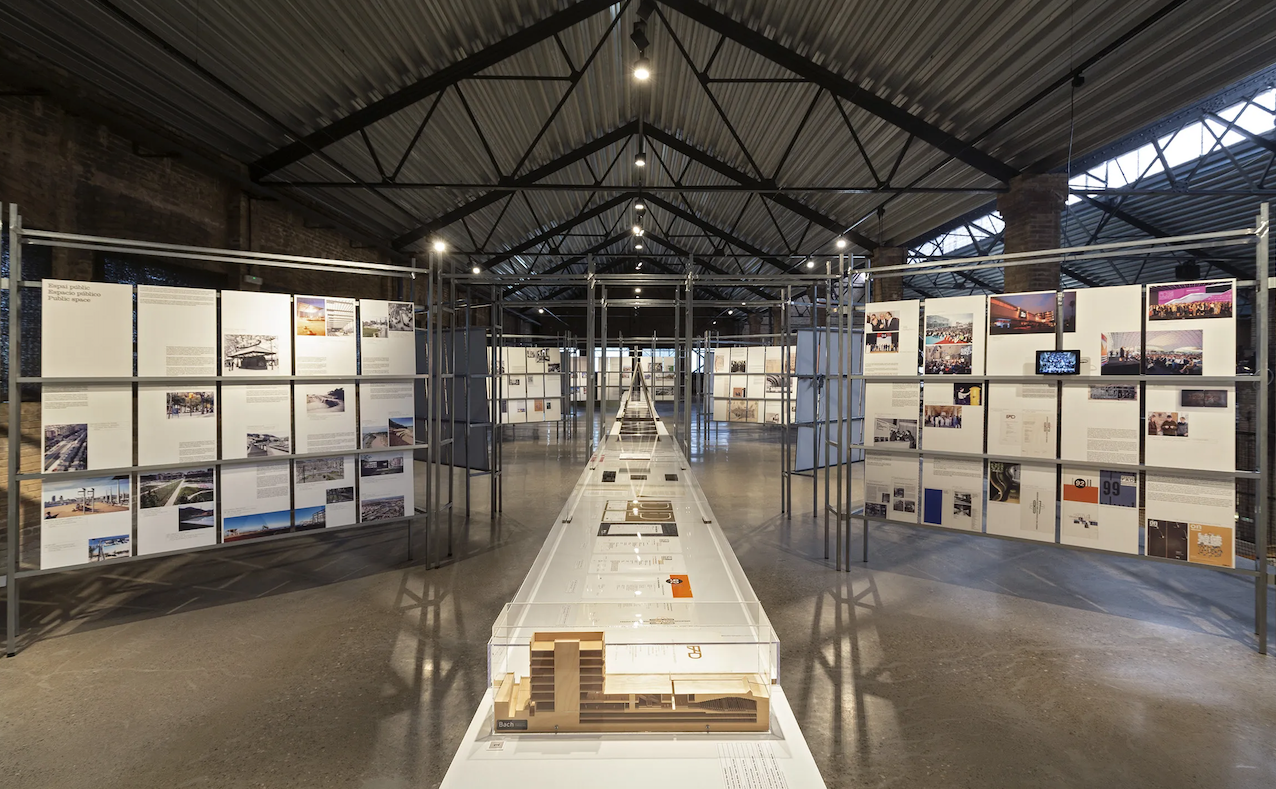
The Tomàs Balvey Archive Museum in Cardedeu proposes a new look at its own heritage with an exhibition that turns objects into witnesses to often silenced stories. Cotton, iron, milk and gunpowder presents the museum as a suspended space, almost like an open warehouse, where each piece ceases to be a simply preserved element to become a question about the past and the ways in which it has constructed collective memory.
Curated by Judith Méndez, the exhibition articulates a journey that brings together objects, materials and experiences linked to the daily life of Cardedeu. Cotton, iron, milk and gunpowder function as the common threads of a story that addresses issues such as the construction of femininity, the privileges of the bourgeoisie, colonial exploitation, motherhood and women's work.
The tour begins with Flesh, corset and fiction. The cotton cage, an area that invites us to observe how certain objects and representations have historically contributed to defining ideals of femininity. The corset, the dress and other elements associated with the female body are presented as instruments of a social construction that goes far beyond the domestic sphere.
Iron refers to the productive and industrial world; milk, to maternity, care and reproductive tasks; while gunpowder introduces the dimension of industry and work. Together, these materials allow us to approach the weight that women's labor and domestic work has had in the construction of the community.
One of the axes of the proposal is precisely the desire to confront institutional history with those experiences that have traditionally been left in the background. The story questions the image of progress and bourgeois privilege and also points out its connections with the processes of colonial exploitation, while recovering the hardships of motherhood and the living and working conditions of many women in Cardedeu.
The project is completed with Noves vies , an installation by the artist Valentina Gaia Lops, created in 2025. The piece introduces the word and direct participation into the museum space and turns a typewriter into a collective memory device.
Each keystroke transforms the letters into sounds linked to Cardedeu and the participatory workshops developed before the opening of the exhibition. Through an immersive audio system, these voices and sounds expand throughout the room and establish a relationship between individual experience, territory and shared memory.
The work also draws on Lops' experience with synesthesia, the involuntary crossing of different senses. This sensory dimension allows us to ask questions about how we perceive the places we inhabit and how personal memories can form part of a much larger archive.
You may be
interested
...