News
Jessica Morgan returns to Tate to lead a new era
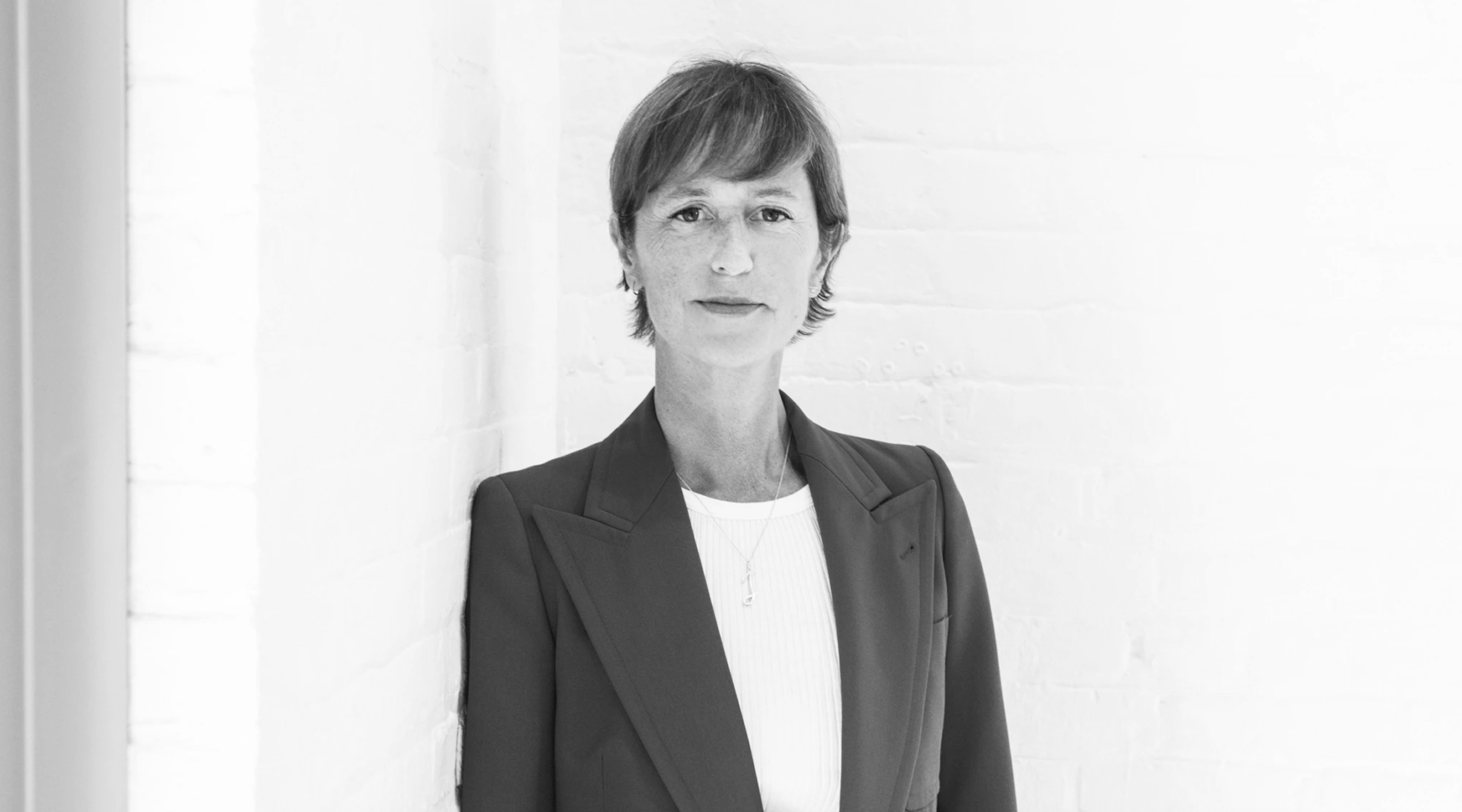
British art historian and curator Jessica Morgan has been appointed the new director of Tate, a decision that marks the return of a figure closely associated with the institution and opens a new chapter for one of the world's leading centers for modern and contemporary art. Morgan will officially take up the post on January 1, 2027, succeeding Maria Balshaw, who stepped down this spring after nine years at the helm.
The appointment comes at a particularly significant time for Tate, which faces major economic and organizational challenges following the effects of the pandemic, as well as the need to boost staff morale and consolidate the recovery of visitor numbers at its four UK locations.
Morgan currently directs the Dia Art Foundation in New York, an institution she joined in 2015 and where she has spearheaded a profound transformation. Under her leadership, Dia has strengthened its commissioned art program, expanded its collection, and consolidated the management of major permanent installations in the United States and Germany, in addition to bolstering its fundraising capacity.
Her appointment to Tate also represents a significant financial shift. According to Dia Art Foundation's tax records, Morgan received a salary of approximately $814,000 (over £600,000) in 2025, well above Maria Balshaw's salary at Tate, which ranged between £220,000 and £225,000 annually. Tate Chairman Roland Rudd acknowledged that the incoming director will accept a "significant pay cut" to take the position, assuring that the institution has offered the maximum compensation possible within its constraints.
Rudd also highlighted Morgan's ability to lead transformation processes without losing the support of her teams. "She's a change agent who knows how to bring people along with her," he stated, emphasizing the work she has done at Dia over the past decade.
Morgan is no stranger to Tate. Between 2002 and 2014, she held various curatorial positions at the institution, serving as Curator of International Art from 2010 to 2014. That experience, she has explained, profoundly influenced her professional career and her subsequent work in the United States.
"It is an immense privilege to have been chosen by the board of trustees to lead Tate," she said after the appointment was announced. The historian described the institution as "the world's leading reference point for international modern and contemporary art and for British art" and affirmed that she faces this new phase with the aim of continuing to place "artists and the public at the heart" of the museum's activities.
Before joining Tate, Morgan developed her career at major American institutions. She was a curator at the Museum of Contemporary Art Chicago and later chief curator at the Institute of Contemporary Art in Boston. Her academic background includes a bachelor's and a master's degree in Art History from the University of Cambridge, a master's degree from the Courtauld Institute of Art, and research fellowships at the Yale Center for British Art and the Fogg Art Museum at Harvard University.
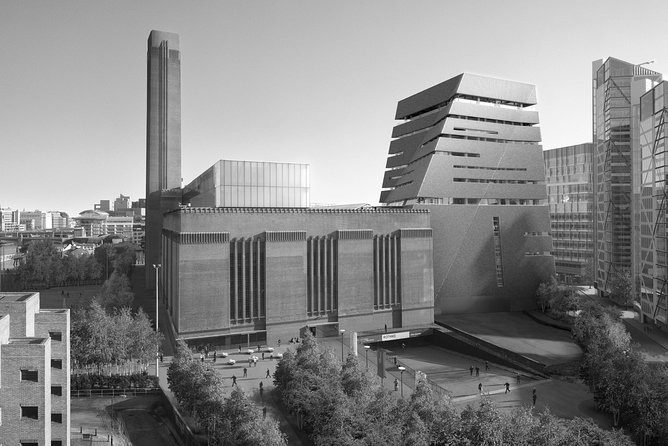
Her arrival coincides with a period of transition for Tate. After several years marked by internal restructuring and tensions stemming from the financial situation, the institution has regained some of its momentum thanks to the success of exhibitions such as the major retrospective dedicated to Tracey Emin, the Frida Kahlo exhibition, which reached record visitor numbers, and the acclaimed Ana Mendieta exhibition at Tate Modern.
One of the first major milestones of Jessica Morgan's term will be the reopening of Tate Liverpool, scheduled for the end of 2027, a project destined to symbolize the beginning of a new era for an institution seeking to redefine its role within the international art scene.



You may be
interested
...