Exhibitions
Acció Portabella: a global cultural constellation to celebrate the centenary of an irreducible filmmaker
The international program dedicated to Pere Portabella is expanded with a simultaneous action in cinemas around the world, a retrospective at MoMA in 2027 and new exhibitions, screenings and interventions promoted by major cultural institutions.
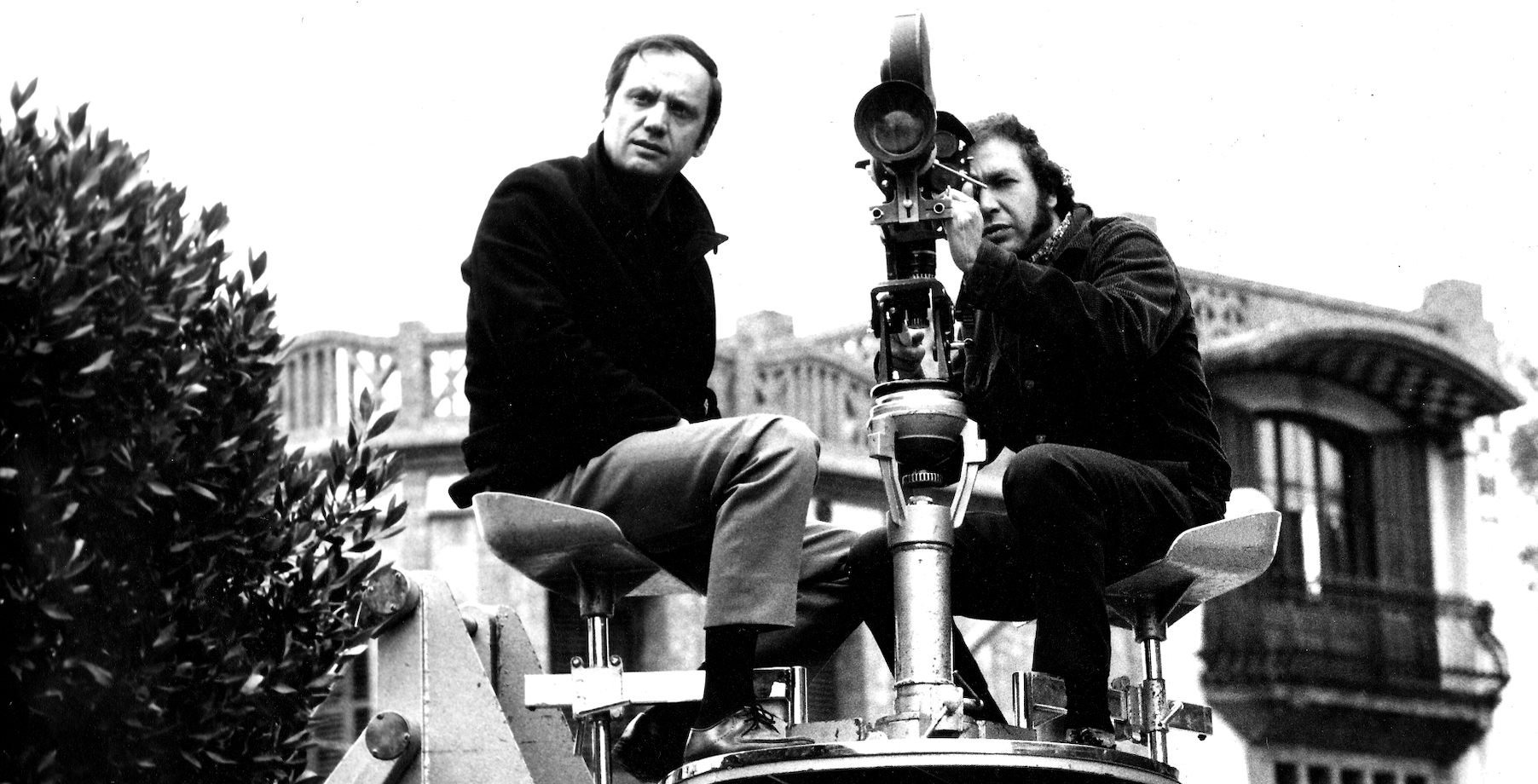
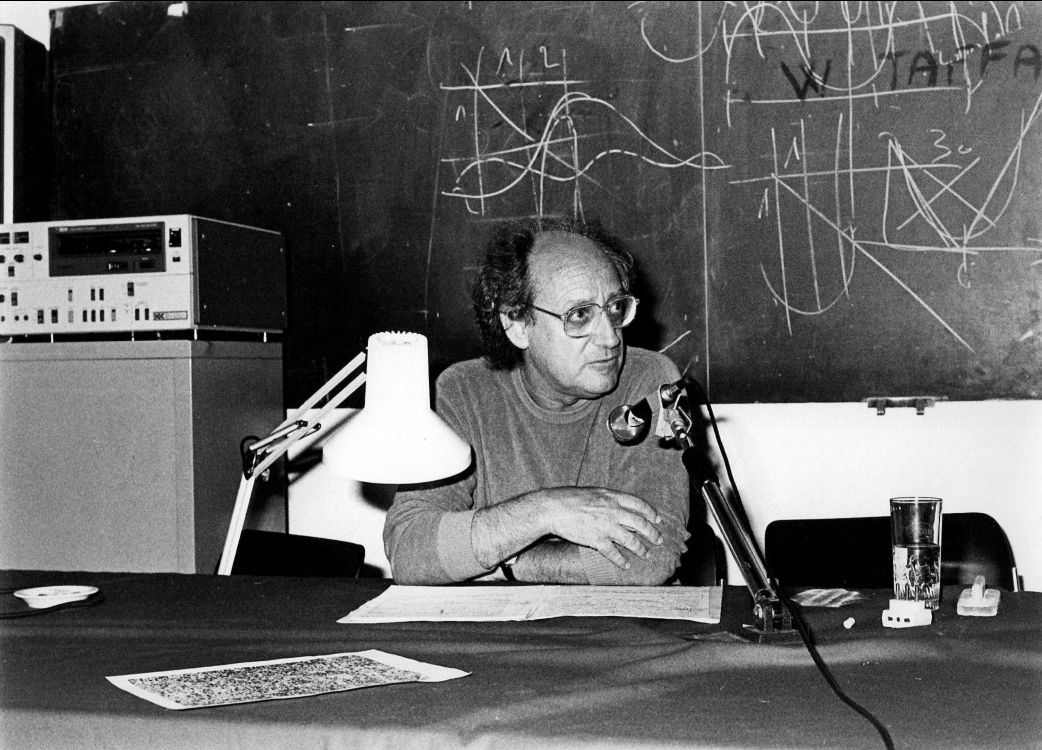
The commemoration of the centenary of Pere Portabella (Figueres, 1927) continues to gain scale, involvement and international projection. Promoted by the Generalitat de Catalunya and the Ministry of Culture, through the Filmoteca de Catalunya and the Filmoteca Española, the Acció Portabella initiative is consolidating itself as one of the major cultural operations of the years 2026 and 2027, with a lively, expansive and constantly transforming program that already brings together more than a hundred cultural institutions from nearly thirty countries in Europe, Asia, North and South America, Africa and Oceania.
Presented last January, the program is now reinforced with new additions and actions that expand the scope of this tribute to a key figure in Catalan cinema, contemporary art and political activism. Far from being conceived as a closed or strictly retrospective commemoration, Acció Portabella has been conceived as an organism in motion: a network of institutions, creators and spaces of thought that reactivate Portabella's work and legacy from diverse perspectives, with the aim of extending its vital, political and artistic impetus.
One of the central moments of the program will come on February 11, 2027, coinciding with the 100th anniversary of the filmmaker's birth. Under the title Shared global gesture , a collective action is being prepared that will connect cinemas and film clubs around the world through the screening of a film by Pere Portabella. The proposal aims to function as a choral gesture of mutual recognition between the filmmaker's work and the work of the cinemas and exhibition spaces that have contributed to keeping a radical, free and experimental cinema alive. The day will also coincide with the inauguration of exhibitions and activities at both the Filmoteca de Catalunya and the Filmoteca Española.
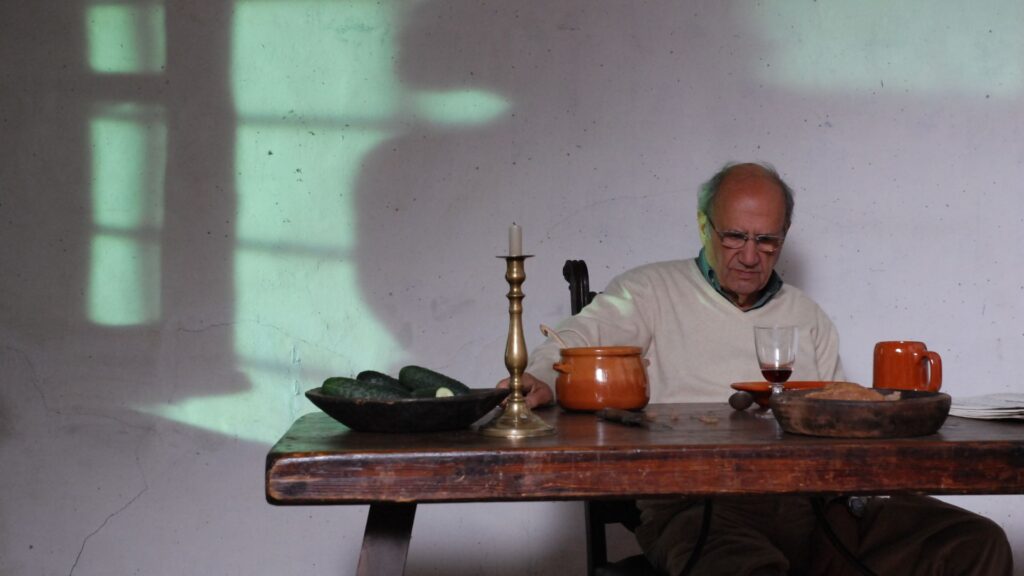
Precisely, the Filmoteca de Catalunya will play a central role in this celebration. On February 11, 2027, it will inaugurate an exhibition of its own production that, based on unpublished materials from the Portabella archive, will propose a reflection on the filmmaker's working method. The institution, depository of its film and documentary archive, is a fundamental piece in the conservation, documentation and accessibility of its legacy. The work of research, restoration and digitization of films and documents will be carried out throughout 2026 and 2027, both in its own programs and in collaboration with other entities participating in the project.
The other major international milestone will come in the fall of 2027, when the Museum of Modern Art (MoMA) in New York will dedicate a retrospective to Pere Portabella that will put the finishing touch to the program. It will be the second retrospective that the New York museum has organized for the Catalan filmmaker in twenty years, a fact that confirms the sustained relevance of his work on the international scene. MoMA has, in fact, been a decisive agent in the global circulation of Portabella's cinema and in its positioning within the field of contemporary art, and this new review reinforces his status as a reference figure beyond strictly cinematic frameworks.
But Acció Portabella is not limited to these two major events. The project extends as a true cultural constellation that brings together film libraries, museums, universities, cinemas, political reflection foundations, academies, associations, centers of contemporary thought and alternative circuits. In many cases, these partnerships have led to unprecedented collaborations between institutions that had never worked together before, generating new forms of cultural cooperation and networking, both nationally and internationally.
Among the outstanding activities of the coming months is also a highly symbolic action that will take place this July at La Model, co-produced by the MACBA Museum of Contemporary Art of Barcelona and the Grec Festival. The musical proposal revisits the arrest and imprisonment of Pere Portabella and Carles Santos in 1973, and connects political memory, artistic experimentation and a rereading of the past from the present.
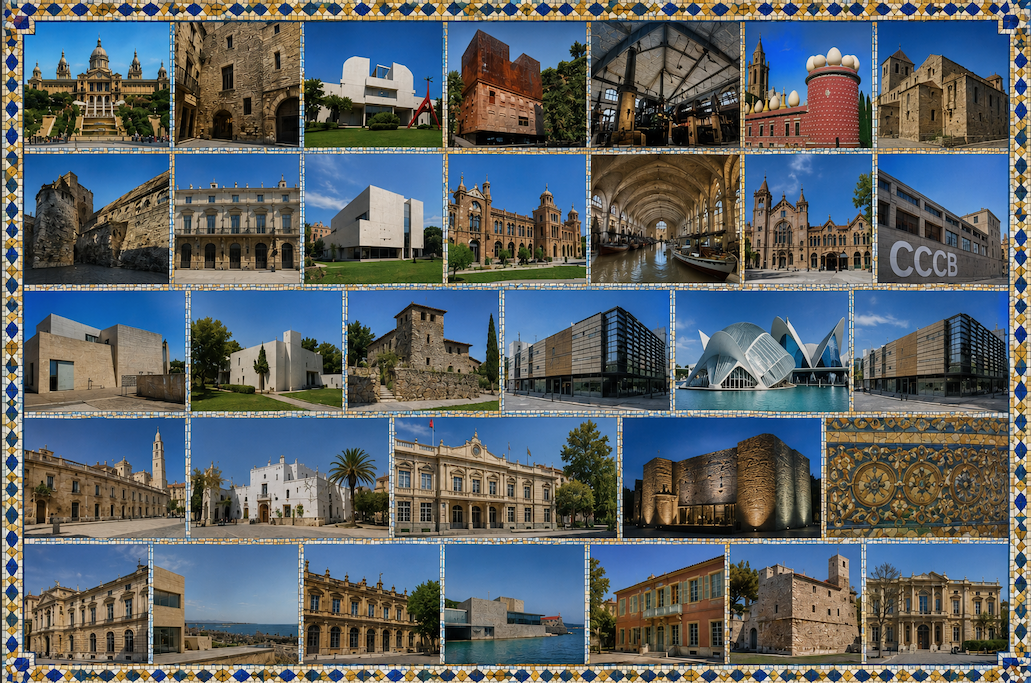
Other prominent institutions, such as the CCCB, the Tàpies Museum and the Reina Sofía Museum, are also joining this agenda, preparing various exhibitions, screening cycles and debates linked to the filmmaker's career and creative universe. Each driving center defines its own strategy and way of approaching Portabella, which turns the program into a succession of relays, readings and activations that will unfold over the two years of commemoration.
The calendar of activities can be consulted through an interactive website that connects participating agents, actions and initiatives programmed around the world. More than a simple information space, this platform functions as an expanding cartography of Portabella's legacy and its capacity to resonate with other authors, artists, thinkers and activists of thought and action.
You may be
interested
...