Exhibitions
'Duván-Made in Catalonia' until July 26 at Benedormiens Castle
The artist presents a proposal that dialogues with nature, identity and the human condition, complemented by literary activities and a new public sculpture in Vila-sacra.
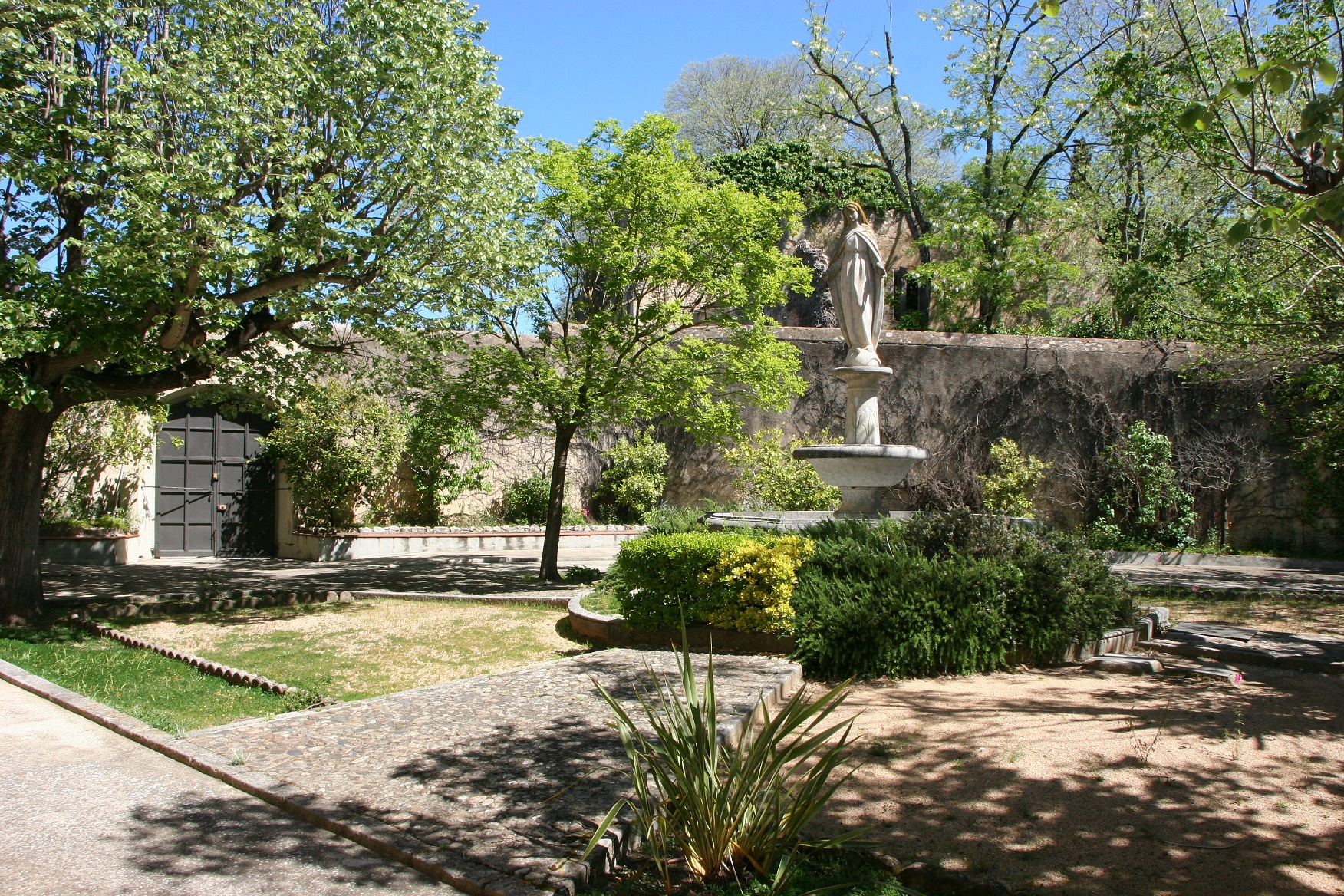
Until July 26, the Castell de Benedormiens in Castell d'Aro is hosting the exhibition of drawings and paintings by Duván López (Quimbaya, Colombia, 1954), Duván-Made in Catalonia . This exhibition by Duván, both at the Castell de Benedormiens and at the Parc dels Estanys, is a journey that begins on the earth, with sculptures that emerge from the ground; it passes through the jungle, crosses faces, looks, symbols and memories, and ends up returning us to a place that perhaps we did not expect: ourselves.
According to art historian Víctor López Moya, "this exhibition is exterior because it first takes us to a terrain where the sculptures are rooted in the earth, dialogue with the trees, with the water, with the air that crosses their gaps and, above all, with us. The game continues inside, with paintings that lead us to equally symbolic spaces and that propose a very personal way of conceiving life, relationships and the world in general. In both cases, what Duván proposes is an exercise of the gaze that involves examining the details to see ourselves and question ourselves."
In the exhibition presented at Benedormiens Castle, the installation Biophilia should be highlighted, which is a room where the presence of the forest is intended to be invoked.
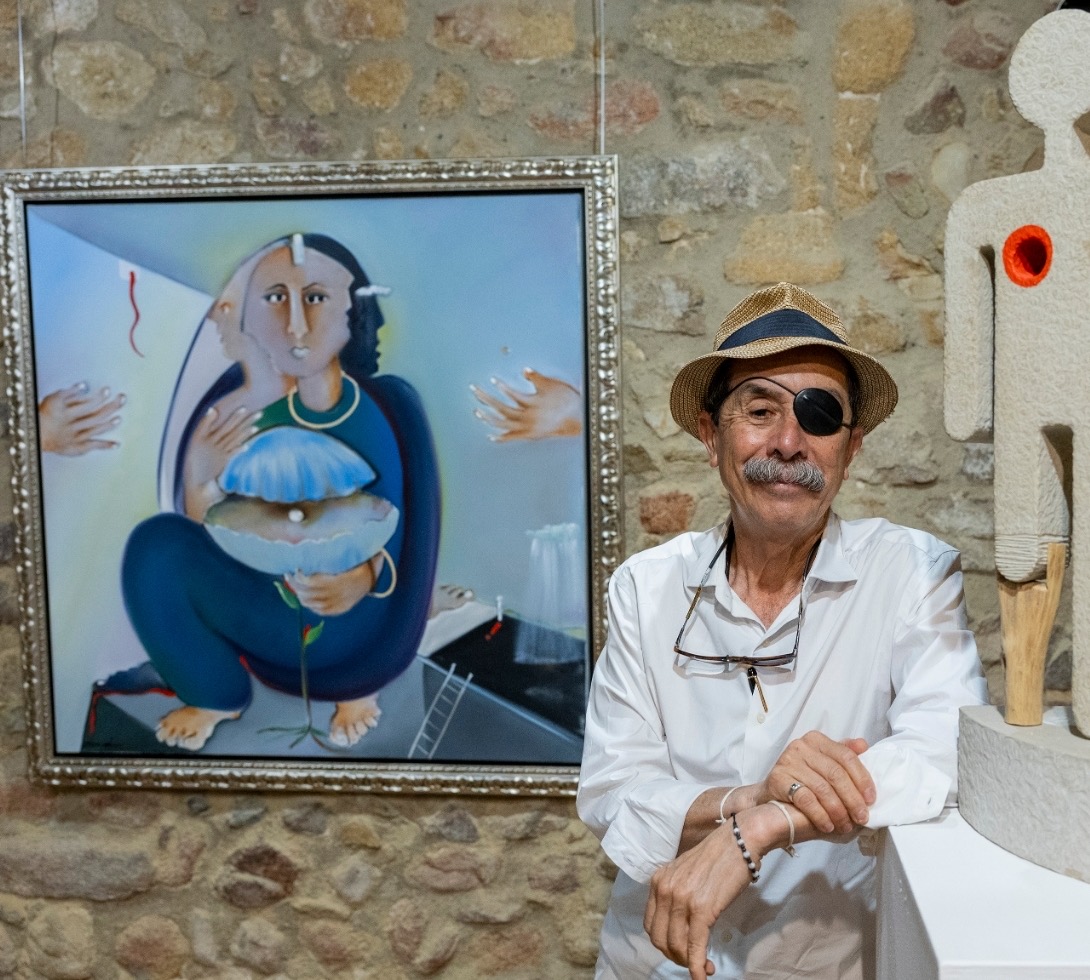
For Duván, the jungle is a sacred space, but also an environment devastated by history, exploitation and violence. Duván does not cite this cultural deposit, but his work is permeated by this memory that invokes biophilia. The term biophilia is only the title of the work, but rather defines the love of life and the human tendency to seek connection with other forms of life and other presences, even if these have a plastic dimension. Therefore, the artist does not show us nature as something to contemplate, but as something to inhabit.
Regarding the series of paintings exhibited, reverberations of Fauvism can be seen in the use of color, but also echoes of Cubism in the fragmentation of essential forms and in the primary colors that the artist uses in some of his kinetic sculptures that can be seen in his Besalú studio.
It is worth mentioning the work Olímpia , in which the artist takes an iconic image from the history of Western art. Alongside this work of European tradition, there are pieces that speak directly of his native continent, such as the work América . Another outstanding work is Dandy , which represents glamour, charisma and, above all, the construction of an image.
In Duván's paintings we can appreciate the predominance of figures with more than one face, such as in the works Qué esperan de mí , Enigman or El profeta , which can be faces of different colors or contrasting ones, but they always tell us about the complexity of identity; that is, we are not one thing, we are, at the same time, what we show and what we hide, or what we would like to be and what we fear to be.
On the other hand, the work Sinapsis brings us closer to the artist's idea of pictorial abstraction, although it is not abstract at all.
Other outstanding works are Kaleidoscopio pez , which is an exercise that shows us pictorially that the world is cyclical and in constant transformation, and that nothing is fixed and everything can turn upside down in a second.
For her part, neuroaesthetics researcher and founder of The Wellbeing Planet, Koncha Pinós, explains that her relationship with Duván began a decade ago, when they began a dialogue about the relationship between art, perception and nature. According to Pinós, "this dialogue gave rise to a broader investigation that we have developed within the framework of Biofilia y Arte (Biophilia and Art), which is a project that explores how artistic forms inspired by nature affect the perceptual, emotional and cognitive experience of those who contemplate it", and points out that "in this context, López's painting has been a privileged field of observation. His series of jungles and forests have shown how certain organic patterns -density, repetition, fractality- generate in the viewer a simultaneous sensation of expansion and refuge. Nature appears in his canvases as a space of perceptual reorganization".
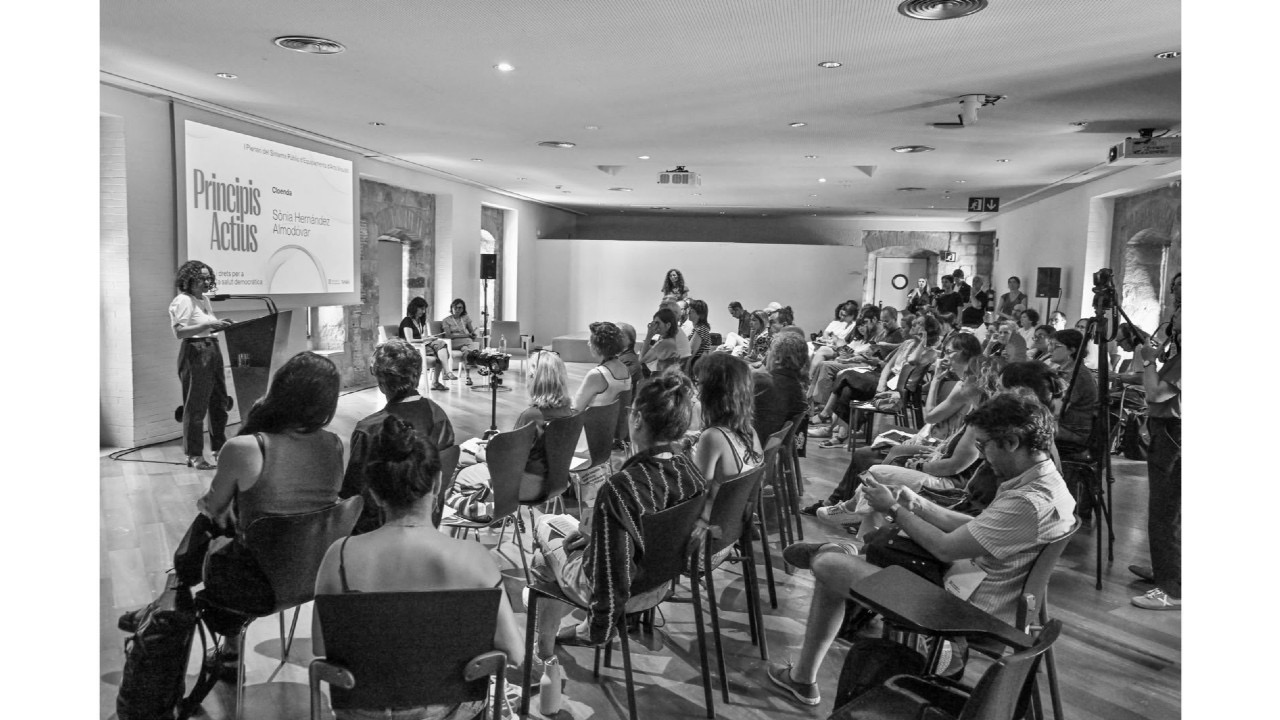
Within the framework of Duván's exhibition, next Saturday, July 4, at 6:30 p.m., the presentation of Koncha Pinós' book Biophilia y Arte, la naturaleza como inspiración will be held, by the author herself and with the presence of López.
The presentation of the book Soliloquis by Duván. When the eye thinks , published by Trípode, has also been scheduled for July 22, at 6:30 p.m., at the Mercè Rodoreda Library in Platja d'Aro.
Inauguration of the new sculpture in Vila-sacra
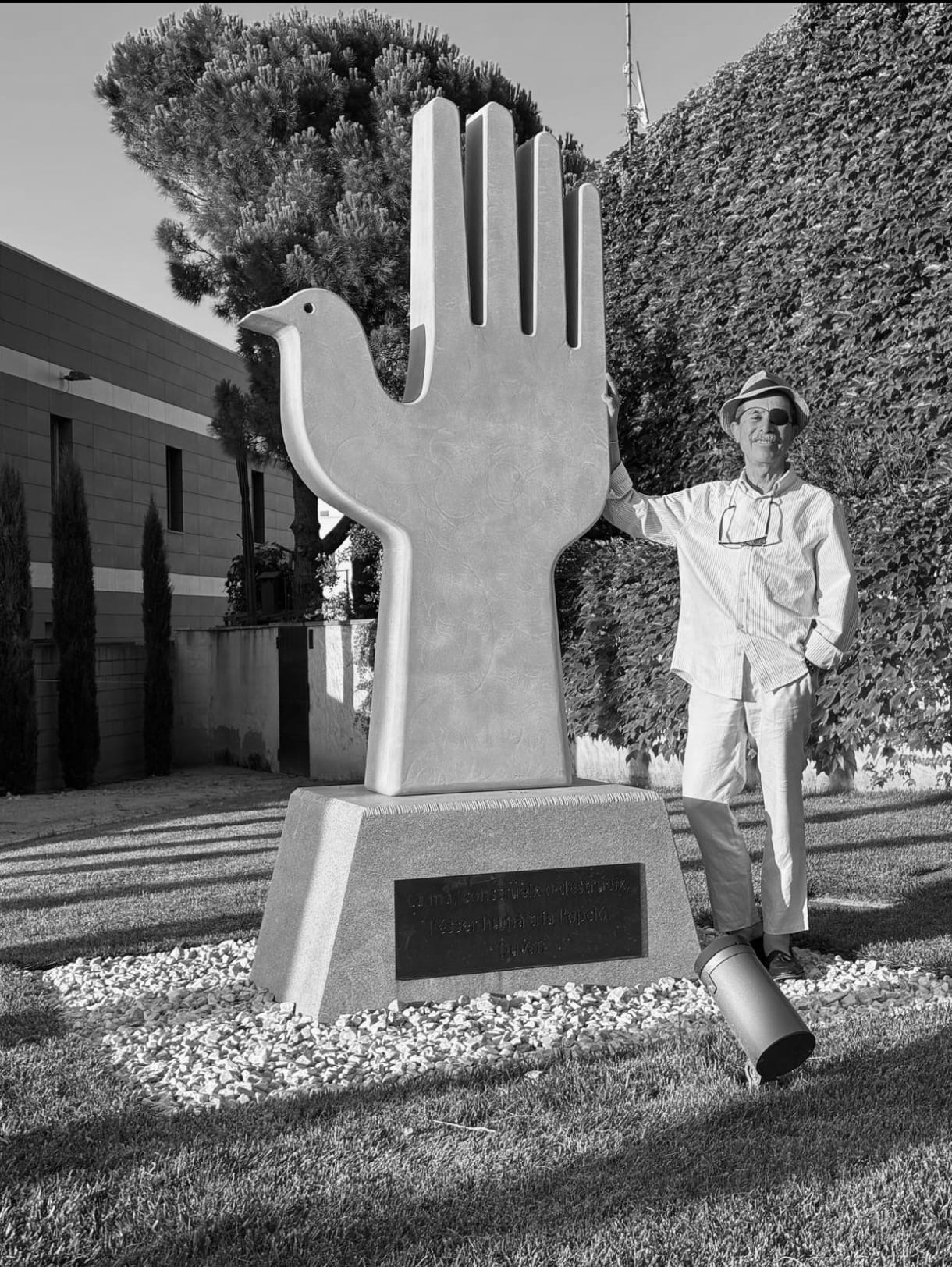
This past Saturday, June 27, the presentation of Duván's new sculpture, associated with a message about peace and the human condition, entitled The hand builds and destroys; the human being chooses the option , took place in the municipality of Vila-sacra.
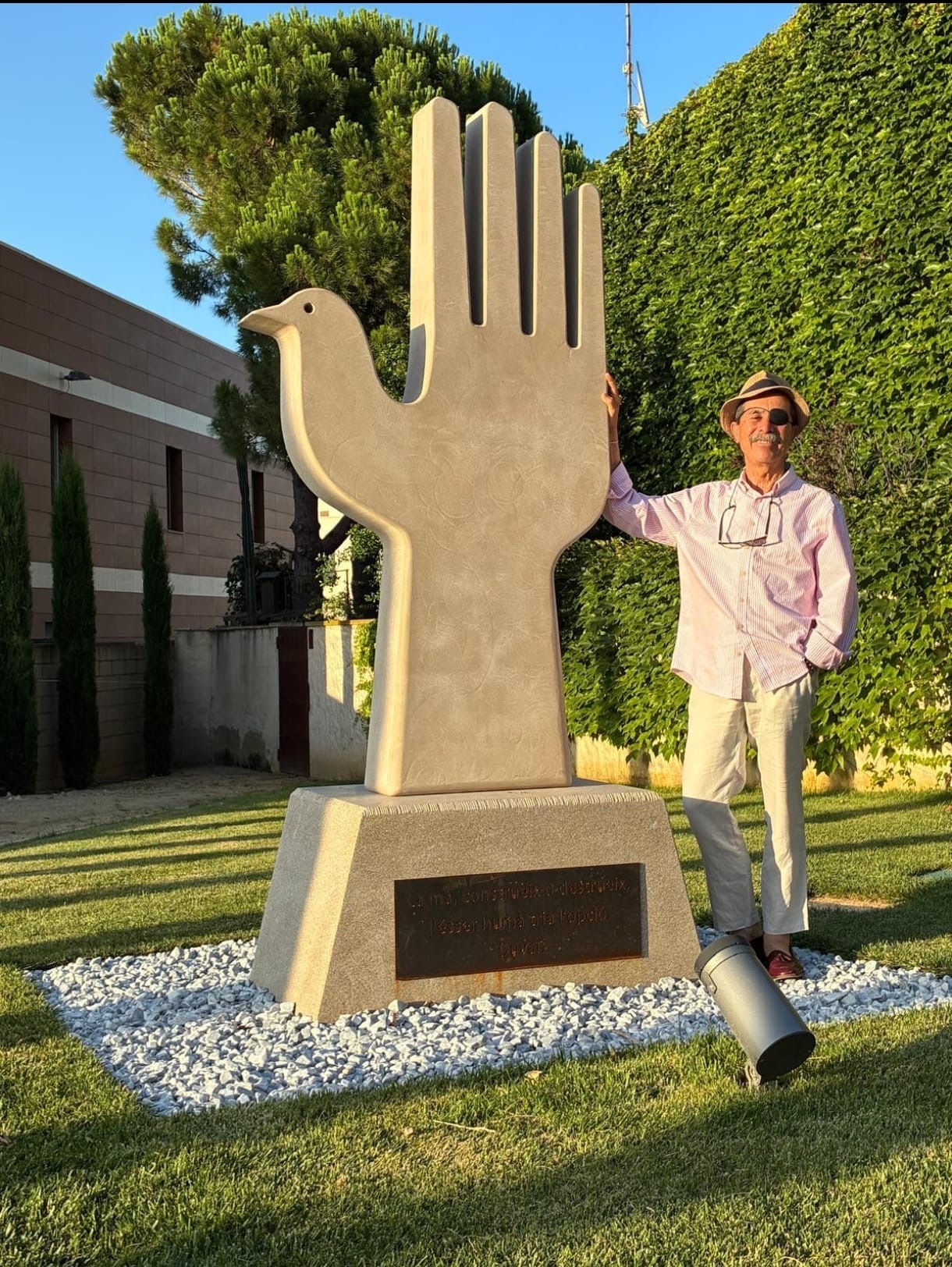
This work, full of symbolism and with a strong humanist message, revolves around the idea that the human hand can build and destroy, and invites us to reflect on the responsibility we have as people with our actions in today's world.
This new event highlighted López's relationship with the Empordà and the presence of his work in public space. This sculpture has become a point of cultural interest for the municipality of Vila-sacra, while reinforcing the presence of contemporary art in the municipality.
This event was attended by the mayor of Vila-sacra, Maria Corbairan i Isern, and the mayor of Banyoles and president of the Girona Provincial Council, Miquel Noguer, as well as numerous friends and acquaintances of the artist.
You may be
interested
...