Exhibitions
Miró, Mallorca and Perpignan. The infinite laboratory of freedom
Perpignan dedicates its major 2026 exhibition to the Catalan artist who turned the island into a space for radical experimentation and constant renewal of pictorial language.
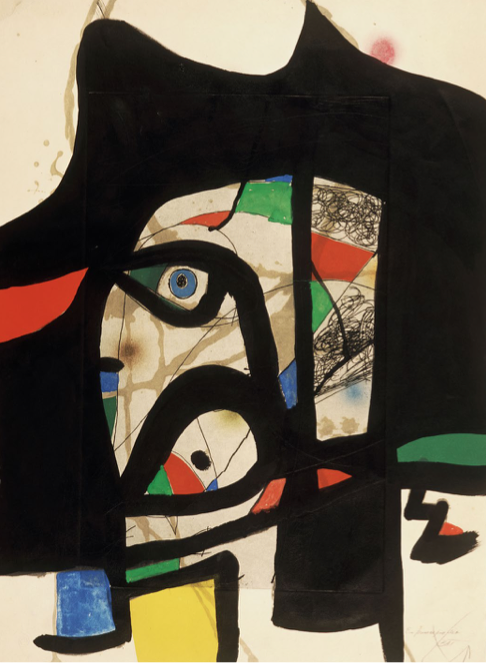
The Hyacinthe Rigaud Art Museum in Perpignan will present Joan Miró. Majorque, l'atelier des rêves , an exhibition that transcends the conventional retrospective format to become an immersion in the creative territory of one of the most influential artists of the 20th century. The exhibition, the first large-scale exhibition dedicated to Miró in this institution, is part of the twinning between the cities of Perpignan and Palma, formalized in 2024, and strengthens the cultural ties between Catalonia, the Balearic Islands and the south of France.
The result of a close collaboration with the Pilar and Joan Miró Foundation in Mallorca, the main provider of the project, the exhibition brings together an exceptional selection of works, personal objects, documents, photographs and audiovisual materials that allow us to understand the profound artistic transformation experienced by Miró from his definitive installation in Mallorca in 1956.
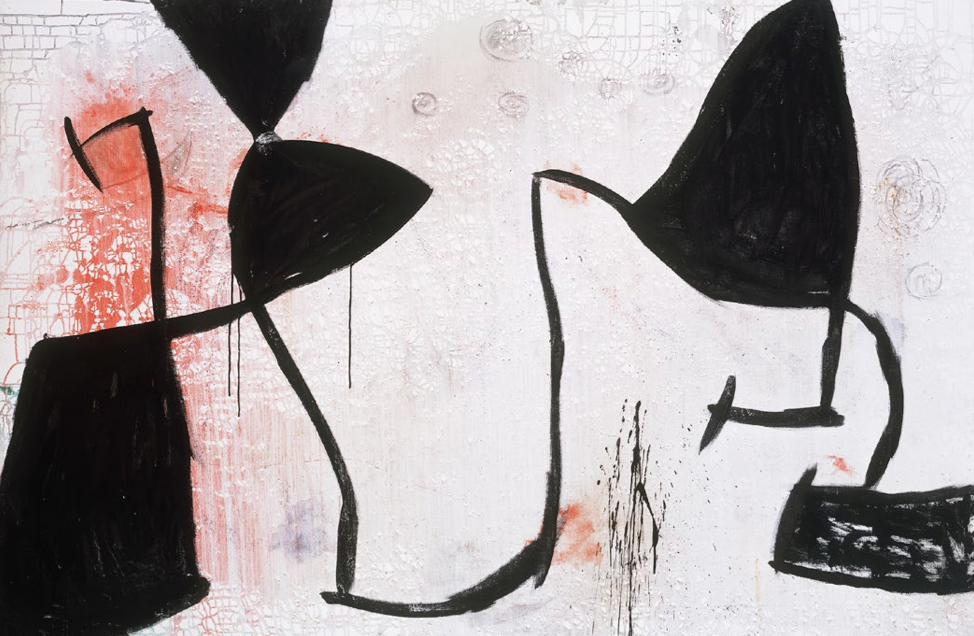
Joan Miró. Untitled, 28 May 1972, Majorca, Pilar and Joan Miró Foundation © Miró Estate, 2026/Pilar and Joan Miró Foundation in Mallorca/ADAGP 2026.
More than a simple geographical change, the arrival on the island represented an inner mutation for the artist. Mallorca became his creative refuge, but also a permanent laboratory of formal research. Far from the traditional centers of the European avant-garde, Miró found in the silence, the Mediterranean light and the spaciousness of his workshops the ideal conditions to delve into an increasingly free, essential and radical work.
The first section of the exhibition, which will be on view from June 27 to December 31, recreates the intimate universe of the legendary Taller Sert, conceived by the architect Josep Lluís Sert as an architecture at the service of creation. The exhibition space allows us to delve into the artist's daily life through work tools, objects preserved in the workshop, documents and panoramic images, complemented by the projection of the audiovisual Je rêve d'un grand atelier . This approach reveals the extent to which the physical environment became an extension of Mirón's imagination: a place where found objects coexisted with ideas, forms and signs in permanent transformation.
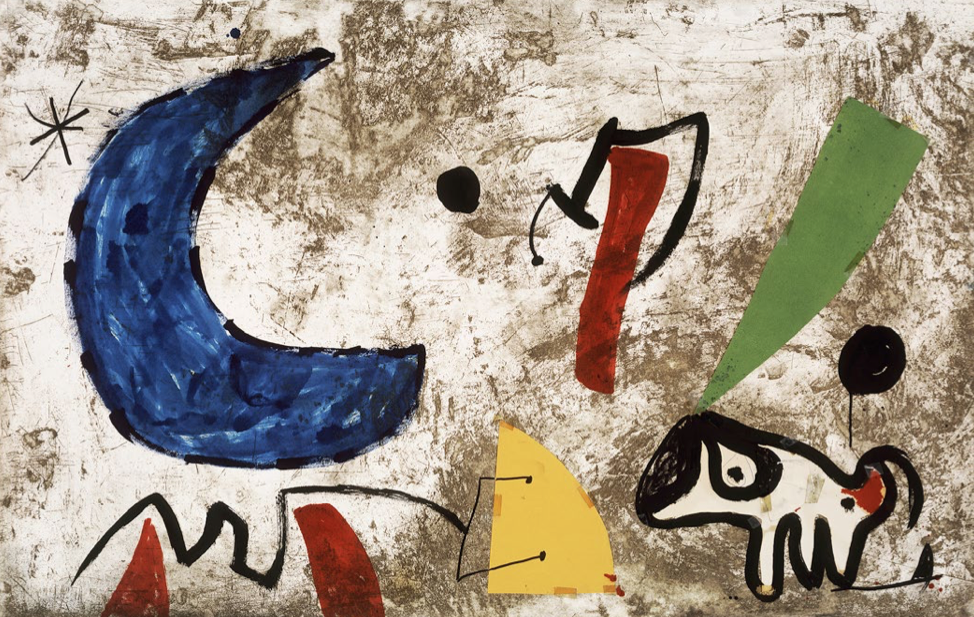
Joan Miró. Model for «The Dogs V», c. 1978, Majorca, Fondation Pilar et Joan Miró © Successió Miró, 2026/Fundació Pilar i Joan Miró a Mallorca/ADAGP 2026.
The second part of the tour, entitled From Miró to Miró: a trajectory of formal liberation , is probably the most suggestive conceptual core of the exhibition. Through the confrontation between works before and after the Mallorcan stage, the visitor can observe the evolution of an artist who, far from repeating the formulas that had made him internationally famous, opted for an extreme purification of his visual language.
It is during this period that Miró takes his desire to get rid of any superfluous element to its ultimate consequences. The sign ceases to represent to become an autonomous presence; color abandons its descriptive function to act as pure energy; matter manifests itself with an almost sculptural physical force. The large gestural canvases of the sixties and seventies reveal an artist who does not seek synthesis through simplification, but through intensification. As in the most essential poetry, each stroke seems to contain a symbolic charge capable of expanding infinitely.
The exhibition also includes bronze sculptures, graphic works, drawings and a significant constellation of found objects from the Son Abrines workshops. These materials, often considered secondary, acquire a decisive importance here because they allow us to understand the experimental nature of Miró's practice. Miró observed everyday objects with the same curiosity with which he contemplated a blank canvas: everything could become poetic material, everything could be transformed into art.
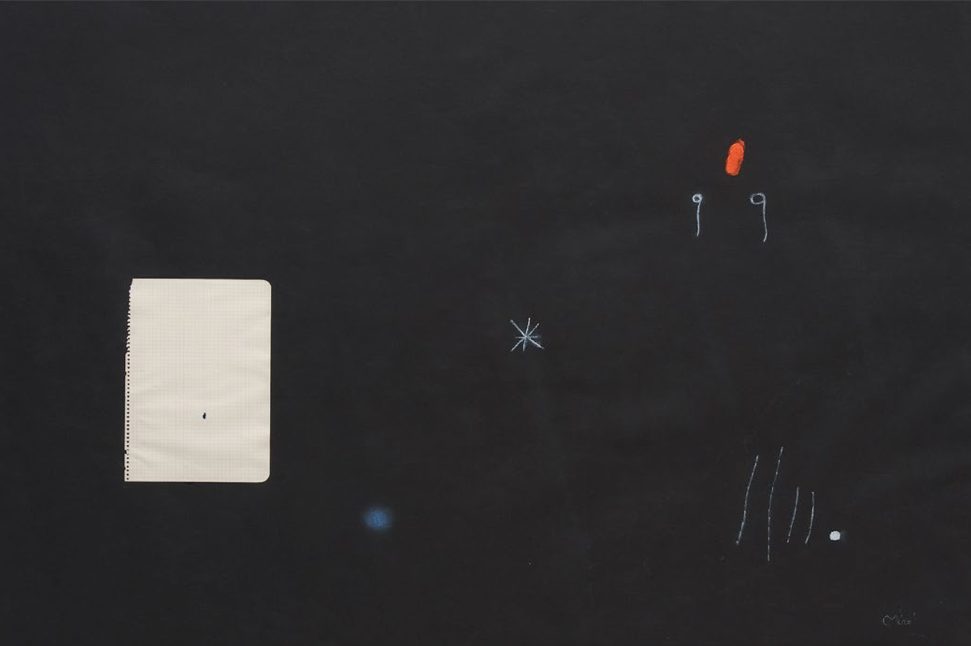
Joan Miró Sans titre I, gouache, crayon, aquarelle, Paris, Galerie Lelong © Successió Miró, 2026/Courtesy Galerie Lelong /ADAGP 2026.
The itinerary culminates with the epilogue Miró sense fronteras , a reflection on the international dimension of his work. Despite his deep roots in Catalonia and Mallorca, Miró was never confined to a local identity. His creation constantly dialogues with surrealism, contemporary poetry, historical avant-gardes and European pictorial traditions, shaping a visual universe that transcends any geographical or stylistic border.
In this sense, Majorque, l'atelier des rêves not only vindicates Mallorca as a determining space in the artist's career, but also allows us to understand one of Miró's most decisive contributions to modernity: the ability to continuously reinvent artistic language without ever losing the link with poetry, freedom and the spirit of experimentation.

You may be
interested
...