Exhibitions
The silent memory of the stone
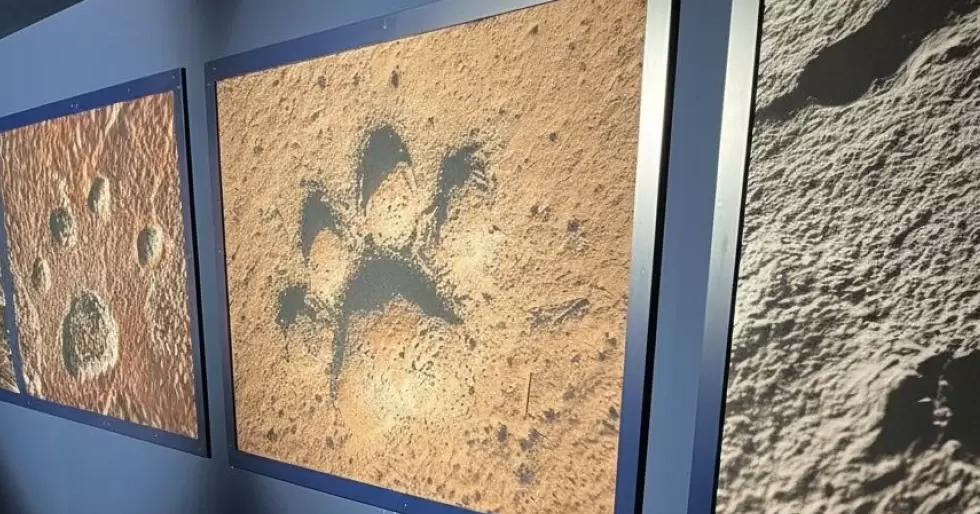
"The stones hold secrets that time has protected for millennia. They remain silent, oblivious to our need to understand them. We can observe their markings, study their shapes, and try to decipher the signs engraved on their surface, but their creators are no longer here to explain their meaning. It is humanity today that attempts to read this ancient language, a codex of which only the images remain, while the words have been lost forever."
From this reflection emerged "The Stone and the Light ," the new temporary exhibition by Paraguayan photographer Fernando Allen, inaugurated at the National Museum and Research Center of Altamira. The exhibition, which can be visited from June 19 to October 18 in Espacio 1973, offers a sensitive and poetic approach to the rock art of Paraguay, positioning itself at the intersection of scientific documentation and artistic interpretation.
The tour brings together images of some of the most important rock art sites in the eastern region of the Amambay department, a territory that preserves the traces of ancient peoples who inhabited forests now transformed by the passage of time. Through incisions, blows, and marks made on the rock over centuries, these human groups left a testimony that continues to raise essential questions about their beliefs, their relationship with nature, and their way of understanding the world.
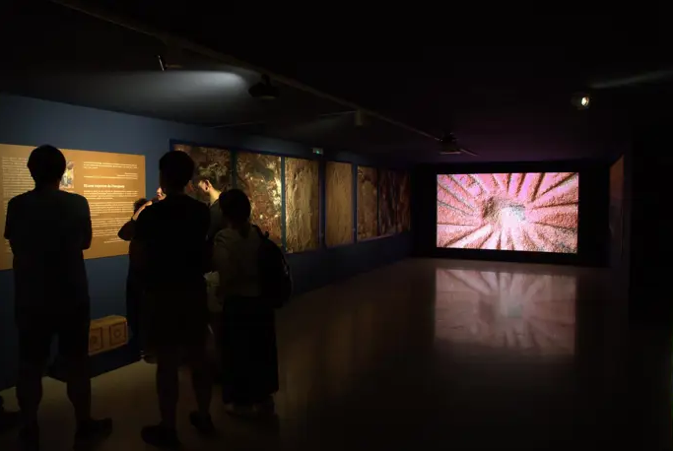
Allen's photographic work stems from his participation, between 2011 and 2012, in one of the international research projects promoted by the Altamira Museum to inventory Paraguayan rock art. During those years, the photographer accompanied the team led by researchers José Antonio Lasheras and Pilar Fatás in an investigation that added thirteen previously unknown sites to the world map of rock art.
Beyond its scientific value, this discovery also represented a recognition of Paraguay's cultural heritage and the memory of the Indigenous communities that continue to inhabit the territories of Amambay. For Allen, this project is deeply linked to the work of the researchers who made that exploration possible. "None of this would have been possible without José Antonio and Pilar," the photographer recalls, especially evoking the vision of Lasheras, who argued that the unique rock art of the "footprints" could have originated precisely in these lands, long before Paraguay existed as a historical and political entity.



You may be
interested
...