Exhibitions
The heartbeat of history in metal
The Mascort Foundation presents an exceptional exhibition that covers more than twenty centuries of the history of Catalonia through the coins that passed from hand to hand and witnessed the great changes in our society.
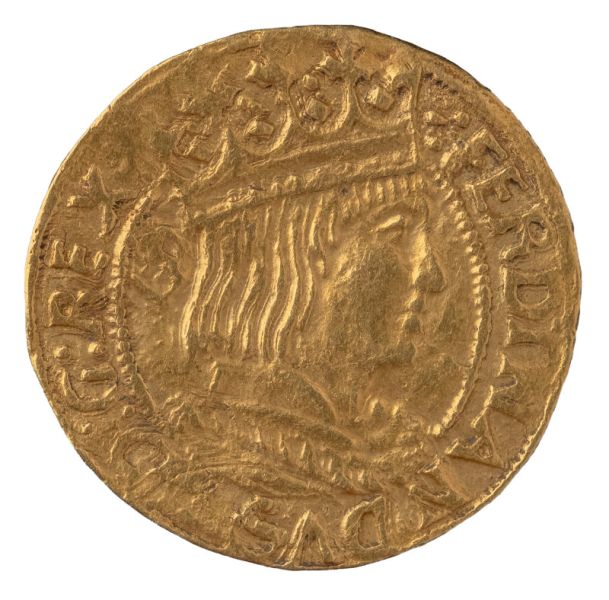
There are small objects capable of containing an immense history. A coin is a fragment of power, economy, art and daily life; a small piece of metal that has traveled among merchants, soldiers, kings and citizens, leaving a silent mark of the passage of time. With this view, the Mascort Foundation presents an exhibition at Casa Galibern in Torroella de Montgrí that invites visitors to take a journey of more than twenty centuries through the monetary history of the Catalan territory.
The exhibition begins with the first Greek issues of Emporion and Rhode —the current Empúries and Roses—, dated between the 5th and 4th centuries BC, where the presence of the mythical Pegasus of Emporion stands out, and progresses along a route that crosses the presence of the Iberian, Roman, Visigoth, Muslim and Carolingian peoples, all of whom are protagonists of a numismatic legacy that allows us to understand the political, social and cultural transformations of each era.
The exhibition has its origins in the collections of the founder and president of the Mascort Foundation, Ramon Mascort Amigó, and his son, Ramon Mascort Brugarolas, who passed away last year. The project has also been enriched thanks to the generosity of several private collectors and the participation of public funds, among which the History Museum of Sant Feliu de Guíxols with the Joan Vilaret Legacy stands out.
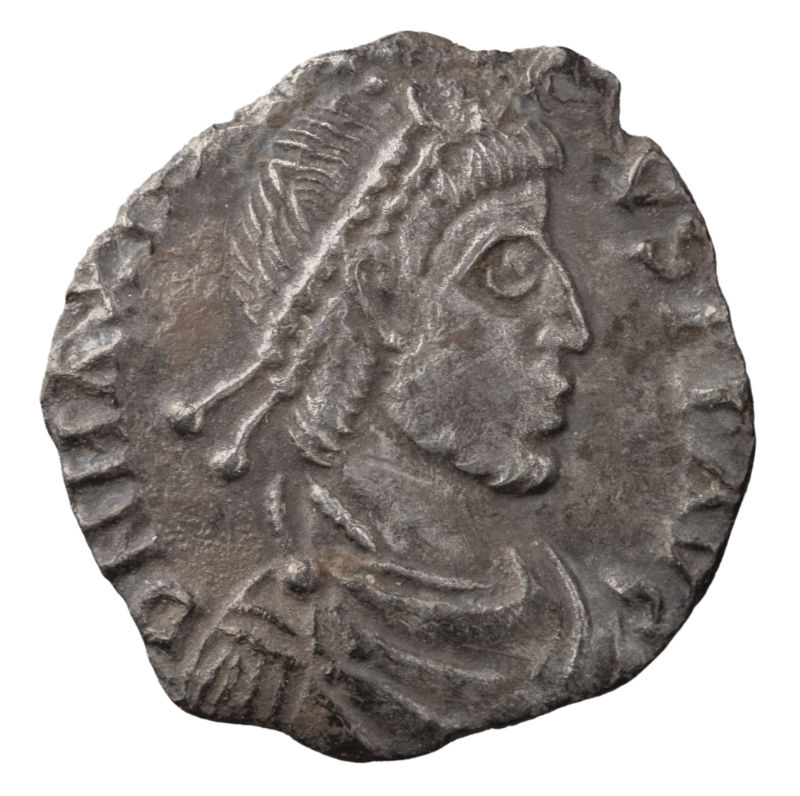
For the first time, a set of pieces of exceptional rarity and quality is brought together, making this exhibition a unique opportunity to contemplate some of the most valuable testimonies of Catalan monetary history. Among the most outstanding pieces are the first coin safely manufactured in Barcelona, several Visigothic trients, dirhams from the Catalan Muslim taifas, money from the Catalan counties —some of which bear the name of two countesses—, an important selection of crusaders from the Crown of Aragon and coins from the Austrian dynasty.
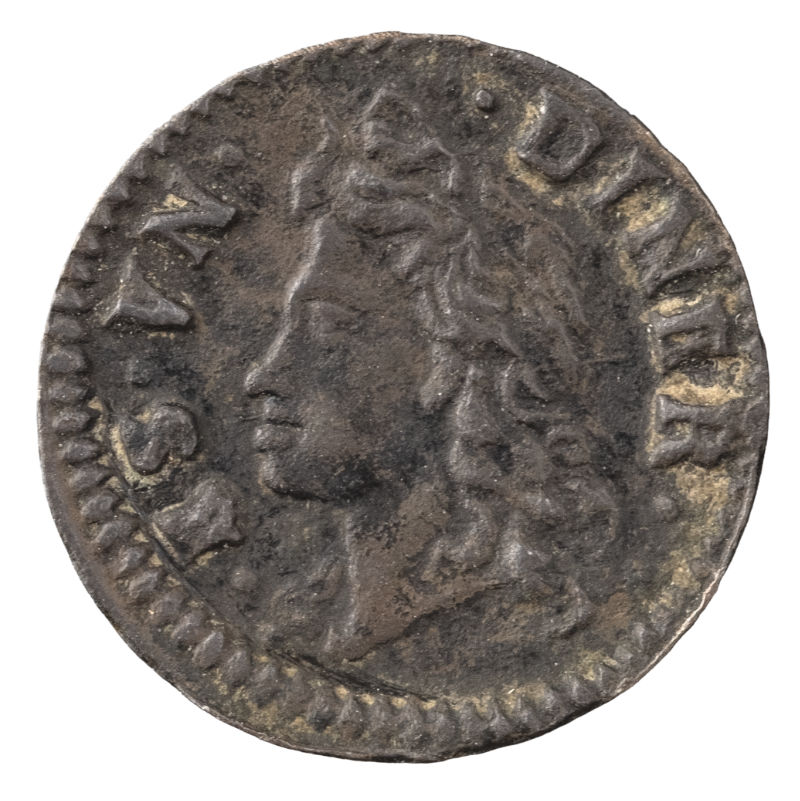
The tour also reaches the centuries of great political upheavals, with the issues of the Reapers' War, a time when Catalonia had to build its own monetary system. Among the most unique pieces is also the first coin with a legend engraved exclusively in the Catalan language, an exceptional testimony to the identity and political evolution of the country.
As an epilogue, the exhibition opens a window on the world with the eight reales coins minted in the American mints, mainly with silver from the mines of Potosí and Mexico. For more than three centuries, these coins circulated across the five continents and became the first great instrument of global exchange, a true universal currency before contemporary globalization.
The exhibition is curated by Salvador Plantalech i Colomer (Olot, 1972), who holds a degree in History from the Universitat Autònoma de Barcelona, specializing in ancient history and archaeology, and a master's degree from the University of Girona. A member of the board of the Catalan Society of Numismatic Studies of the Institute of Catalan Studies, where he serves as treasurer and directs the Catalan Monetary Collection, Plantalech has developed an intense research career with specialized publications, among which stands out La moneda de la Garrotxa, mil anys d'història (segles X-XX) , a work of which he is co-author, and is currently working on a new study dedicated to the currency of Cerdanya and Ripollès.
The exhibition can be visited from June 20 to October 12, 2026 at Casa Galibern, headquarters of the Mascort Foundation, in Torroella de Montgrí. Admission is free and offers a unique opportunity to discover how these small pieces of metal have preserved the memory of a country over the centuries.

You may be
interested
...