Exhibitions
Sense and folly: 150 years of Catalan architecture under a new perspective
An exceptional exhibition at the Disseny Hub Barcelona reviews the architectural legacy of Catalonia from 1875 to the present day through more than 500 previously unpublished pieces and a reading that challenges traditional narratives.
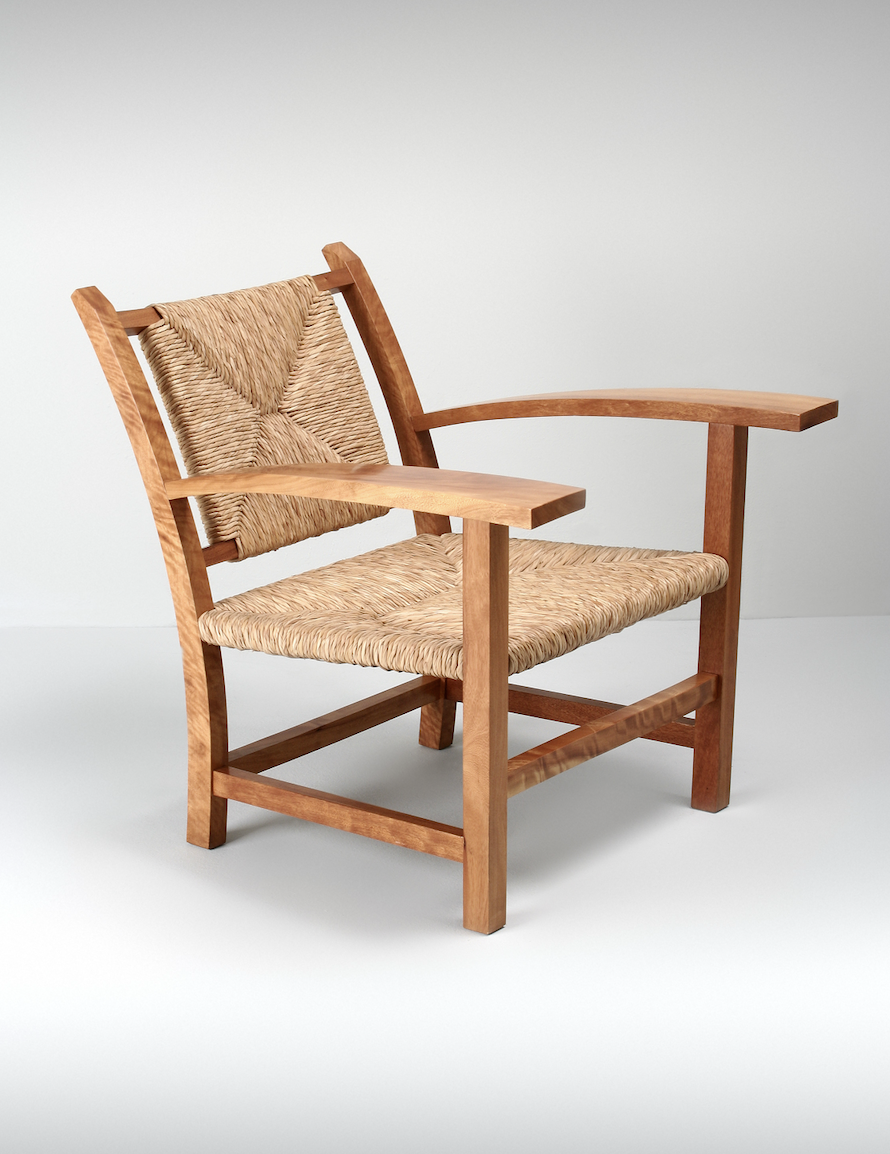
What defines Catalan architecture? Is there a common thread capable of uniting the modernist works of Antoni Gaudí with contemporary urban interventions, beyond styles, fashions and historical contexts? These are some of the questions raised by “Sense and Rudeness. News of Catalan Architecture”, an exhibition that can be visited at the Disseny Hub Barcelona (DHub) from May 22 to September 6, 2026 and which is presented as one of the most ambitious approaches ever dedicated to Catalan architecture of the last 150 years.
Organized within the framework of Barcelona World Capital of Architecture 2026, the exhibition occupies 900 square meters of Space A of the DHub, a particularly significant location due to its proximity to the headquarters that will host, between June 28 and July 2, part of the World Congress of Architects of the International Union of Architects (UIA). A coincidence that reinforces the international vocation of a project designed to vindicate the Catalan contribution to contemporary architectural culture.
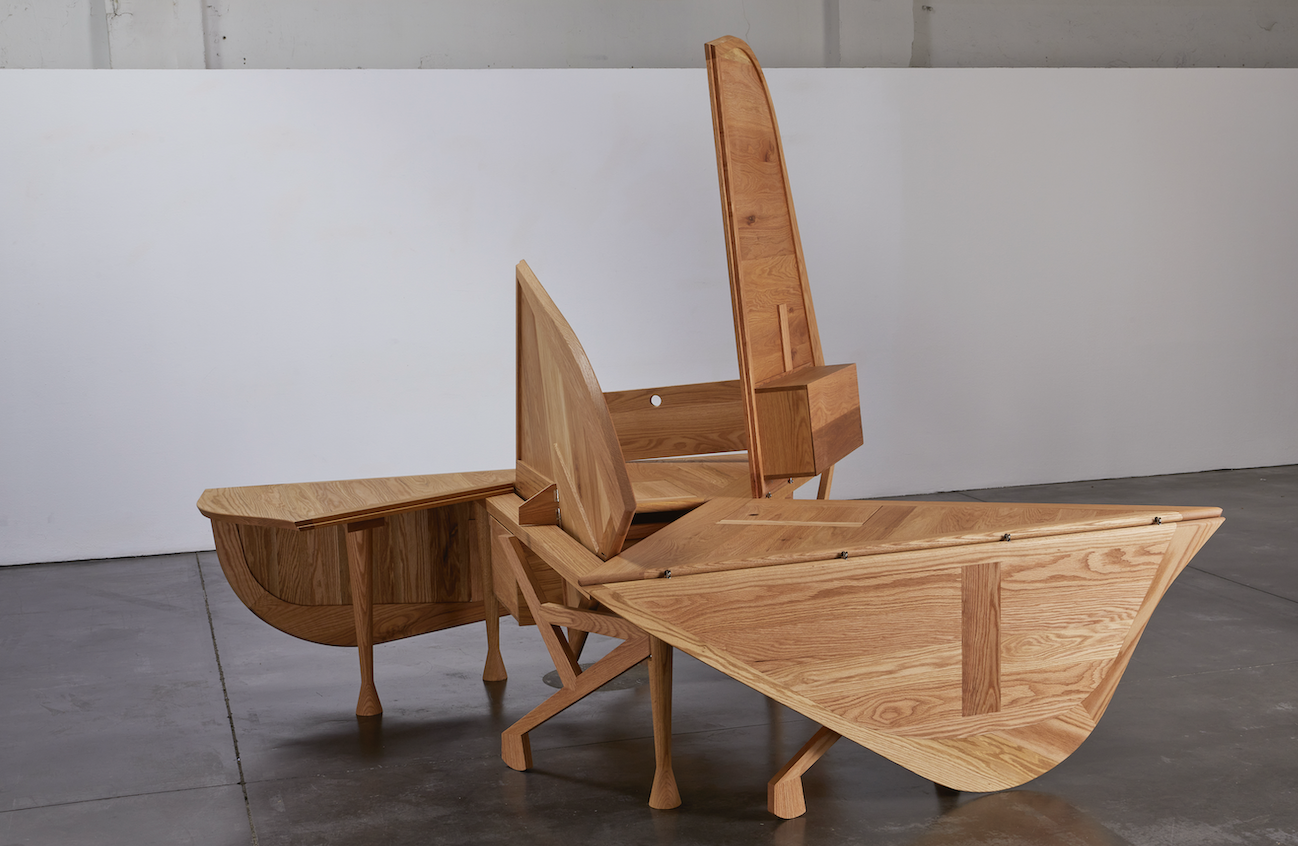
Curated and designed by architects Carme Ribas, Victòria Garriga and Joan Roig, the exhibition brings together nearly 500 pieces including sketches, plans, models, photographs, furniture, lighting and works of art. Many of these pieces come from the collections of the College of Architects of Catalonia, the National Archive of Catalonia, the Jujol Archive or the Gaudí Chair, among other institutions, and are exhibited to the public for the first time.
The proposal also stands out for its ability to put architecture into dialogue with other artistic disciplines. The works of figures such as Ramon Casas, Pere Torné i Esquius, Joaquim Vayreda, Joaquim Sunyer, Joan Miró, Pablo Picasso, Antoni Muntadas and Fina Miralles accompany the tour and allow connections to be established between architectural production, aesthetic trends and social transformations that have marked the country's history.
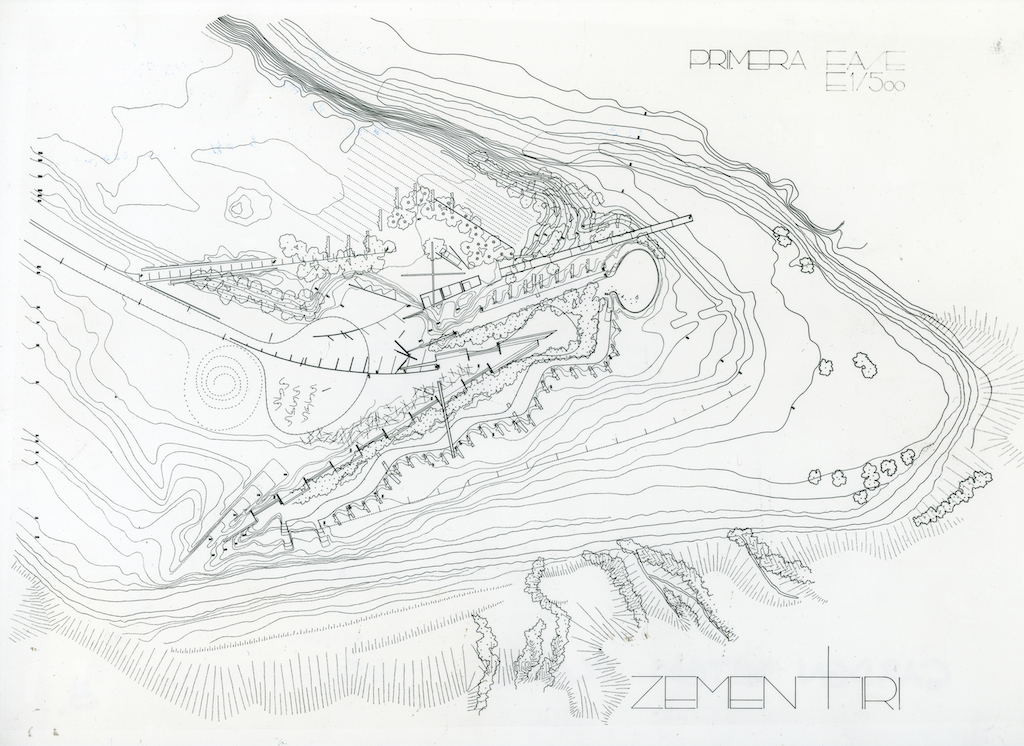
Far from a conventional chronological reading, the curators have opted for a story based on correspondences, contrasts and affinities. The binomial that gives the exhibition its title—sensibility and madness—functions as an interpretative key that runs through the entire exhibition and allows us to identify permanent tensions between rationality and experimentation, tradition and innovation, continuity and rupture.
The organization of the pieces follows an almost dimensional criterion. The visitor progresses from the most intimate scales of the inhabited space to the most extensive territorial interventions. The route passes through the room, the house, the houses of the neighbors, the buildings, the street, the old city, the new city and, finally, the territory. More than independent chapters, these areas are presented as permeable spaces that establish constant resonances with each other.
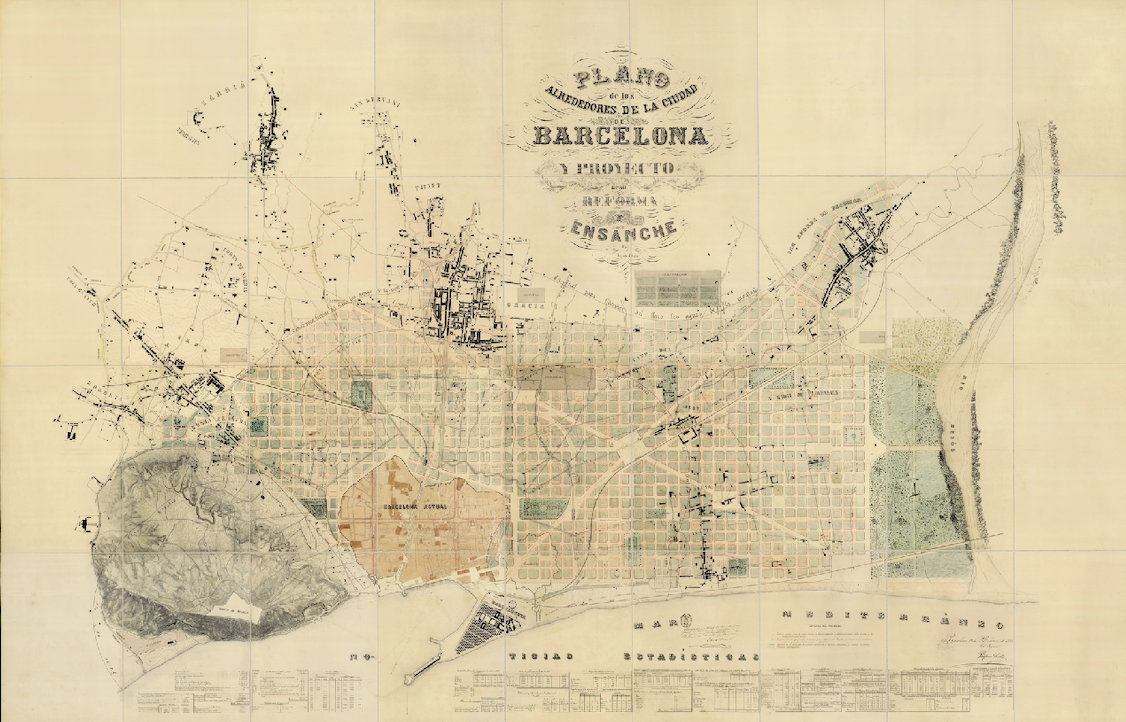
The exhibition layout reinforces this idea of continuity. Along the perimeter of the room, a succession of documents that build the main story extends, while in the center are distributed models, singular objects, design pieces and artistic works that dialogue with the materials exhibited on the walls. The set is completed with a selection of books and magazines that have contributed to critical reflection on Catalan architecture throughout this period.
More than a retrospective, “Seny i rauxa” is presented as a revision of the canon. The exhibition proposes new lines of reading, recovers little-known works and documents and questions some of the hierarchies established by traditional historiography. The result is a complex and open story that invites us to reconsider what Catalan architecture has been, what it is and what it can become.
In a year in which Barcelona becomes the world capital of architecture, this exhibition emerges as a unique opportunity to understand the richness, contradictions and surprising continuity of an architectural tradition that, for a century and a half, has known how to uniquely combine sanity and madness.

You may be
interested
...