Exhibitions
Vanessa Pey: Desiring Epidermis
The skin as a space of transformation, identity and emotional flow.
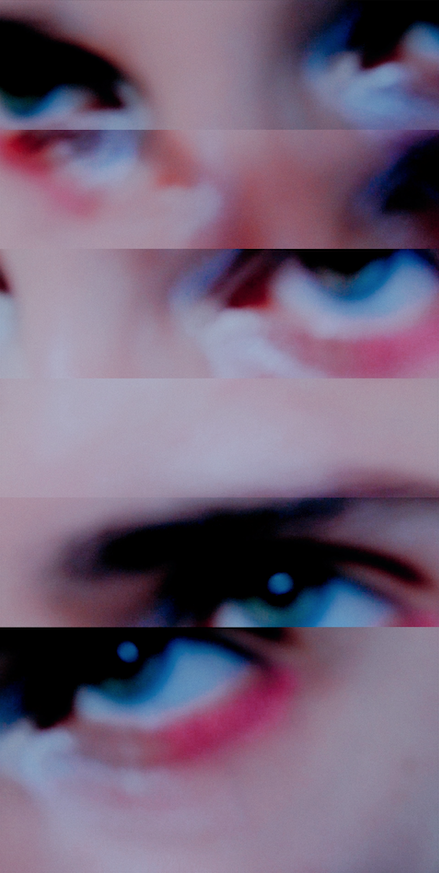
The Galeria Sergi Sánchez in Barcelona presents from June 4 to July 31, Desiring Epidermis , an exhibition by the artist Vanessa Pey curated by Gabriel Virgilio Luciani. The project brings together a set of previously unpublished works that explore the body from an identity, emotional and metamorphic perspective, situating it as a territory in permanent mutation.
In Desiring Epidermis , Pey investigates the relationship between the body and its capacity for transformation, blurring the boundaries between what is stable and what is changing. The pieces pose a reflection on identity as an open process, crossed by internal tensions, affects and ambiguities. The body does not appear as a fixed entity, but as a space in continuous construction.
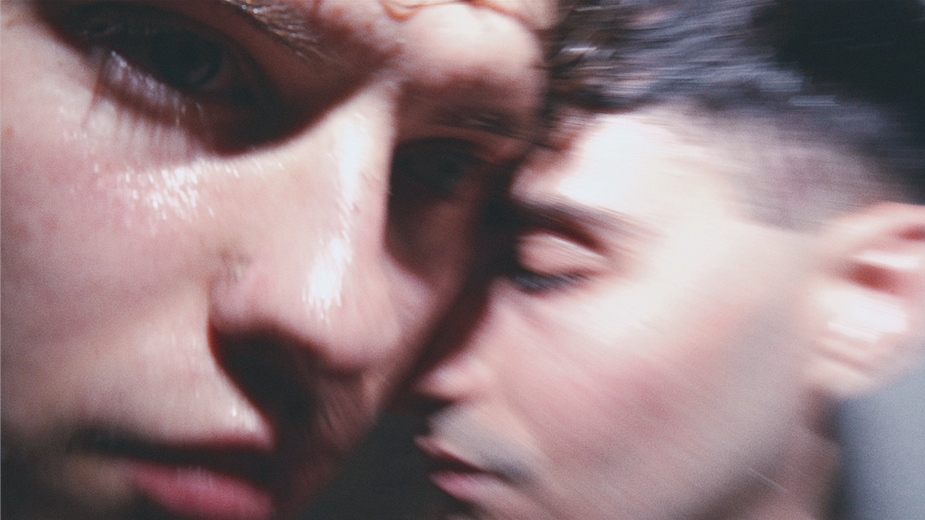
According to curator Gabriel Virgilio Luciani, the conceptual starting point of the exhibition is body horror , a cinematic subgenre where terror arises from the body itself. However, in Pey's work this referent is displaced and transformed: if in authors such as David Cronenberg or Clive Barker body deformation is presented in an explicit and shocking way, here any trace of gore or visible violence disappears. In its place, a more subtle unease emerges, based on the insinuation and fragility of the body's surface.
The skin thus becomes a central element of the discourse. Far from being a simple protective membrane, it is conceived as a performative substrate: a surface that is constructed, negotiated and transformed. In this sense, the skin functions as a device of camouflage and identity experimentation, capable of adopting multiple forms and sensations.
This approach connects with the artist's trajectory since the 1990s, when she was already working with representations of bodies that escaped gender norms. However, the current proposal adds the idea of "morphological flow": bodies not only challenge established categories, but are in a constant state of transition, always on the verge of becoming something else.
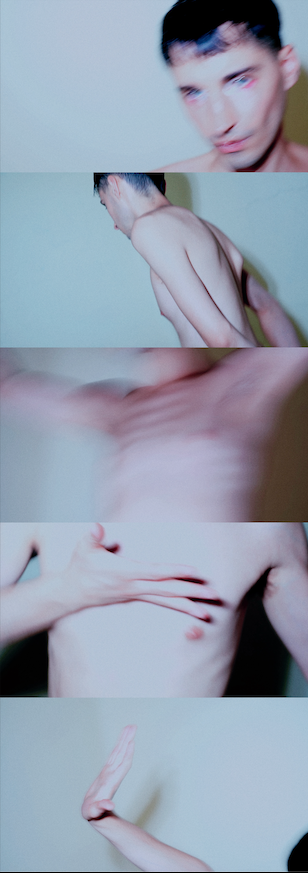
The exhibition, conceived specifically for the gallery space, is made up of two audiovisual pieces and nine images printed on different supports. For the first time, in addition to the photographic paper, cibachrome, methacrylate and textile used in previous stages, the artist incorporates silicone as a support, providing flexibility, transparency and a new physical relationship with the image.
Many of Vanessa Pey's photographs are not born as still images, but as frames extracted from her video pieces. This shift from movement to fixation reinforces the idea of continuous transformation: images do not document identities, but processes. In this sense, Desiring Epidermis proposes a universe of slow rhythms and indeterminate spaces, where the body becomes memory, imagination and constant mutation.


You may be
interested
...