Exhibitions
Barcelona 2035: the city that is being drawn today
A living exhibition at the Casa de l'Arquitectura invites you to understand how major urban projects will transform daily life, neighborhoods and the metropolitan future of Barcelona.
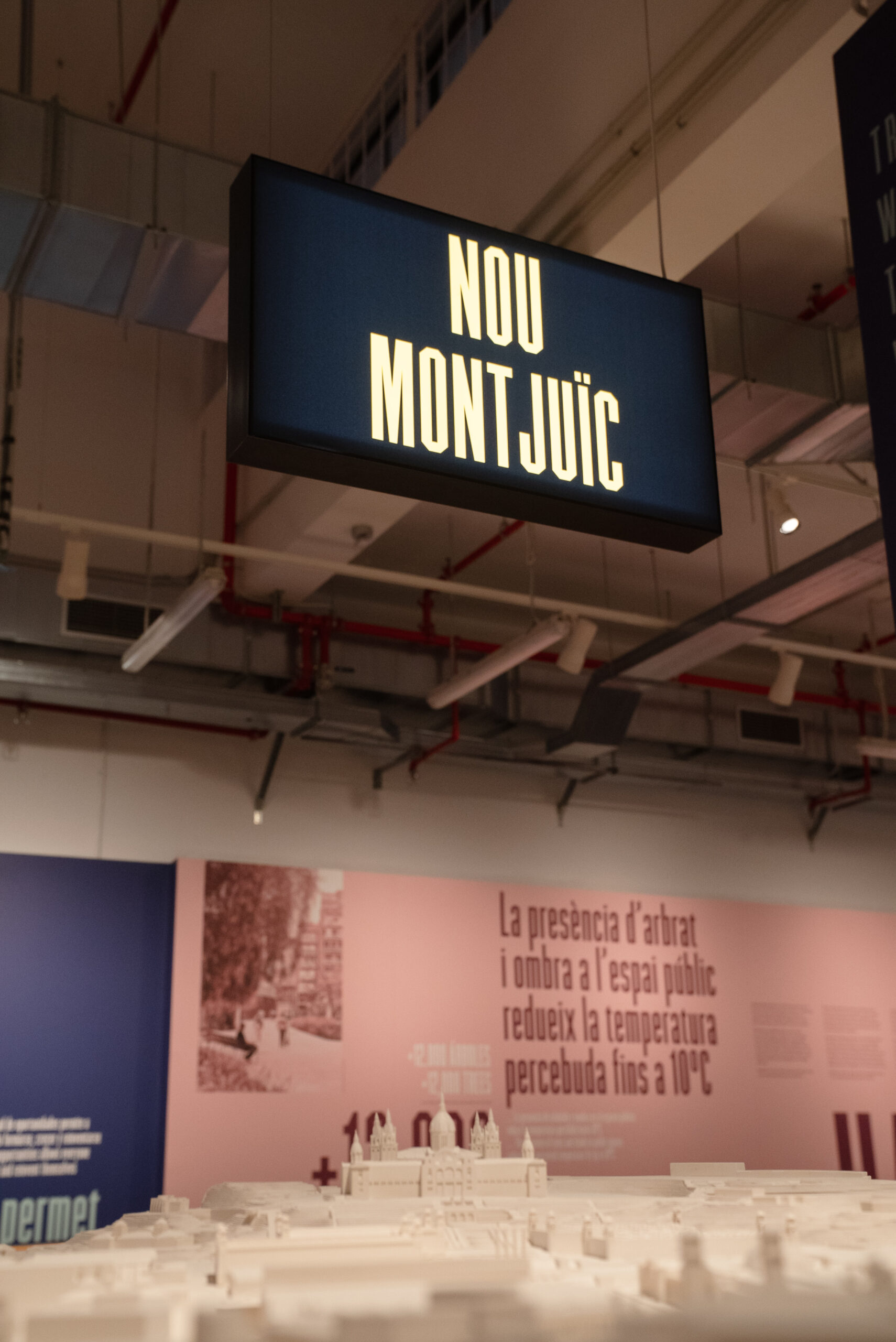
Barcelona has always been a city under construction. But rarely has this transformation been explained in such an open, tangible and ambitious way as in Barcelona 2035. A city to live in , the exhibition promoted by the Barcelona City Council as part of the World Capital of Architecture programme. The exhibition, installed in the Casa de l'Arquitectura —the former headquarters of the Gustavo Gili publishing house— is presented as a space for citizen outreach, but also as a privileged vantage point on the immediate future of the city and its metropolitan area.
More than a conventional exhibition, the proposal works like a living organism. It is updated, incorporates new perspectives and integrates projects as Barcelona evolves. The tour allows us to understand how major urban interventions are not isolated pieces, but parts of the same story: that of a city that seeks to be more livable, more connected, more sustainable and socially cohesive.
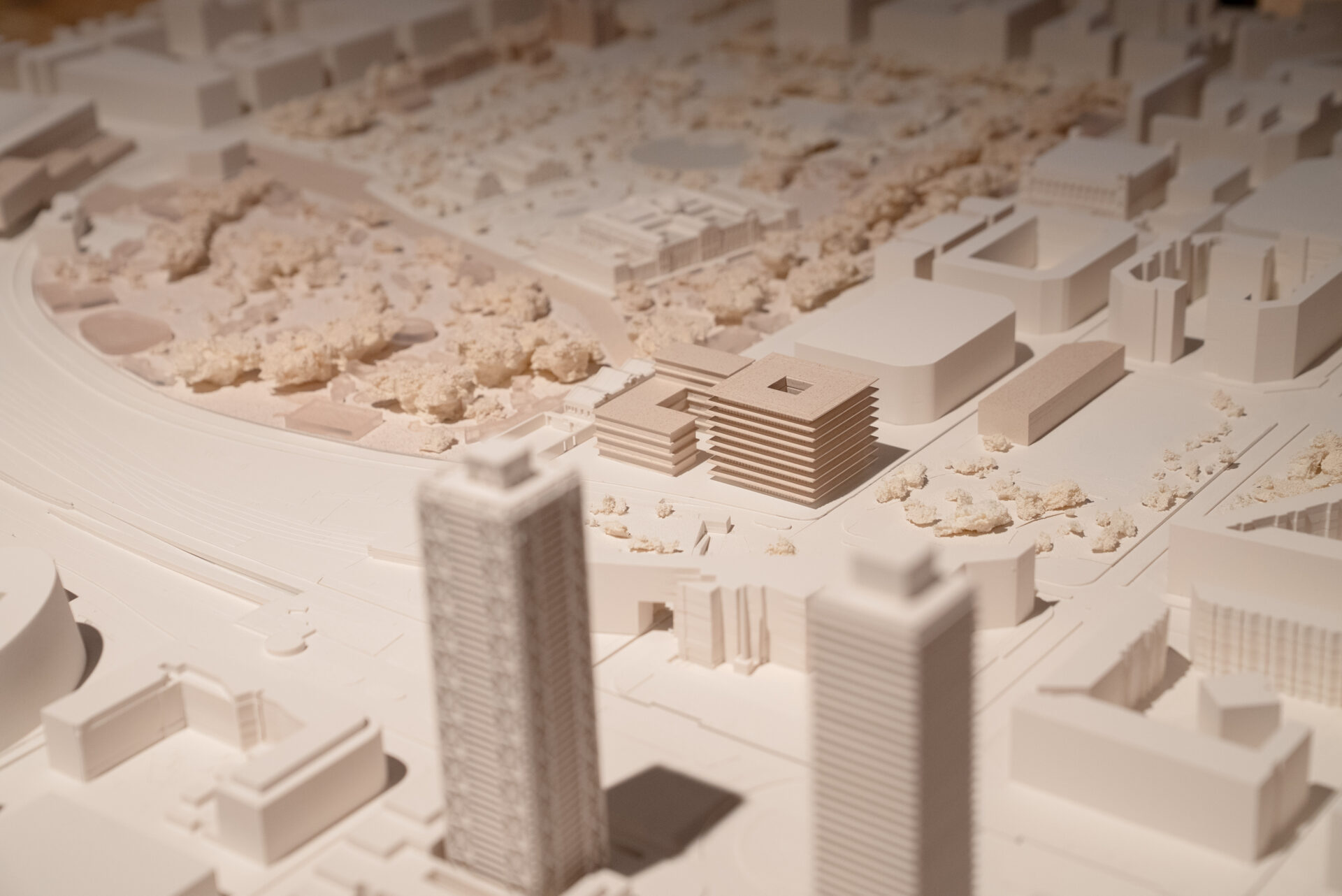
In the center of the room, a large table displays the main urban transformation projects. Maps, photographs, audiovisuals and models allow us to follow the impact of these actions on daily life. Of particular note are the models dedicated to the future Sagrera station, the Ciutadella park and the renovation of the Fira de Barcelona on Montjuïc, three spaces that symbolize different ways of understanding the city of the future.
The exhibition focuses on some of the major axes of change that will redefine Barcelona over the next decade. The new Marina del Prat Vermell neighborhood appears as an example of residential expansion with a new urban centrality. In Montjuïc, the renovation of the Fira and the creation of a new neighborhood with public housing are combined with the idea of a large metropolitan park open to the public.
The completion of the coastal front also plays a prominent role, which after decades of transformations continues to incorporate new green spaces and facilities. In parallel, the Ciutadella del Coneixement is projected as a European node for research, innovation and scientific dissemination, reinforcing the connection between the city and knowledge.
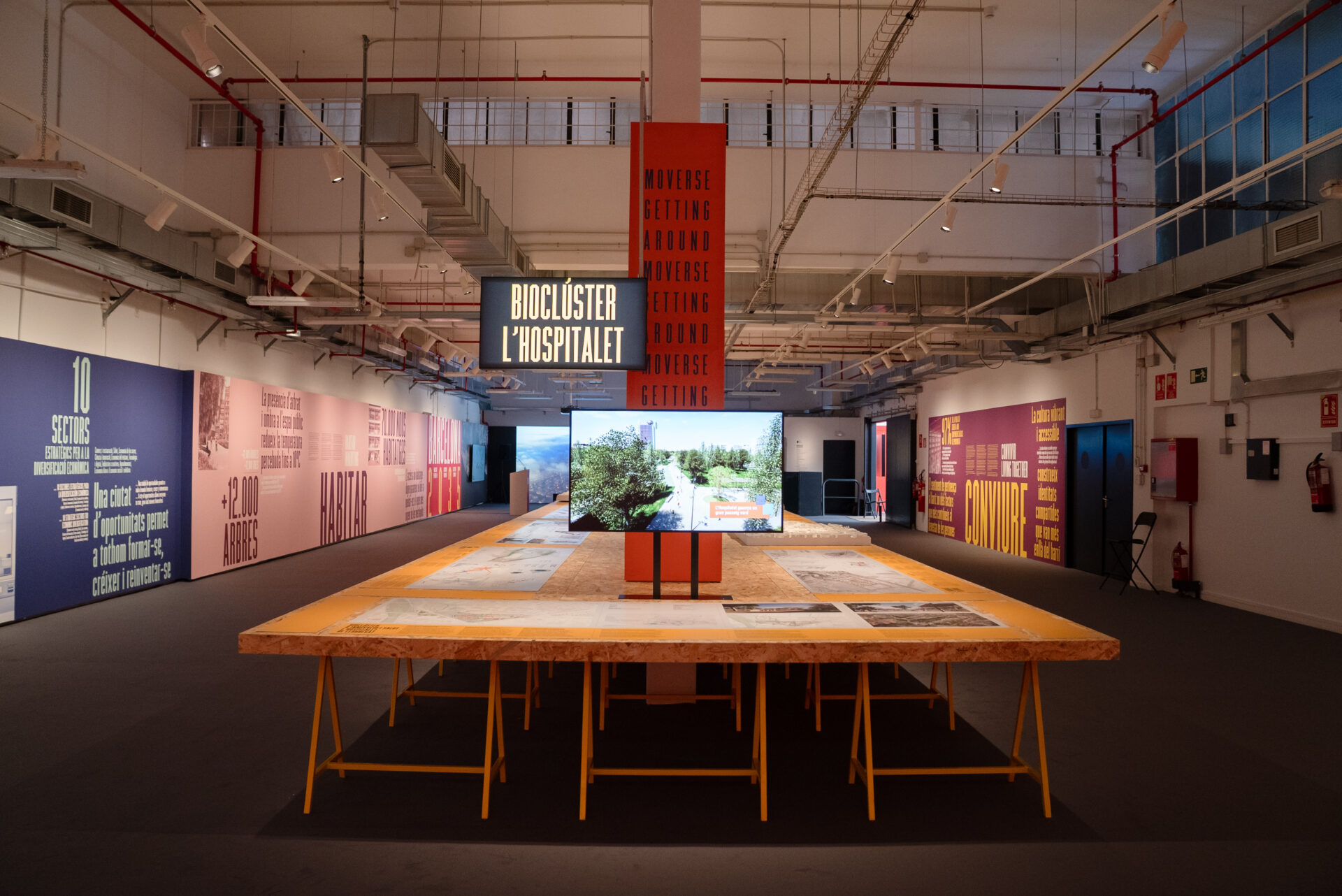
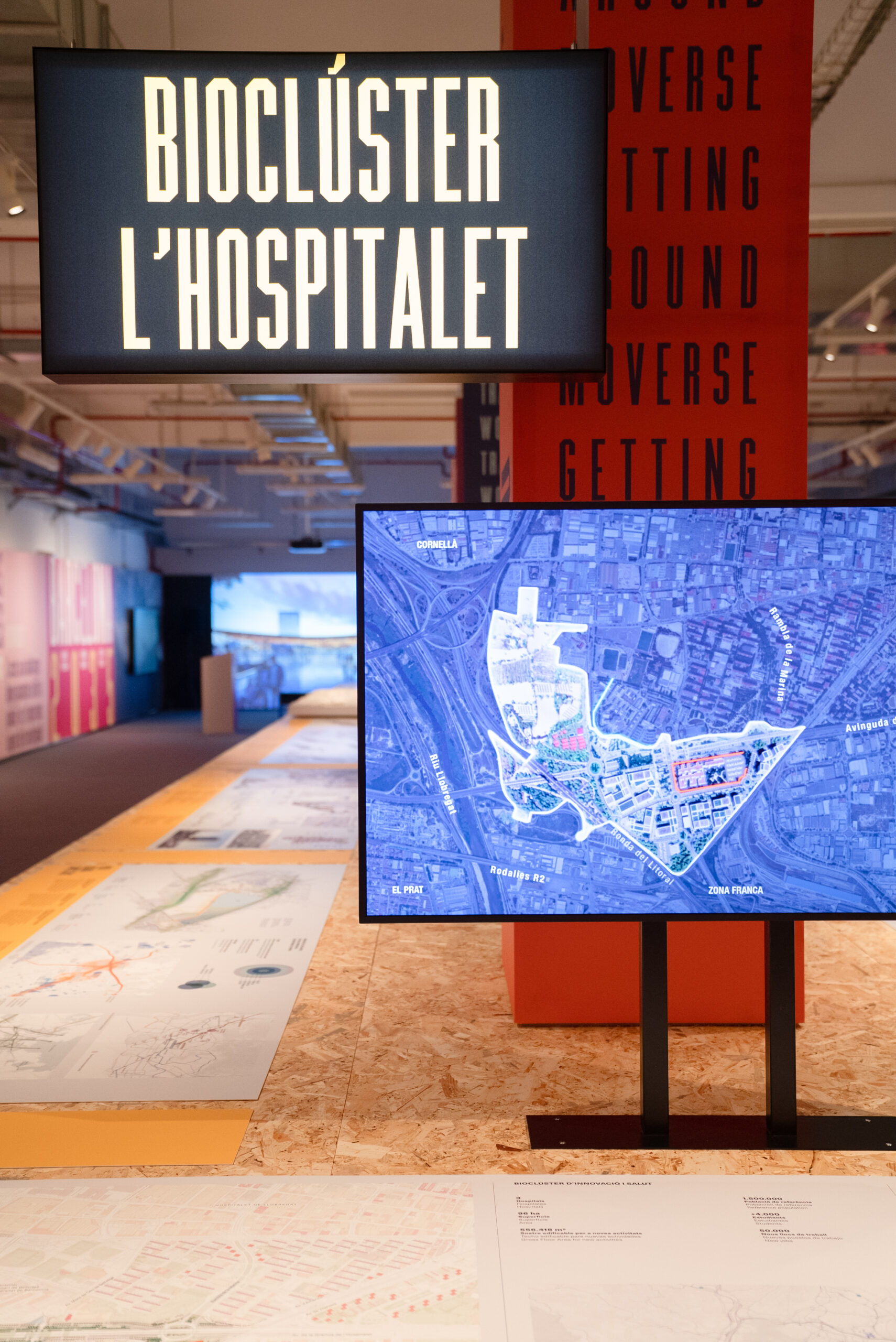
The metropolitan dimension of Barcelona is also evident with projects such as the Tres Xemeneies in Sant Adrià de Besòs, conceived as a future reference center for the audiovisual sector, or with the development of Porta Diagonal, the future Campus Clínic and the Biocluster of l'Hospitalet, which aim to consolidate new biomedical and scientific poles open and integrated into the urban fabric.
The transformation of the Vall d'Hebron Campus, the redefinition of the surroundings of La Sagrera and the growth of 22@Nord complete this future map. The latter is committed to strengthening the productive and innovative district with more housing, greater urban quality and new job opportunities.
But the exhibition doesn't just talk about urban planning. It also questions concepts such as housing, mobility, employment, the identity of neighborhoods or the roots of their inhabitants. The story insists that infrastructures and large projects only make sense if they improve people's lives.
The experience begins at the entrance to the building, where visitors are greeted by a spectacular 84-square-meter model of Barcelona. Made with digital printing and made up of 1,204 modular pieces, the installation allows visitors to visualize the city's urban evolution and adapt to future changes. The incorporation of augmented reality technologies turns the model into an interactive platform from which to observe the Barcelona of the past, present and the one yet to come.
The tour culminates with the exhibition Barcelona = (Diversity + Intensity) x Complexity , a proposal that observes the city from data, processes and urban experiences. In dialogue with the rest of the contents of the House of Architecture, it completes a plural look at what it means today to live in a large metropolis and what challenges will mark the cities of the future.

You may be
interested
...