Exhibitions
Morocco weaves its historic entry into the Venice Biennale 2026
“ Heritage is a living substance, and innovation is the force that gives it life ,” Amina Agueznay
The Venice Biennale will mark a pivotal moment for Morocco's cultural presence on the international art scene. For the first time, the North African country will have a national pavilion in Venice's historic Arsenale, within the Artiglierie space, where it will present Asǝṭṭa , an immersive installation conceived by multidisciplinary artist Amina Agueznay and curated by Meriem Berrada.
The exhibition will be open from May 9 to November 22, 2026, and is part of the conceptual framework of "In Minor Keys ," the theme chosen for this edition by Koyo Kouoh. From this perspective, the Moroccan pavilion proposes a reflection on silent narratives, memories passed down orally, and artisanal practices that survive the passage of time.
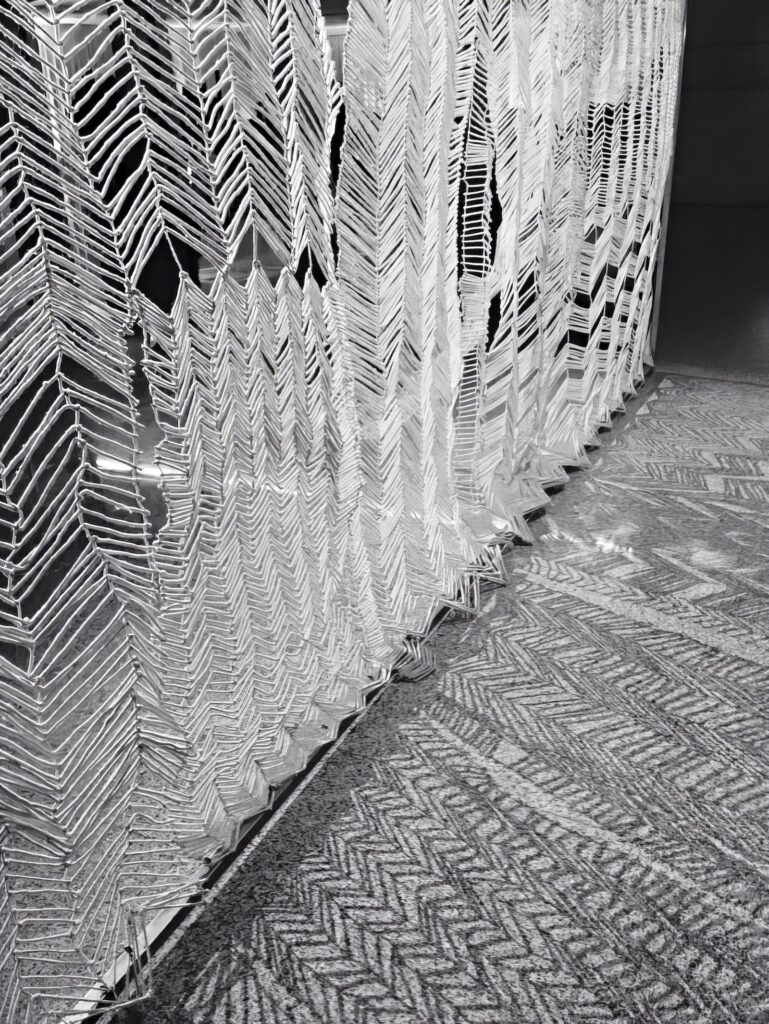
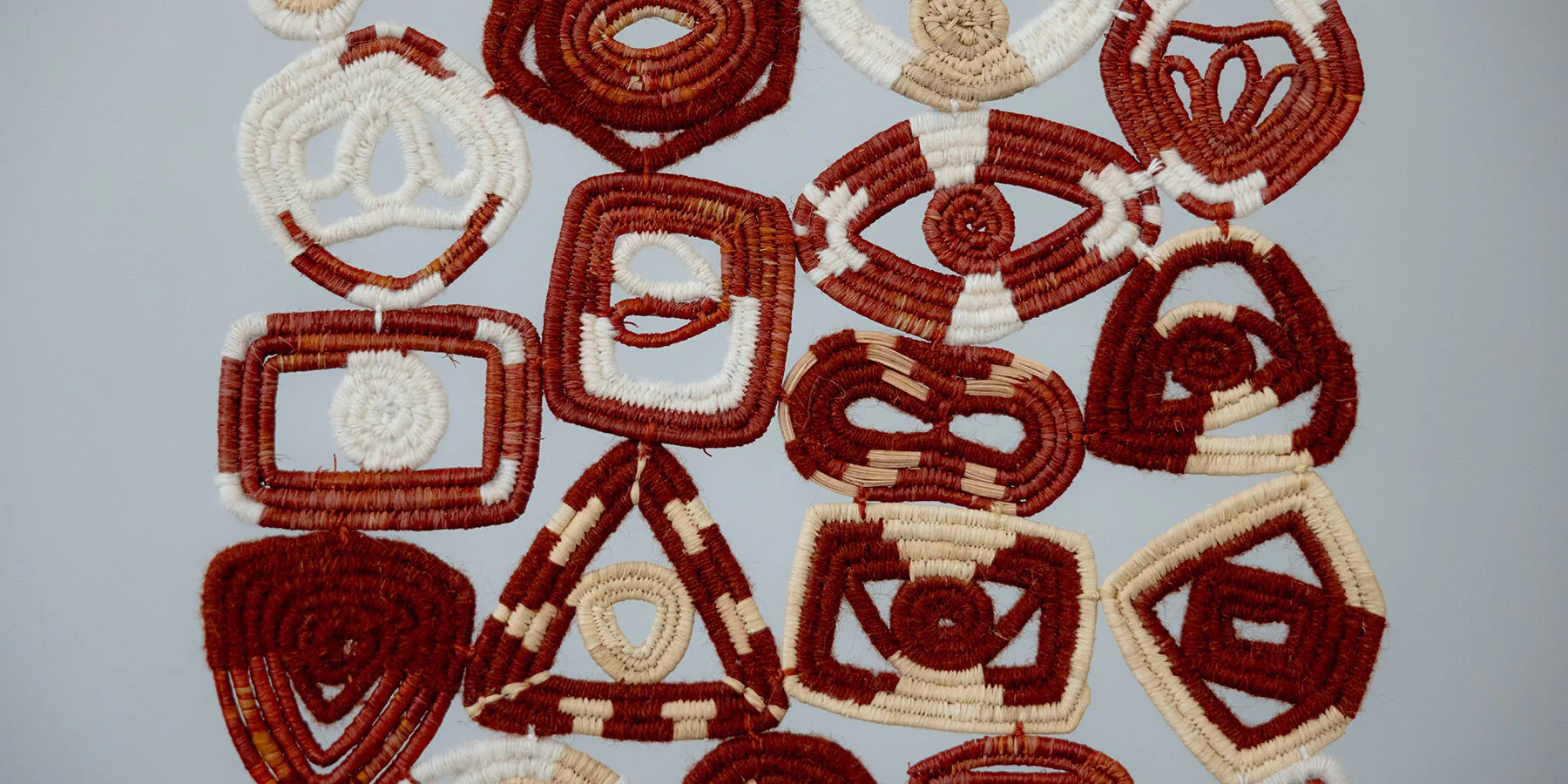
The title of the work, Asǝṭṭa —an Amazigh word associated with the ritual act of weaving—functions as a metaphor for union, transmission, and continuity. Designed specifically for the 300 square meters of the Arsenale, the installation is conceived as a habitable “second skin,” where ancestral materials, textures, and gestures engage in dialogue with the contemporary language of art.
With a background in architecture, Amina Agueznay has developed an artistic practice deeply rooted in Moroccan vernacular knowledge for over two decades. Her projects explore the relationship between body, territory, landscape, and collective memory, always with meticulous attention to materials and traditional techniques. Previous works such as Skin , Curriculum Vitae , Aouinates , and Fieldworks already revealed this ongoing search for the invisible links between tradition and contemporary creation.
To create Asǝṭṭa , the artist worked alongside more than 130 artisans from different regions of Morocco: weavers, embroiderers, bead makers, basket weavers, jewelers, and apprentices who actively participated in the creative process. More than a one-off collaboration, the project champions craftsmanship as a way of thinking and as a living archive of knowledge passed down through generations.
The installation revolves around the concept of the âatba —the threshold—understood as a space of transition between interior and exterior, the intimate and the collective, the sacred and the everyday. Through braids, knots, seams, and suspended structures, the work transforms each manual gesture into a trace of memory and belonging.
Far from a folkloric view of tradition, Asǝṭṭa presents a living archaeology of crafts, giving prominence to often overlooked talents and placing artisanal knowledge at the heart of contemporary creation. The Moroccan pavilion thus becomes an immersive space where visitors not only observe a work of art, but also experience a journey built from collective voices, rhythms, and memories.


You may be
interested
...