Exhibitions
The Master of Cabestany and the myth of Sant Pere de Rodes take over the MNAC
A major exhibition reconstructs the lost cover and vindicates the modernity of one of the most enigmatic sculptors of European Romanesque.
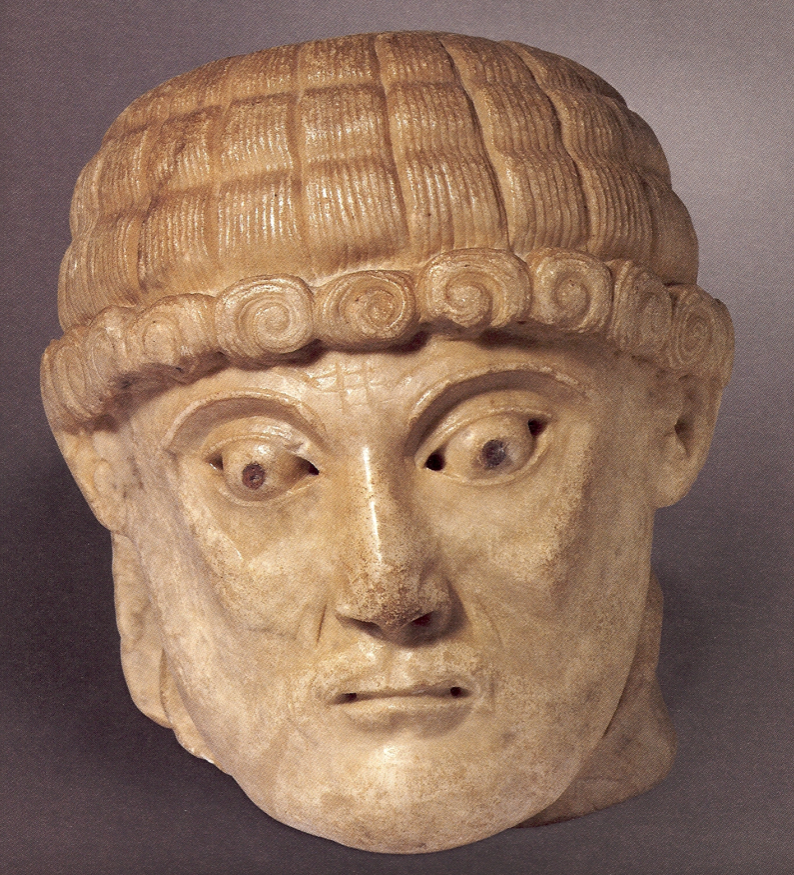
From March 20 to June 29, 2026, the National Art Museum of Catalonia hosts Sant Pere de Rodes and the Master of Cabestany. The creation of a myth , an ambitious exhibition curated by Manuel Antonio Castiñeiras González that vindicates one of the most enigmatic and singular figures of European Romanesque. Known as the Master of Cabestany —an anonymous 12th-century sculptor active between southern France and northern Catalonia—, this artist owes his name to the tympanum of the church of Cabestany and is recognized for an unmistakable style: elongated faces, almond-shaped eyes of intense expressiveness and exaggeratedly long hands that give his compositions an almost narrative dynamism.
The exhibition focuses on his most emblematic work, the missing marble portal of the Monastery of Sant Pere de Rodes, made between 1160 and 1170 in Port de la Selva and destroyed in the first third of the 19th century. This sculptural ensemble, now fragmented, becomes the common thread of a story that crosses territories such as Tuscany, the French South, Catalonia and Navarre, tracing an artistic and vital trajectory full of questions.
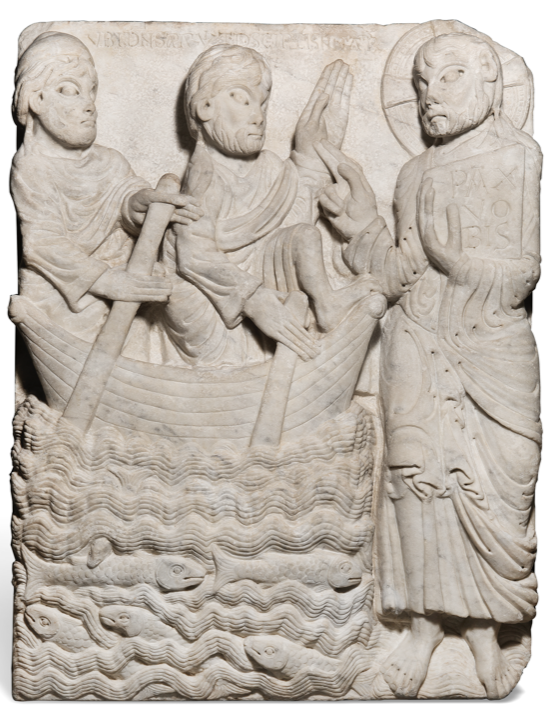
Master of Cabestany. Appearance of Jesus to his disciples at sea, second third of the 12th century. Frederic Marès Museum.
The exhibition was made possible by the recent identification of several pieces linked to this cover, five of which —a relief, two male heads, a fragment of clothing and the INRI plaque— have entered the museum's collection. These findings have allowed the articulation of a far-reaching exhibition project that not only vindicates the surprising modernity of the Master of Cabestany within European Romanesque, but also highlights the historical and artistic importance of the abbey of Sant Pere de Rodes, which has today become a true contemporary myth. Located in an environment of exceptional beauty, where nature and artistic creation merge, the monastery synthesizes centuries of heritage history marked by episodes of destruction, dispersion and rediscovery.
With more than a hundred works —including sculptures, paintings, illuminated manuscripts, drawings and documents— coming from prominent institutions in Cluny, Toulouse, Avignon, Paris, Pisa, Cremona, Rome, Turin and London, the exhibition also incorporates previously unpublished pieces and documents that allow us to delve deeper into the symbolic construction of the abbey: its original relationship with Rome, the mythopoetic force of the landscape or its role as a pilgrimage centre.
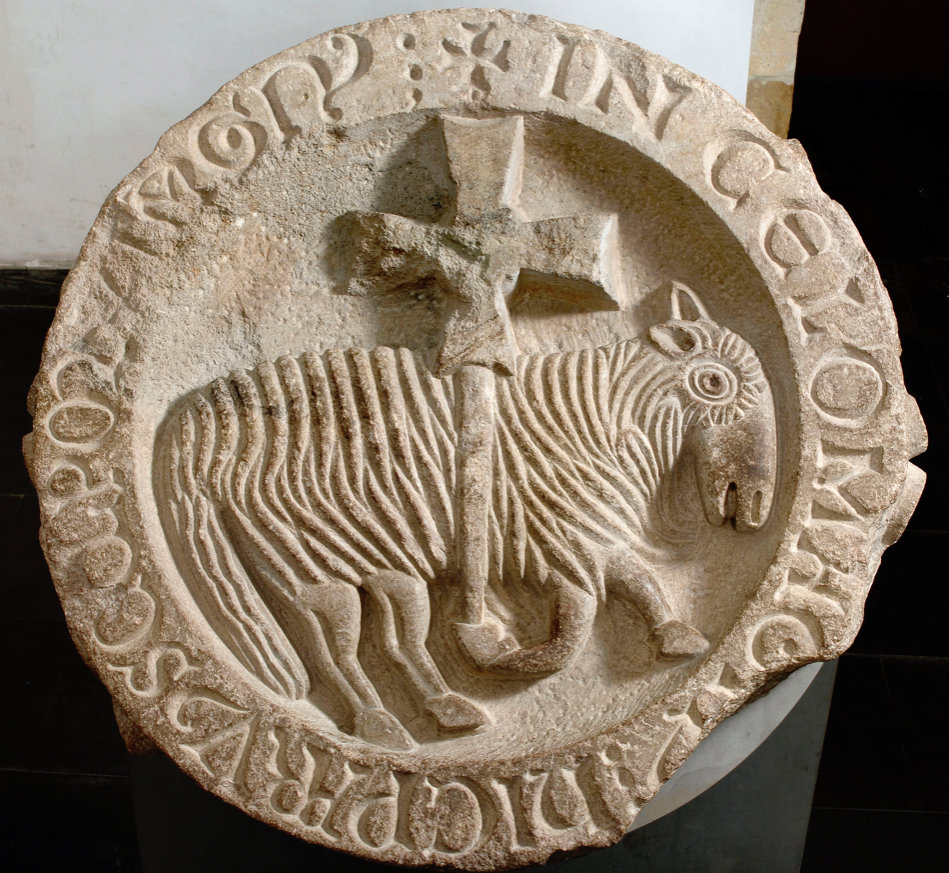
Agnus Dei, Galilee of Cluny Abbey, second half of the twelfth century. Cluny, Museum of Art and Archeology. © Philippe Berthé / CMN Dist. SCALA, Florence
One of the most suggestive aspects of the tour is the reflection on the "retrospective" nature of the art of the Master of Cabestany, who was inspired by models from late antiquity, especially Roman sarcophagi. This look towards the past, reinterpreted with his own language, places the artist in a unique position within the Romanesque tradition.
The exhibition discourse is organized into three main areas. The first addresses the destruction and dispersion of the portal in the 19th century and the birth of modern heritage awareness. The second delves into the medieval golden age of the monastery, its links with Rome and the construction of legendary stories, presenting a proposal for the reconstruction of the portal. Finally, the third area explores the classical sources and the sculptural language of the Master of Cabestany, putting works from the 11th and 12th centuries into dialogue with reliefs and sarcophagi from the Roman period.


You may be
interested
...