Exhibitions
Catalonia claims the 'Cerdà Universe' on the 150th anniversary of his death
Institutions and professional associations are promoting a broad program in 2026 to rediscover Ildefons Cerdà i Sunyer as the father of modern urbanism, beyond the Eixample Plan.
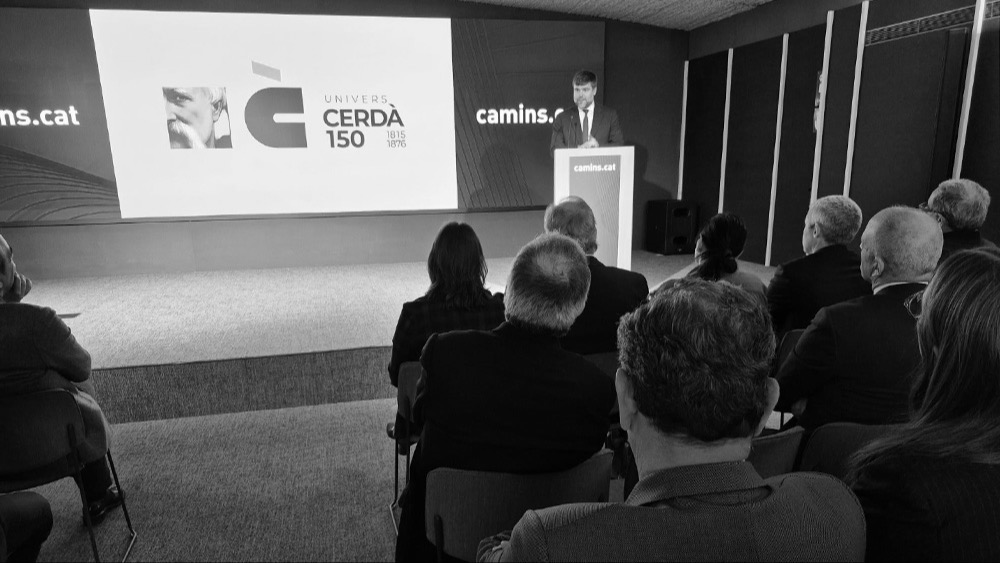
The year 2026, Catalonia will commemorate the 150th birthday from the death of Ildefonso Cerda and Sunyer (1815-1876), civil engineer, urban planner and social reformer born in Centelles. Under the title Univers Cerdà , the Generalitat de Catalunya, the Diputació de Barcelona, the The city councils of Barcelona and Centelles, and the professional associations of engineers and architects have articulated an official program to rediscover a figure who transcended the recognized Eixample Plan.
The tribute, which coincides with Barcelona's status as the world capital of architecture, aims to highlight Cerdà as the father of modern urbanism and the "General Theory of Urbanization" (1867). The aim is to publicize his role as a social scientist, jurist and politician, highlighting his vision of the city how one system complex of infrastructures, health and equity. The commemoration emphasizes the duality of his thinking: "ruralizing the urban and urbanizing the rural", a premise born from his origins in the rural world of Osona.
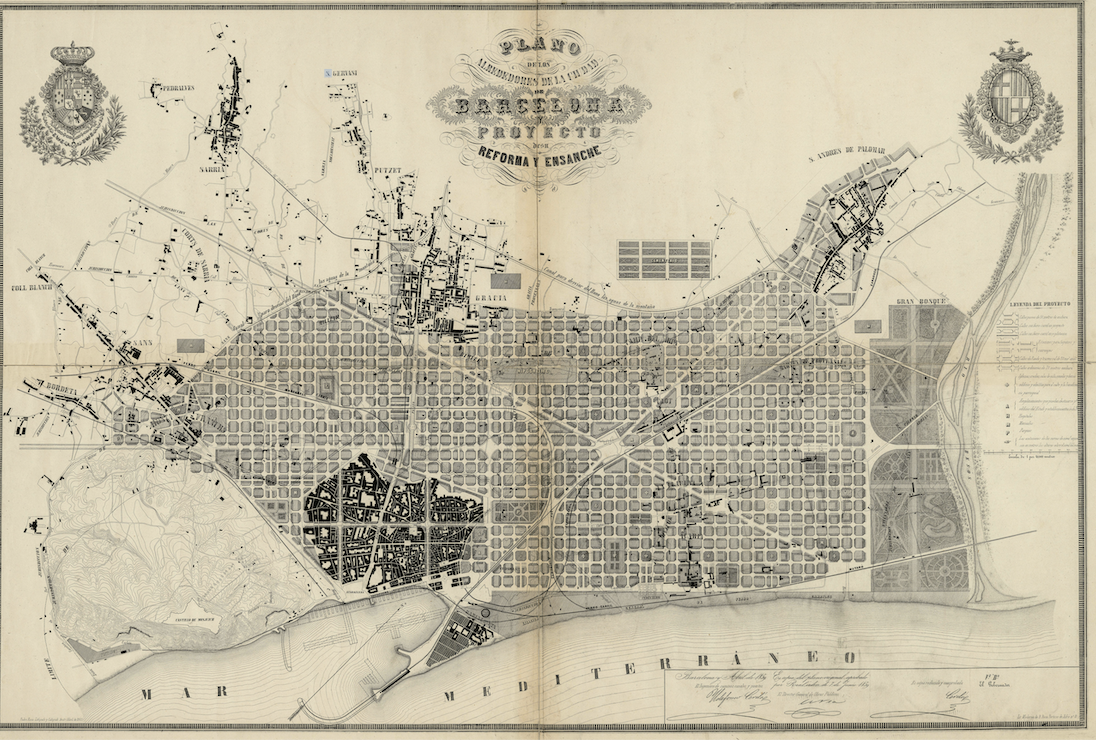
The Barcelona Provincial Council has a key role in the organization, a result of the link historical with Cerdà, who was its president between 1873 and 1874. The entity provincial leads the exhibition Central Universe Cerda. More beyond from l'Eixample , which will open in Centelles in the fall of 2026 and will move to the Can Serra building in Barcelona in December of the same year. This exhibition will also travel to Madrid for give to to know the his/her dimension how the scientist most important peninsular social movement of the 19th century.
In addition to the exhibition, the Provincial Council is co-organizing with the CCCB a seminar on the city-territory relationship on November 16 and 17, 2026. This action is part of the fulfillment of Sustainable Development Goal (SDG) number 11 for sustainable cities.
The Centelles City Council, with the technical support of the Provincial Council, will deploy a local program that includes an annual symposium and conferences on the dialogue between Cerdà and economists such as Fabià Estapé. Tribute will also be paid to his daughter, the artist and activist Clotilde Cerdà, on the centenary of her birth, with a specific exhibition.
The program is completed with a cycle of eight informative days promoted by the College of Civil Engineers to debate challenges current how housing, the mobility railway and urban justice in the light of Cerdanyo's thought.
You may be
interested
...