Exhibitions
Alpha and omega of Gonçal Sobrer in Can Framis
The Vila Casas Foundation presents at Can Framis a retrospective of almost two hundred works —many of them unpublished— that cover six decades of creation by Gonçal Sobrer and his critical, popular and radically free view of Poblenou and contemporary society.
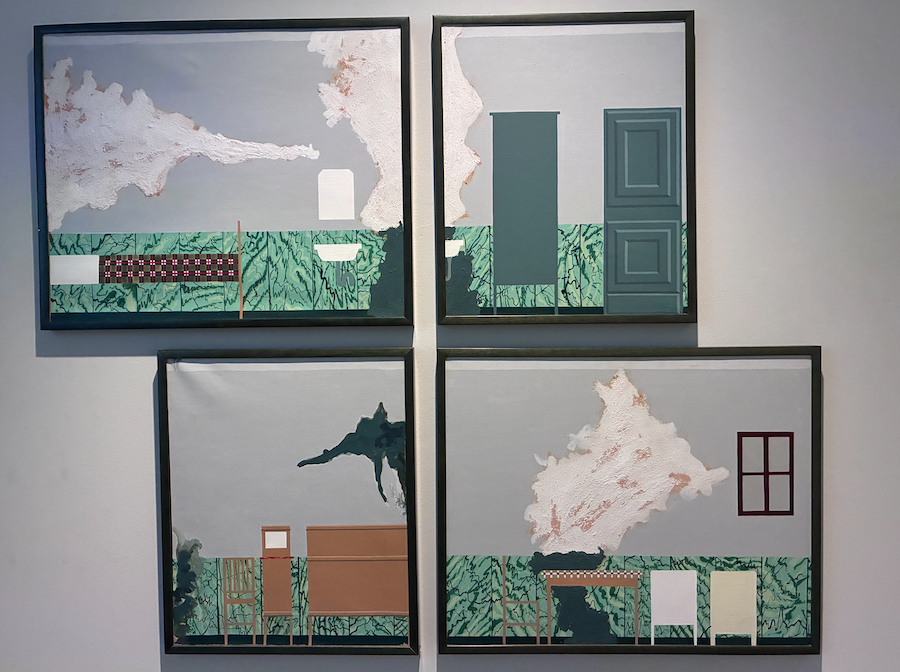
Can Framis, the museum headquarters of the Vila Casas Foundation in the Poblenou neighborhood of Barcelona, is hosting Un gran fracàs , the new exhibition dedicated to the work of Gonçal Sobrer that will be on view until May 31. Curated by Pere Pedrals, the exhibition brings together nearly two hundred works —many of them unpublished— and proposes a journey through the vital and artistic trajectory of a creator who has made risk, freedom and the possibility of failure a way of understanding art and life.
Fifteen years after the exhibition dedicated to Sobrer at the Can Felipa Civic Centre, this new proposal reinforces the link between the artist and the neighbourhood that has profoundly marked his vision. The exhibition revisits more than six decades of creation, from the sixties to the present day, placing Sobrer's work in dialogue with the social and cultural history of Poblenou, a popular and resilient territory that is also part of the city's story.
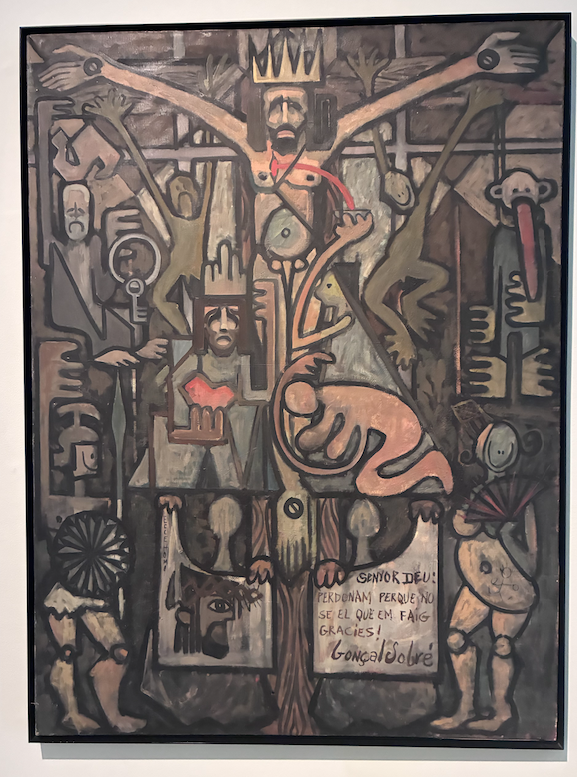
Christ (Lord God: forgive me because I don't know what to do. Thank you!), 1963.
Failure as a life attitude
A great failure starts from a central concept: the idea of failure as an emancipatory possibility. In Sobrer's case, failure is not a defeat but a radically free option, a way of assuming the unexpected turns of life and art. This vital attitude is what has allowed the artist to denounce, with incisive lucidity, the collective failure of contemporary society.
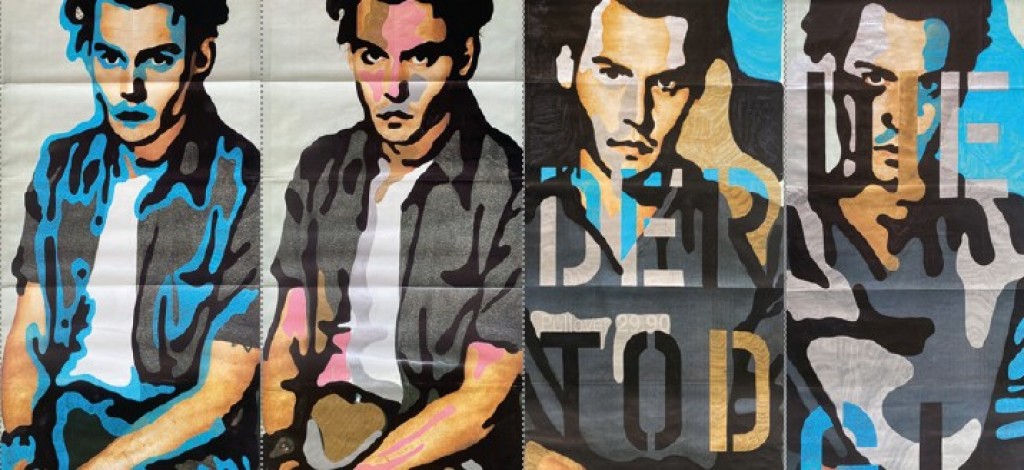
His painting is characterized by a deliberately torn and anti-academic expressionism. Sobrer constructs a universe populated by grotesque characters, everyday scenes and references to popular culture. This imaginary, often ironic and provocative, vindicates popular art and dialogues with what he himself has defined as xava art : a critical, but also poetic, look at the urban reality of Barcelona and, especially, Poblenou.
From festive body painting
The exhibition also reviews several key episodes in Sobrer's career. The artist directs his gaze towards the symbolic figure of the Javanese cow , a recurring element within his iconographic universe. In between, decisive moments appear: his association with the marquee group, the souvenir paintings, the La Bohèmia winery period or the altarpiece project intended to decorate the Expiatory Temple of the Sagrada Família.
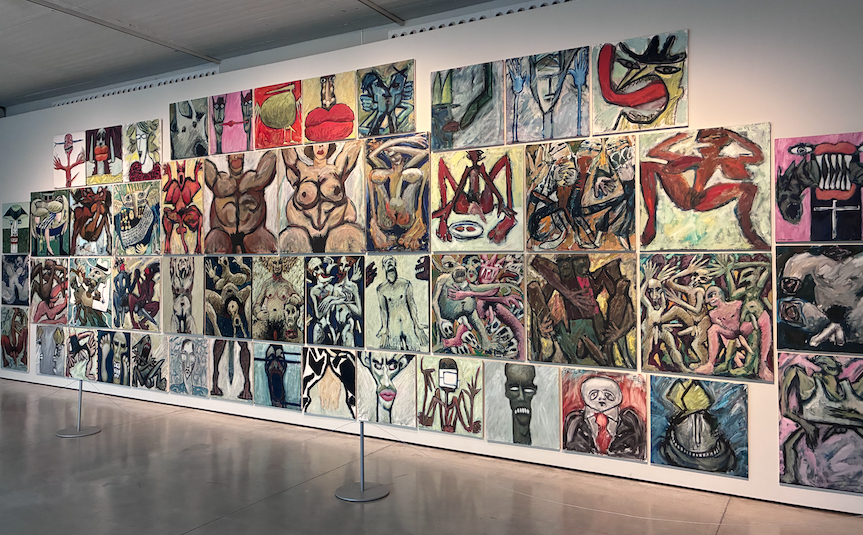
Proposal for an altarpiece to decorate the Expiatory Temple of the Sagrada Família in Barcelona, 1999-2005.
In this process, Sobrer also progressively moves the art of the pictorial support towards other forms of expression. The festive body, intervention in space and experimentation with the object become creative tools that expand the limits of pictorial language. It is no coincidence that the artist is also remembered for having promoted the first happening held in Catalonia, a pioneering gesture within the country's artistic scene.
A vital and creative journey
The Can Framis exhibition at the Vila Casas Foundation thus traces the journey of a life marked by creation and freedom. From his beginnings as a young man working in the world of pastry at Can Barea to his studies in Fine Arts —where he coincided with figures such as Pilarín Bayés, Eduard Arranz-Bravo or Rafael Bartolozzi—, Sobrer's journey reflects a singular way of understanding art.
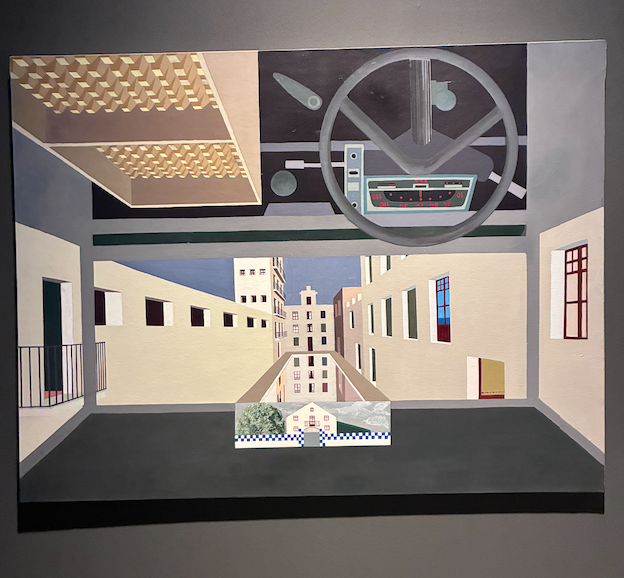
Untitled, c. 1975.
His biography crosses spaces as diverse as the Hotel Romàntic, a scene of creative experiences, and continues with a chain of exhibitions, installations, films and happenings that confirm his experimental attitude. In all these stages, Sobrer maintains a radically personal artistic practice, far from conventions and faithful to an idea of art as an act of freedom.
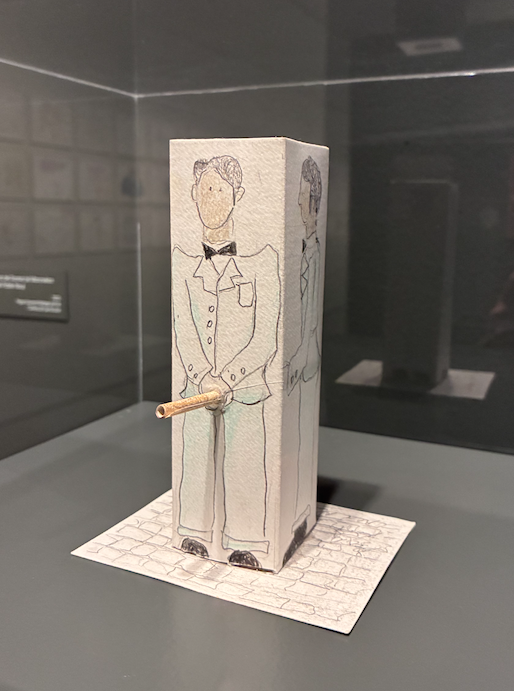
The Santet fountain (at Maneken Pis in Poble Nou), 2022.
You may be
interested
...