Exhibitions
Ethics, affection and transformation in contemporary art with Shared Gestures
Àngels Barcelona brings together the practices of Mireia c. Saladrigues and Marcelo Expósito in an exhibition that combines social intervention, iconoclasm and material research.
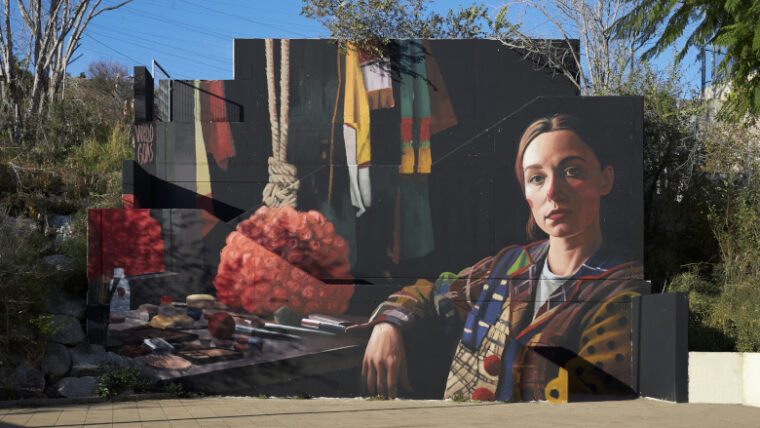
Àngels Barcelona presents Shared Gestures , the new exhibition that brings together the works of Mireia c. Saladrigues and Marcelo Expósito. Inaugurated on February 14, the exhibition can be visited until April 11 and proposes an unprecedented dialogue between artistic practices that are very different in form and style, but that share a common ground that goes beyond aesthetics: their connection is essentially ethical, methodological and political.
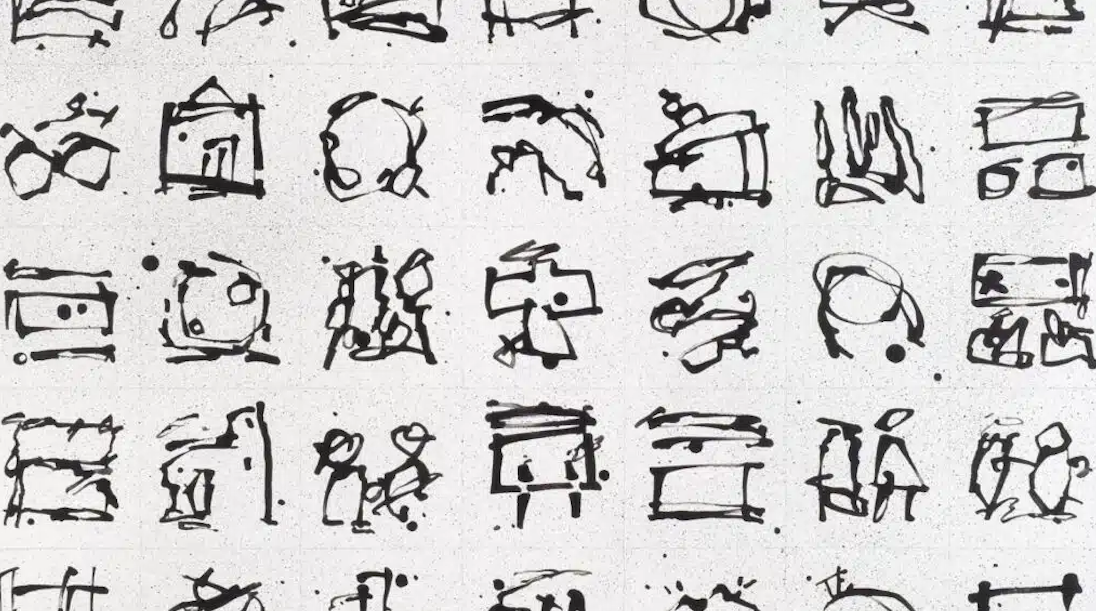
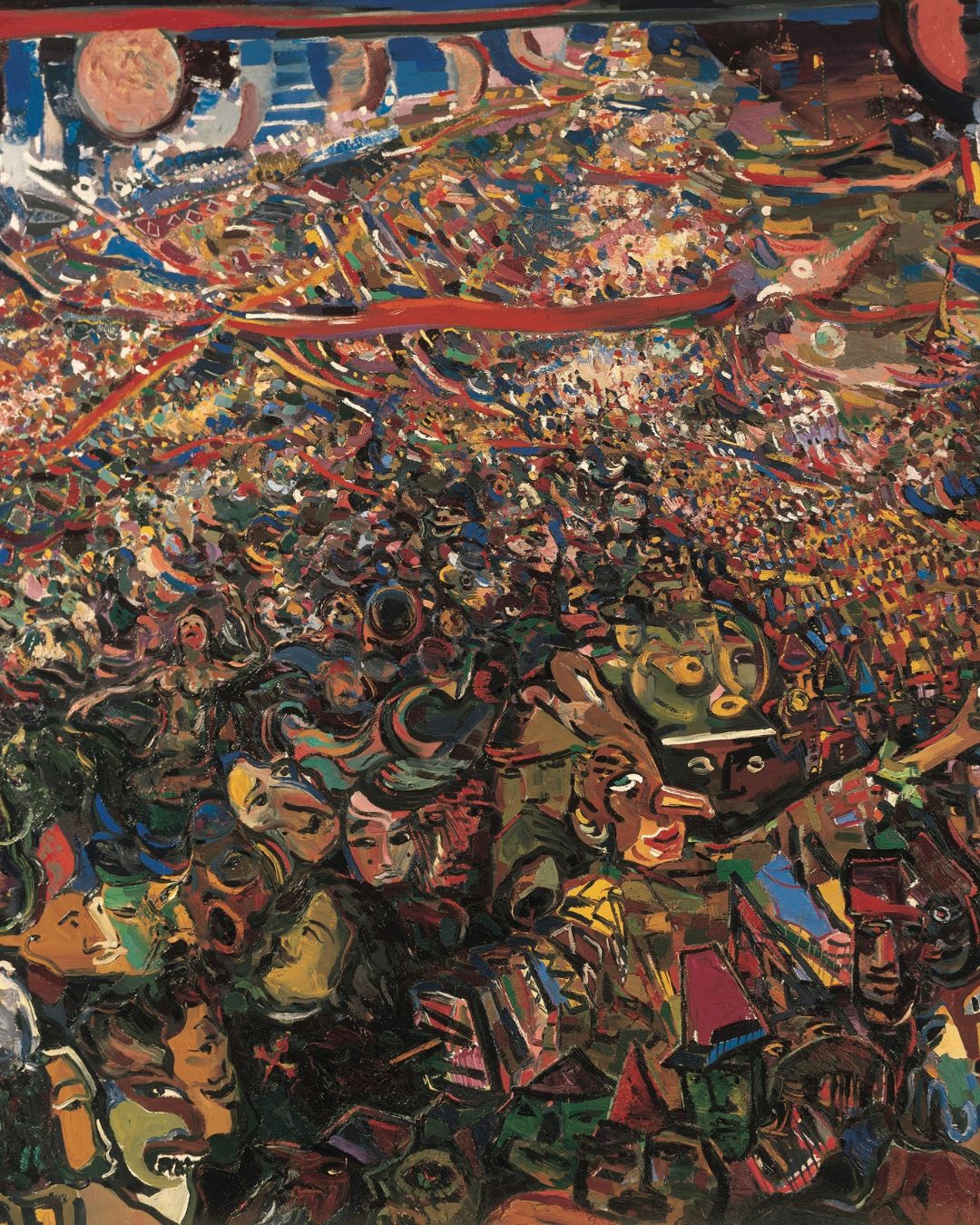
Marcelo Expósito conceives art as a tool for social intervention, linked to collective movements, critical pedagogy and the production of shared knowledge. His works include Comments on Enlightened Violence , a set of works developed during his residency at the Spanish Academy in Rome (2022-2023). This series combines visual and sound artifacts created from handwritten and printed texts, documentary voices and sounds, forming a constellation of interrelated experiments. The work is born in an Italian context that functions as a political laboratory of a European reality with global resonances: the rise of new forms of fascism and the difficulty of reactivating the global insurrections that began around 1968, two closely connected issues that are present in the political reading of his art.
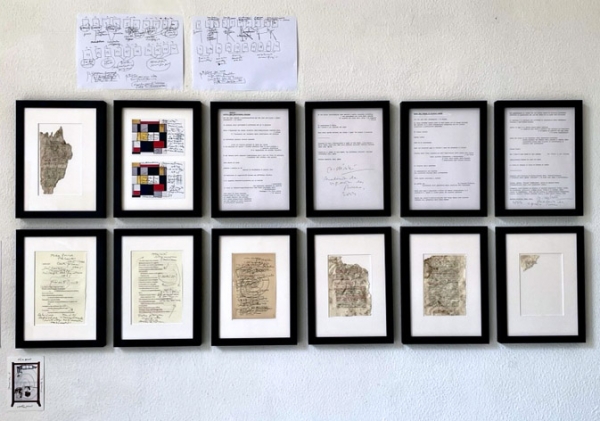
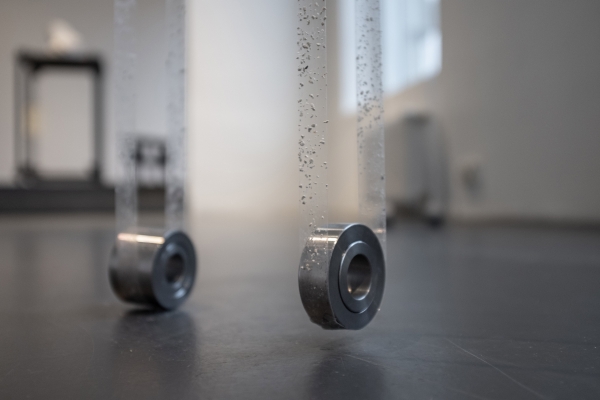
For her part, Mireia c. Saladrigues explores the fragility of marble, a material traditionally revered for its nobility and resistance, focusing on its inevitable degradation. Her recent works, inspired by the acts of iconoclasm committed against Michelangelo's Pietà and David, reveal fractures, scattered fragments and the dust derived from hammer blows. Her research goes beyond iconoclasm as a phenomenon of artistic reception: she also approaches it from the perspective of new materialism, considering the inherent qualities and behaviors of the work as an integral part of its artistic narrative.
Exhibition in the form of a subtle dialogue between art as a tool for social transformation and art as a space for intimate reflection, where ethics and affection are at the center of artistic practice, offering the public an experience that interrogates both the external and internal worlds of each work.

You may be
interested
...