
Exhibitions
An enigmatic journey through the creative universe of Vicenç Huedo at the Girona Art Museum with Calamicleos. Misery and glory
Automatic drawings and paintings inspired by the poems of Juan de Mena reveal a mysterious and fascinating visual alphabet.
The exhibition Calamicleos. Misery and Glory can be visited at the Girona Art Museum until May 24. This exhibition brings together the most unusual, surprising and enigmatic works by the artist Huedo, offering a deep perspective on his creative universe. The initiative is part of the cycle “(Res) és veritat”, a project promoted by the Girona City Council and the Fita Foundation, which is being implemented in a total of eight cultural facilities in the city, with the aim of exploring the limits of perception and reality through contemporary art. The exhibition invites the public to enter a visual and conceptual journey that combines strangeness, reflection and aesthetic impact, making this visit a unique experience for art lovers.
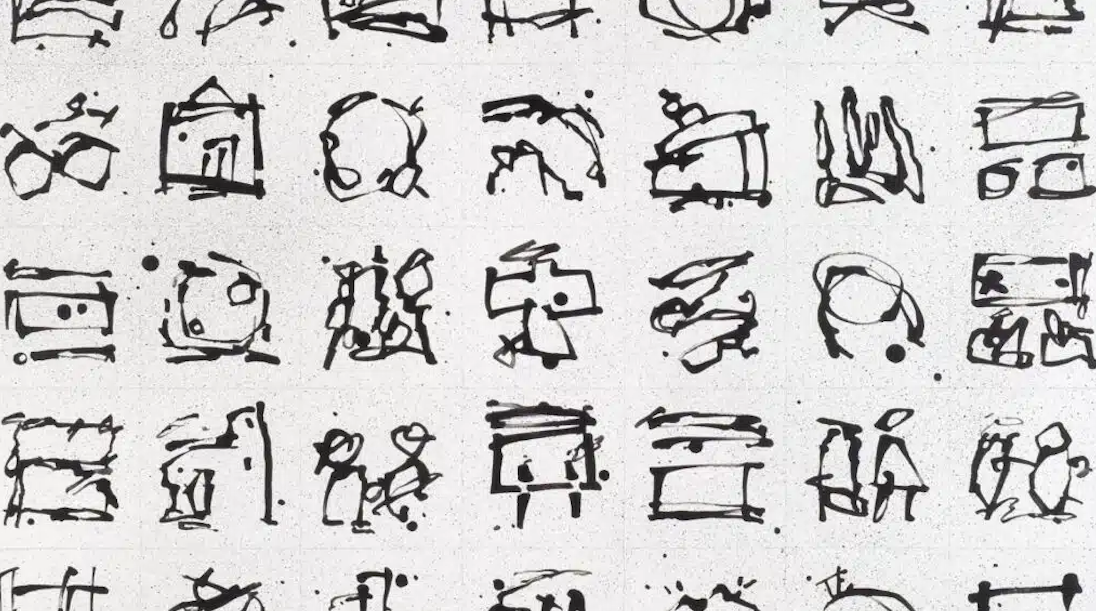
Curated by Kim Bover Busquets and Carme Sais Gruart, showing at the Museu d'Art de Girona the drawings and paintings that the artist himself calls “calamicleos”. The name comes from the artist's memory of some poems written by the 15th-century Cordoban poet Juan de Mena dedicated to the theme of “misery and glory”. They are his most cryptic, unusual and enigmatic works. They consist of a kind of small drawings, which seem like simple scribbles, made automatically. In fact, the first lines that the artist, apparently absent-mindedly, draws on any paper that does not have a fixed horizon can be calamicleos, that is, traces that seem capricious. In his calamicleos, the scribbles are arranged as if they were signs of an indecipherable iconographic alphabet.
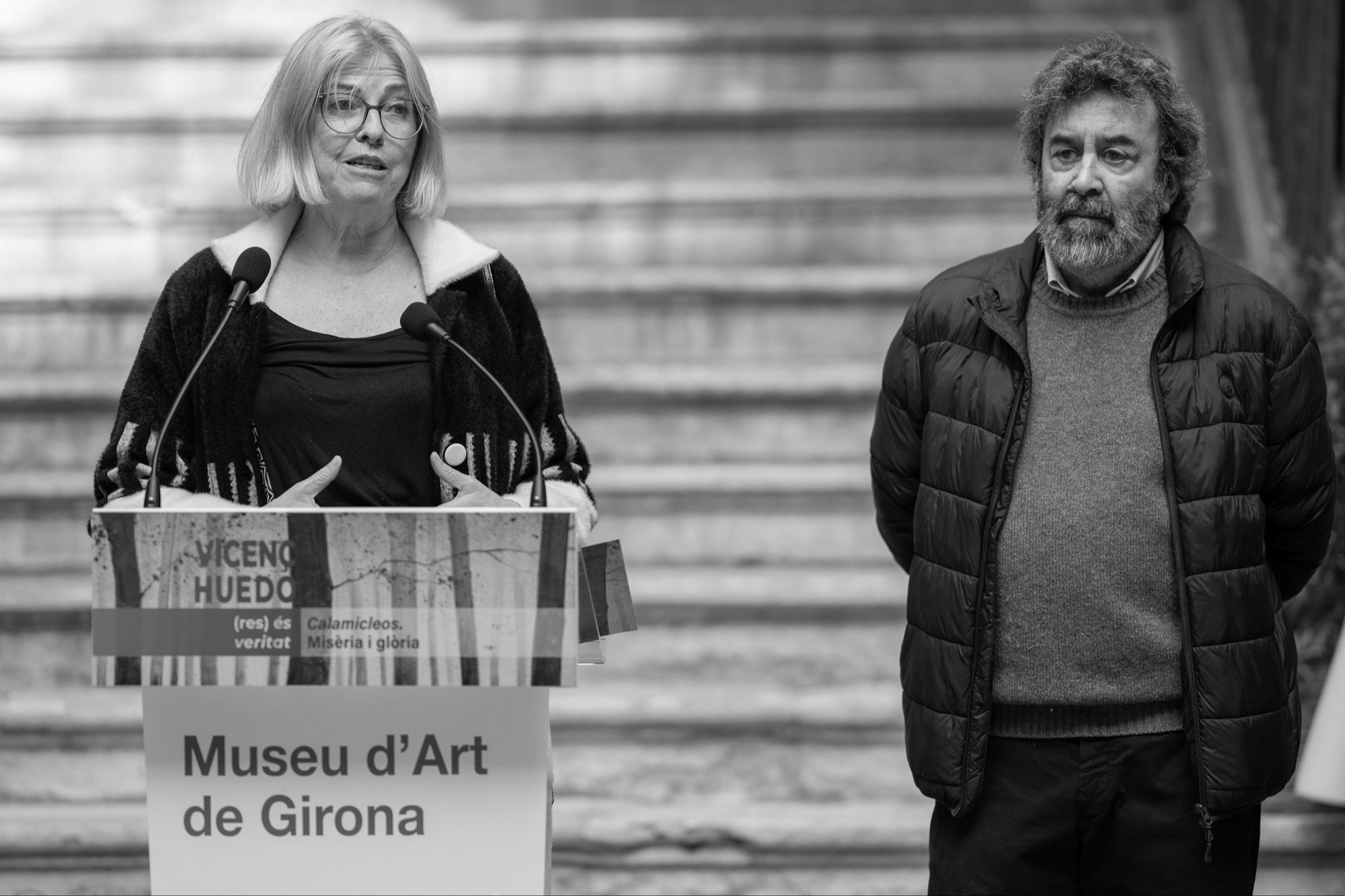
Carme Sais, curator of the exhibition, highlights that the exhibition cycle unfolds as eight chapters, one in each space.
The calamicleos are, without a doubt, his most cryptic, unusual and enigmatic works. They are small drawings that, at first glance, may seem like simple scribbles, created automatically and spontaneously. Often, the first lines that the artist traces, apparently casually on any paper without a predetermined horizon, can become a calamicleo: traces that seem capricious but that hide an internal order. In these compositions, the scribbles are organized as if they formed a mysterious and undecipherable iconographic alphabet, creating a visual universe that defies perception and invites detailed contemplation.
These pieces show the artist's most unknown facet, far from the realism for which he is usually recognized. Accompanied by four works from the collection of the Prudenci Bertrana Foundation, these creations connect with the most surreal and enigmatic aspects of his career, offering a different and deeper look into his creative universe.


You may be
interested
...