Exhibitions
Transatlantic Gomis where the modern gaze that crosses the Atlantic lands at the Miró
The Fundació Joan Miró vindicates the young Joaquim Gomis with a selection of unpublished photographs from the southern United States that anticipate his artistic complicity with Miró and consolidate his key role in Catalan visual modernity.

The lobby of the Fundació Joan Miró hosts, from February 10 to July 12, Gomis transatlàntic , a proposal that places the figure of Joaquim Gomis at the center of the exhibition narrative. An essential photographer for understanding the renewal of modern visual language in Catalonia, Gomis built a broad, methodical and formally demanding production. His camera not only documented the life and work of Joan Miró, but also his vital landscapes and, in a particularly valuable way, the creative processes that articulated his artistic universe.
© Heirs of Joaquim Gomis. Joan Miró Foundation, Barcelona, 2025.
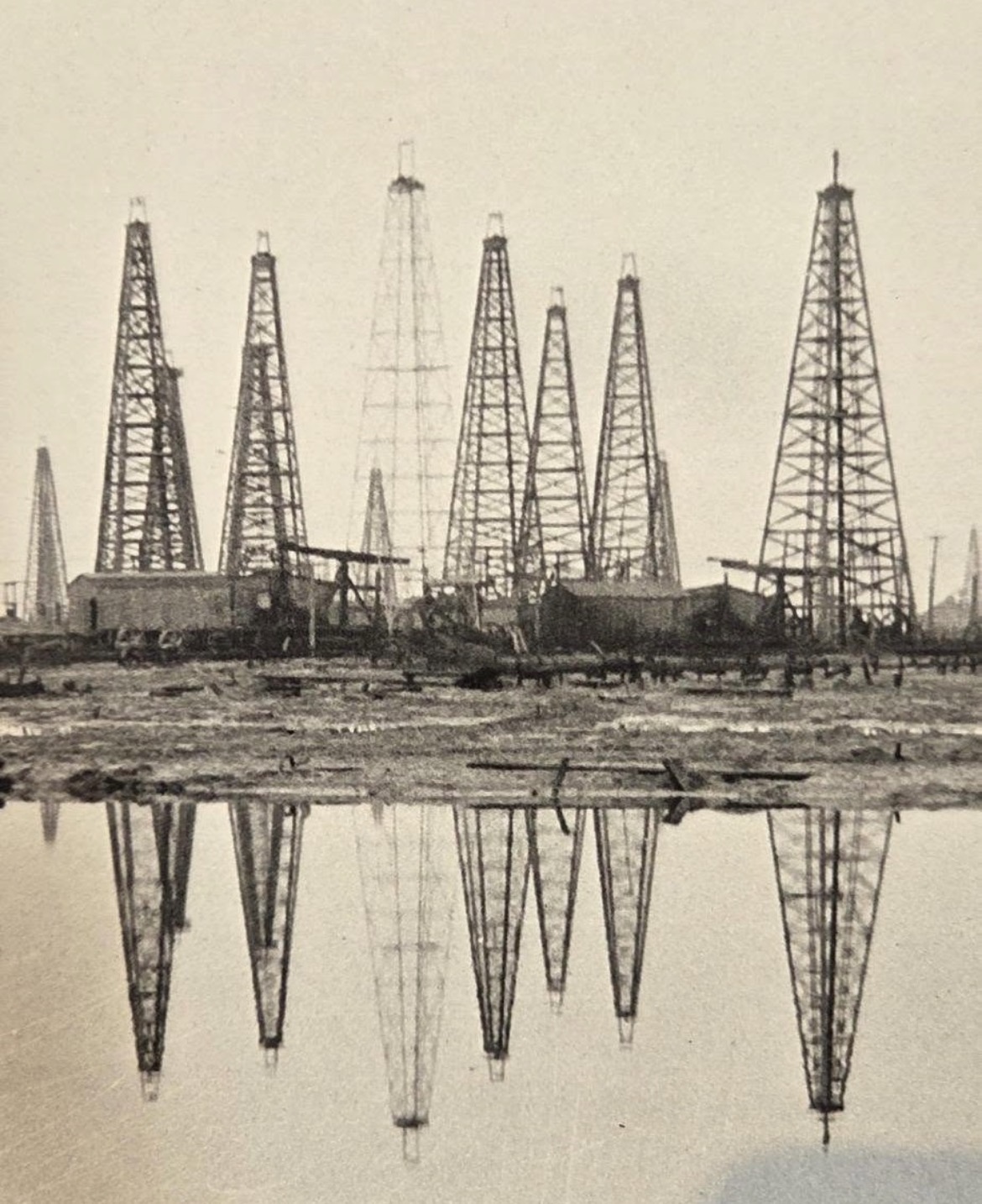
The exhibition takes over from Retrats sentimentals de New York, by Joan Casellas, and now proposes a geographical and symbolic displacement: from the New York evoked by Casellas to the southern United States that Gomis traveled between 1922 and 1923. This new selection of images also dialogues with the last days of the exhibition Miró and the United States, which can be visited until February 22 at the same center, thus generating an interesting game of mirrors between contexts, influences and Atlantic crossings.
At just twenty years old, a very young Gomis was sent to Texas —then the country's leading cotton producer— with the aim of learning how the cotton industry worked. That formative experience would also become a visual discovery. The photographs taken during his stay show both the machinery of the sector—plantations, infrastructure, production processes—and scenes of everyday life that reveal a society structured around the automobile, industrial modernity and, poignantly, racial segregation.
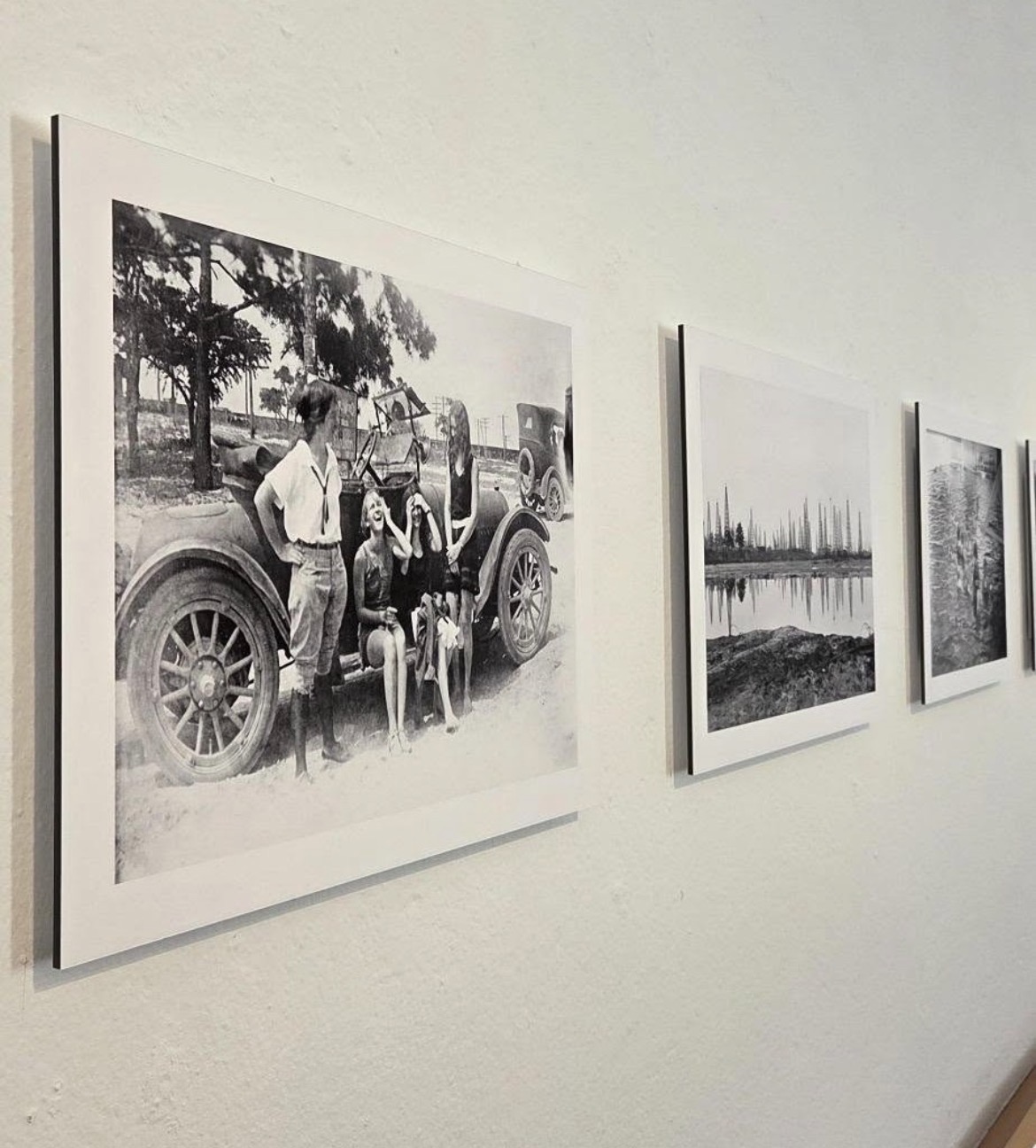
© Heirs of Joaquim Gomis. Joan Miró Foundation, Barcelona, 2025.
These images anticipate the precise and analytical gaze that would define Gomis's later career. His ability to capture social tensions, productive rhythms and anonymous gestures shapes a visual narrative that transcends anecdote and becomes a witness to an era. Gomis transatlàntic not only recovers an early episode in his career, but also claims it as a key piece for understanding the modern sensibility that would mark, years later, his close complicity with the work of Miró.


You may be
interested
...