Exhibitions
Contemporary figuration and life experience in the work of Eva Armisén
Painted Life, at the Reial Cercle Artístic of Barcelona, traces an emotional cartography where everyday life, bonds and the city become pictorial matter.
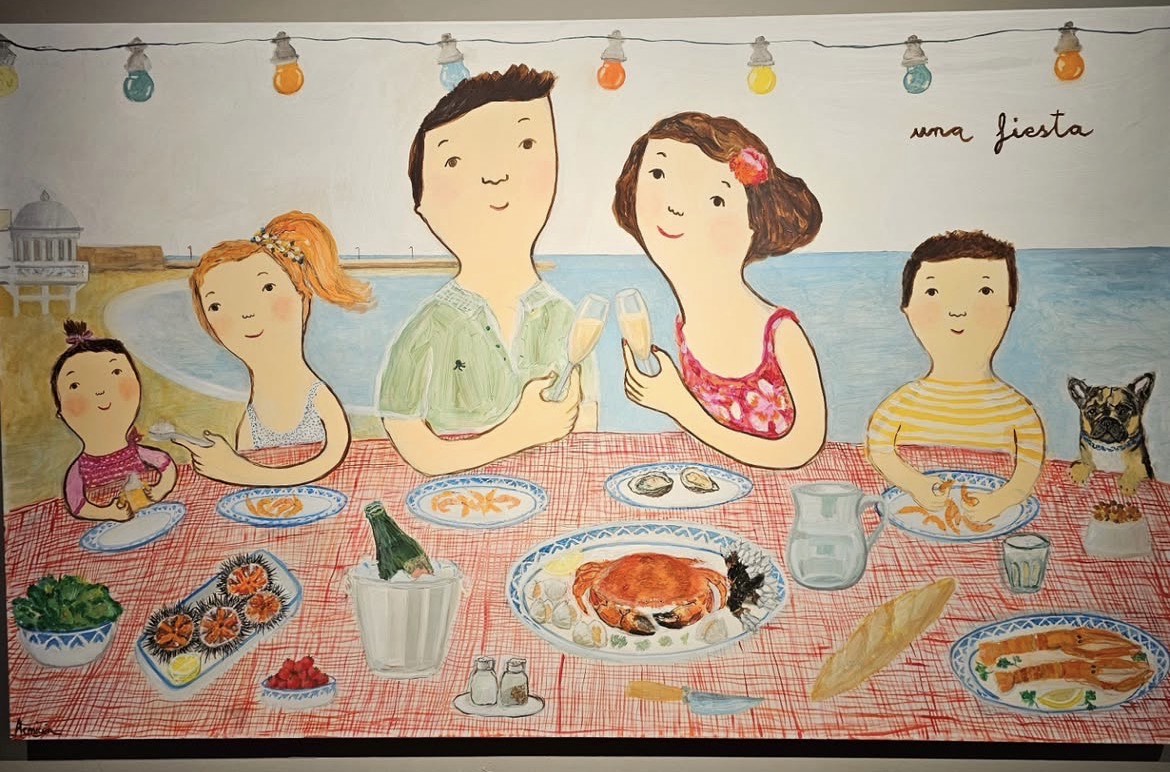
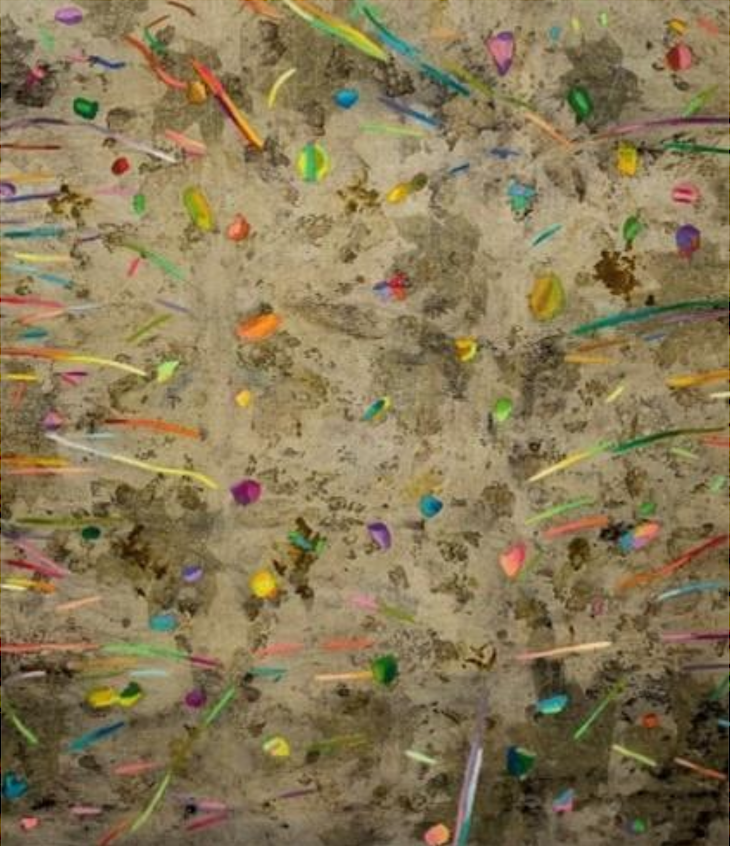
The work of Eva Armisén (Zaragoza, 1969) is part of contemporary figuration as a sensitive and sustained exploration of life experience. A visual artist with a practice that encompasses painting, drawing, engraving, sculpture and public art, Armisén has developed an immediately recognizable language, of a poetic and emotional nature, that places everyday life at the center of the artistic narrative.
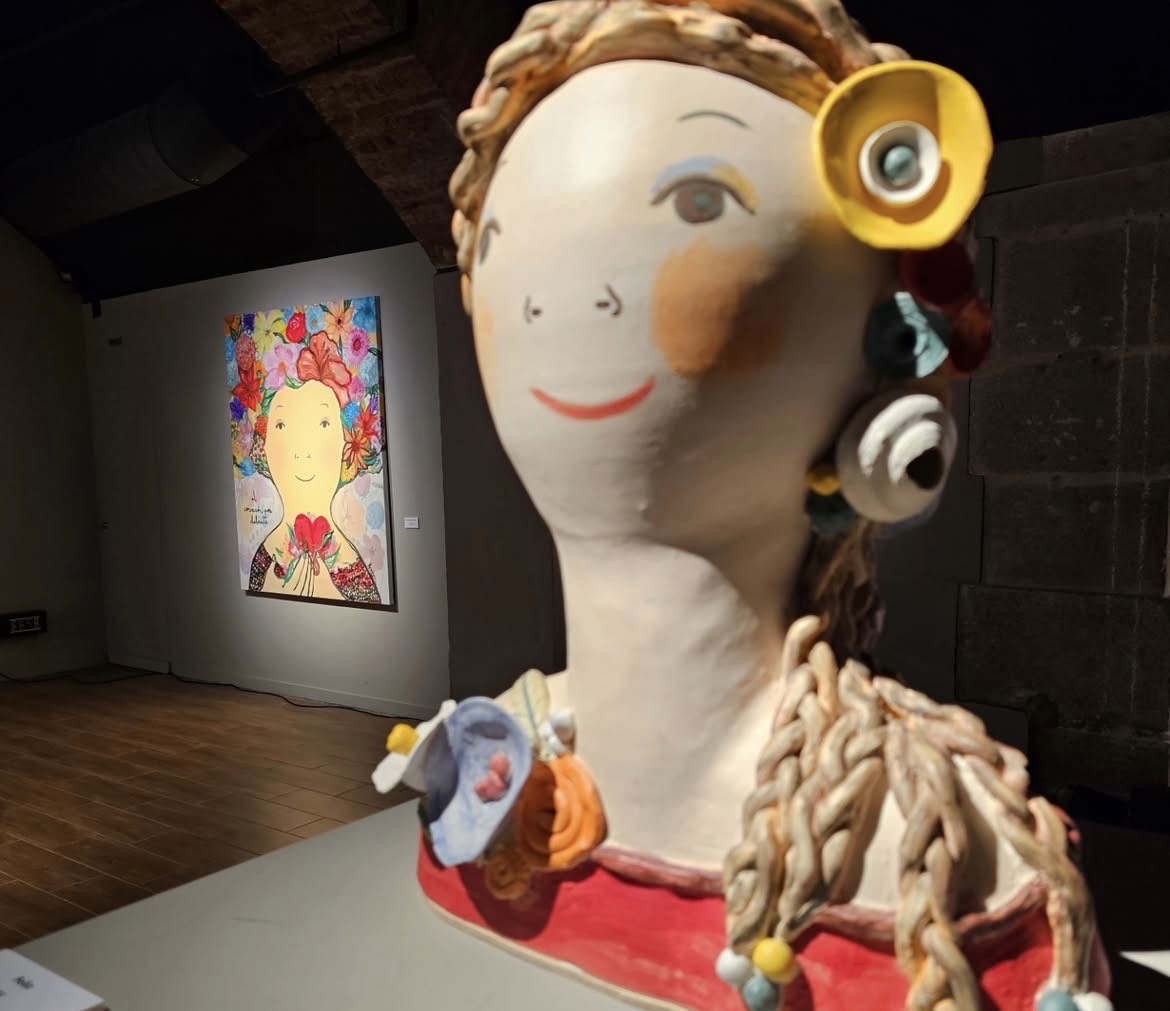
Her works articulate an iconographic universe populated by female figures, hearts, domestic interiors and urban landscapes that operate as metaphors for human bonds. Love, family, childhood, fragility, care and memory appear not as anecdotal themes, but as fundamental structures of her visual thought. Far from any epic or grandiloquent gesture, her work claims the intimate and shared as a space of emotional resistance and everyday transcendence.
The Royal Artistic Circle of Barcelona presents La vida pintada , an exhibition that brings together the mature work of Eva Armisén and that can be visited from January 22 to April 19 in the rooms of the Palau Pignatelli. It is a large monographic exhibition that consolidates the artist's return to the city where she was trained and where she decided to settle, after years of solid international projection. Barcelona is not just a backdrop, but an active element of the exhibition discourse: stage, memory and emotional structure.
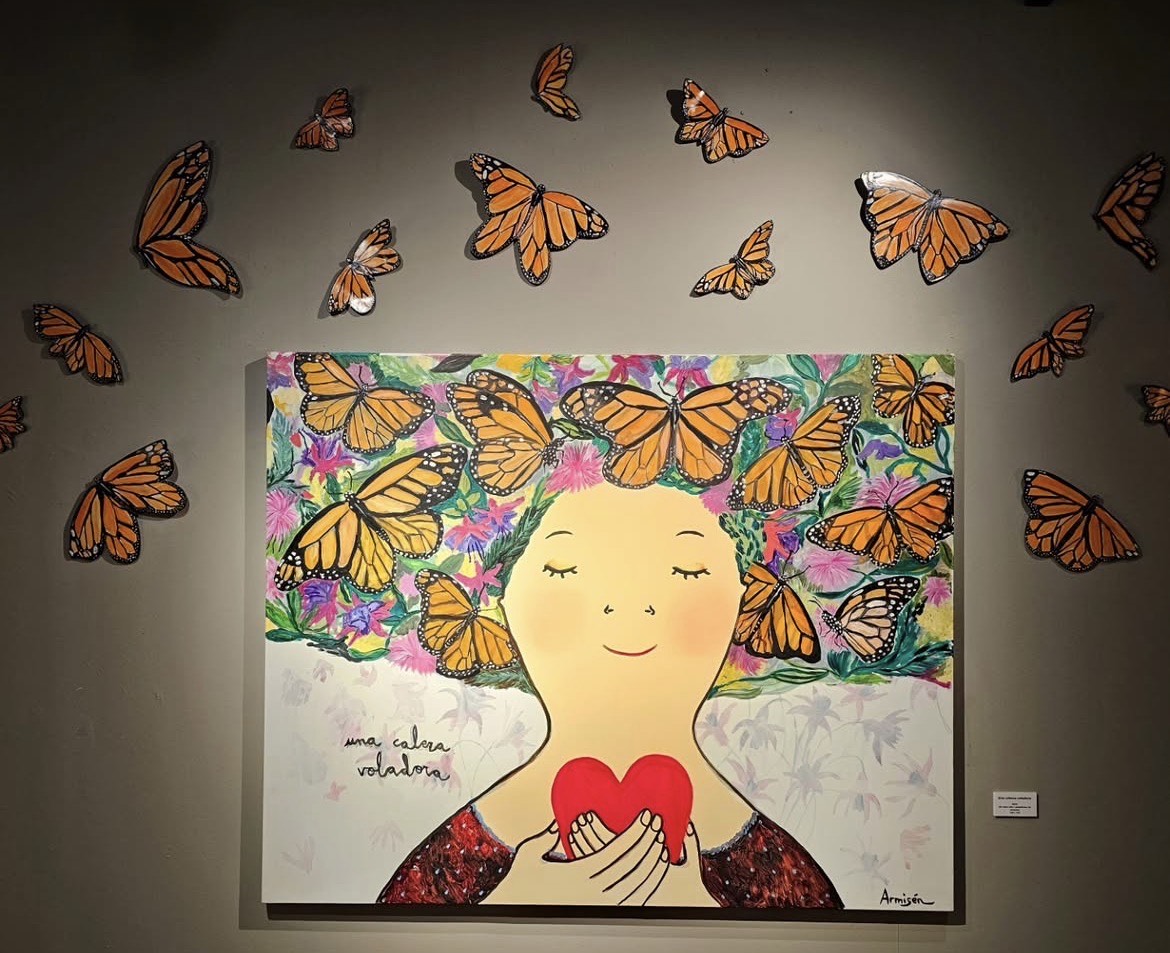
Curated by Lola Durán, La vida pintada is articulated as an affective cartography that crosses different layers of life experience. The journey starts from urban space —the city lived, walked and felt— to progressively advance towards more intimate territories. In this displacement, Armisén constructs a visual story that interrogates the relationship between body and city, identity and belonging, as evidenced by works such as Un mapa único or Aquí estoy , where Barcelona becomes both a physical landscape and mental architecture.
The exhibition then delves into an interior dimension marked by introspection, nature and the sea, understood as a space of calm, memory and repair. Human bonds – love, family, complicity – occupy a central place in a work that speaks of fragility and joy, but also of resistance and the capacity for recomposition. The heart, a recurring symbol in Armisén's imagination, acts as a narrative and conceptual axis: not as an idealized romantic emblem, but as a vital, vulnerable and transformative force.
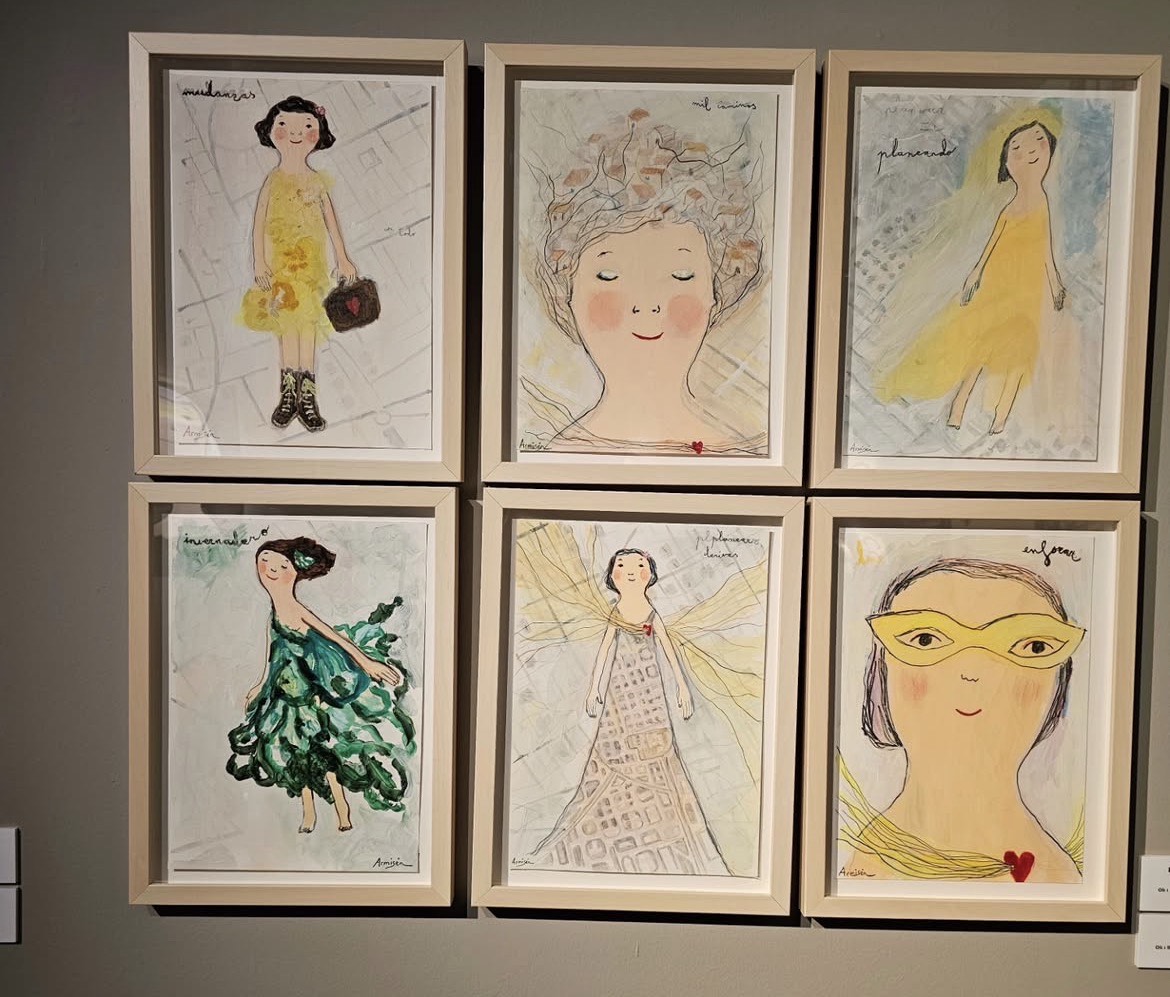
Painting life, in this sense, becomes an ethical and political gesture: a way of inhabiting the world with attention, care and gratitude. The celebration of everyday life, shared tenderness and the ability to support others run through the entire exhibition, which proposes a sensitive and committed look at the contemporary human experience. Painted life not only captures a consolidated trajectory, but also invites us to think of art as a space of emotional resistance and recognition that keeps us united.

You may be
interested
...