News
Beatriz González (1932–2026): the critical gaze that transformed Latin American art
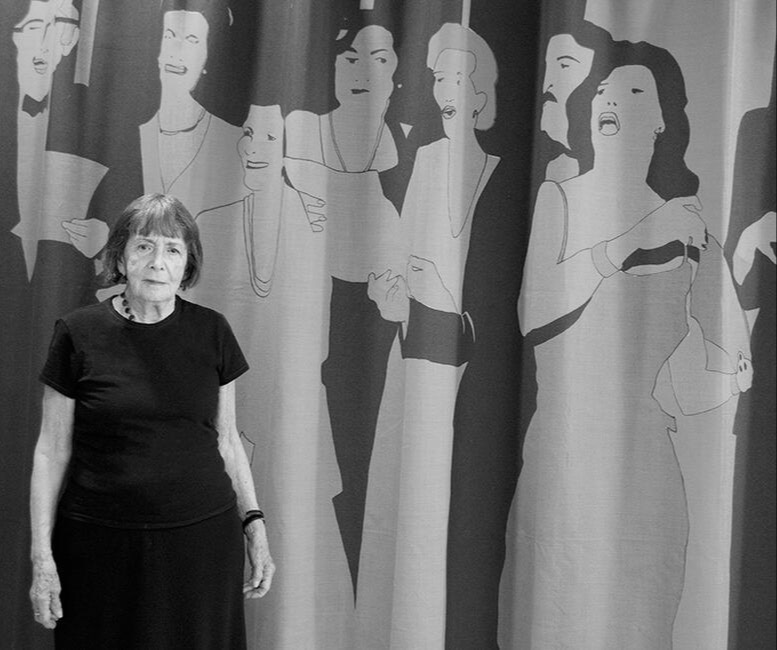
Colombian visual artist Beatriz González, one of the most influential voices in contemporary Latin American art, died on Friday, January 9, at the age of 93. Her death marks the end of an exceptional career that, for more than six decades, reinterpreted the political, social, and visual history of the region from a profoundly critical and poetic perspective.
The news was confirmed by the Museum of Modern Art of Medellín (MAMM), an institution she founded and played a key role in its development. In a message posted on social media, the museum stated: “We deeply regret the passing of Beatriz González (1932–2026), one of the founders of MAMM and a central figure in the development of critical modernism in Latin America.”
González was part of the group of intellectuals, artists, managers, and entrepreneurs who, in 1978, spearheaded the creation of the MAMM, convinced that Medellín needed a space dedicated to disruptive thinking and contemporary artistic practices. From there, his influence transcended the institutional sphere, becoming an ethical and aesthetic touchstone for several generations.
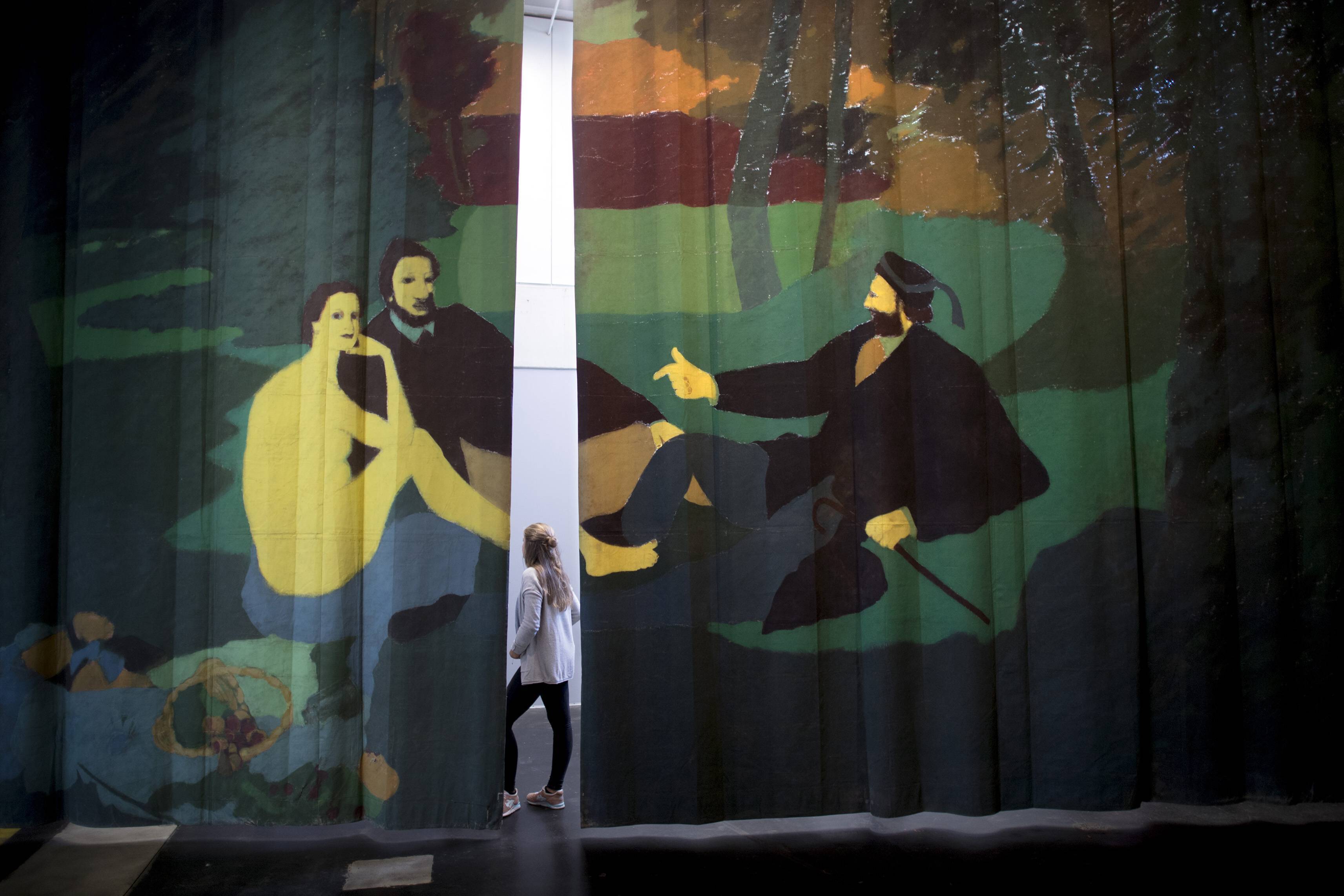
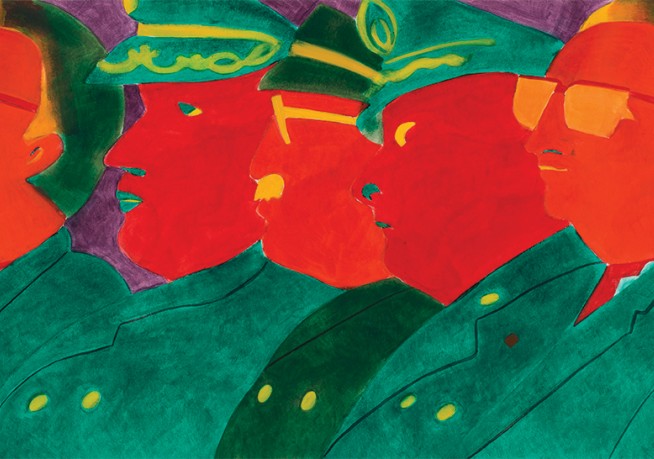
His work, characterized by the appropriation of images from the press, official history, and popular culture, was conceived as an exercise in memory and political analysis. From his early recognition at the 1965 National Salon of Artists with Los suicidas del Sisga (The Suicides of Sisga) , to the powerful monumental intervention Auras anónimas (Anonymous Auras) (2009), installed in the Central Cemetery of Bogotá, González explored collective pain, violence, and the trivialization of tragedy in Colombian history.
Her first solo exhibition took place in 1964 at the Museum of Modern Art in Bogotá, a debut that already heralded a singular voice within Colombian art. From then on, Beatriz González expanded her field of action beyond the practice of painting: she was an art historian, a rigorous researcher, and an influential teacher, roles from which she decisively contributed to the formation of critical thought in the country.
Her place in the history of Colombian art was recognized by her contemporaries. The artist Luis Caballero stated emphatically: “Beatriz is the only great Colombian painter. The only one who has been able to paint Colombian,” underscoring her work's capacity to translate a collective sensibility without resorting to external imitations. Similarly, the painter Juan Antonio Roda maintained: “Beatriz is the best Colombian painter. The best of the women and better than many men,” a statement that, beyond the controversy, demonstrated the weight and uniqueness of her work in a field historically dominated by men.
The Banco de la República Museum was another key venue for the circulation of her work. There she presented pieces such as "The Third of May Executions " and what she herself called "our Guernica ," works with which she transposed iconic images from art history to the Colombian context to confront the viewer with accounts of massacres, political violence, and social conflicts, inscribing the country's memory in a critical dialogue with the Western visual tradition.
The impact of his work reached top-tier international stages. His works were exhibited at Documenta in Kassel and in institutions such as the Museum of Modern Art in New York (MoMA), the Reina Sofía Museum in Madrid, the Pinacoteca de São Paulo, and the British National Museum of Modern Art, solidifying his place as a key figure in global art from the Global South.
With the death of Beatriz González, a fundamental artist disappears, but a lucid and uncomfortable body of work remains that will continue to question the present and remind us that art is also a form of resistance and memory.
You may be
interested
...