Exhibitions
The Figueres Toy Museum hosts 'Glamorous Barbie', one of the most important collections in Europe
More than 2,000 Barbies from the Llobet-Tomàs collection invite us to rethink gender roles, consumption and visual culture until March 8, 2026.
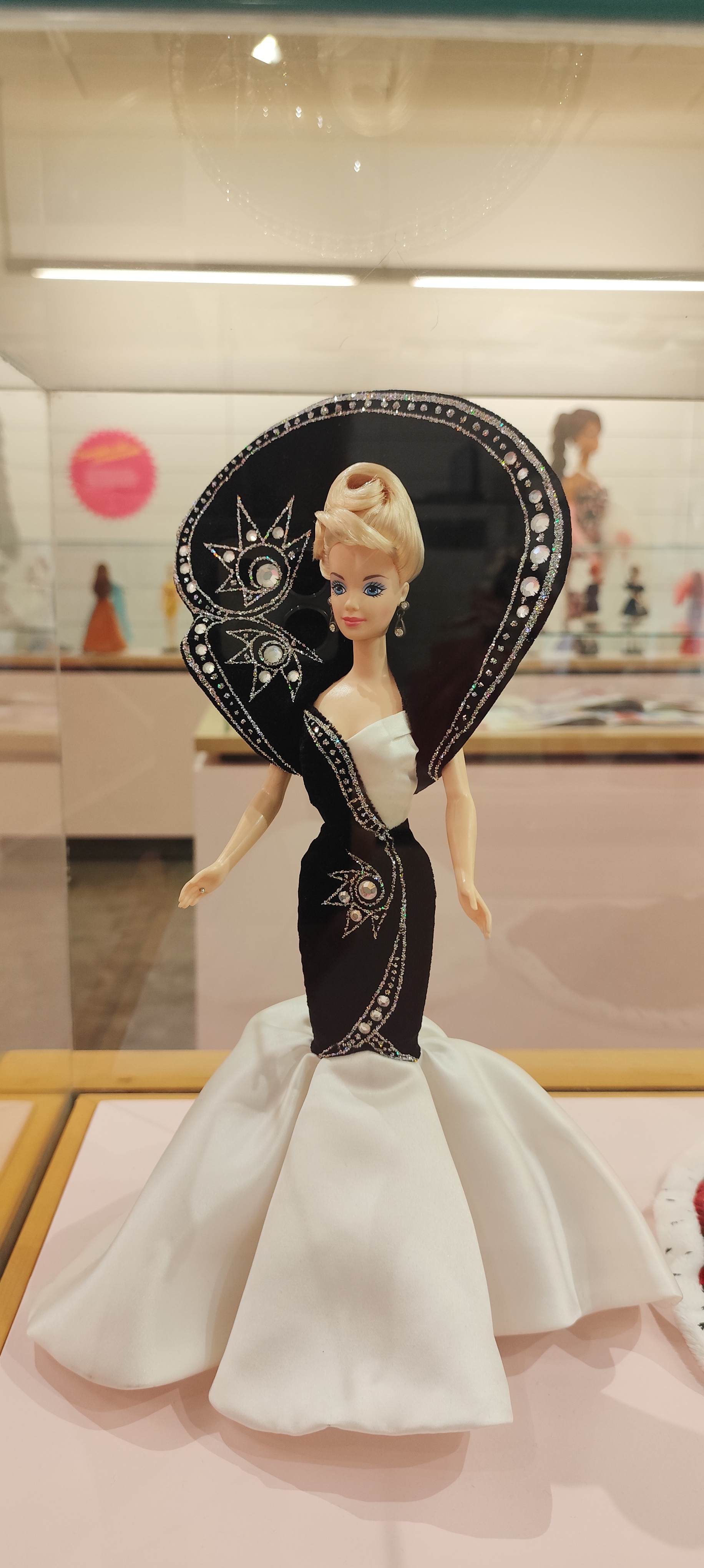
From October 11, 2025, you can visit the temporary exhibition Glamorous Barbie Llobet-Tomàs Collection in the Open Room of the Toy Museum of Catalonia - Figueres. The inauguration ceremony was attended by institutional representatives such as Mayor Jordi Masquef, who wanted to publicly congratulate the Llobet and Tomàs family for wanting to share this collection with the city of Figueres. For their part, the management of the Toy Museum of Catalonia- Figueres wanted to emphasize that this proposal wants to break the typical clichés about the girl and read her as a mirror of visual culture, consumption and the construction of gender roles over time.
This exhibition refers to the more than six years of history of the legendary doll created in 1959 by Ruth Handler and features more than 2,000 Barbies from the Llobet-Tomàs collection in Figueres, considered one of the most important in all of Europe. In 1959, Llobet was eight years old and, during a movie session, she saw a report about Barbie. She found it so groundbreaking and so different from those of post-war Spain, that she decided to get one. This desire was the driving force behind a lasting hobby that she ended up sharing with her husband.
The art of making Barbies unique
According to sources from the Toy Museum of Catalonia-Figueres, the limited series Barbies, like the special editions, are not designed to be played with, since "they are valuable pieces, intended for collectors. Of each limited series, a maximum run of 35,000 units is made. And for all those collectors who want to buy them, a certificate of authenticity will be given". It is also necessary to take into account the acronym OOAK, which comes from the English expression "One of a Kind", which can be translated as "The only one of its kind". Therefore, when we talk about an OOAK Barbie, it refers to a unique specimen, which has been individualized by the talent and magic of an artist.
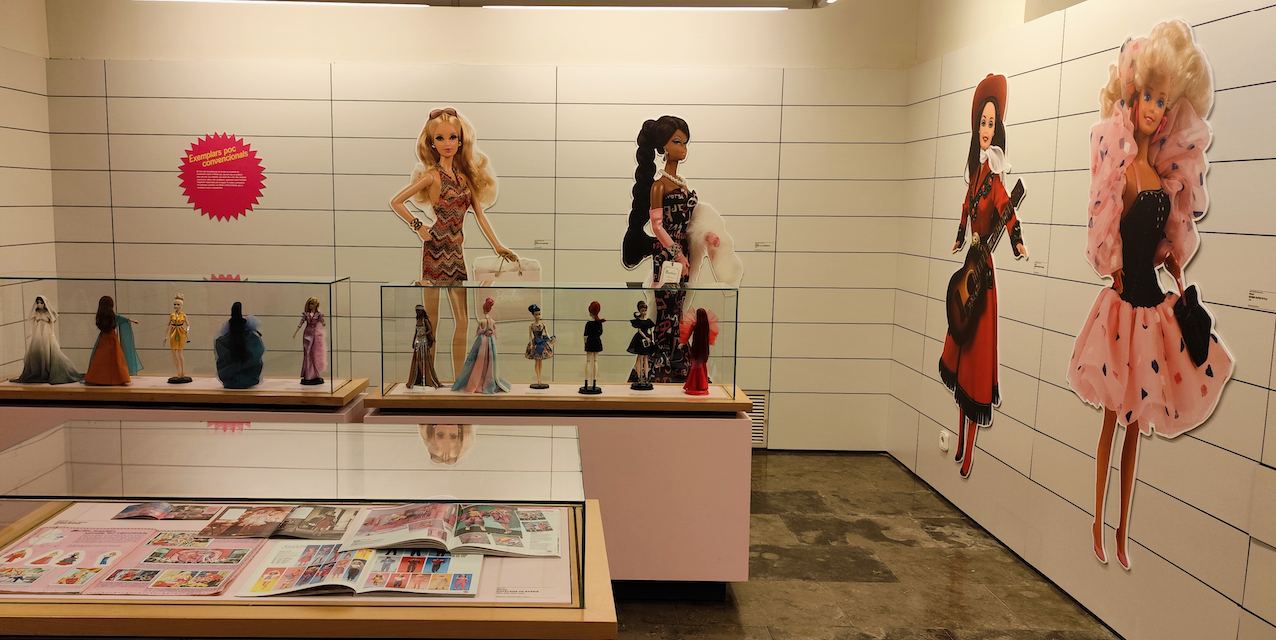
Apart from the exhibition and the showcases, the exhibition incorporates contextual materials that explain the birth of Barbie within the Mattel company, its global expansion and the role it has had in the film, music and advertising industries. For this exhibition, the Figueres Toy Museum has prepared a series of family visits and educational activities to work with children and young people on the critical look at the models that toys transmit and how they have evolved over time. This exhibition can be visited until March 8, 2026, during the museum's usual opening hours and access is free.
The Story of the World's Best-Selling Doll
Created in 1959 by Ruth Handler, founder of the Mattel toy company, Barbie broke molds thanks to her teenage top model look, with a ponytail and an exotic swimsuit. Over time, this doll catapulted to the status of the best-selling and most collected doll on the planet. Although Barbie has been a regular target of debates about gender roles, objectification or representation of diversity, she has managed to transcend them and become an example of plurality and inclusion. Beyond her playful value, she has also played the roles of sociological reference, element of modernity and aesthetic compass. Barbie's clothes have helped us to understand much better the stylistic twists and turns of the fashion world.
According to sources from the Museum, "as every season, Barbie remains an unchanged object of worship among connoisseurs, collectors and people of careful sensitivity. Three categories in which we must include Maria Mercè Llobet Gelabert and Joan Tomàs Serrats. The couple from Figueres currently guard more than five thousand dolls in one of the most relevant collections in Europe."
As an anecdote, it is worth highlighting the answer that Ferran Llobet gave to his daughter, when she asked him for a Barbie, as he told her “These dolls will take a long time to arrive in Spain. When they do, you will already be married”. The answer was fulfilled to the millimeter, because Maria Mercè bought the first Barbie Superstar (and the first Ken Party Time) Juan was already married. She acquired it in 1977, on a trip to Perpignan with her husband.
That same year, the Catalan company Congost produced the first Barbies in Spain, thanks to the license from the Mattel company. Although these dolls were based on original molds, the finishes and some details were adapted to a physical type considered Spanish. It should be remembered that Congost also released some exclusive models such as Barbie 10 (1989), with clothes designed by Manuel Pertegaz. Currently, the most unconditional fans of the doll do not miss the conventions about Barbie that, year after year, are celebrated all over the world. In many of these editions, a limited edition Barbie is produced, which are considered extraordinary treasures.


You may be
interested
...