Exhibitions
Ephemeral panic: ritual, body and mutation in the work of Ambra Castagnetti
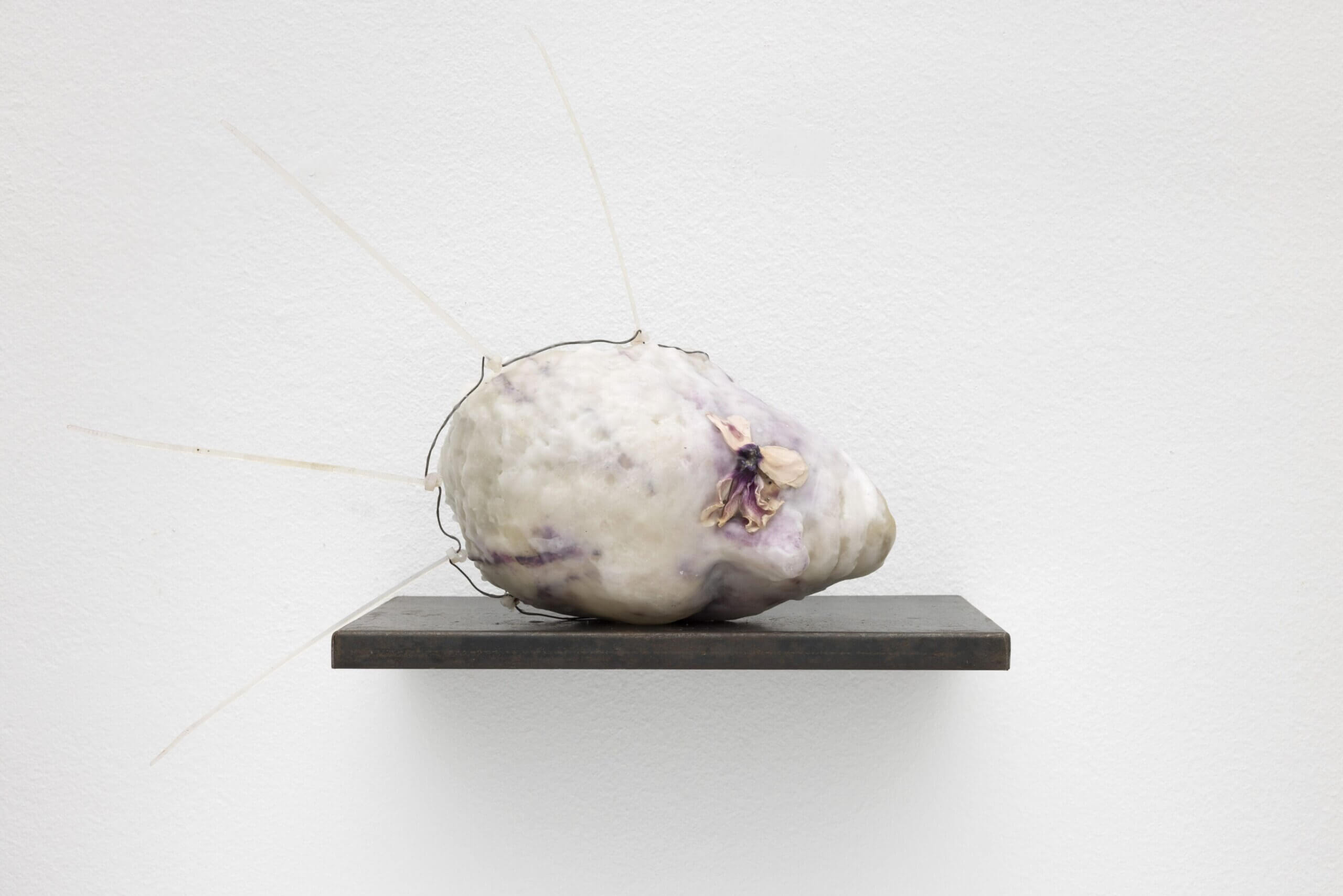
Ephemeral Panic is the first institutional exhibition by Italian artist Ambra Castagnetti (Genoa, 1993), conceived specifically for the Museum of Modern Art in Bogotá. The exhibition brings together a series of site-specific works that explore the instability of identity, the liminal states of human experience, and the tensions between body, matter, and environment.
Through a transdisciplinary practice integrating sculpture, painting, installation, video, and performance, Castagnetti constructs a sensory landscape where the material acquires a symbolic dimension. The use of materials such as wax, ceramics, stainless steel, and paraffin reinforces the notion of constant transformation, proposing a visual universe that oscillates between poetic fragility and a political reading of the contemporary body.
The title Ephemeral Panic alludes to Alejandro Jodorowsky's radical theatrical theory, understood as a gesture of rupture with stage conventions and, by extension, with the normative structures of everyday life. From this premise, the exhibition is conceived as a comprehensive work organized in three acts—ritual, icon, and metamorphosis—which are initially activated through a performance during the opening.
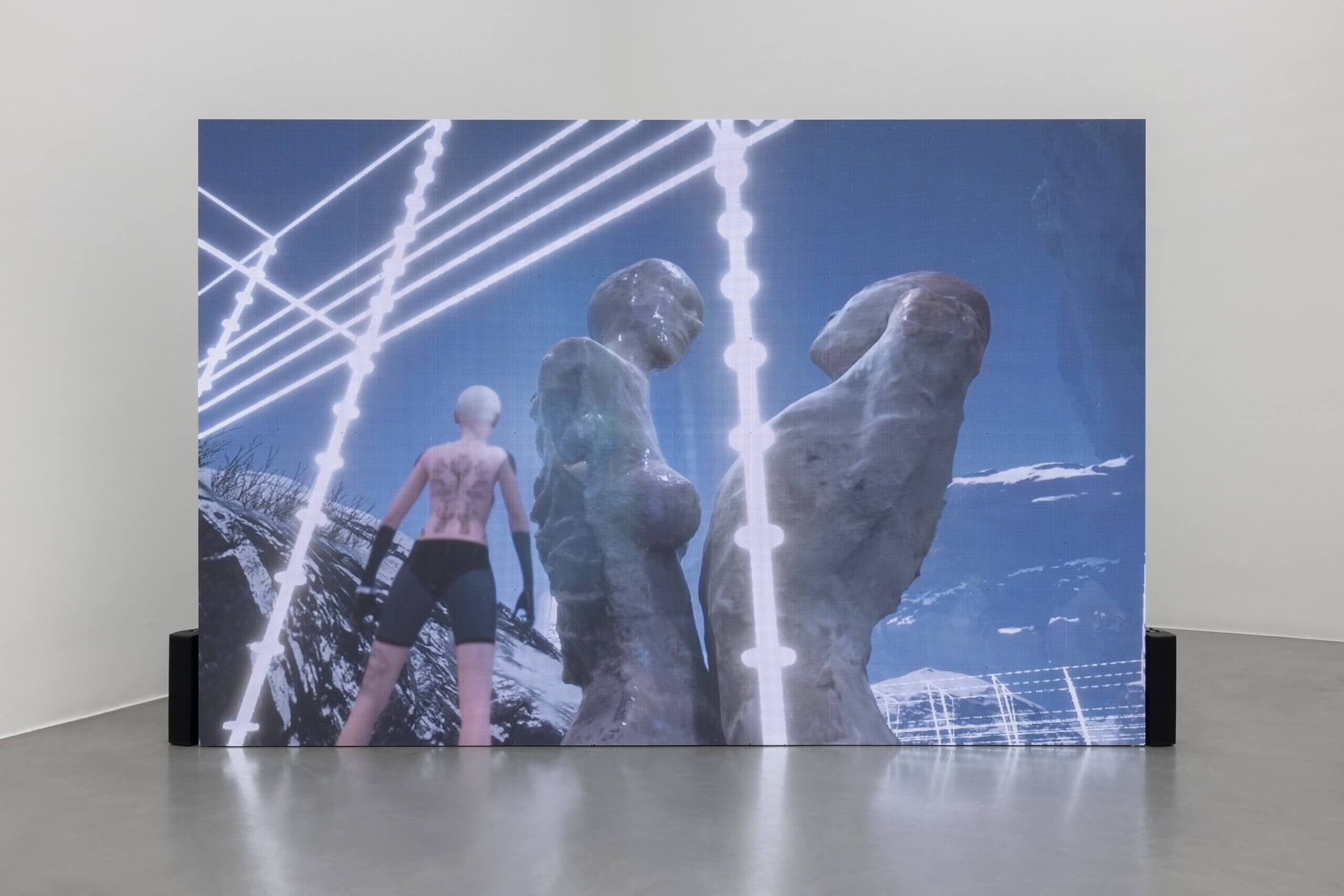
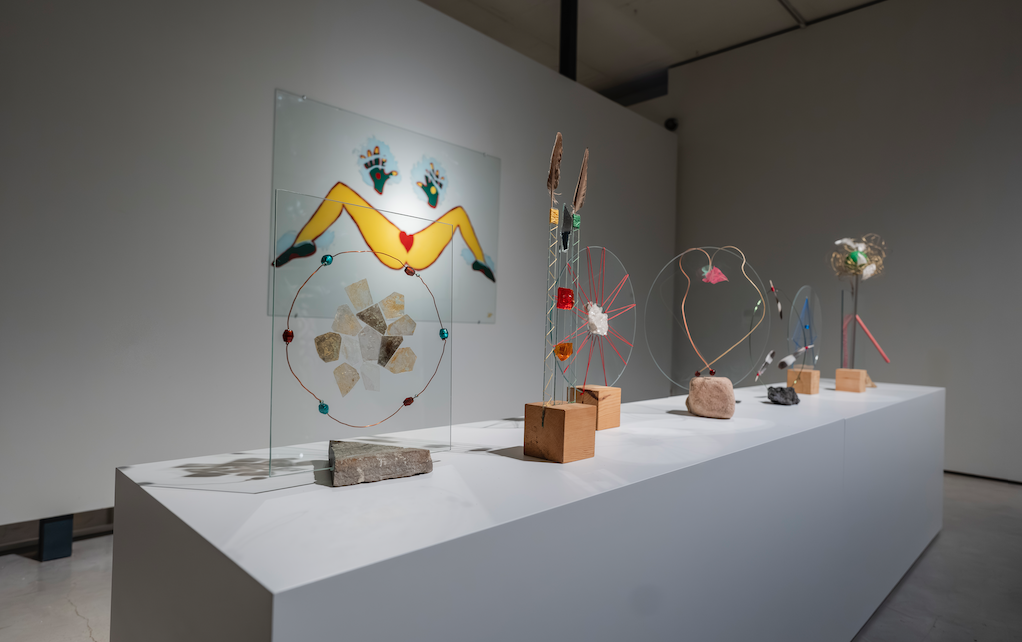
“.EXE” (2025). Installation view at the Francesca Minini Gallery, Milan, Italy, 2025. Photo: Andrea Rossetti.
Each of these moments unfolds both spatially and conceptually through installations and sculptures that, together, configure a narrative of transformation with a ritualistic character and utopian projection. Considered one of the most outstanding artists of her generation, Castagnetti revisits the body and its vestiges as a privileged field of artistic investigation, addressing themes such as fragility, spirituality, and the construction of subjectivity.
Ambra Castagnetti (Genoa, Italy, 1993) is a contemporary Italian artist whose practice unfolds in a hybrid territory encompassing sculpture, installation, painting, video, and performance. Her work focuses on exploring the body as a space of constant transformation, addressing the instability of identity and the transitional states of human experience from a perspective that combines the poetic with the political.
Through the use of organic and industrial materials—including wax, ceramics, paraffin, stainless steel, and textiles—Castagnetti constructs a visual language that reflects on fragility, mutation, memory, and ritual. The body, conceived as archive, vestige, or symbolic territory, occupies a central place in her artistic research, engaging with issues related to spirituality, gender, and contemporary subjectivity.
Her work is frequently structured around projects conceived specifically for the space that houses them, integrating performance as a fundamental dimension of the exhibition experience. Recognized as one of the most consistent emerging voices of her generation, Castagnetti develops works that engage closely with the social and cultural contexts in which they are situated, many of them arising from residency programs and situated research.
The project originated during a two-month residency in Bogotá, an experience that allowed the artist to enrich her practice through the city's materiality, temperament, and social dynamics. Through Ephemeral Panic, Castagnetti invites the public to participate in a sensory and introspective experience that challenges social structures, gender, and identity, opening the possibility of a shared symbolic transformation.



You may be
interested
...