Exhibitions
Juana Francés and the construction of a modern artist
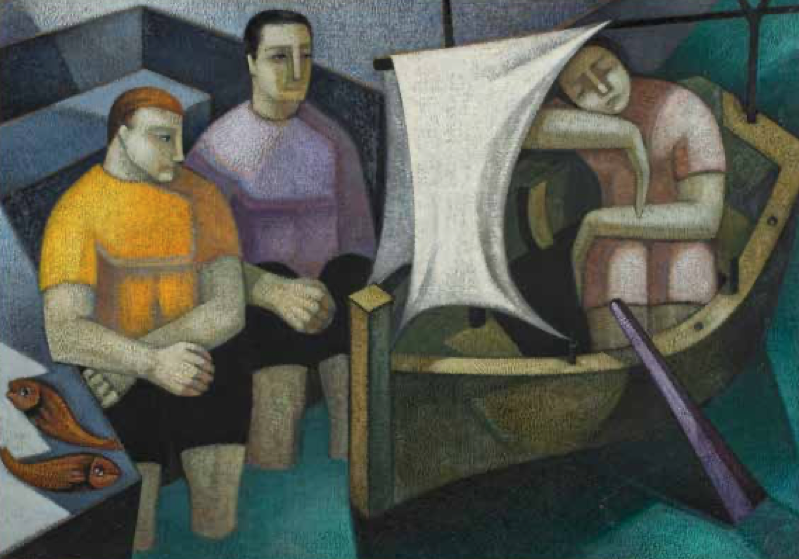
The MACA, Alicante's Museum of Contemporary Art, presents the exhibition Juana Francés: The Making of a Modern Artist, 1945-1956 , a project that rescues and highlights one of the lesser-known periods in the career of this Alicante-born artist. The exhibition brings together more than fifty previously unseen works—including oil paintings, drawings, and extensive documentary material—that offer a glimpse into her formative years and the transition that led her toward abstract art. Organized by the MACA with the support of the Valencian Regional Government, the exhibition will be on view from October 8, 2025, to January 25, 2026.
This exhibition allows visitors to understand the early development of Juana Francés and her consolidation as one of the key figures in 20th-century Spanish art, highlighting her fundamental role in the country's artistic modernity. The exhibition is curated by Rosa Castells and Natalia Molinos.
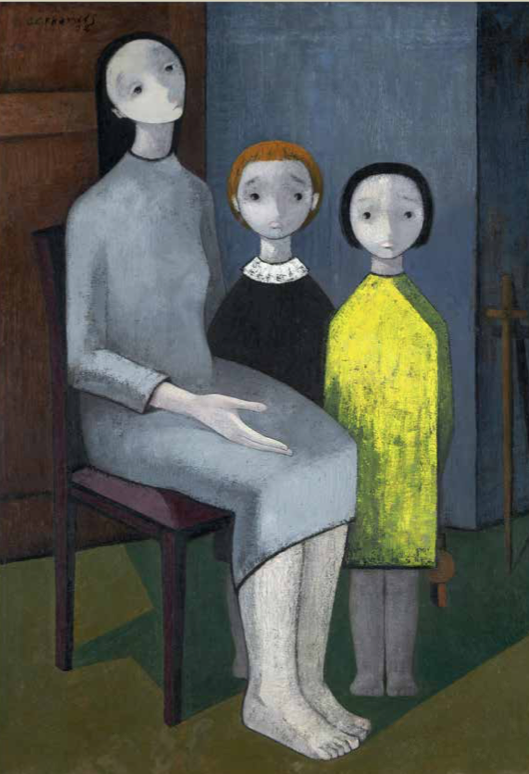
Woman with two children, 1952. MACA. Museum of Contemporary Art of Alicante. Juana Francés Collection.
Juana Concepción Francés de la Campa (Alicante, 1924 – Madrid, 1990) is one of the most significant and influential figures in Spanish art of the second half of the 20th century. A pioneer of abstract informalism and the only woman member of the emblematic El Paso group, her career has been widely recognized for the material and conceptual power of her painting. However, this exhibition focuses on the origins of her artistic language, a crucial but still relatively unexplored period.
The exhibition revisits his formative years, his figurative period with its symbolist leanings, and the personal and artistic transition that preceded his entry into the generational adventure of abstract art. This is a pivotal phase in which Francés sought to establish himself and differentiate himself within the national art scene, forging a unique identity that foreshadowed his later evolution.
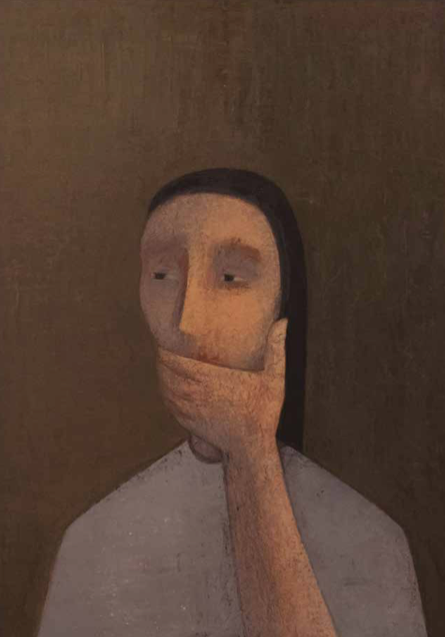
Silence, 1953. Studiolo Collection. Candela A. Soldevilla.
The works from this period reveal an Italianate style of figuration that oscillates between restrained symbolism and a metaphysically rooted surrealism, with volumetric figures of stark geometry. It is a consistently firm and textured painting, featuring themes such as motherhood, portraits of children and women, family scenes, and enigmatic still lifes, as well as allegorical compositions imbued with a suggestive mysticism. A latent spirituality is perceptible in these works, a spirituality that will emerge with greater intensity in later stages of his career.
From a technical standpoint, Juana Francés already displayed an experimental and innovative approach. She worked with the encaustic technique, mixing wax, resin, and solvent on rigid supports, superimposing layers of paint which she then pierced with nails to create reliefs and textures. This procedure, akin to the language of mural painting, demonstrates a profound mastery of materials and a willingness to experiment that would remain constant throughout her career, clearly defining her powerful artistic personality.

You may be
interested
...