Exhibitions
Ainus at the Ethnological and World Cultures Museum: a journey into the heart of a people that weaves past and future
The first exhibition in Spain reveals the language, history and worldview of a people originally from the Japanese archipelago.
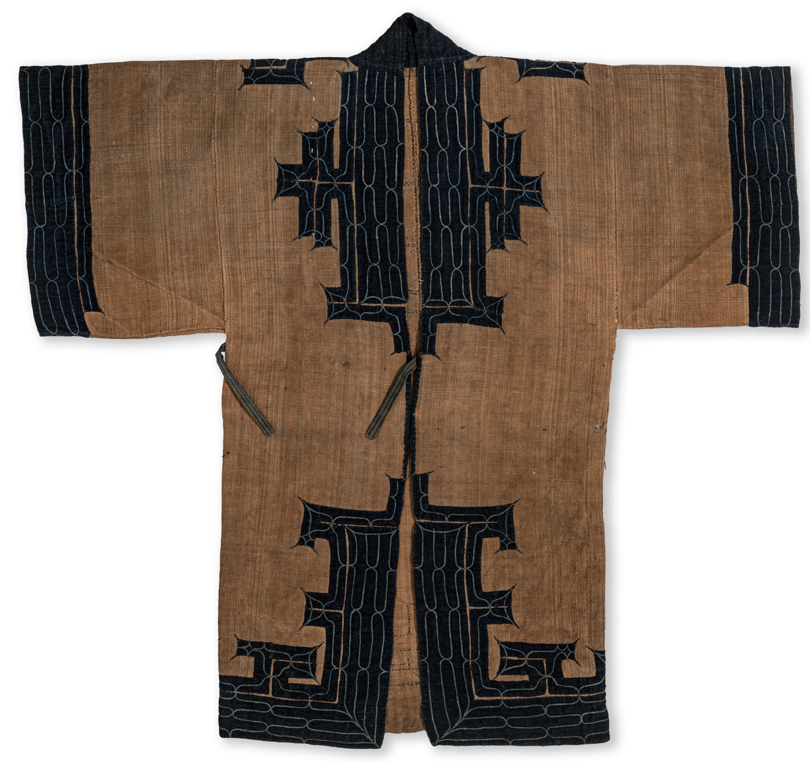
The Ethnological and World Cultures Museum, in collaboration with the National Ainu Museum in Shiraoi, offers a unique journey into the heart of the Ainu people with its first exhibition in the country, from December 18 to June 14, 2026. The Ainu, original inhabitants of the north of the Japanese archipelago —on the islands of Hokkaidō, Sakhalin and the Kurils— have seen their presence reduced over time in front of the Japanese ethnic majority, the Wajin. The word aynu, in their language, simply means "human being", a reminder of their intimate connection with the kamuy, the spirit-divinity who inhabit the world.
To understand the richness of the Ainu worldview, it is necessary to look at both their past and present. Since the mid-19th century, with Japan's modernizing drive, the Ainu people have had to defend their identity, their language, their traditions, and their unique way of seeing the world. Today, many continue this struggle, working to revitalize and project their culture, not only in Hokkaidō —where a large part of the population is still concentrated— but also throughout Japan and the world.
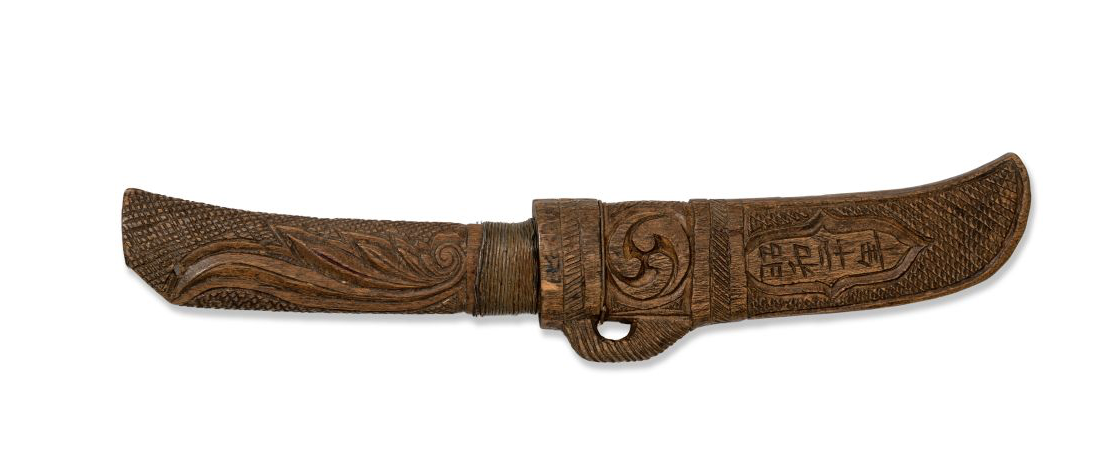
The exhibition, curated by Queralt Casado, Takanori Nakai, Kazuyoshi Sasaki, Yuichi Uchida and Ricard Bru, extends beyond the temporary exhibition hall, occupying annexed spaces that invite visitors to immerse themselves in the language, history and life of the Ainu, from the oldest tradition to contemporary expressions. It is a journey that celebrates a people who, despite adversity, preserve their legacy and project it into the future with pride and hope.
The Ainu have lived for centuries in contact with peoples from Japan, Russia and China, assimilating diverse influences without losing their identity. The first maps, drawings and photographs from the 17th to the 20th centuries bear witness to a rich and complex culture. The Catalan sculptor Eudald Serra, during his stay in Hokkaidō in 1947, came into contact with the Ainu, drawing inspiration from their traditions and interest in their anthropology, and establishing a link that endures with the Ethnological Museum of Barcelona.
The Ainu language, with its dialects and oral histories full of kamuy, heroes and humans, is key to understanding their worldview, despite being critically endangered. The Ainu have inhabited Hokkaidō for millennia, with a life based on hunting, fishing and gathering, altered by the arrival of Wajin and Russians, Japanese colonization and assimilation policies, which limited their culture and language.
Every being and object has a herd, a spirit, and the kamuy, spirit-deities, influence human life by assuming natural forms. Today, Ainu artists combine traditional techniques and contemporary expressions to convey their identity, weaving past and present into a single living legacy.

You may be
interested
...