Exhibitions
Guillem Viladot and Eduard Arranz-Bravo with art as rebellion and freedom
An exhibition at the Arranz-Bravo Foundation explores the unexpected dialogue between two essential creators of 20th-century Catalonia.
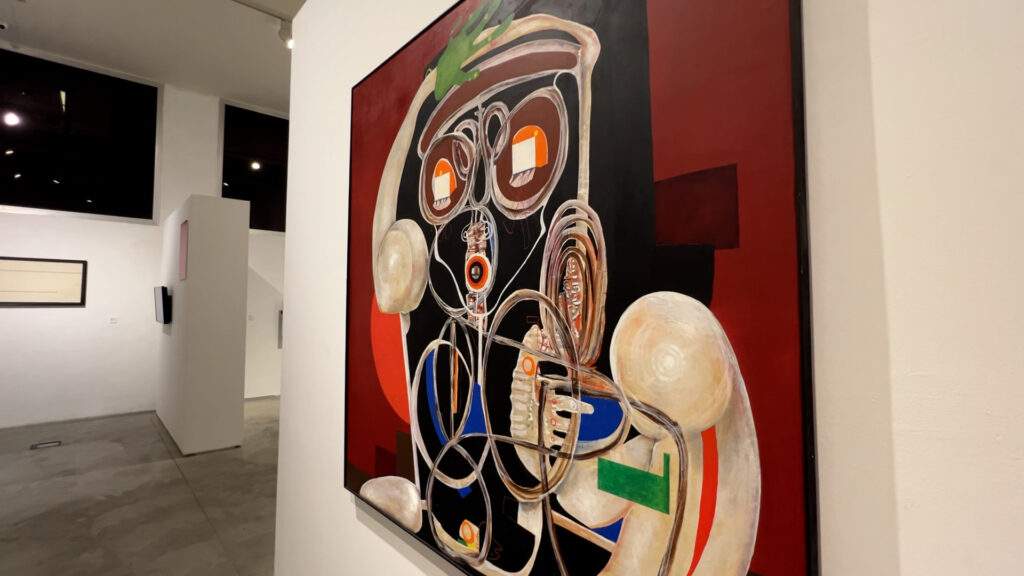
Guillem Viladot, poet and writer, and Eduard Arranz-Bravo, painter and sculptor, are two essential figures in 20th-century Catalan creation, two names that, from apparently divergent languages, share the same vital and creative drive. Their trajectories, although marked by different disciplines —word and image, verse and line, literature and plastic art— converge in a common vision: art as a territory of resistance and research, a space where revolt, desire and the investigation of the self become the engine of transformation. It is this fine-tuned harmony between their imaginaries that allows their works to be read as a fruitful dialogue, capable of transcending both disciplines and generations, and that invites the viewer to explore the resonances that are hidden within them.
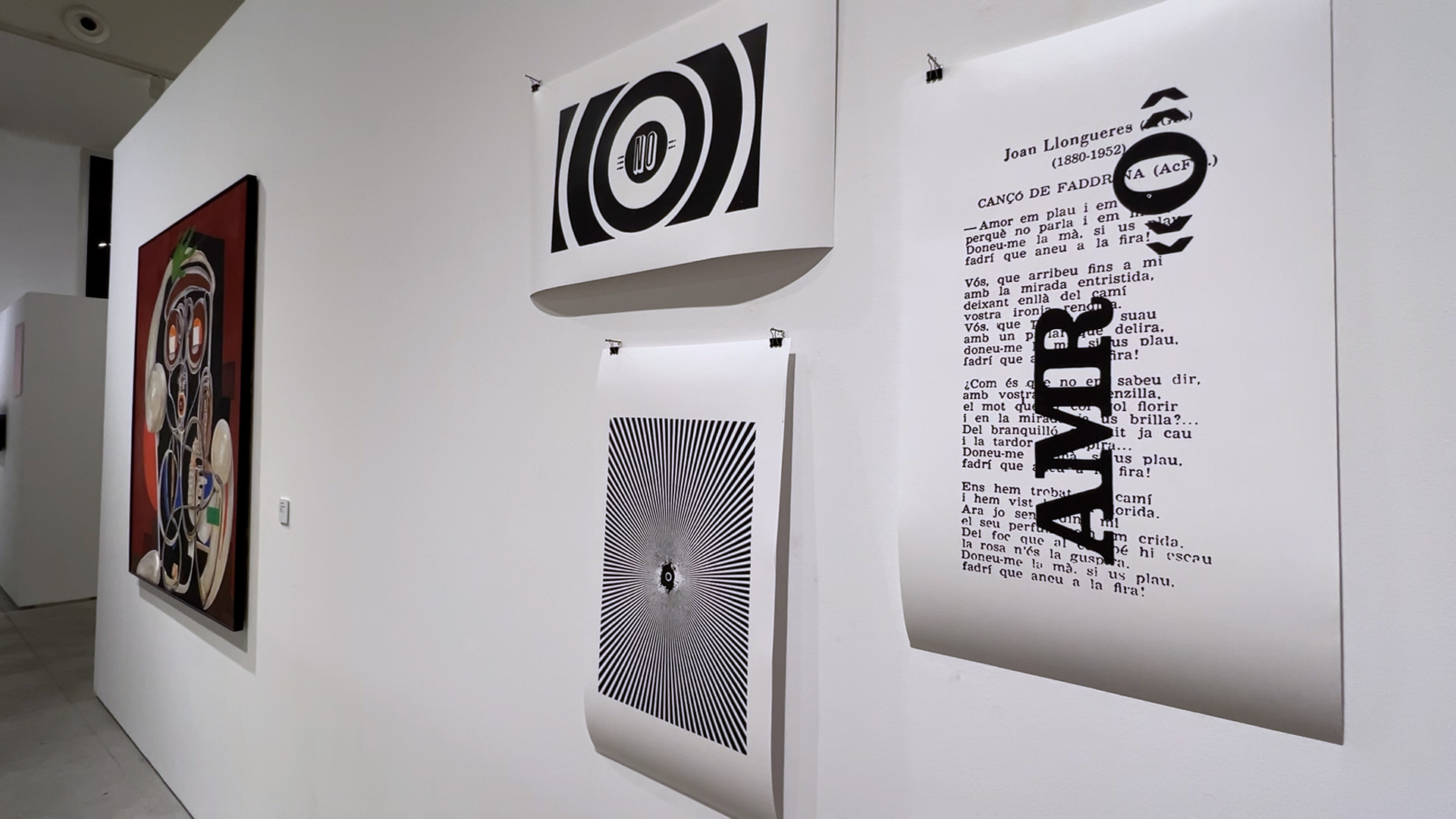
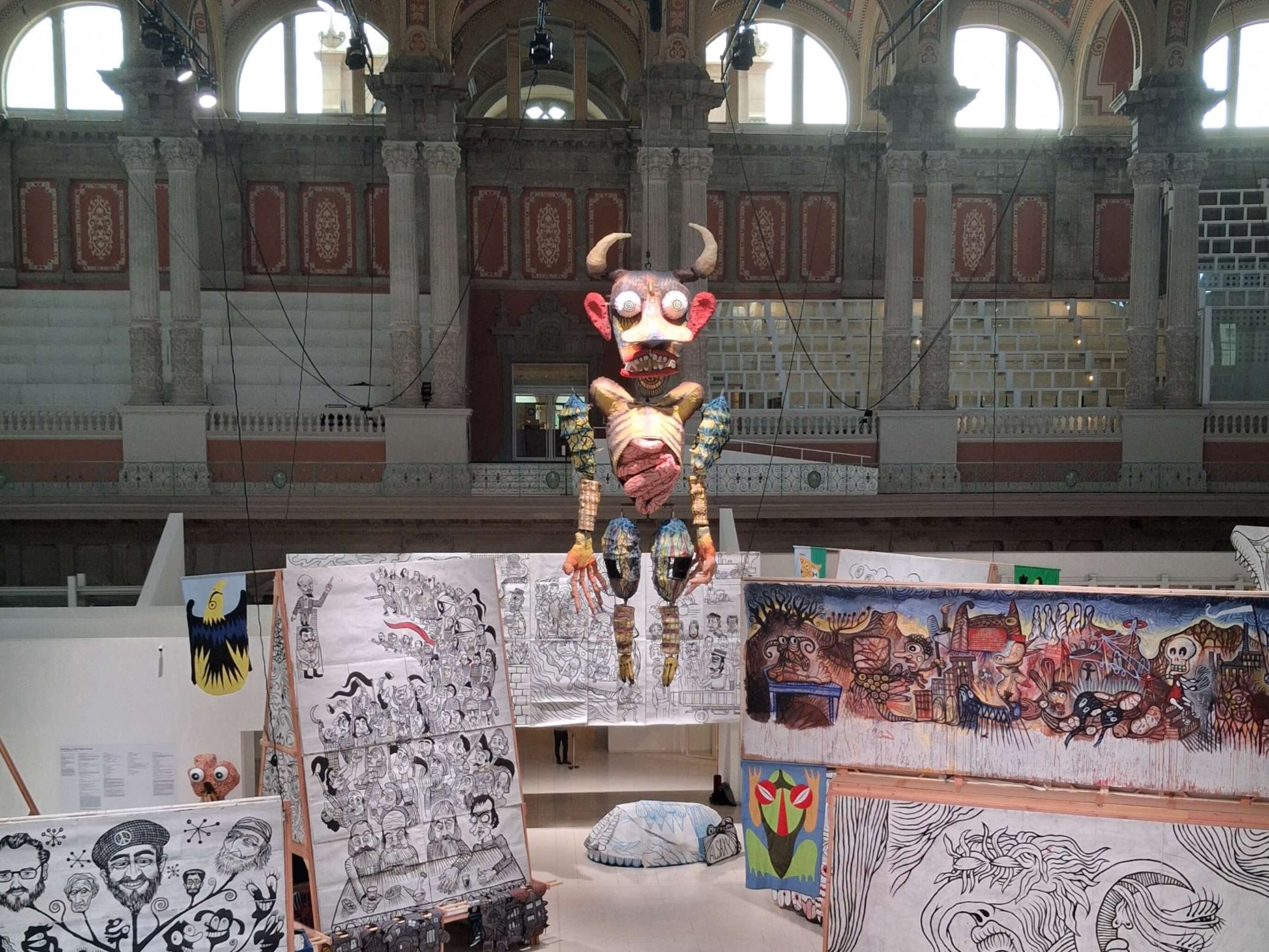
Today, these two names are reunited in the temporary exhibition of the Arranz-Bravo Foundation, organized jointly with Lo Pardal, under the title Guillem Viladot / Arranz-Bravo. And life goes on. And the mustache goes on. Life is not so bad . An exhibition that, until February 8, 2026, offers the public the opportunity to immerse themselves in the shared universe of two creators who, despite never having met in life, seem to dialogue through time.
Curated by Anna Llopis, the exhibition unfolds a veritable tapestry of works, documents and archival materials that highlight both the frictions and the complicity between two imaginaries that spring from different expressive territories. Both Viladot and Arranz-Bravo address universal and essential themes—the body, death, sex, pain and repression—with an incisive and uncompromising gaze. But at the same time, their work never renounces play or humor: pleasure, irony and playful exercise become in their practices strategies of resistance, gestures of survival and radical affirmations of freedom.
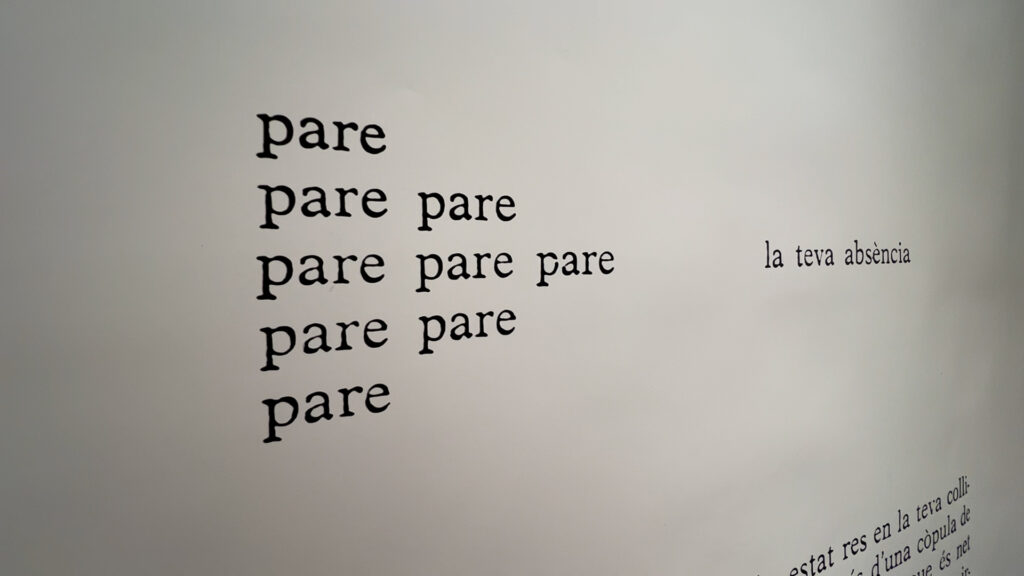
Although their creative paths never crossed, the trajectory of both reveals the same underlying drive: an attitude of rebellion, both formal and vital. His creation is born from the imperative need to push the limits of language —visual, plastic or literary— to the point of shaking it, putting it in crisis and opening cracks in it that challenge established conventions and dogmas. This desire for experimentation is not limited to an aesthetic search: it is also a stance taken before the world, a gesture of subversion against the political, moral and cultural impositions of his time. His work is, ultimately, an act of radical freedom, unyielding and committed to the authentic expression of the self, a reminder that art can always be a space of revolt and resistance.


You may be
interested
...