
Exhibitions
Antifémina by Colita and Campany as a cry for freedom from two pioneers of Catalan feminism
The DHub inaugurates Colita. Antifémina, an exhibition until January 25, 2026 that revisits the book from the seventies that vindicated feminism through photography.
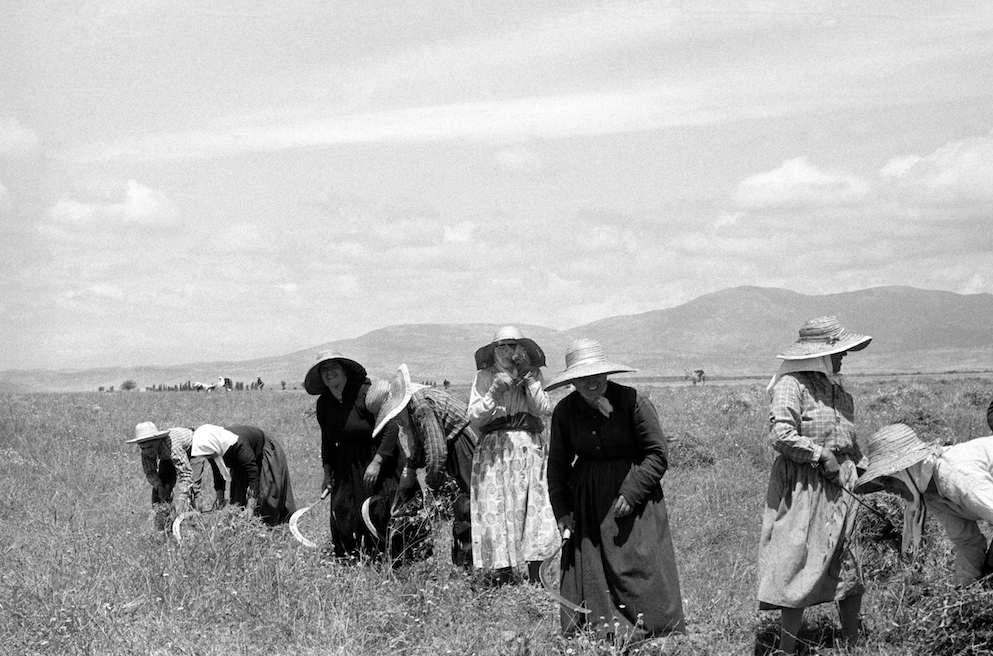
From October 31, 2025 to January 25, 2026, the Disseny Hub Barcelona (DHub) will host Colita. Antifémina , an exhibition that recovers the images with which the photographer Isabel Steva Hernández, artistically known as Colita, participated in a pioneering project with the writer Maria Aurèlia Capmany. The fruit of this collaboration was born, in the late seventies, Antifémina , considered the first feminist photobook of the Spanish Transition. The exhibition offers a critical and contemporary look at that key work that challenged gender stereotypes and paved the way for a new way of understanding the role of women in society.
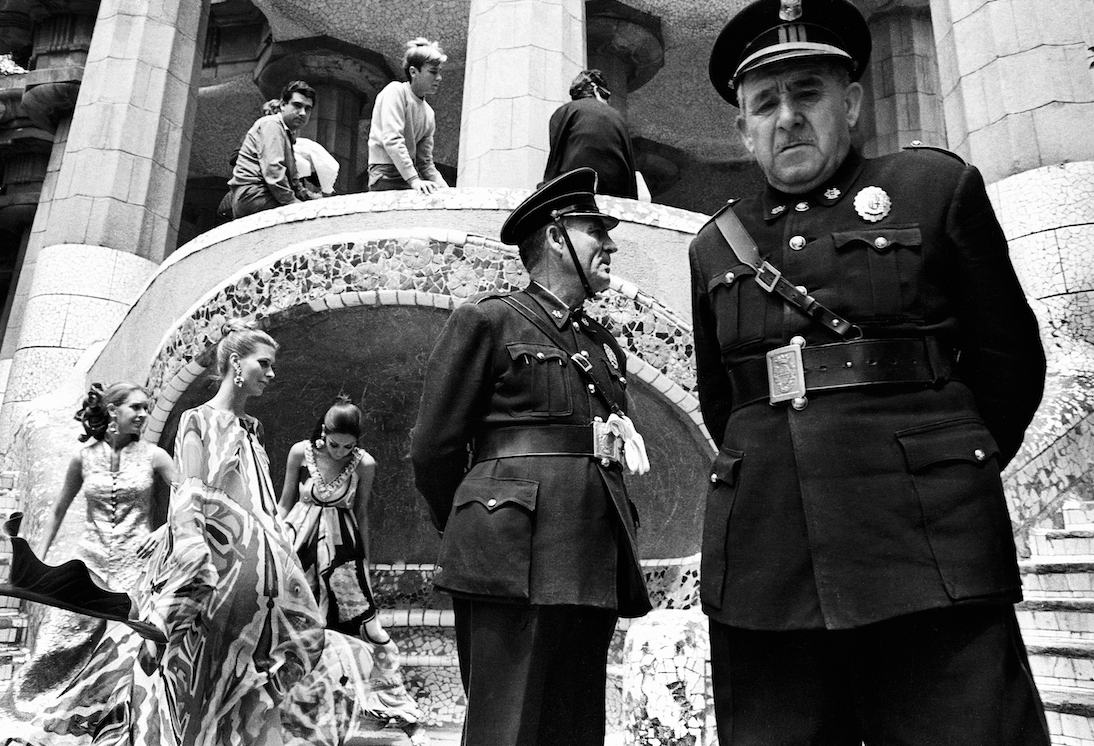
Model session at Park Güell. Barcelona. 1976. © Archivo Colita.
Colita is one of the most lucid and indomitable eyes of Catalan and Spanish visual culture of the 20th century. With her camera as an inseparable companion and a fine, poignant and ironic humor, Colita knew how to capture the spirit of a Barcelona that was changing, bustling and reinventing itself during the sixties and seventies.
Curated by the director of the Archivo Colita, Francesc Polop, the exhibition recovers the images from that emblematic book, many of which have never been shown to the public. After its presentation in Madrid in 2024, the exhibition now arrives in Barcelona at the hands of DHub, La Fábrica and Círculo de Bellas Artes, in an expanded version that incorporates 25 previously unpublished photographs. These new pieces bring more depth and coherence to the ten sections that structure the tour —equivalent to the ten chapters of the original photobook—. In total, DHub will exhibit 120 of the 172 images that shaped Antifémina , offering a new reading of a work that continues to be a living testimony to Colita's feminist and humanist vision.
Her work is a dialogue between tenderness and satire, between a critical gaze and love for everyday life. More than observing, Colita lived what she photographed: she merged with the streets, with the faces, with the gestures. Her feminist photography was a form of rebellion and affirmation — a voice that, through light and gesture, claimed the freedom and full presence of women in art and in the world.
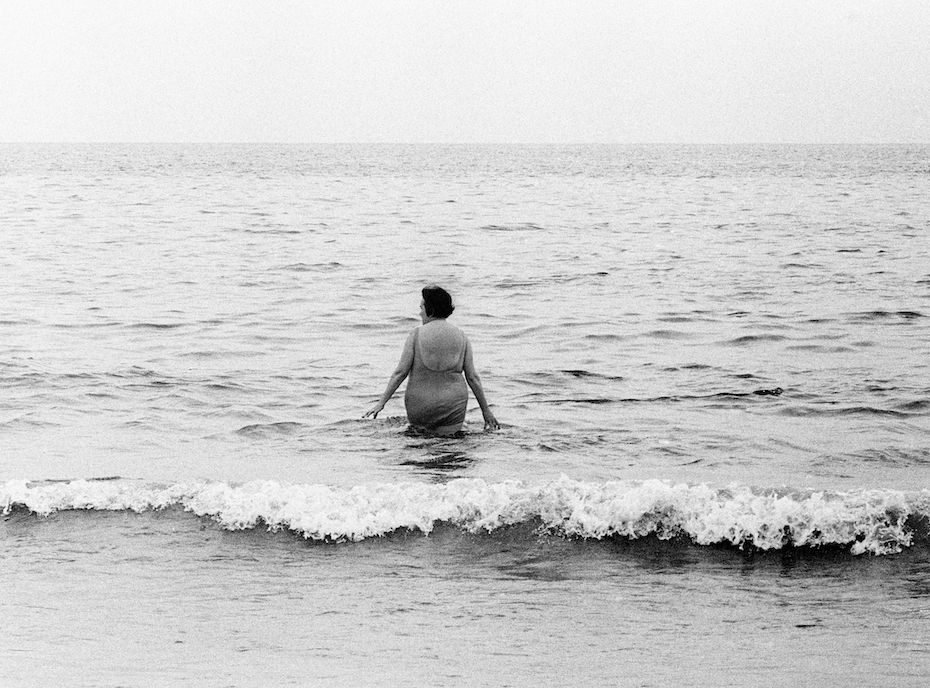
Entering the sea Sitges, 1966. © Archivo Colita.
In 1976, Colita and Maria Aurèlia Capmany joined forces to create Antifémina , a project conceived by four people that would become a benchmark for visual and literary feminism during the Transition. Together, they explored the photographer's vast archive, full of faces and stories of women of all ages, backgrounds and social classes. From that immersion emerged the themes they wanted to bring to the table: issues to denounce, claim and celebrate.
To complete the story, Colita returned to the streets with her camera to capture those female realities that had not yet found a place in her archive. The result was a vibrant dialogue between images and words: Colita's humanistic and tender gaze met Capmany's lucid, ironic and provocative voice. Both of them conceived and crafted the book, turning Antifémina into a work as committed as it is poetic, which still resonates today as a cry for freedom and conscience.
The exhibition is also presented as a tribute to two essential voices of Catalan culture of the 20th and 21st centuries. Colita and Maria Aurèlia Capmany, modern artists and intellectuals, committed and politically aligned, were part of that generation of women who, at the end of the Franco dictatorship, defied the imposed silence to begin to speak openly about feminism and claim their place in society and culture.
You may be
interested
...