Exhibitions
The look that dismantles Trinh T. Minh-ha's story in La Virreina
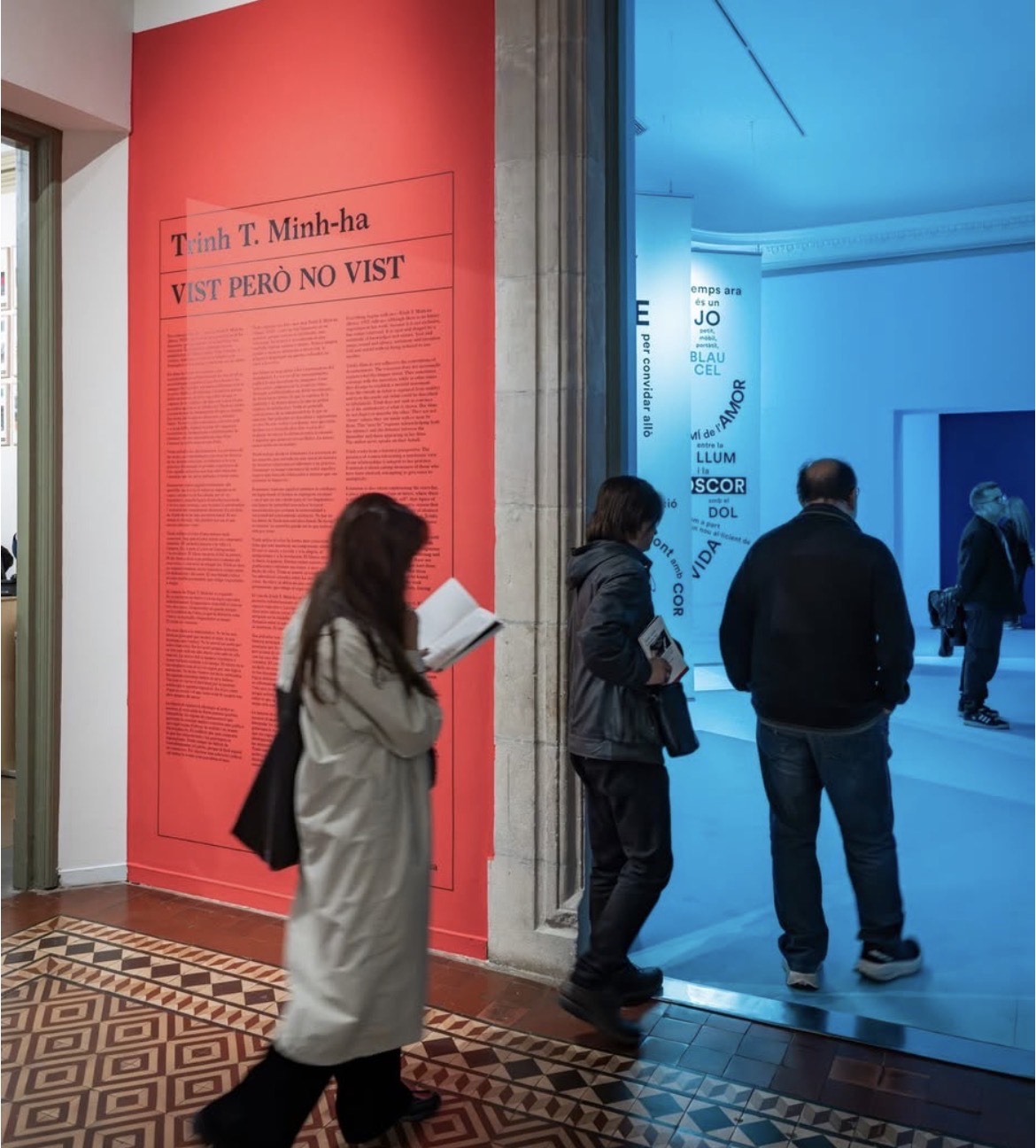
Seen but not seen is the first retrospective dedicated to Trinh T. Minh-ha in Spain. Filmmaker, writer, literary critic and composer, she is an essential voice of experimental ethnographic cinema and a key figure in contemporary feminist thought.
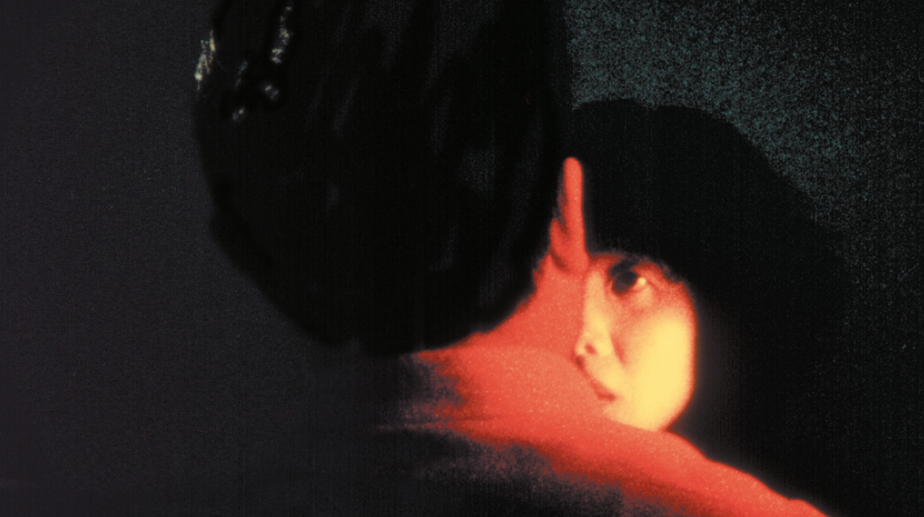
The return of the gaze. The political task of narrating by Paloma Polo , Expaña 365 by Isaías Griñolo and Seen but not seen by Trinh T. Minh-ha. The Virreina Center for Image is now all dressed up to enter the last months of 2025. The new exhibition by Trinh T. Minh.ha curated by Manuel Borja-Villel brings together the filmography of an author who is presenting, for the first time in Spain, an exhibition dedicated to her work.
Trinh T. Minh-ha is a filmmaker, composer, poet, writer, literary critic and teacher. Born in Hanoi in 1952, she is widely considered one of the great voices of independent cinema. A professor at the University of Berkeley until 2022, for more than four decades she has been creating audiovisual essays —or filmic ethnographies— marked by a deeply subjective gaze, recorded in territories ranging from Senegal, Burkina Faso, Togo and Mali to Vietnam, China and Japan.
Becoming a cult director, her work is fundamental to postcolonial and feminist imaginaries. She has shifted the boundaries between document and fiction, to the point of constructing what someone called “experimental ethnographic cinema.”
In most of his films, we do not find great dramas, but the intimate vibration of the everyday: minor gestures, slow rhythms, fragments of life that, when filmed, become revelations. A camera that listens and looks, that makes us aware of the silent beauty of the world. To date, he has made nine films: Surname Viet Given Name Nam (1989), Shoot for the Contents (1991), A Tale of Love (1995), The Fourth Dimension (2001), Night Passage (2004), Forgetting Vietnam (2016) and What About China? (2022), to which must be added the works previously mentioned.
Her work is born and breathes feminism. The presence of women —who demand a view free from heroics and closer to the complexity of human relationships— is inseparable from her practice. Feminism, in her work, is becoming aware of all those silenced voices and opening spaces so that their words can finally resonate.
It is also a radical commitment to the everyday: that terrain where time unfolds in layers and where there is no place for the "linguistic self", the figure of authority linked to a Eurocentric reason that seeks to impose universality and truth on abstract knowledge. In his images, power is displaced: it is the intimate, seemingly minor, that becomes revelation.
Trinh T. Minh-ha's films defy narrative conventions: they are anticlimactic, without a plot line that governs the story or a hierarchy that orders it. No sense prevails over another. As she herself says, she looks at herself with both eyes open and eyes closed.
Sound also does not have the function of reinforcing a visual realism: silence speaks with the same intensity and unfolds under its own logic. There are no absences, no "voids": everything is presence and matter. It is in this apparent paradox that part of its beauty lies.
Seen but not seen is the title the author has chosen for this exhibition. In the subtle play between what is shown and what resists being seen, a space is opened for another way of looking: more attentive, more critical, more free.


You may be
interested
...