Opinion
Radiant art against the concept: Patricio Vélez and Ferran Giménez in Vallgrasa
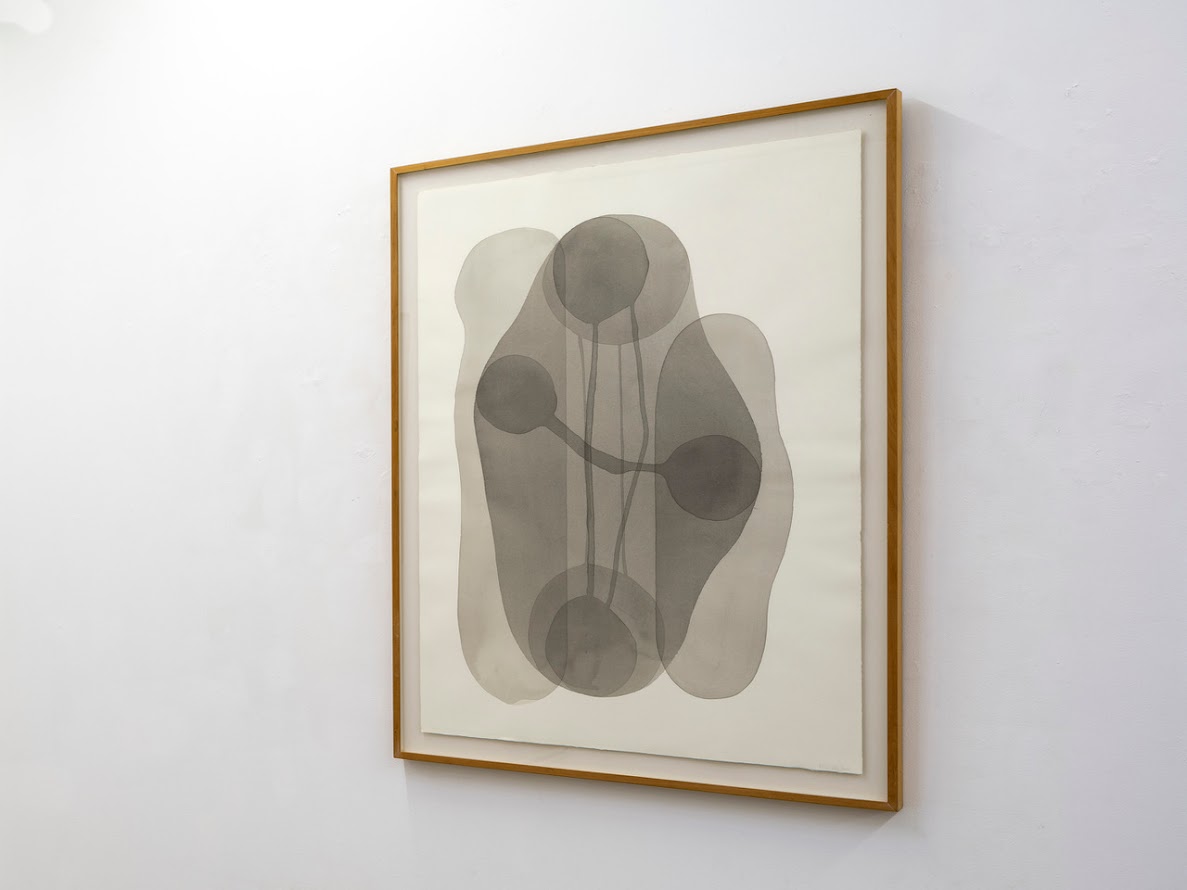
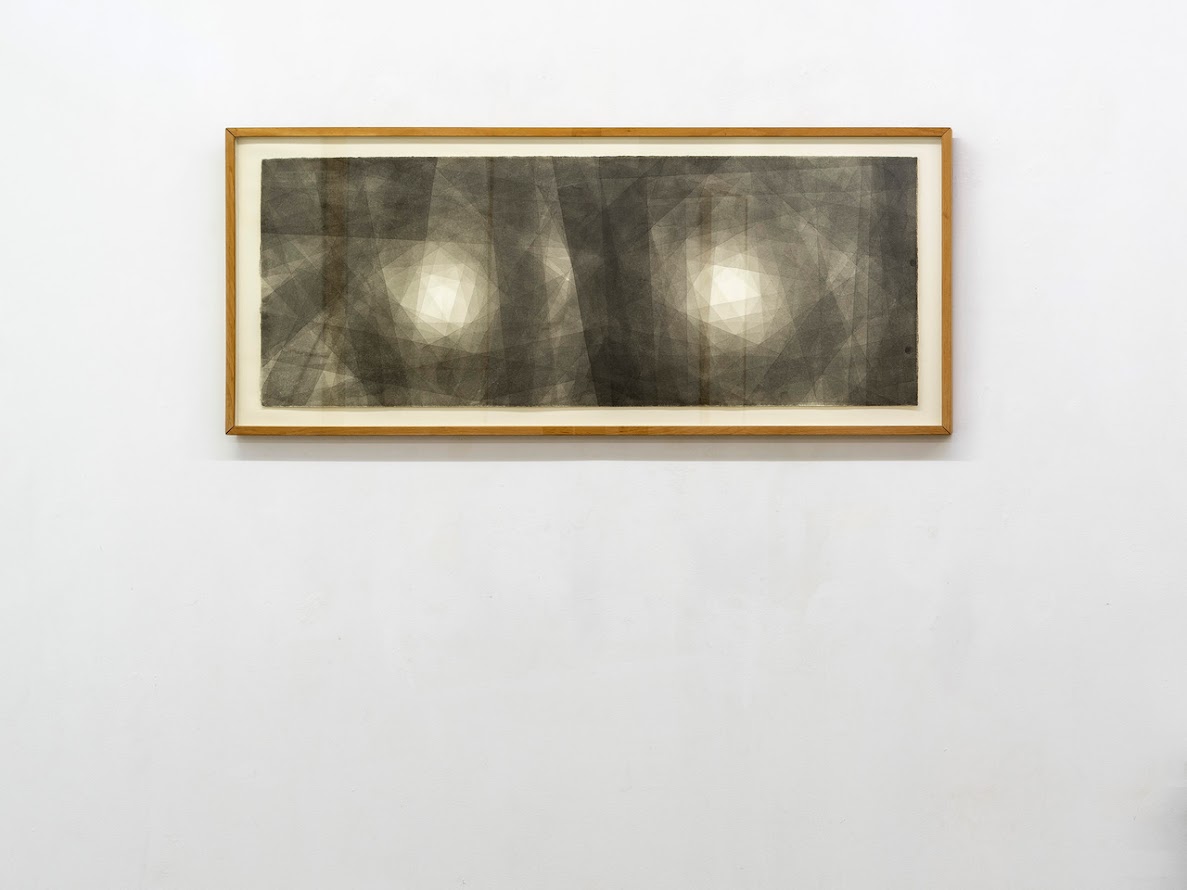
As I set out to write this review of the exhibition by Patricio Vélez, Dibuixos Irradiants and Ferran Giménez, Arkhé , I encountered an initial difficulty, which is that both of them, whom I know well, are artists who are wary of the word criticism. As must be Jordi Aligué, manager of this Experimental Arts Center in the Parc del Garraf in Begues, a HacMoriá artist through and through. Carles HM, with his usual irony, considered us who chatted as "criticarros".
Despite this distrust, Patricio Vélez has chosen for the room sheet a fragment of a text written by Rosa Queralt in the distant year of 2002, the meaning of which still lingers in his memory. Reviewing and remembering the critical word is the best recognition for those of us who dedicate ourselves to chronicling the meaning of art. If the words or the works are true, they do not show the passage of time.
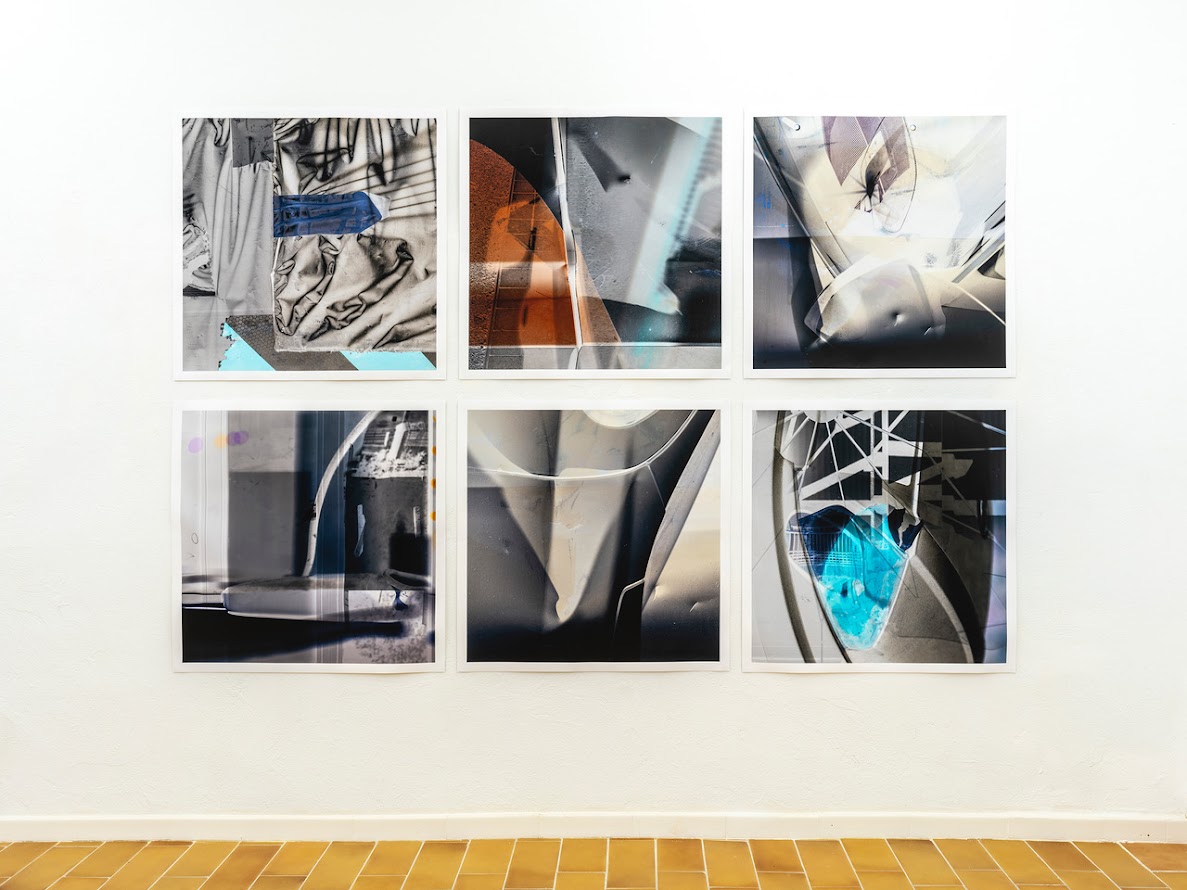
This text by the endearing Rosa Queralt speaks of the fact that the draftsman, and by extension the photographer who draws with light, internalize what has been seen, it also speaks of letting oneself be carried away by the experience of looking and of putting into action very especially: "its active principle, which is to generate life, flow, energy, while trying to free oneself from any acquired knowledge, while the work takes shape, building itself."
Therefore, in this text about the exhibition, I do not want to talk about the works on display, but about this distrust, towards concepts or words, and to go in favor of this energy that RQ mentions that frees us from acquired knowledge, leaving the work in itself: alone, integral and perfect.
Contemporary art needs the complement of words, because since the times of manifestos and avant-gardes, we have become accustomed to the idea that every image needs a word to complement or explain it. It has become customary for every art exhibition to be accompanied by some reflection, usually made by a critic or specialist or sometimes by the words of the artist himself. I have dedicated my whole life to doing it and I still do. At press conferences, the clarifying word of the artist or the curator is always expected.
Very often, when the floor is taken, the various proposals made by the galleries and artistic institutions, which I know, and the works of contemporary artists, make complex discourses of a sociological, political, anthropological, linguistic and even philosophical nature. The exhibition "Fabular paisatges" Museu Habitat by Manuel Borja Villel is a good example of this search for conceptual complexity.
It has always seemed to me that when an artist adopts any of these disciplines, they put themselves in a position of weakness, despite the sophisticated words they use, they will always be wrong, at a disadvantage, they will never be up to par with the theoretical reflections of specialists, but, even so, they insist.
What is the real power of the artist that the authors of theoretical discourses of conceptual complexity can never, even dream of, possess?
Well, precisely following the path that we are proposing, in tune with the argument already cited in Rosa Queralt's text, and it is none other than the power of art acting to generate life, flow, energy. For this reason, it is very necessary to leave aside all conceptual apriorism, acquired knowledge, and let the work construct itself, even beyond the autarchic self of the author.
Art is a process of internal and profound transformation that, without denying the word, needs other well-sharpened tools, such as symbolic thought, analogy, correspondences, internal feeling and more than anything, a-logical intuition, detachment from the culturalist and anthropocentric burden, conveyed through form and gaze. Feelings and sensitivity are not primary facts, but rather they dialogue and even overlap with the high complexity of concepts. We must rediscover the primordial and radiating energy of art.
The world of words and concepts is very different from art. Perhaps it is necessary to rediscover silence, the gaze from within and foster a beneficial state of contemplation.
Someone may think: how can we access this contemplation when what we see and inspire us is the hell of destruction, identity problems, concern for nature, care for the body, love and death.
Certainly, I am convinced that through the deep practice of radiating art, of the power of art to generate life, flow, energy and not so much of rationalizable concepts, it is possible to find the useful mechanisms to achieve this, and with the tools of gaze, form and contemplation, transmute our relationship with hell.
You may be
interested
...