Exhibitions
Mako Artigas, a feminine look
An exhibition at Artur Ramon Art vindicates the work of an innovator in textile design who, for more than sixty years, has worked for the main international fashion firms.
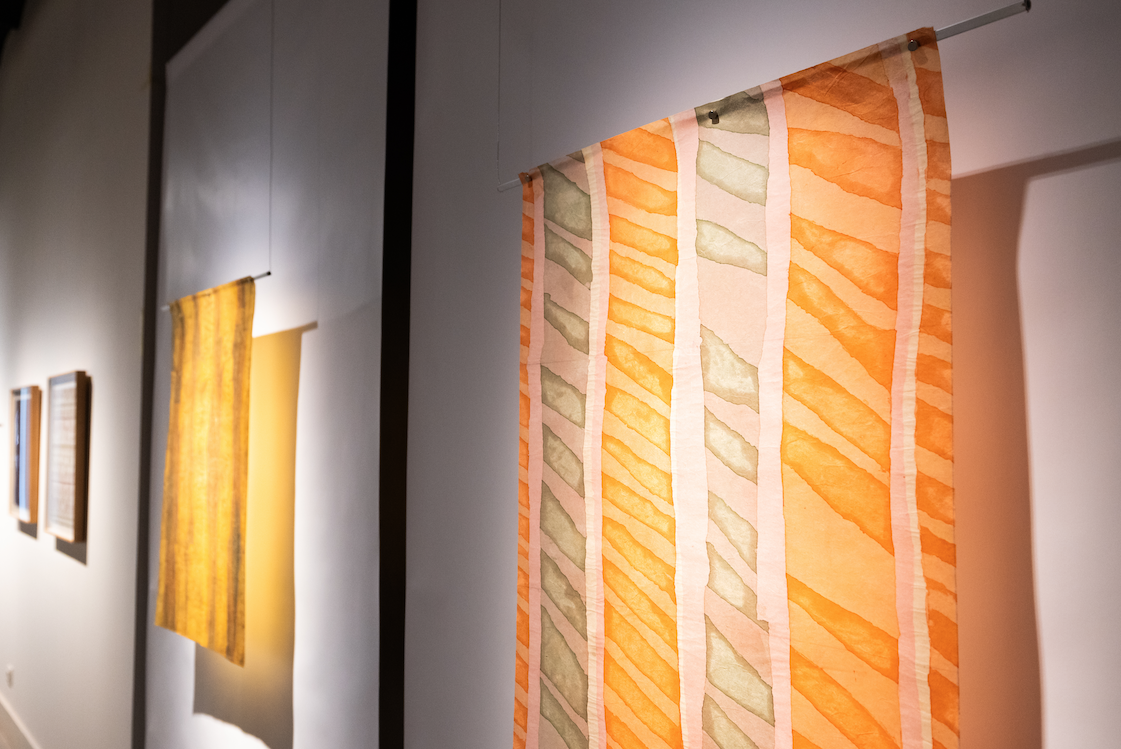
In recent years, the recovery of women artists has been intense, bringing to light key figures that historiography and the canon had sidelined. In this new and modern visualization of the real role of women in our context, Catalonia has been carrying out activities of special importance for years. It is noted that, since 2019, exhibitions dedicated to women or with a gender perspective have been increasing. This is the result of the desire to change and improve established discourses, which for centuries have belittled the figure of women in art, in order to grant them the place they deserve. This is especially the case with creators who have worked with materials and techniques considered as minor art within contemporary art.
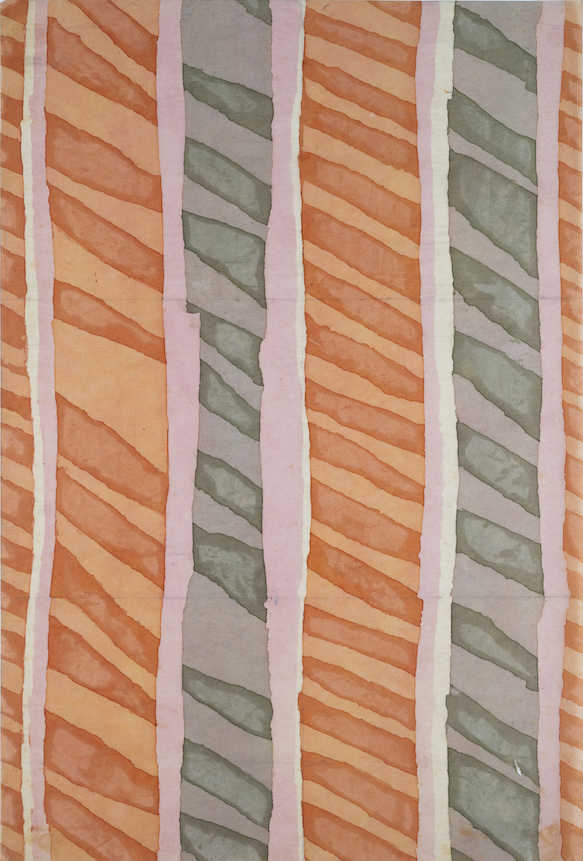
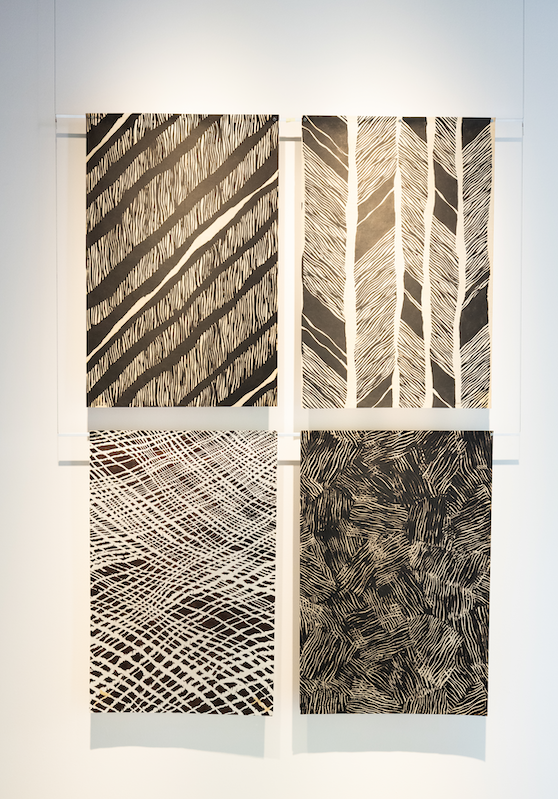
In this line of reviewing the trajectories of women artists, after the magnificent exhibition Dolors Oromí & Madola. Ancestral Poetics , curated by Pilar Parcerisas, Artur Ramon Art is currently presenting an exhibition by the Japanese artist Masako Ishikawa (Tokyo, 1937) -although she is known by her stage name Mako Artigas- who has been living in Catalonia since the sixties. Curated by Ricard Bru -doctor in art history and specialist in Japanese art- Mako. The invisible line brings together a selection of drawings and designs for fabrics; as well as some ceramics; works made between 1959 and 2025. The drawings denote their origin, the Japanese influence of the katagami that she knows through her family. These are cut-out paper templates used in Japan in the past for printing fabrics by applying a reserve. The cut-out patterns were transferred to the fabric by applying a rice paste so that, once the templates were removed, the surface not protected by the paste was impregnated with the desired dyes, following designs that allowed their reproduction.
Behind the name Mako Artigas lies a life full of stories, art and culture. The world of textile design and printing was what the artist lived and breathed from a very young age, because both families, father and mother, had a centuries-old tradition in the field of the textile industry. After the Second World War she trained at the Tokyo University of the Arts and in 1960 she arrived in Barcelona determined to dedicate herself to textile design. Shortly afterwards she settled in Paris, where for three decades she created a prolific work that seduced the main haute couture and international textile industry firms from Paco Rabanne to Nina Ricci, Courrèges, Dior and Kenzo. Her designs have their own character and include a wide variety of original shapes, both geometric and abstract, or floral, animal and natural. She shares a generation with Yayoi Kusama, Yoko Ono and Shigeko Kubota, who like her brought the spirit of Japanese modernity to the West.
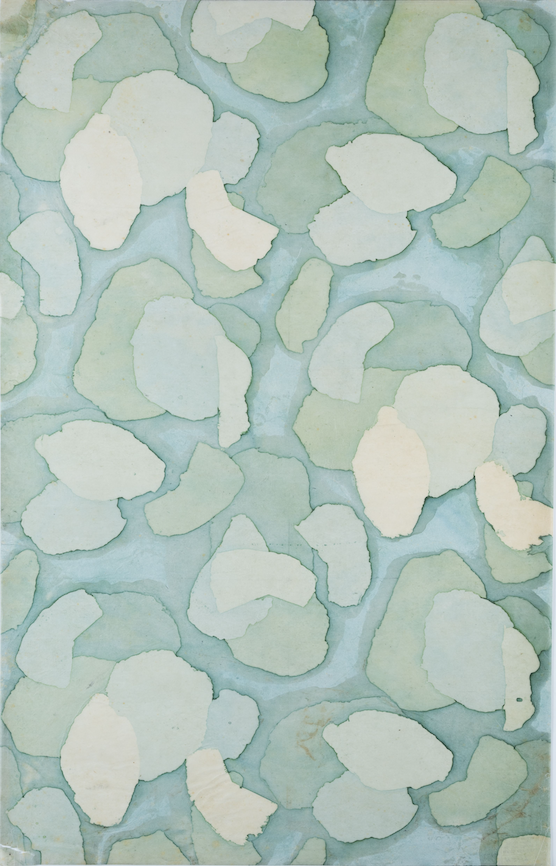
Mako Artigas has developed an extensive and fruitful career around the textile industry, print design and, more recently, ceramics and enamel work. Her vision draws from many sources and, above all, from a life surrounded by art and artists. In parallel with this personal path, she entered, with the help of her husband, Joanet Gardy Artigas, the world of Miró and other prominent artists of the time, from Chagall to Calder, including Alechinsky, Braque, Giacometti, Hamada, Tàpies and Szafran. Among the artists represented by Maeght that she liked the most and with whom she established friendships, we should mention Pablo Palazuelo and Eduardo Chillida, although she also followed with great interest the exiled Russian painter Nicolas de Staël, and especially Henri Matisse. All of this allowed him to acquire a first-rate cultural and artistic background, being able to share ideas and projects with some of the great figures of 20th century art who, in one way or another, were reflected in their designs and in the way they understood art.
Textile design gave way and prominence to ceramics with more intimate pieces, from plates and bowls, to artistic vases and pieces of jewelry full of plant, natural and colorful references. A prolific adventure that highlights her experience as a versatile designer who has never stopped exploring the limits between art and design. Since 1989 she has lived in the Catalan municipality of Gallifa with her husband, where they have established their respective studios.
The exhibition is completed with a fabric by Francesca Piñol (Puigverd, Lleida, 1959), made with a TCI digital loom based on a creation by Mako Artigas. This loom incorporates digital Jacquard technology, which is characterized by the combination of different textures and the use of color obtained from natural dyeing with materials from the environment, which provide a variety of finishes and chromaticisms. Her work is marked by a fascination with fabric, by the interweaving and combination of the different threads, colors, shapes and symbols that compose it and that are the expression of the different cosmovisions of the world.

You may be
interested
...