
Exhibitions
Helen Levitt: the poetry of the streets in images at the KBr of the Fundación MAPFRE
The exhibition reviews Levitt's career in nine sections with some 220 photographs, including previously unpublished works, the images from Mexico (1941) and much of his color work, begun in the 1950s.
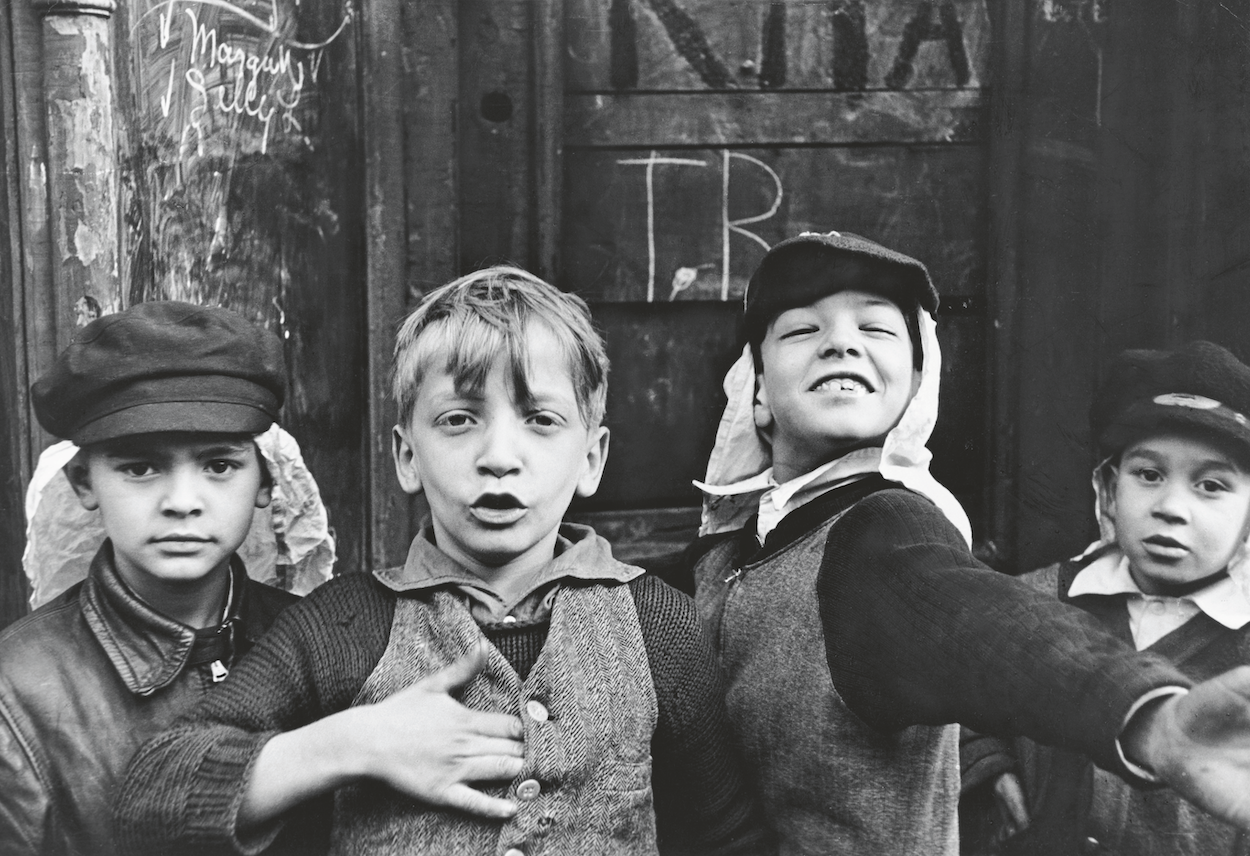
Fundación MAPFRE presents in Barcelona the first exhibition dedicated to Helen Levitt (New York, 1913-2009), based on the analysis of the artist's archives, which until now had only been accessible in a restricted manner. The exhibition can be visited at the KBr Photography Center and, later, will travel to Madrid, where it will be exhibited in the rooms of Paseo de Recoletos, 23. This retrospective offers a unique opportunity to discover the work of Levitt, a pioneer in North American street photography.
In this temporary exhibition by Helen Levitt at the KBr you can discover what life was like on the streets of New York and Mexico during the last century. The photographer and film director broke with the aesthetic conventions of her time and signed the only documentary to date nominated for an Oscar for best screenplay.
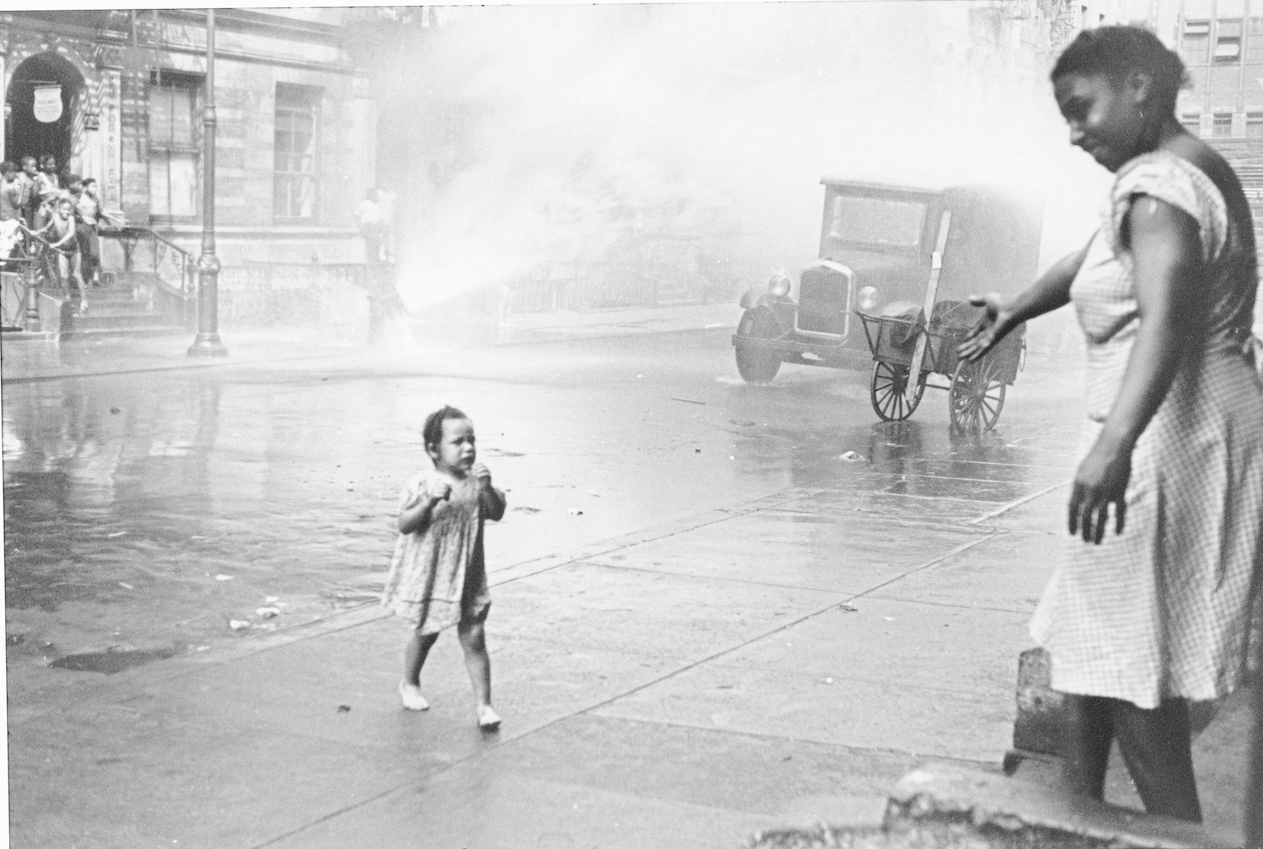
Mexico City, 1941, © Film Documents LLC, courtesy Zander Galerie, Cologne.
Curated by Joshua Chuang, the exhibition will be on view at the KBr at the MAPFRE Foundation from September 24 to February 1, 2026. Helen Levitt's photographs radiate a mystery that turns them into true visual enigmas. Her intimate and unique gaze transforms everyday scenes into compositions impossible to define in words, where every detail seems to float between reality and dream. This subtle tension establishes an immediate connection with the viewer, even when the story hidden in each image remains hidden between planes and shadows.
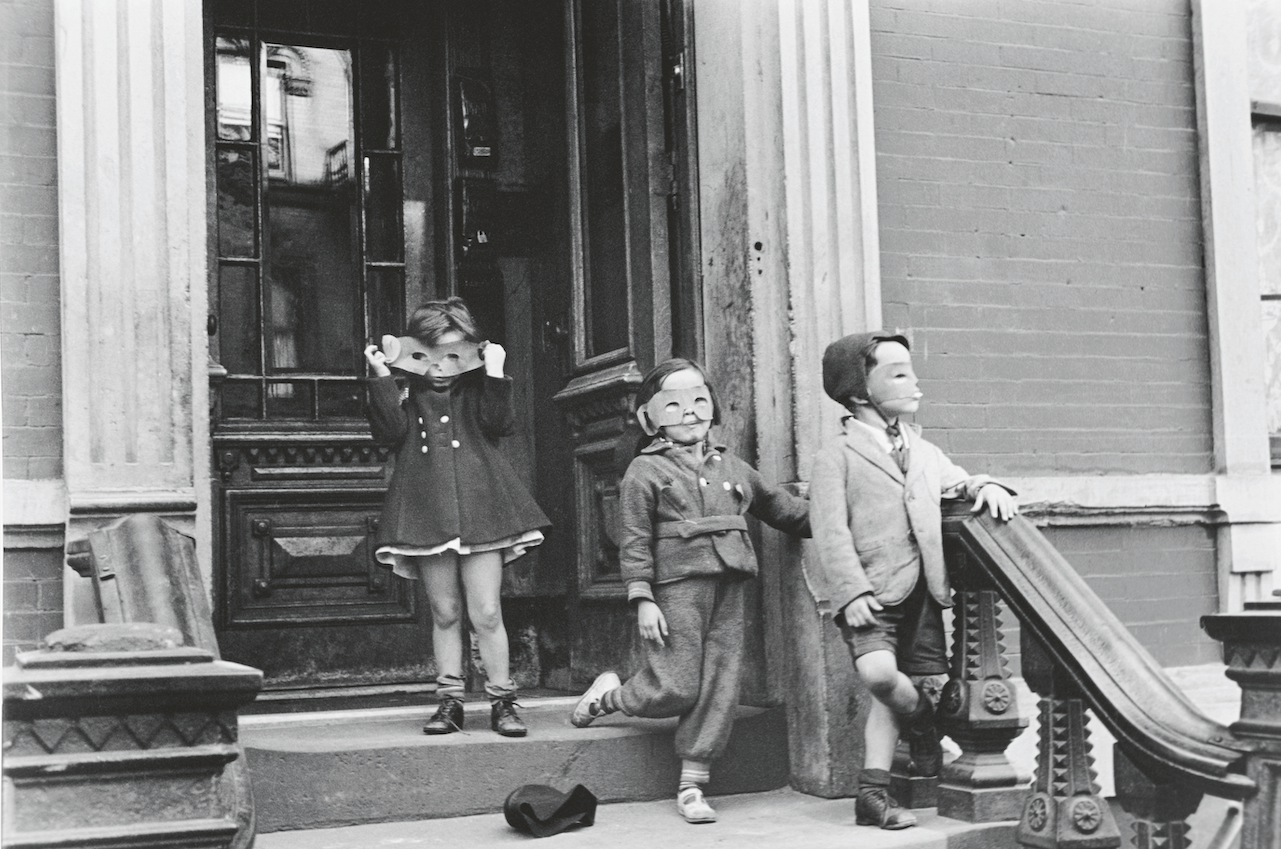
New York, c.1939, © Film Documents LLC, courtesy Zander Galerie, Cologne.
The exhibition plays with the duality of seeing Helen Levitt as one of the most famous photographers, but at the same time one of the most unknown. Alpha and omega within the same journey with an artist comparable to Henri Cartier-Bresson. Helen Levitt was one of the first women to stand out in the world of photography, especially in the field of urban photojournalism. She always avoided imposing an explicit narrative on her images and preferred not to comment on them, letting them speak for themselves. The commitment to this discretion, far from diminishing the value of her work, is precisely one of the keys that make it so fascinating and unique.
The exhibition offers a complete anthology of Helen Levitt's career, organized into nine sections that bring together more than 200 photographs. In addition to the tour of the core of her work, the exhibition includes previously unpublished images and the work she did in Mexico in 1941, as well as a wide selection of her color work, a technique she began to explore in the 1950s. Visitors will also be able to see the documentary In the Street (1948), which Levitt co-directed, as well as a projection of her color slides, which allow us to appreciate her unique perspective on everyday life with a new chromatic dimension. This combination of works consolidates the exhibition as an exceptional opportunity to discover the richness and diversity of one of the most relevant figures in street photography of the 20th century.
New York, c.1940, © Film Documents LLC, courtesy Zander Galerie, Cologne.
Helen Levitt, who devoted herself exclusively to her work, did not begin to gain public recognition until an advanced age. Although her name is closely linked to "street photography", since the streets of her hometown were the main setting for her production, throughout her career she also explored other areas: she made forays into cinema, traveled to Mexico and experimented with color photography, thus broadening her perspective beyond the urban register.
The photographs that survive from Levitt's first year with her Leica show her first attempts to outline the direction she wanted to take her work and define her artistic voice. Early works where Levitt was drawn to the chalk drawings she found on her way to work, made by children on the street, at a time when folk and primitive art was at its peak in the United States.
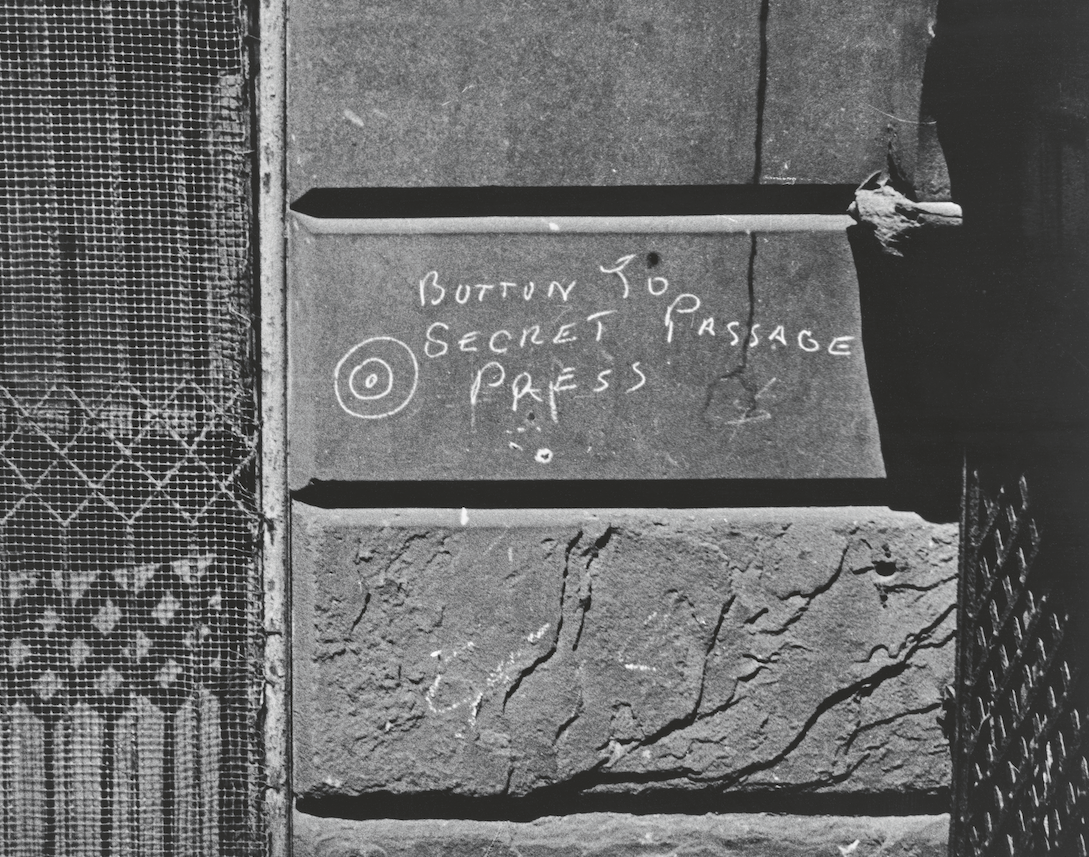
New York, c.1938, © Film Documents LLC, courtesy Zander Galerie, Cologne.
Then he would arrive in Mexico City, meet Walker Evans and Cartier-Bresson until arriving at the end of 1958, where Levitt applied for a third Guggenheim fellowship with the aim of experimenting with "the newest techniques of color photography", and the following year he obtained it. Despite working with a medium that was still uncommon at the time, the artist continued to approach color with the same sensitivity and rigor that he had applied to black and white, keeping his unique vision of everyday life intact.
This exhibition by the pioneer of street photography captured with sensitivity and poetic vision the daily life of the streets of New York, especially that of children and the urban community. Her images, full of subtle details, transform ordinary scenes into small visual enigmas, generating immediate connections with the viewer without the need for an explicit narrative.


You may be
interested
...