Exhibitions
Nodes, flows and vibrations by Eduard Arranz-Bravo at the Suñol Foundation
The space presents twelve works by the artist Eduard Arranz-Bravo, most of which have never been seen before, in an exhibition that will travel to Paris in November.
From the initial video that welcomes Eduard Arranz-Bravo to the impressive Vallvidrera studio to an exhibition that offers a journey through the most outstanding moments of his career, the key figures in his life and previously unpublished works. The Suñol Foundation presents Nodes, fluxos i vibracions , a temporary exhibition that can be visited from September 17 to October 24, before traveling to the Centre d'Études Catalanes de la Sorbonne in Paris.
A dozen works from the Suñol Soler Collection, mostly unpublished, give life to this exhibition dedicated to Eduard Arranz-Bravo. The show, curated by Albert Mercadé, has had the complicity of the Arranz-Bravo Foundation, guardian and bearer of the artist's living legacy, which delicately preserves and shares his creative essence.
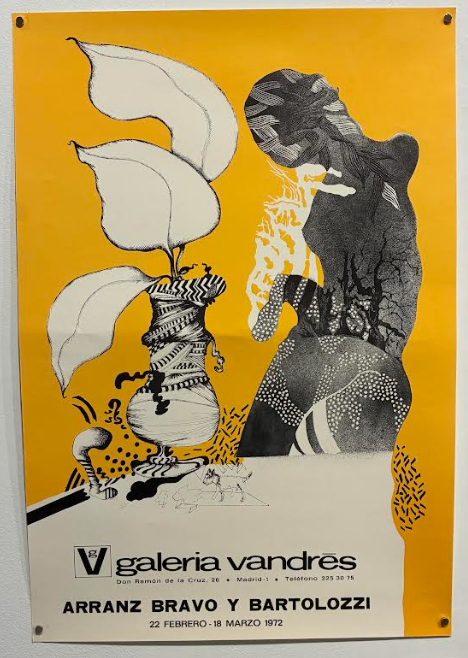
The viewer will travel back in time to the prolific decades of the seventies and eighties, when Eduard Arranz-Bravo gained momentum to become one of the main figures on the international art scene. During the seventies, he formed an exceptional creative tandem with Rafael Bartolozzi, an unusual alliance in the history of art. Together they painted the walls of the Tipel factory in Parets del Vallès in 1971 and exhibited on several occasions at the Vandrés gallery in Madrid. His friendship with key figures such as Fernando Vijande and Josep Suñol Soler also stands out, who form a fundamental part of this journey.
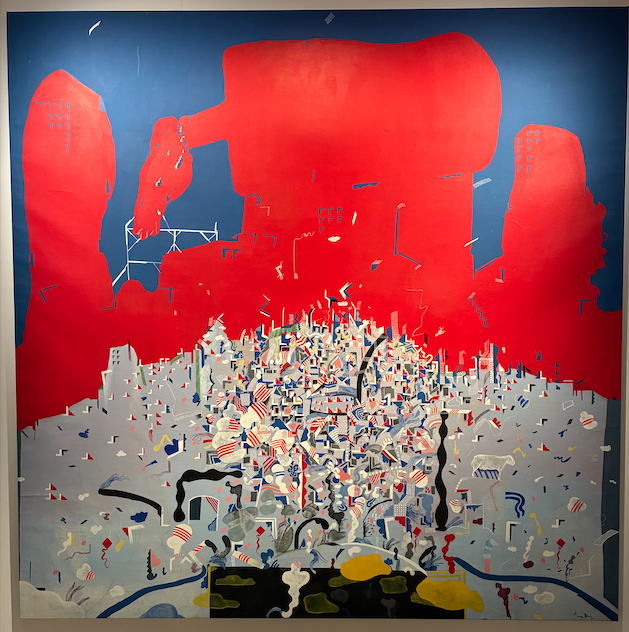
The central axis of the exhibition is the piece New York my love , a city that profoundly influenced Arranz-Bravo's creative process, and which is reflected in details that will transport the visitor to the Parets factory. The exhibition includes unpublished and never-before-exhibited works, as well as documentation that explains the links between Arranz-Bravo, Suñol and Vijande, without forgetting the relevance of Rafael Bartolozzi in this key stage.

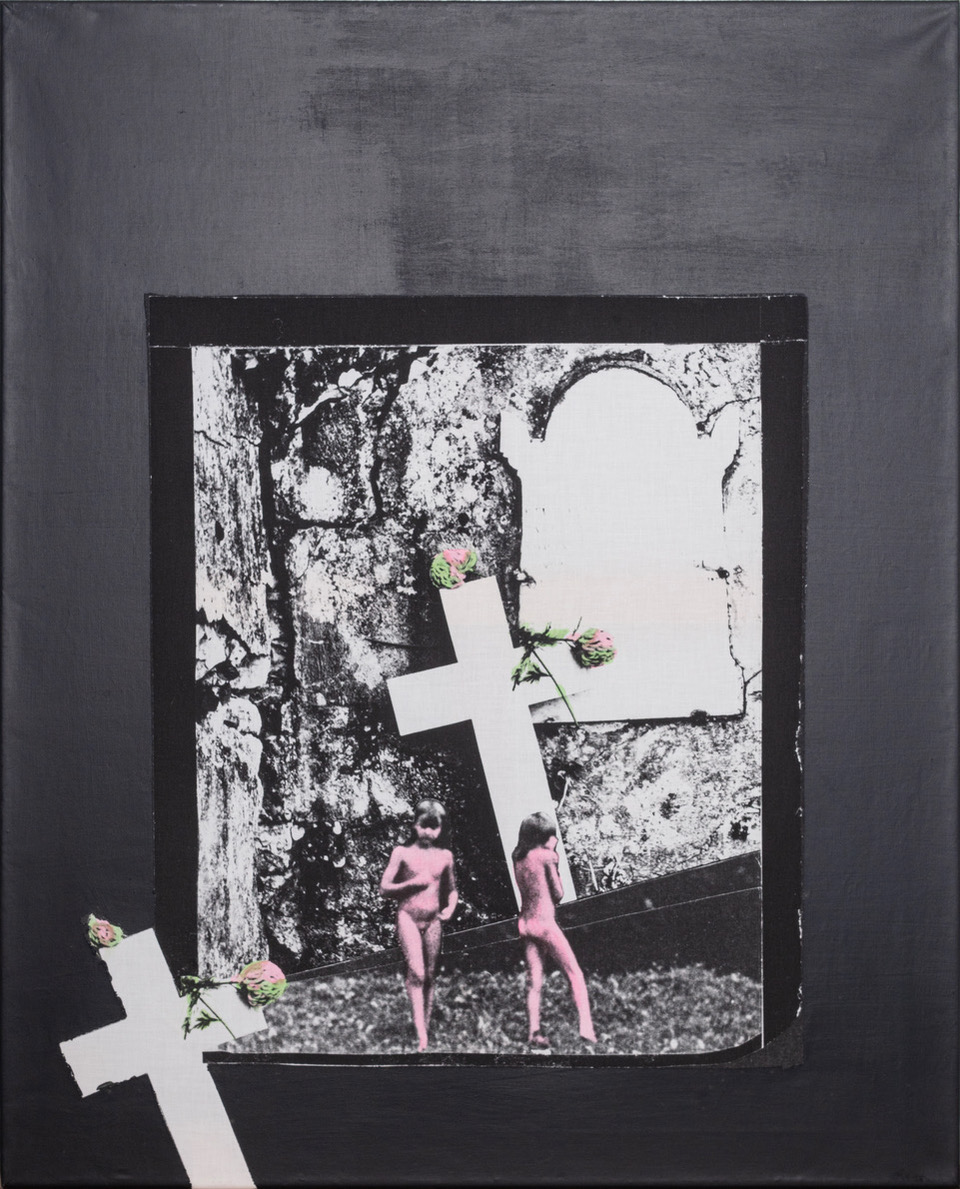
Eduard Arranz-Bravo, By Caravaggio, 1983.
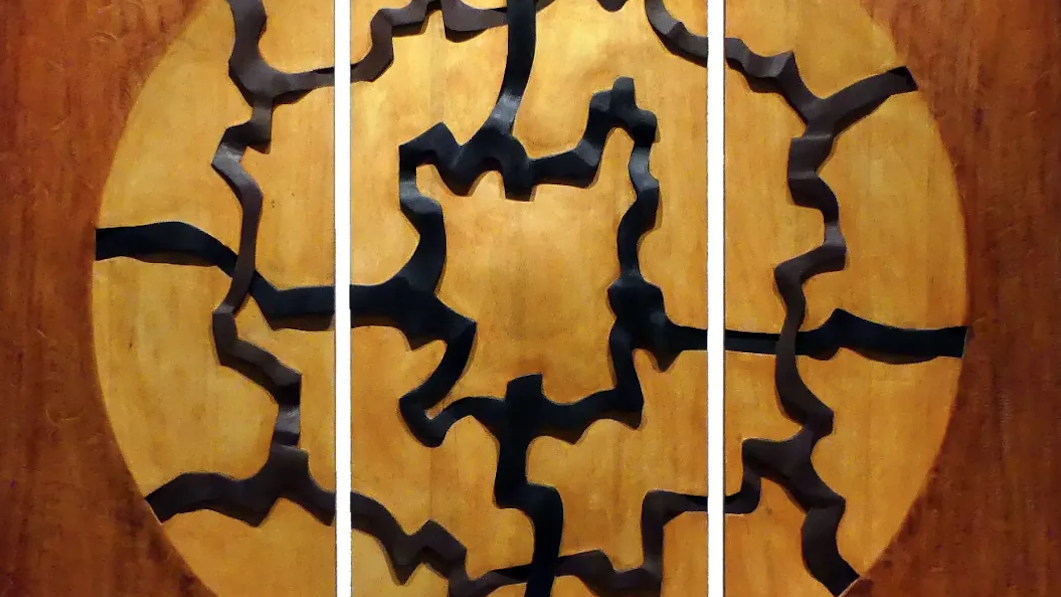
It is an invitation to immerse yourself in the vibrant and multifaceted universe of Eduard Arranz-Bravo through the exhibition Nodes, fluxos i vibracions , which emerges as a sensitive bridge between the work of this artist and the collection of the Suñol Foundation. An artistic dialogue that crosses time and space, where Arranz-Bravo's Gran espiral from 1973 resonates with the visual poetry of Joan Miró's Dona , an emblematic piece of the Suñol Soler collection.
The Suñol Soler Foundation, guardian of a rich collection of works by Arranz-Bravo, is now opening an unprecedented chapter in his career, showing pieces that have never been exhibited before. This meeting has been woven thanks to the collaboration with the Arranz-Bravo Foundation, which since 2009, in Hospitalet de Llobregat, has preserved and disseminated the legacy of this master of color and form, while promoting emerging creation.
The links between the artist and the Suñol Foundation are deep and full of memory: Josep Suñol Soler was the driving force behind an emblematic ritual celebration, Situació Color (1976), created by Antoni Miralda and Jaume Xifra. On this occasion, Arranz-Bravo intervened in a simple cloth napkin, turning it into an ephemeral work that today is a living witness to a founding moment for the collection.
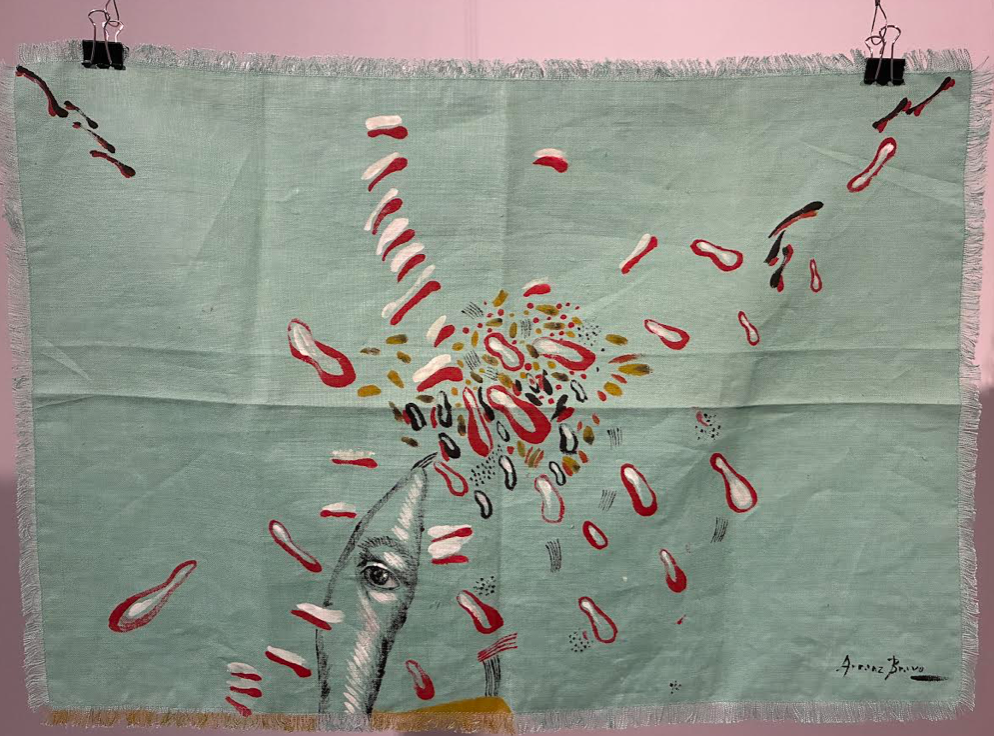
Eduard Arranz-Bravo, Untitled (Color Situation), 1976.
The exhibition unfolds as a dialogue between works that are linked in time and space: from New York my love (1971) to Madrid man (1975), a sculpture that was part of the exhibition La capital at the Galería Vandrés in Madrid, to Per Caravaggio (1983) or Verge de Vic torturada (1971). This entire trajectory culminates again in the ritual feast of 1976, where art and everyday life merge in the intervention on the banquet.
It is a unique opportunity to delve into the multiple layers of Arranz-Bravo's world, a journey that also recalls the inseparable triptych formed by the artist, Fernando Vijande and Josep Suñol Soler, and that takes a delicate look at the temporary exhibition Fernando Vijande. Portrait: 1971-1987 (2017) at the Suñol Foundation.
In short, an experience that vibrates between creative nodes and emotional currents, which invites you to feel art not only with your eyes but with your soul.
You may be
interested
...