Exhibitions
The environment of Alt Penedès based on the sculptures of Josep Massana at the Valvi Foundation
Starting point of a new exhibition course with the three-dimensional pieces of the sculptor from Sant Pau d'Ordals.
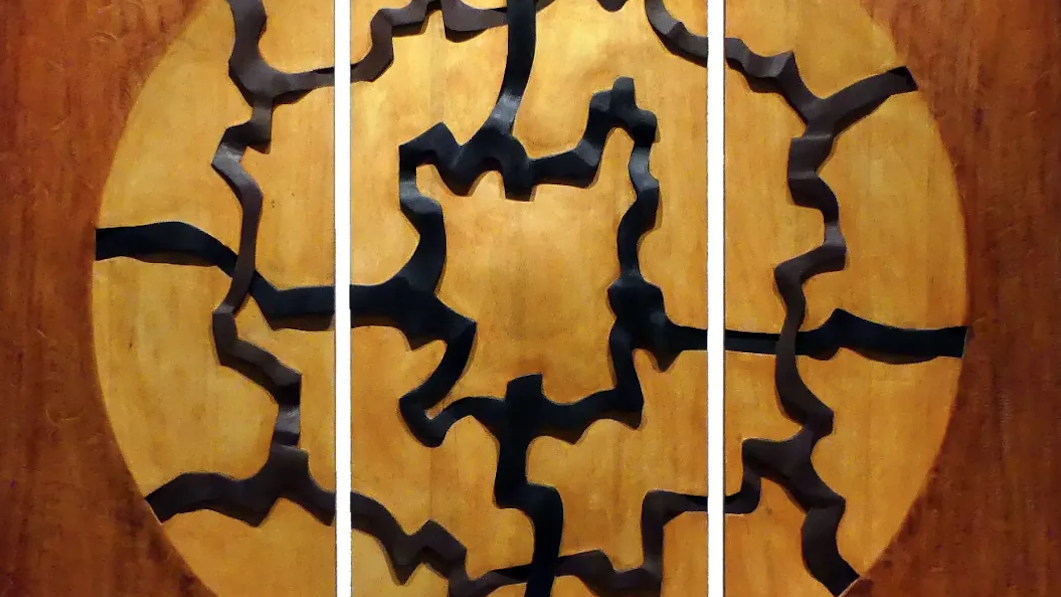
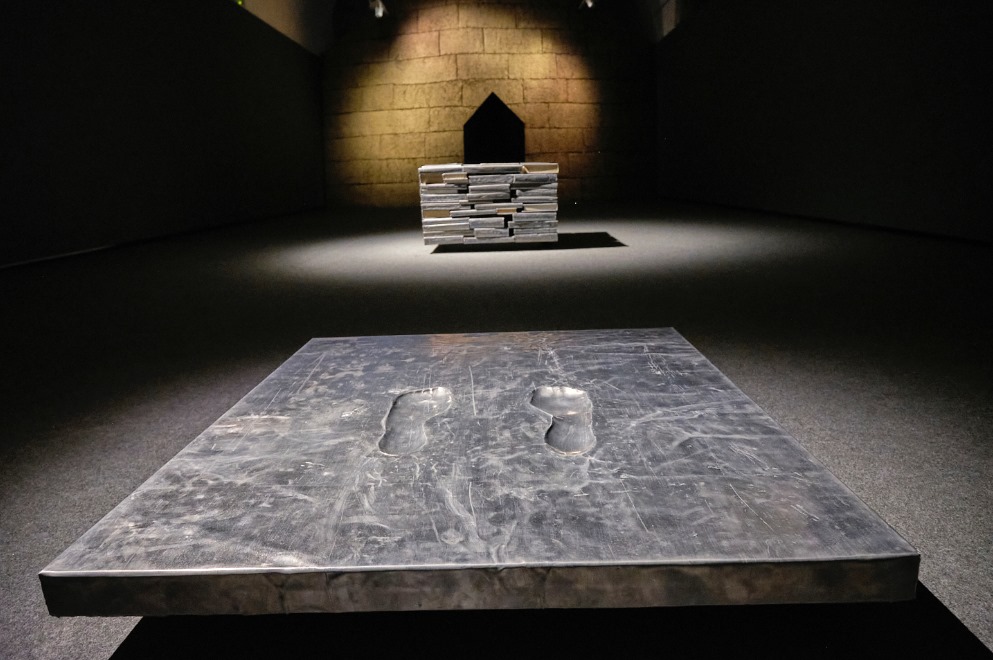
The Valvi Foundation inaugurates its autumn program with an exhibition dedicated to the sculptor Josep Massana (Sant Pau d'Ordal, 1957). Next Wednesday 17, the artist will present a representative selection of his career, marked by constant research around form, volume and matter. An exhibition tour that can be seen until October 31 with the title L'olor i la pols .
With this exhibition, the Valvi Foundation not only opens the new cultural season, but also offers the public the opportunity to discover —or rediscover— the creative universe of a sculptor with a long and solid career, rooted in the Penedès region and at the same time with an open view of universal languages.
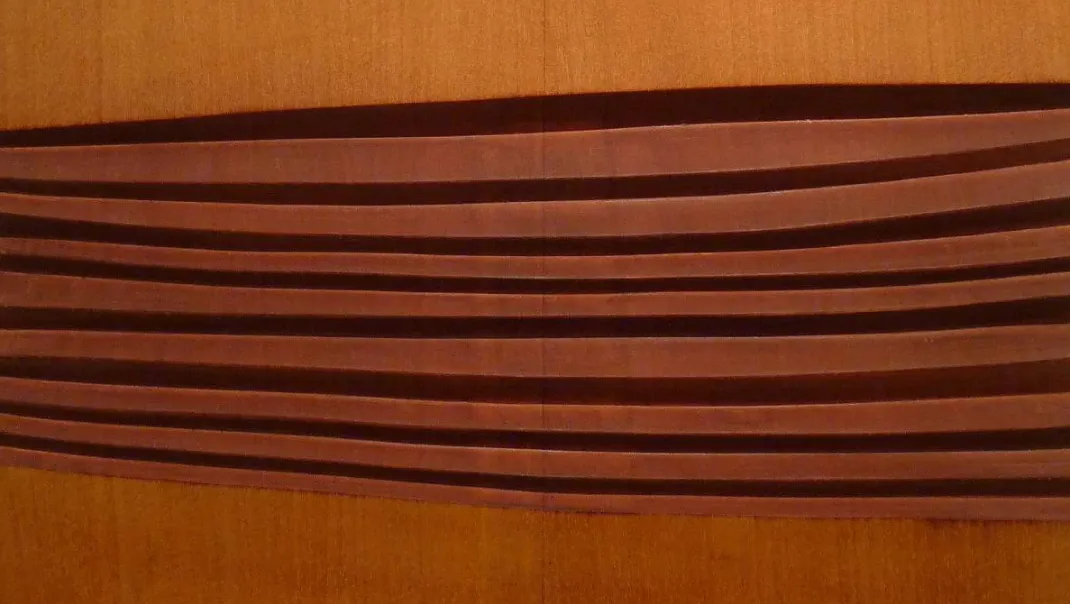
Josep Massana's sculptures draw on the essential simplicity of Brancusi, Arp and Henry Moore, but it is in the forcefulness and geometric nakedness of the Basque school - with names such as Oteiza, Mendiburu, Ugarte and Chillida, discovered thanks to his friendship with Néstor Basterretxea - that they find a deeper imprint. From this dialogue with the great voices of contemporary sculpture, a work is born that is intensely rooted in his vital landscape: the Alt Penedès region, with which he establishes an intimate and lasting bond.
Josep Massana (Sant Pau d'Ordal, Alt Penedès, 1957) is a Catalan sculptor closely linked to the territory and the landscape that has seen him grow. Known as the "landscape sculptor", his work focuses on the reinterpretation of the Penedès environment. His production embraces different languages and materials - with a special attention to wood - and also expands towards drawing, photography, video and models. His main sources of inspiration are vineyards, dry stone huts, walls and other elements of architecture and the rural landscape, which he transforms into sculptures and installations full of symbolism and meaning.
"This territory, marked by the cyclical rhythm of nature and shaped by generations of families who have worked it, is for him of great plastic and visual richness. Massana does not exploit the bucolic or picturesque qualities of the place, but focuses on what he describes as "unconscious" or "accidental" art, caused by the interaction between the physical conditions of the place and the human practices that have transformed it [...]", writes Germina Bastardas in the catalogue of L'olor i la pols.

You may be
interested
...