Exhibitions
María Alcaide and Pol Merchan: territory, identity and digital censorship
In La Capella, an analysis of the relationship between power, territory and visual representation through contemporary arts.
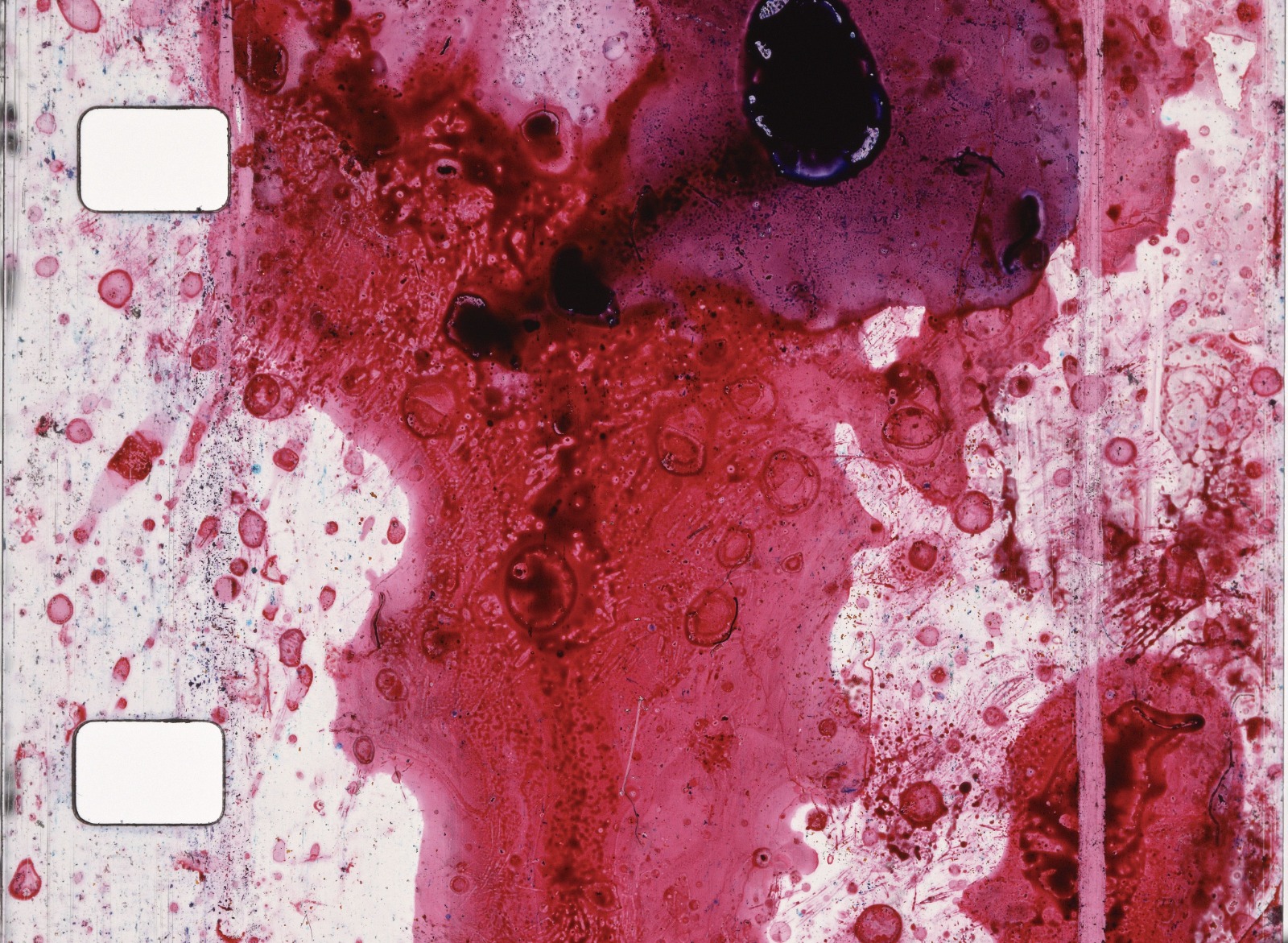
Framed within the Barcelona Producció 2025 program, the exhibitions by María Alcaide and Pol Merchan explore dynamics of power, representation and resistance through performance, video and digital arts. Two approaches that, despite starting from distant references, share the desire to rethink the established: whether a sacralized territory or a controlled visual archive.
María Alcaide: between myth and extractivism
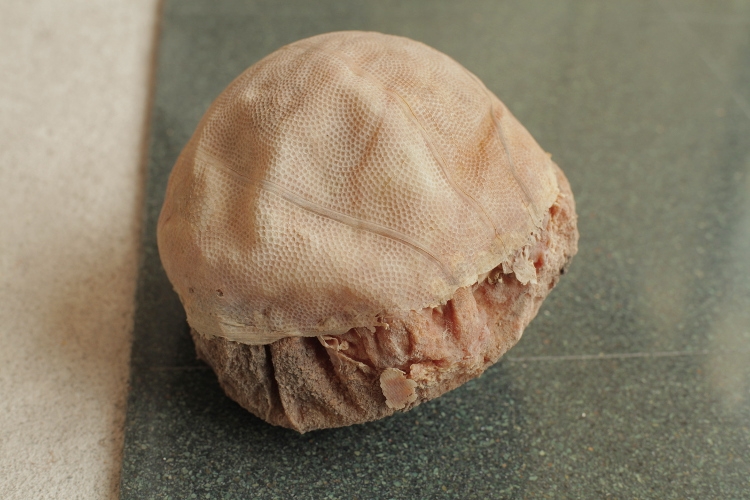
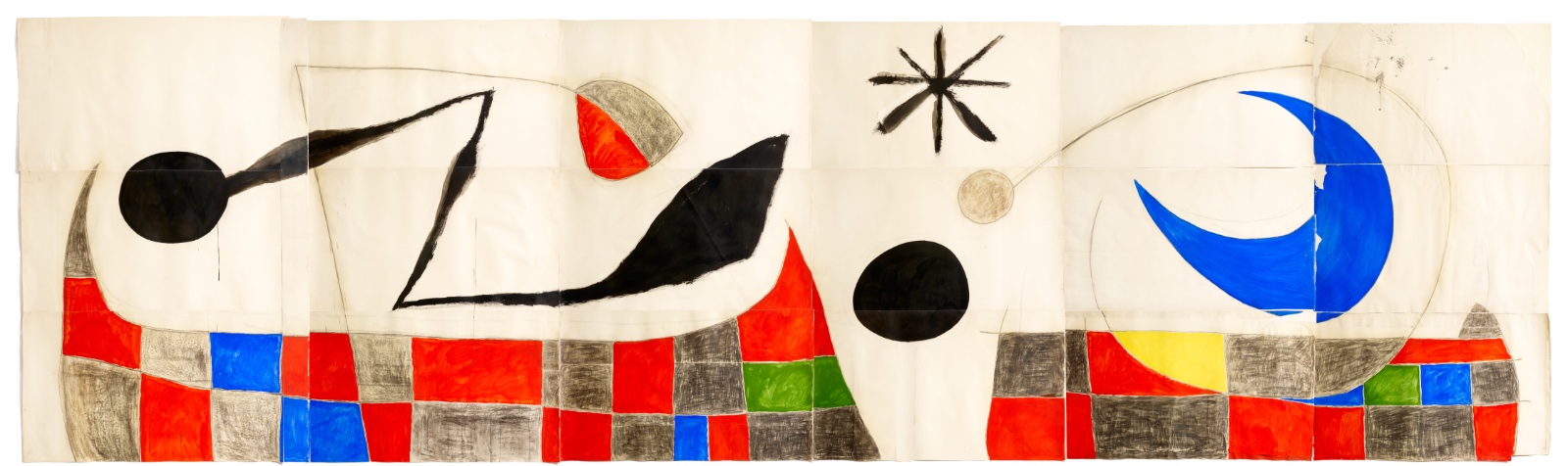
At the Espai Capella, María Alcaide presents La romería de los cornudos, a visual investigation that starts from the ballet of the same name by Federico García Lorca and Cipriano Rivas Cherif (1933) to make a critical reading of the El Rocío pilgrimage and its natural and social environment. The proposal articulates a contemporary story through videos, dance, music and costume creation, and is part of a hydrofeminist perspective that questions the uses of the territory and its implications.
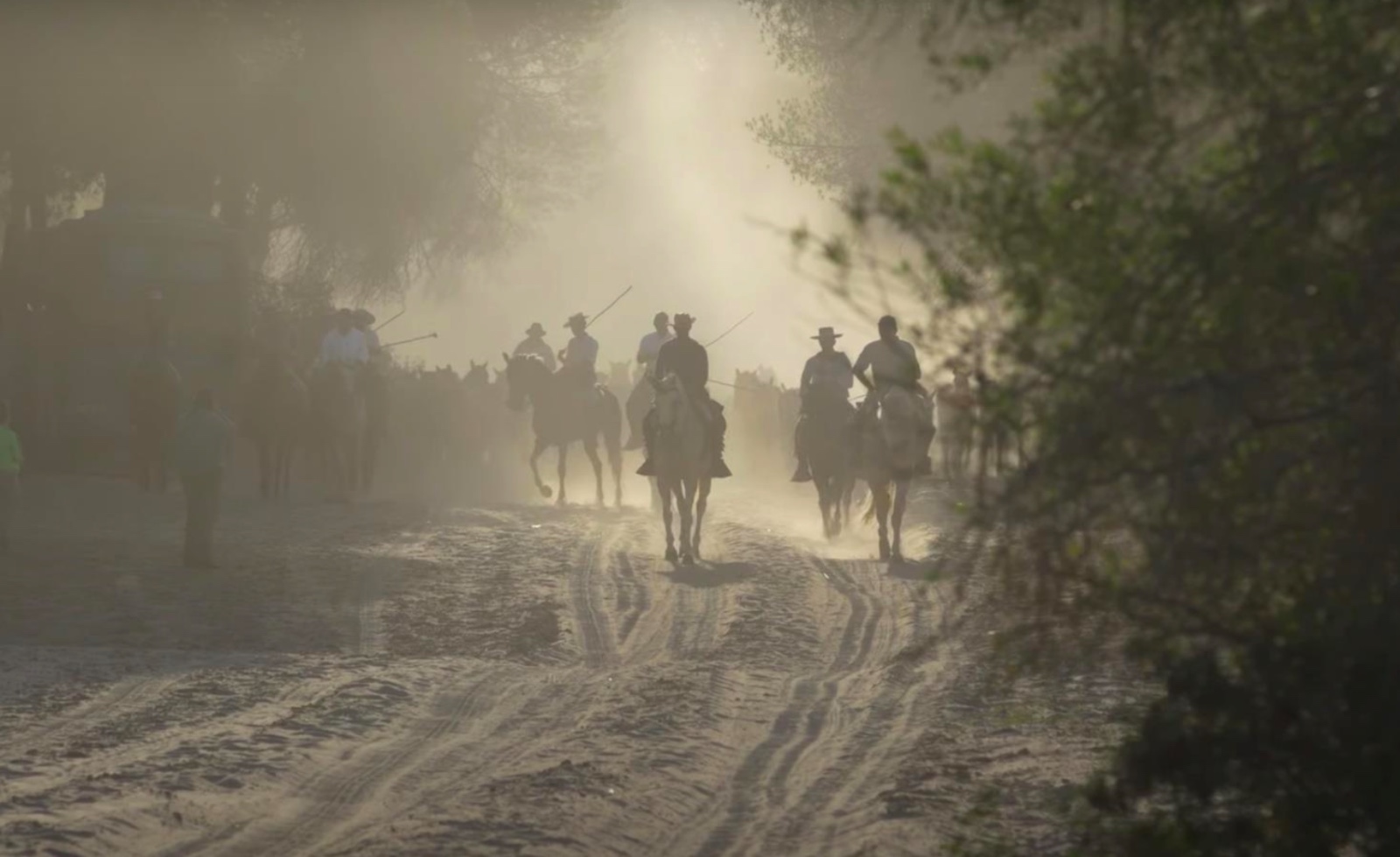 La romería de los cornudos, María Alcaide. © Pep Herrero
Based on the landscape of the Doñana National Park and its bordering areas—tourist, agricultural and industrial—Alcaide develops a reflection that crosses themes such as fertility, spirituality, labor and environmental exploitation, or the symbolic violence of folklore. The project puts the overexploitation of natural resources into dialogue with forms of precarious work and mechanisms of cultural control, pointing out how symbolic and material production is deeply crossed by extractive violence in multiple dimensions and power structures.
Alcaide's career includes exhibitions at institutions such as the Frankfurter Kunstverein, the Bauhaus Archiv in Berlin, Can Felipa or Matadero Madrid, and has been recognized with grants and awards such as Generación 2021 or the production grant from the ”la Caixa” Foundation.
 La romería de los cornudos, María Alcaide. © Pep Herrero
Pol Merchan: altered imaginaries and audiovisual resistance
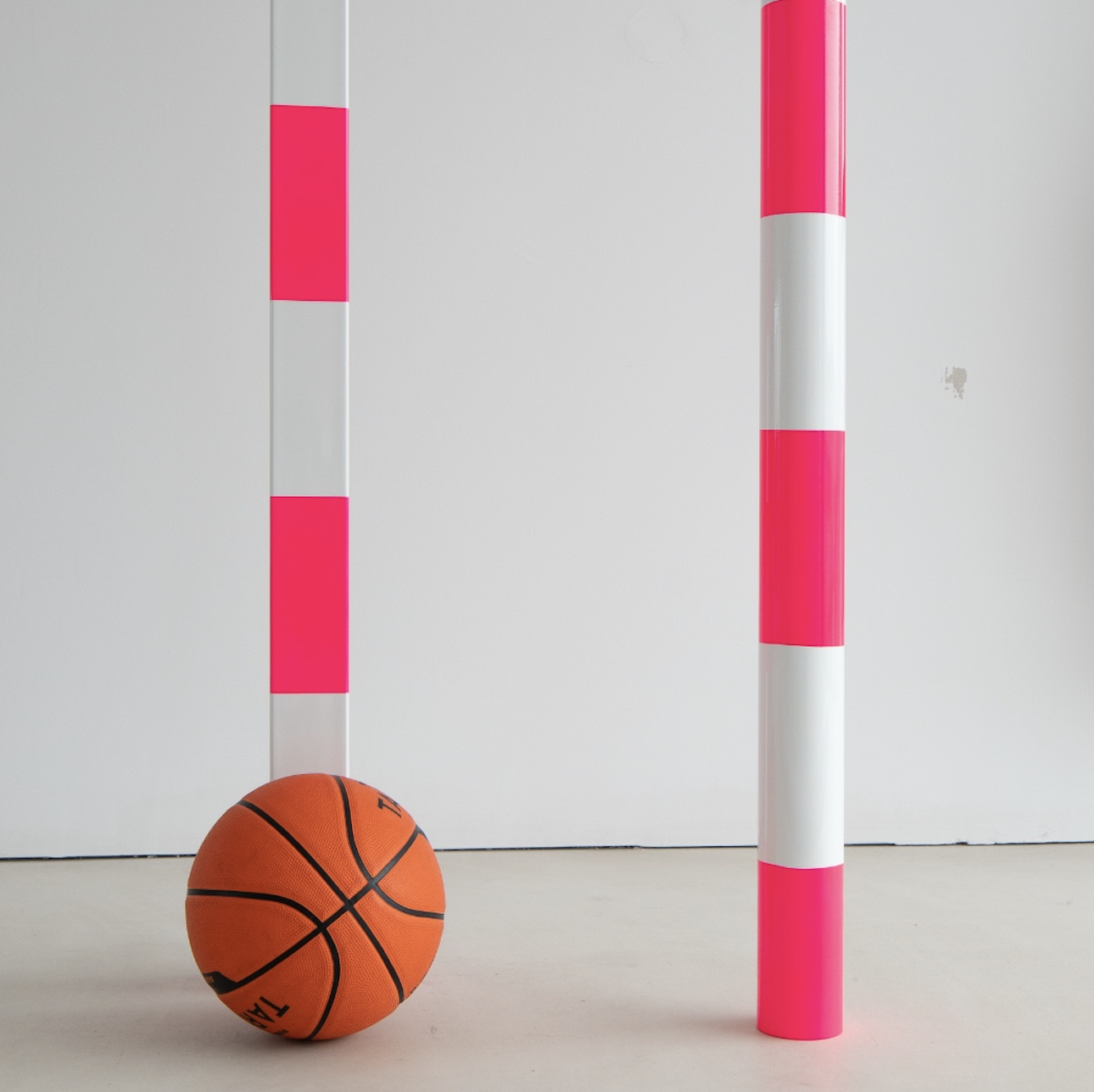
At Espai Rampa, Pol Merchan's La pantalla mutant proposes a critical and speculative incursion into genre cinema produced during the end of Franco's regime. Through digital techniques, 3D modeling and artificial intelligence, the artist rewrites the codes of Spanish horror fiction to transform them into a space of queer and dissident insurgency.
Merchan uses the resources of the computer-generated image to give body to a hybrid filmic creature, changing and fickle, that strains the limits of representation. If before it was the State that decided which images could circulate, now it is automated systems that delimit the margins of what can be represented, imposing filters and censorships that respond to normative criteria —often cis heteronormative— that exclude dissident bodies and areas considered unsuitable, such as genitals or nipples. In this context, the screen becomes a symbolic battlefield where queer subjectivities challenge the limits imposed by a new algorithmic hegemony.
With a consolidated career as an artist and filmmaker, Merchan has shown his work at international festivals and centers such as the Museo Reina Sofía, the Rotterdam IFF, Dok Leipzig or the Anthology Film Archives in New York. He is also a curator of the Xposed Queer Film Festival in Berlin.
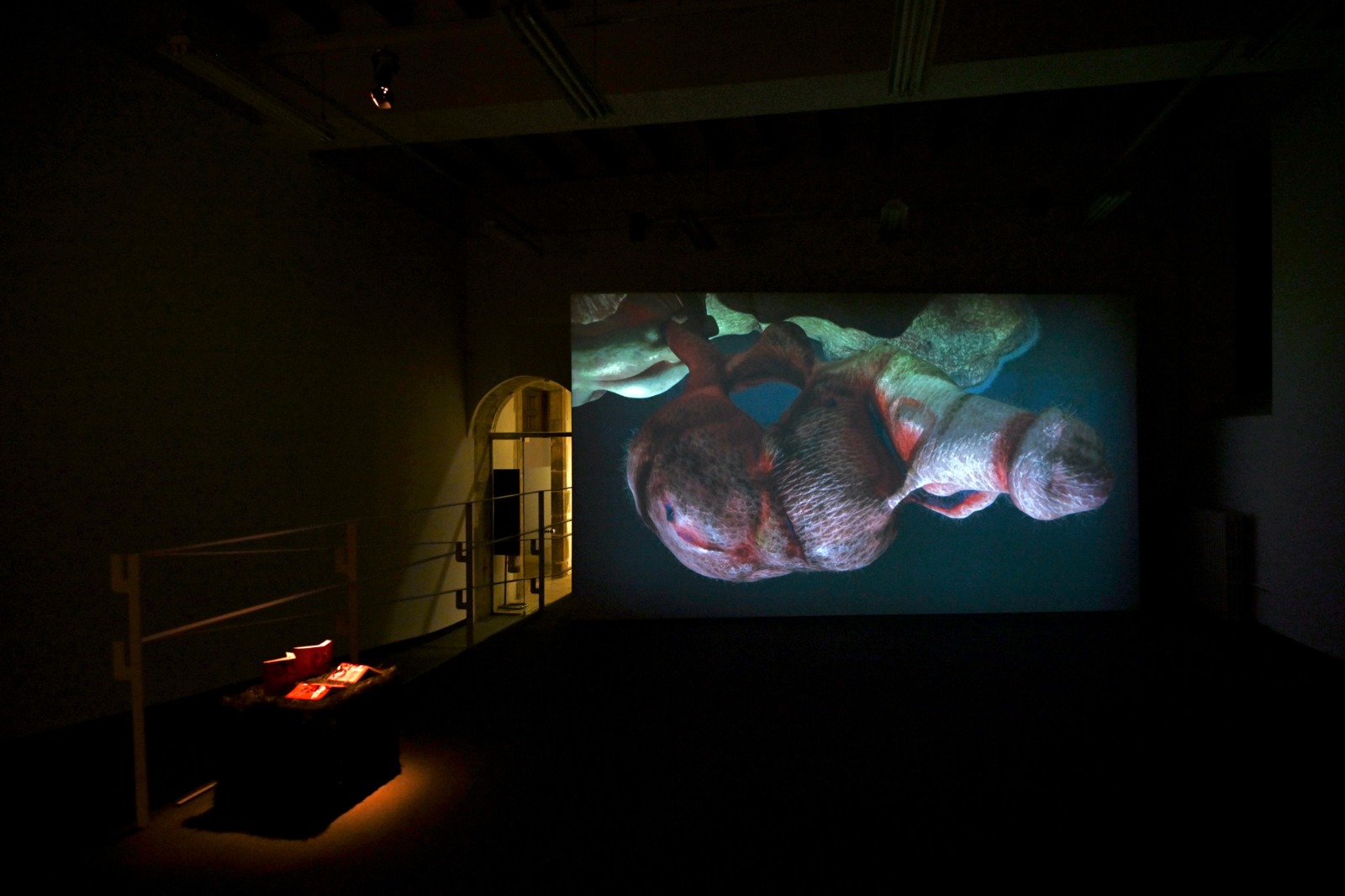 La pantalla mutant, Pol Merchan. © Pep Herrero


You may be
interested
...