News
Cuauhtémoc Medina will be the curator of the 25th Paiz Art Biennial
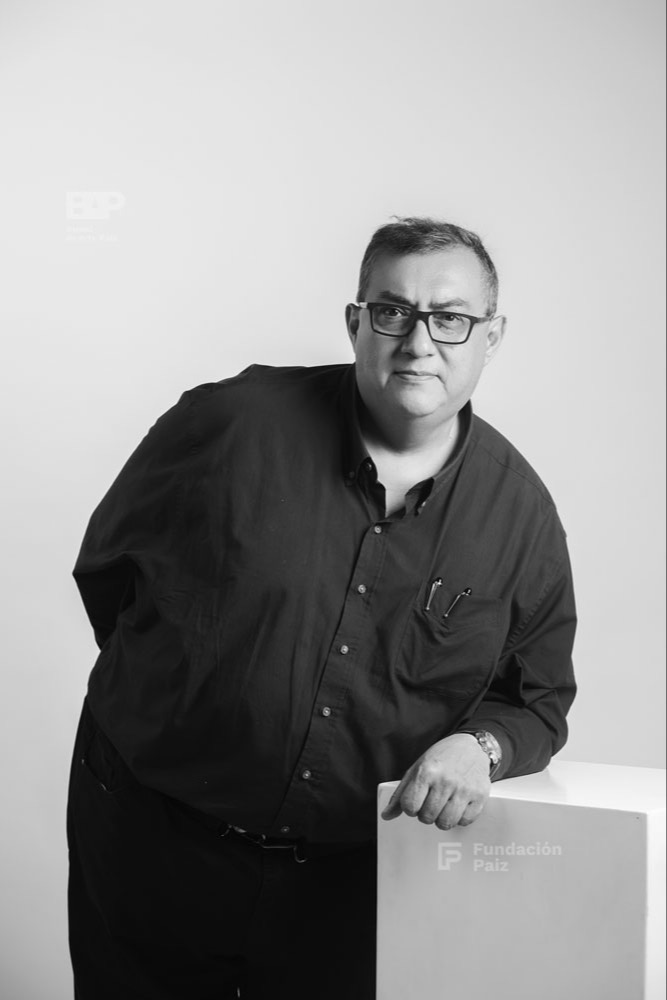
The Paiz Art Biennial has announced the appointment of Cuauhtémoc Medina as curator of its 25th edition, a particularly significant appointment for an institution that has occupied a prominent place in the Central American art scene for nearly five decades. The Mexican critic, historian, and curator will be responsible for shaping the project of a biennial that, since its transformation in 2008, has consolidated a model based on research, dialogue, and the relationship between contemporary art and the land.
Born in Mexico City in 1965, Cuauhtémoc Medina is one of the most renowned figures in Latin American art criticism and curating. With a PhD in Art History and Theory from the University of Essex and a degree in History from the National Autonomous University of Mexico (UNAM), his career has spanned both academia and some of the leading international contemporary art institutions.
Medina was the first associate curator of the Latin American art collections at Tate Modern and later served as chief curator at the Museo Universitario Arte Contemporáneo (MUAC) at UNAM. In 2012, he curated Manifesta 9, and in 2018, he was chief curator of the 12th Shanghai Biennale. His work has been recognized with the Walter Hopps Award for Curatorial Achievement, granted by The Menil Collection in Houston. Since 1993, he has been a researcher at the Institute of Aesthetic Research at UNAM.
Throughout his career he has developed exhibitions and projects together with artists such as Francis Alÿs, Andrea Fraser, Carlos Amorales, Harun Farocki, Jill Magid, Jeremy Deller, Ai Weiwei, Beatriz González, Kader Attia, Magali Lara and Raqs Media Collective, among many others.
His arrival at the Paiz Art Biennial comes at a particularly relevant moment for the project. Medina himself has highlighted the role the biennial has played for half a century as a meeting place between contemporary art and the Guatemalan public, as well as its importance within the Central American art scene.
"It is a great honor, but also a challenge, to be in charge of curating the Paiz Art Biennial on this very special occasion," said Medina, who is confident in developing the project together with the biennial team and the participating artists.
From a national competition to a contemporary biennial
The history of the Paiz Art Biennial dates back to 1978, when it was born as a cultural project promoted by Almacenes Paiz SA. In its first decades it functioned as an open call competition intended to favor the exposure and professionalization of Guatemalan artists.
Participants could submit their work in various disciplines, including painting, sculpture, drawing, printmaking, porcelain, and photography. The pieces competed for the top three prizes in each category, and the selected works became part of the Paiz Art Collection, which currently comprises more than 300 pieces by Guatemalan and Central American artists.
From its earliest editions, the biennial also featured the participation of juries and cultural agents from various countries, including Mexico, Spain, Brazil, El Salvador, Costa Rica, Colombia, Italy, Chile, and Cuba. This international dimension gradually expanded until it became one of the project's essential characteristics.
The major turning point came in 2008, with the celebration of the 16th edition. The biennial then abandoned the traditional competition format and adopted a curatorial model, a transformation that profoundly altered its relationship with artists, audiences, and cultural institutions.
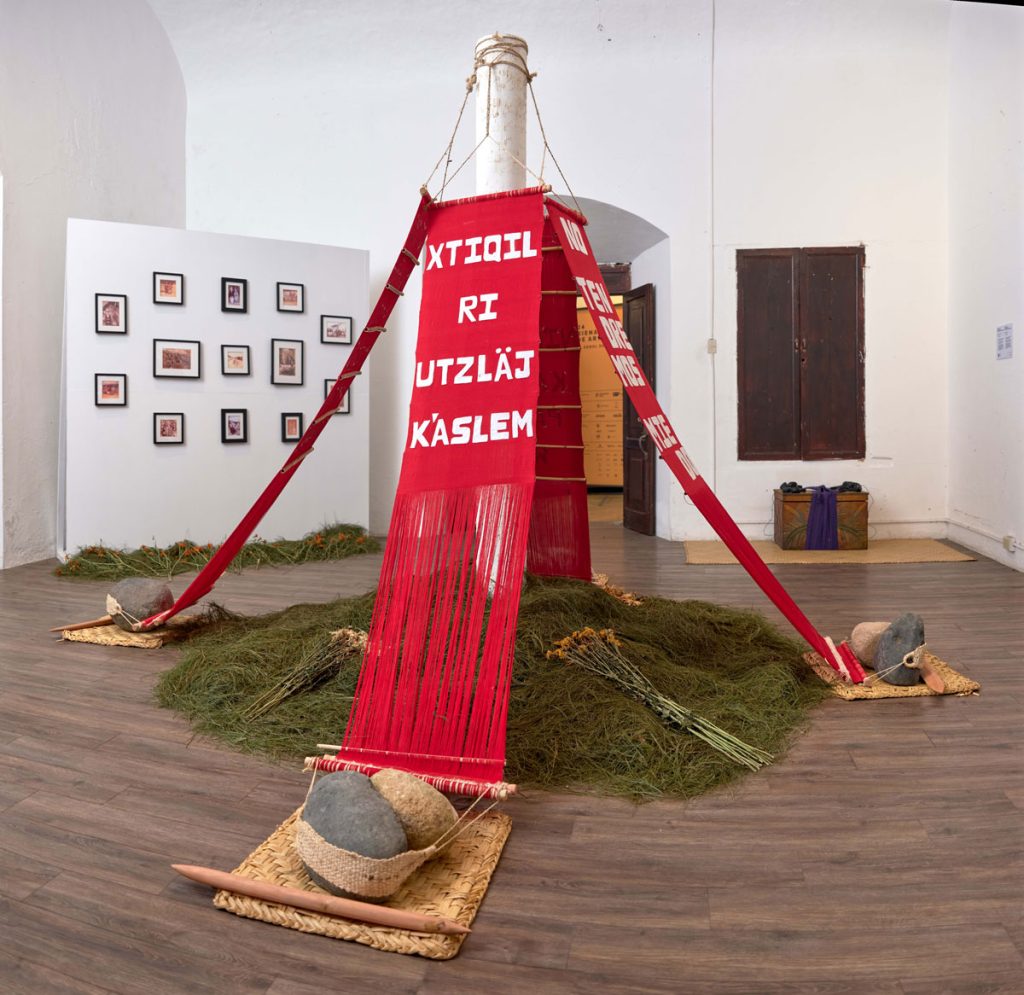
From that moment on, the Paiz Art Biennial began to function as a platform for production, research, and contemporary thought. The change also allowed for the expansion of spaces dedicated to exhibitions and artistic projects, which ceased to be limited to museums and galleries, taking over streets, plazas, markets, community centers, and other unconventional spaces.
Art beyond museums
This territorial expansion has become one of the biennial's defining features. Its various editions have developed participatory projects with indigenous communities and artistic collectives, aiming to decentralize cultural activity and establish new forms of interaction between artists and communities.
The biennial has thus extended its activities to different territories of Guatemala, including Antigua Guatemala, San Juan Comalapa, Atitlán and Izabal, building a network that connects different social, cultural and geographical realities of the country.
At the same time, the Paiz Art Biennial has developed exhibitions and educational programs aimed at diverse audiences, reinforcing its role as a driving force in the Guatemalan cultural ecosystem.
This evolution has allowed the institution to transcend its origins as an art competition to become an international curatorial project, capable of combining contemporary production with research, education, and citizen participation.
Nearly five decades of history
Continuity is another fundamental element of the Paiz Art Biennial. Since its creation in 1978, it has been held uninterruptedly, even in particularly complex historical contexts such as Guatemala's internal armed conflict or the Covid-19 pandemic.
With almost fifty years of history, the institution has established itself as the second oldest biennial in America and the sixth oldest in the world.
The selection of Cuauhtémoc Medina to direct the 25th edition marks a new chapter in this story. His international experience, his knowledge of Latin American art, and his track record with major exhibitions and curatorial platforms present the upcoming edition with the challenge of continuing to expand the boundaries of a biennial deeply rooted in Guatemala, yet increasingly connected to international debates in contemporary art.

You may be
interested
...