
Exhibitions
The 'Book of Hours of the Gralla Family', a jewel of the Catalan Renaissance that comes to light
The Renaissance Museum of Molins de Rei presents for the first time to the public this 16th-century Barcelona manuscript, recently added to the collections of the Library of Catalonia.
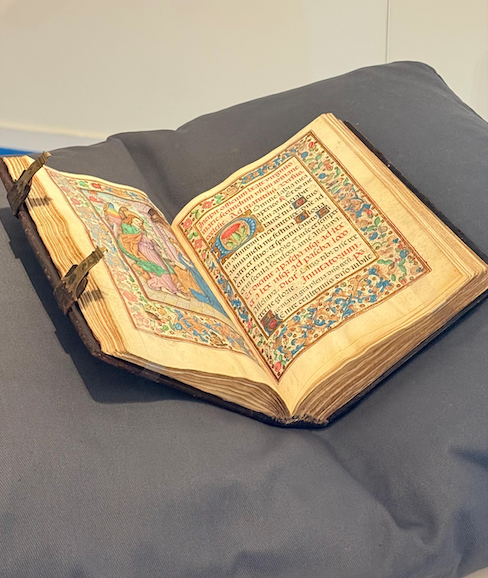
The delicacy of the miniatures, the richness of the ornamental elements, and the precision of its illustrations make the Gralla Family Book of Hours an exceptional testimony of the artistic culture of the early Renaissance in Catalonia. Created in Barcelona between 1501 and 1525, this illuminated manuscript, which until now had remained out of the public's reach, is presented for the first time in an exhibition at the Renaissance Museum of Molins de Rei. The exhibition, installed in the Tapestry room, allows the discovery of a unique work of Catalan bibliographic heritage and can be visited from October 29, 2026, to February 28, 2027.
The exhibition arrives after the Library of Catalonia acquired the manuscript at the end of 2025, incorporating it into its heritage collections. The initiative arises from the collaboration between this institution and the Renaissance Museum, with the aim of facilitating citizens' access to relevant pieces of the bibliographic and artistic heritage. At the same time, the presentation of the book inaugurates the museum's temporary micro-exhibition program, a proposal that aims to enrich its exhibition narrative through the incorporation of unique works from other institutions.
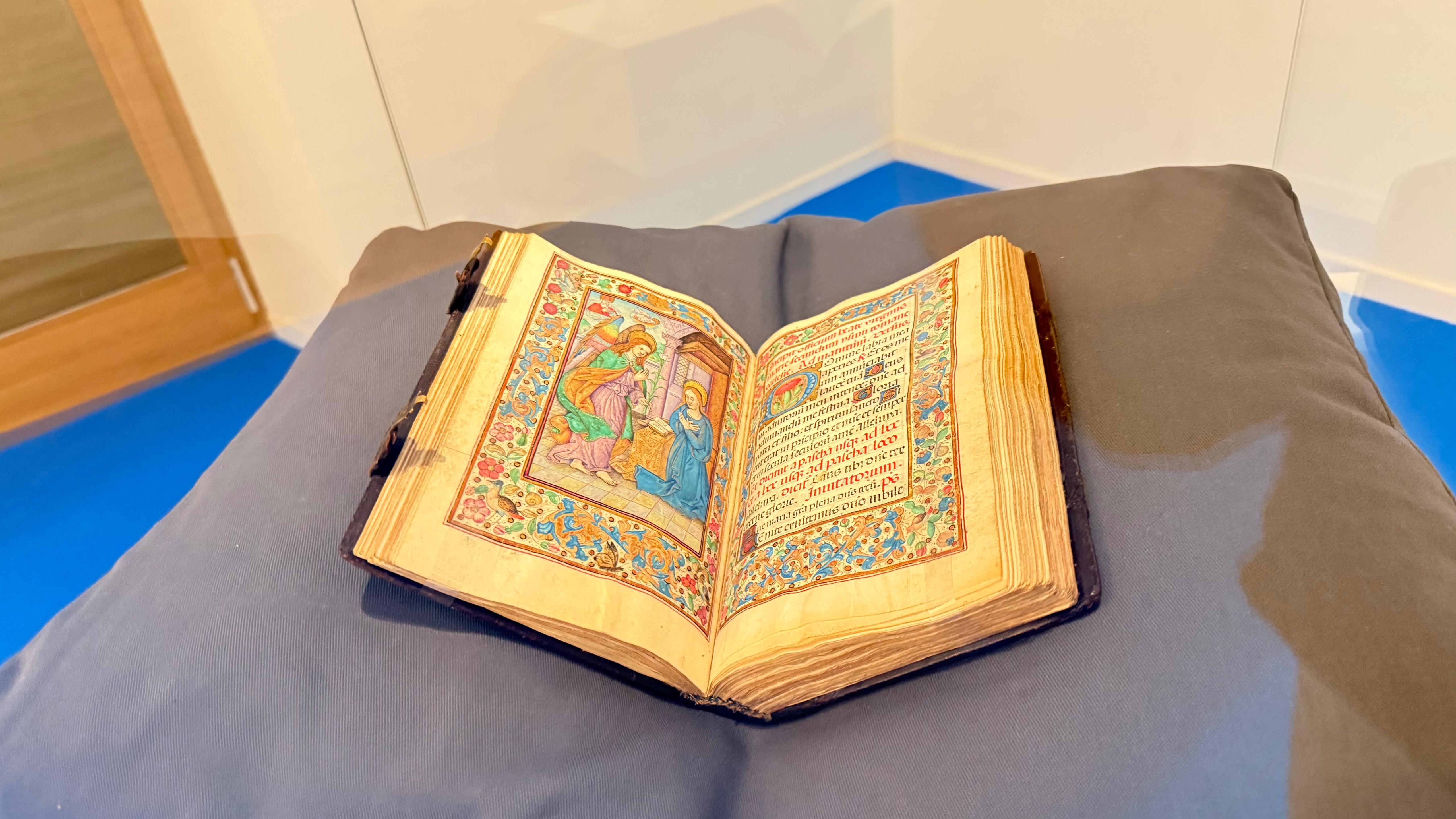
The Gralla Family Book of Hours is a book of private devotion written in Latin on parchment, with rounded Gothic script and rubrics in red. This type of manuscript allowed its owners to follow prayers and liturgical celebrations distributed throughout the different hours of the day. Beyond its religious function, the work constitutes a sample of the refinement of manuscript production in Barcelona at the beginning of the 16th century, when medieval traditions coexisted with the new artistic influences of the Renaissance.
One of its main attractions is the set of nine miniature scenes dedicated to the life of Jesus Christ. The compositions are surrounded by ornamental margins populated with flowers, insects, and birds, while the initials decorated with burnished gold enhance the visual richness of the volume. The quality of the illuminations and the remarkable state of preservation allow for an appreciation of both the meticulousness of the work and the sophistication of the decorative resources employed.
The miniatures have been attributed to Giacomo Smeraldo Dotavanti, an Italian artist trained in Flanders who developed his activity in Barcelona during the early years of the 16th century. This convergence of origins and influences places the manuscript in a highly interesting artistic context, where Flemish and Italian models contributed to renewing the visual language of Catalan production.


You may be
interested
...