
Exhibitions
Catalonia unfolds as a great map of art with Art Week
From Blanes to Pobla de Cérvoles, from Caldes d’Estrac to the lands of Tarragona, the 2026 Art Week proposes a cross-sectional itinerary to discover galleries, museums, foundations, and creative centers, with Barcelona as the meeting point and the territory as the main protagonist.
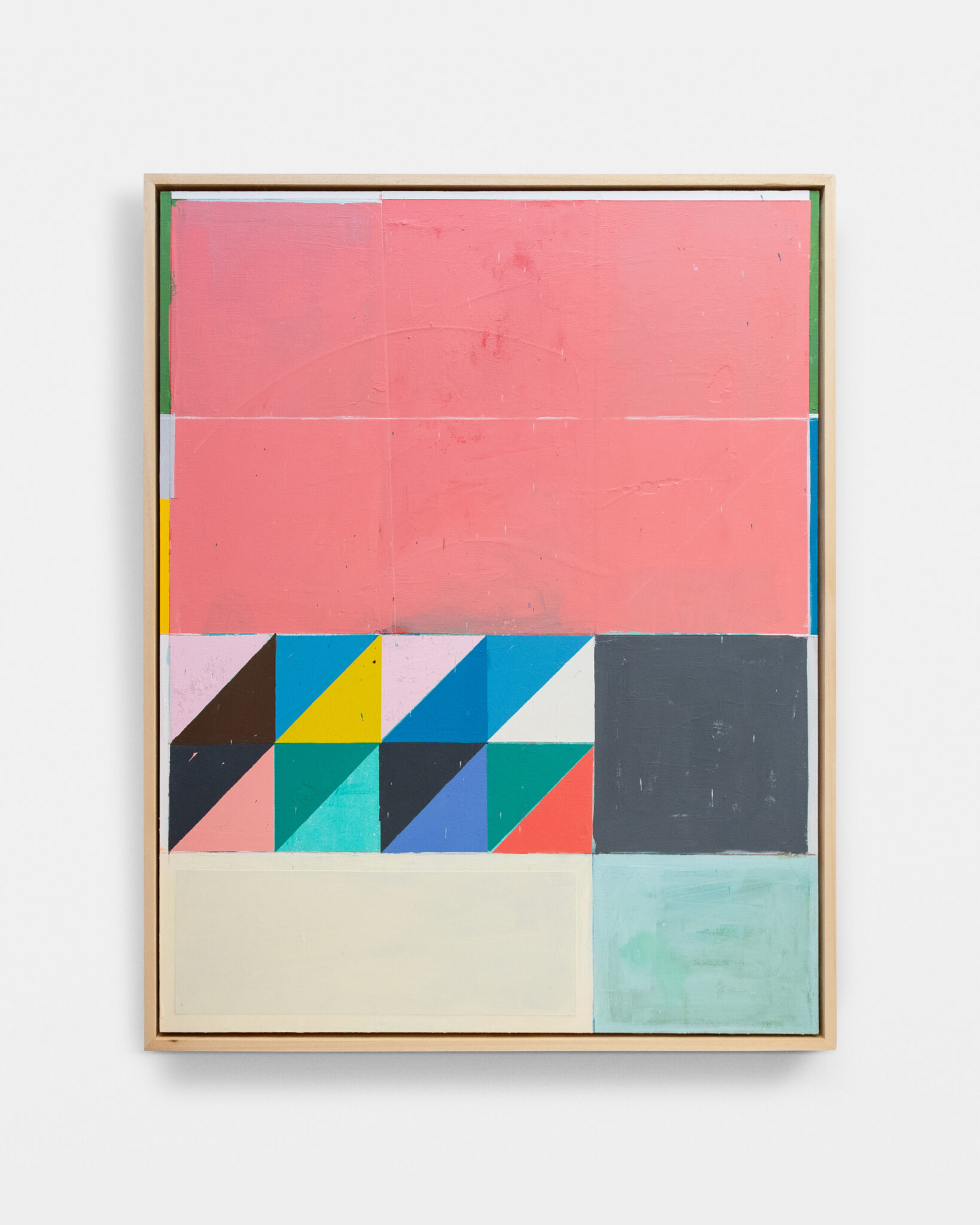
Art draws its own geography in Catalonia. From north to south and east to west, the sixth edition of Art Week invites you to travel across the country through an extensive network of exhibition and cultural spaces that open their doors to new audiences for five days. From November 25 to 29, around forty galleries, museums, foundations, and art centers participate in an initiative that highlights the diversity of the Catalan art scene and the need to connect its different territorial realities.
Organized by the Galleries of Art of Catalonia association and curated by Alexia Medici, this edition features a program that combines exhibitions, openings, guided visits, conversations, presentations, guided tours, and participatory activities. This exhibition dimension is complemented by proposals that relate art to other experiences, such as wine tastings, vineyard walks, family activities, and neighborhood cooperation initiatives. A plurality of formats that allows understanding Art Week not only as a sectoral call but as an invitation to discover art from different perspectives.
From northern Girona to the lands of Lleida
The territorial route allows starting in the Girona counties, with two stops that highlight the intent to include towns far from the main metropolitan circuits. In Blanes, L’Arcada Art Gallery participates in this network, while in Sant Joan de les Abadesses, Espai Art60 offers an approach to contemporary creation from a local context. Its program includes the project 2023-2026. Three years of art at Espai Art60, which allows observing the continuity of the space’s activity, as well as exhibitions dedicated to Joan Duran and José M. Guerrero Medina.
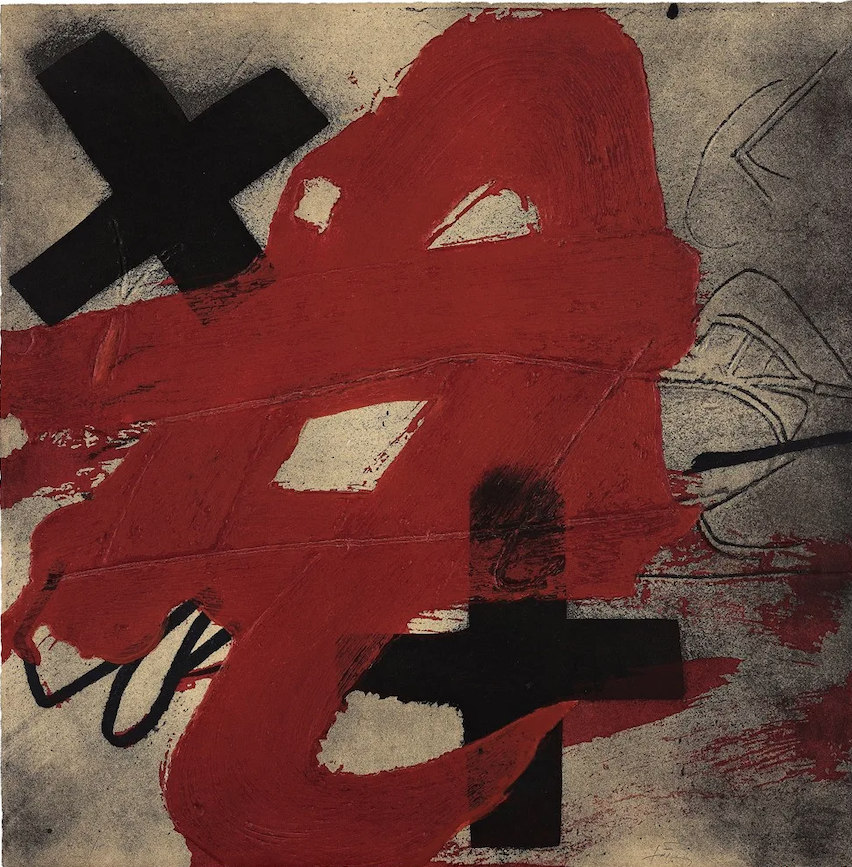
Heading west, Lleida becomes another important center in this cartography. Espai Cavallers and g-gallery represent the gallery side, while the La Panera Art Center and the Lleida Museum broaden the institutional route. The participation of the Vinya dels Artistes, in Pobla de Cérvoles, introduces a different dimension: the relationship between contemporary creation, landscape, architecture, and wine culture. In this environment, Mas Blanch i Jové offers an experience that connects art with the territory and its production processes.
Maresme, Vallès and Barcelona as connection axes
From the central coast, Caldes d’Estrac contributes one of the most significant institutional presences with the Palau Foundation, a space that allows establishing a dialogue between artistic heritage and contemporary practices. The foundation’s participation strengthens the territorial dimension of the festival and its aim to link cultural facilities with galleries.
In Vallès, Sant Cugat del Vallès unfolds an activity particularly linked to galleries and creative spaces. Canals Art Gallery, Sala Rusiñol, and Casa Aymat, together with the Grau-Garriga Center for Contemporary Textile Art, shape a circuit that allows moving between disciplines and artistic generations. The Art on foot route precisely proposes discovering these spaces through a walking tour that connects the gallery network with the city's cultural institutions.
Barcelona concentrates an important part of the program and becomes the main meeting point of the Week. The city brings together galleries with very diverse profiles and specializations, from ancient art to contemporary practices and international proposals. On the map, you will find Al-Tiba9 Gallery, Alzueta Gallery, Art Petritxol, Artevistas Gallery, Artur Ramon Art, Canals Art Gallery, David Cervelló Art Gallery, El Principal de Còrsega, G • gallery, Jordi Pascual Gallery, Hannah Gallery by Klimt02, Imaginart Gallery, J. Bagot Ancient Art, Matiz Gallery, Rubén Torres, Sergi Sànchez Art Gallery, and Villa del Arte Galleries, among other spaces.
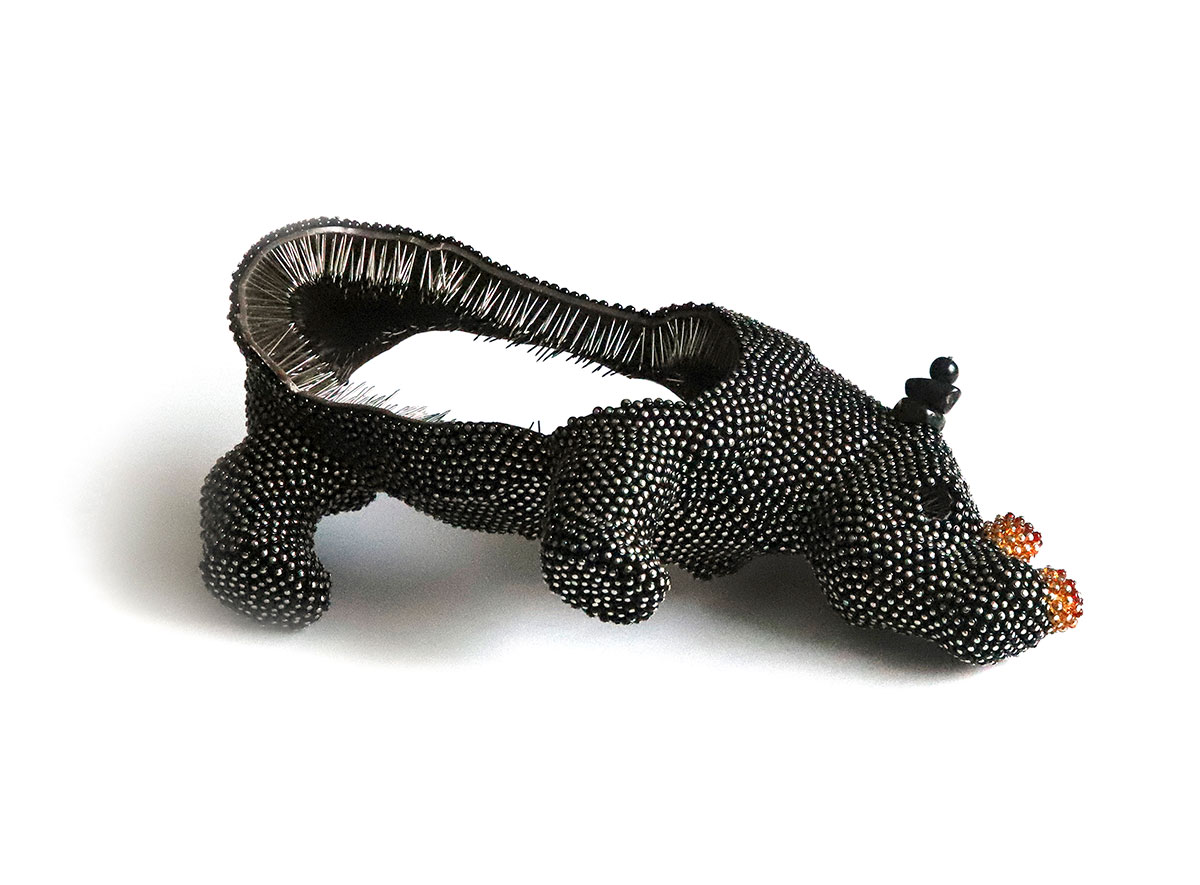
The institutional dimension is also especially present with the Suñol Foundation, Úniques Foundation, Vila Casas Foundation, MEAM, Moco Museum, and the Textile Museum, among other institutions. This concentration allows proposing different urban itineraries and discovering how management models, artistic discourses, and ways of relating to the public coexist.
Among the highlighted activities, on Wednesday, November 25, the Suñol Foundation offers, at 6 p.m., a visit to the exhibition (Des)filing trajectories and the reserve of the Suñol Soler Collection, with an approach to the conservation and management processes of a contemporary art collection. At 7 p.m., g-gallery hosts a conversation with collector Marc Francés about how to start a personal collection.
On Thursday, November 26, the Úniques Foundation organizes a guided visit with curator Mariella Franzoni at 6 p.m., while El Principal de Còrsega hosts, at 7 p.m., the meeting Shared spaces, with Imma Alonso and Miquel Planas. The day also includes a walking route through Barcelona that connects Artur Ramon Art, Art Petritxol, and the Volart Spaces of the Vila Casas Foundation.
From Garraf to Camp de Tarragona, art is also experienced in the territory
Following the coast southwards, Sitges and Vilanova i la Geltrú constitute two relevant stops. In Sitges, the participation of the Maricel Museum and OOA Gallery allows a dialogue between heritage, modern art, and international contemporary creation. The museum's proposal includes a visit to Living art. The Subirachs Collection, scheduled for Saturday, the 28th, at 11 a.m. and complemented by a Malvasia tasting. In Vilanova i la Geltrú, the La Sala Contemporary Art Center incorporates an educational and family dimension with the activity Dreams come true. What is yours?, scheduled for Friday the 27th, from 6 to 8 p.m.
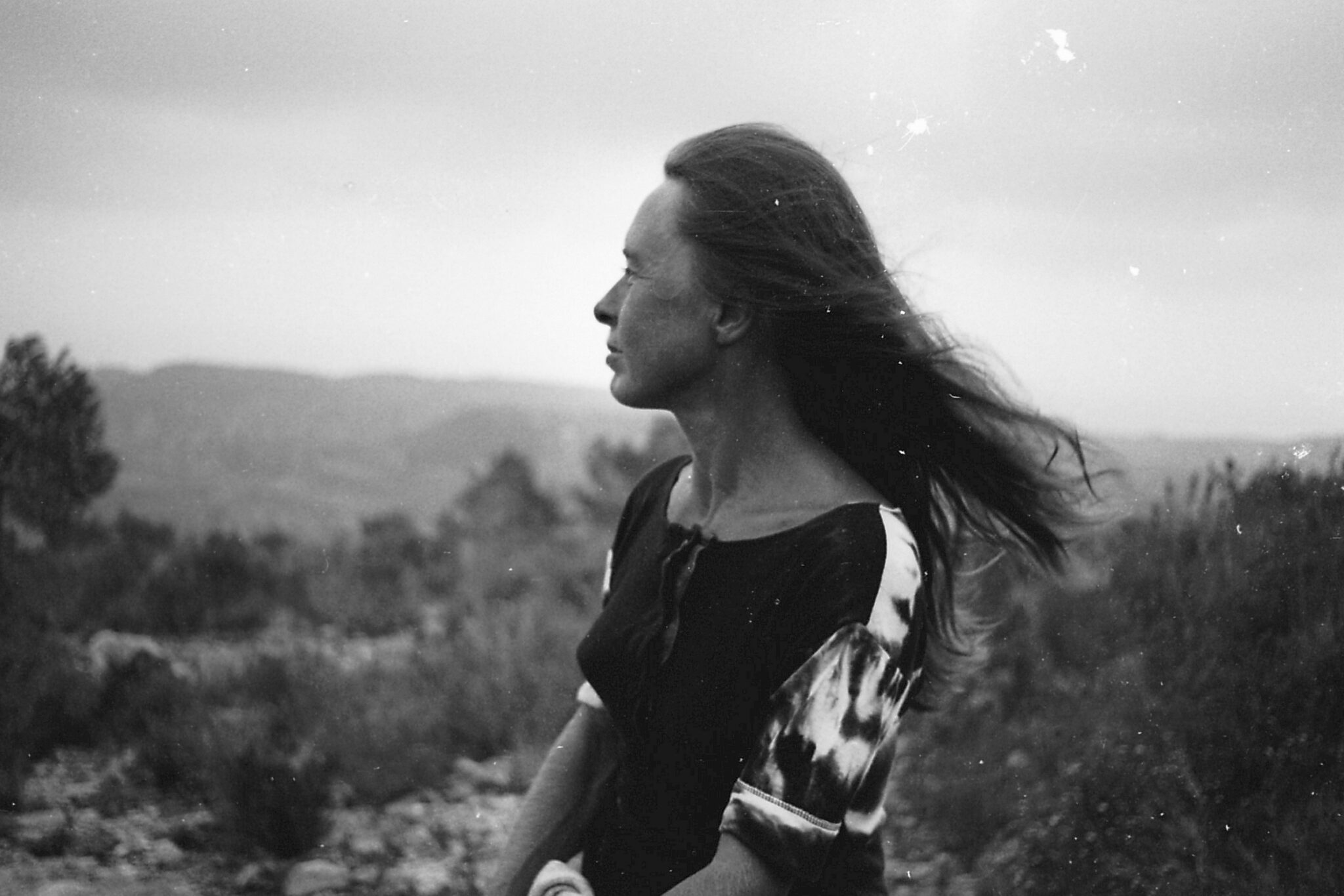
El Vendrell and its surroundings extend this route through Penedès and the Tarragona coast, with the participation of the Apel·les Fenosa Museum. Further south, Reus and Vila-seca become two points of connection between galleries and heritage institutions. Antoni Pinyol Gallery and Anquins Art Gallery represent the gallery activity of Reus, while the Vila-seca Castle incorporates architectural heritage into this network of spaces.
Specifically, on Saturday the 28th, one of the highlighted proposals is the ArtBus that connects Antoni Pinyol and Anquins galleries with Vila-seca Castle. The route allows discovering different spaces in the same day and highlights the possibility of establishing cultural circuits between nearby towns.
Espluga de Francolí introduces another way of understanding the relationship between art and territory through the Terra Museum, a facility that links culture, landscape, and memory. This dimension is complemented by the proposal of Mas Blanch i Jové, in Pobla de Cérvoles, where the Vinya dels Artistes offers on Saturday the 28th a walk among the works integrated into the landscape, accompanied by a tasting of wines and oils.
Art in my life, an invitation to start collecting
Beyond geographic distribution, the sixth edition incorporates a work line that aims to bring the art market closer to people who usually do not visit galleries or have not considered acquiring a work. Under the slogan Art in my life, the Week articulates three initiatives: My first art purchase, Art within reach, and Special incentives.
The first is a guided gallery route that offers practical advice to start collecting, learn about the market’s workings, and discover the criteria involved in acquiring a work. The second proposes a selection of pieces under 1,500 euros at the participating galleries, while the third incorporates discounts, adapted financing formulas, and specific promotions.


You may be
interested
...