Exhibitions
The volatility of the present permeates artistic practices at the Centre del Carme
Everything Solid Melts into Air brings together nine artists who, through different languages and taking Valencia as a field of investigation, reflect on precariousness, hyperproductivity, consumption, housing, and the fragility of the categories that sustain contemporary life.
Instability as a condition of the present, the dissolution of structures that seemed permanent, and the need to adapt to an increasingly accelerated world shape Todo lo sólido se desvanece en el aire, an exhibition occupying Room 2 of the Centre del Carme in Valencia (CCCC) from October 23 to December 13, 2026. Curated by Diana Padrón (collaborator of Bonart) and organized by the Consortium of Museums of the Valencian Community, the exhibition proposes a critical reading of the transformations affecting forms of work, consumption, housing, technology, and cultural production dynamics, situating the city of Valencia as a territory of analysis.
The proposal starts from the paradigm of volatility, a condition not limited to financial markets or economic values but extending to labor relations, rights, housing, consumption practices, fashion, taste, and even emotional bonds. In a context marked by virtualization, immediacy, and permanent flexibility, what seemed stable shifts towards a scenario of constant transformation, where the ability to adapt is presented almost as a structural requirement.
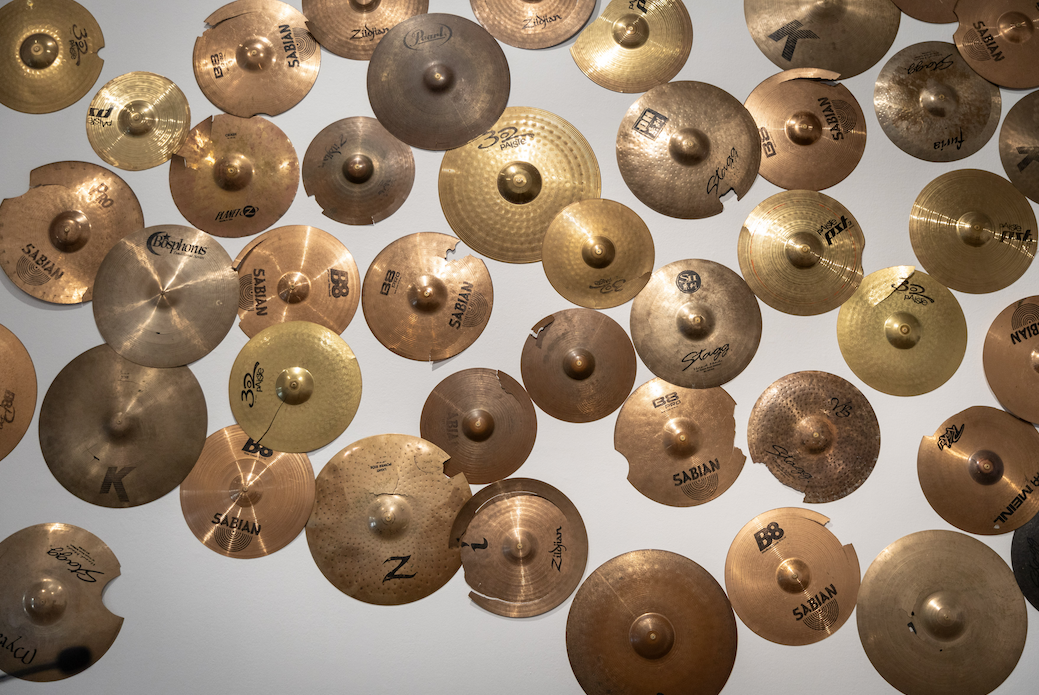
Photo: Juan R. Peiró and images provided by the Consortium of Museums of the Valencian Community.
These tensions unfold through the works of María Alcaide, Pablo Capitán del Río, Denis Darzacq, Natalia Domínguez, Miquel García, Cristina Garrido, Laura Llaneli, Lemos and Lehmann, and Lorenzo Sandoval. The diversity of languages—from artistic research, design, illustration, and photography to sculpture, installation, video, and sound art—forms a journey addressing volatility from complementary perspectives, with special attention to the mutations of the social, economic, and cultural environment.
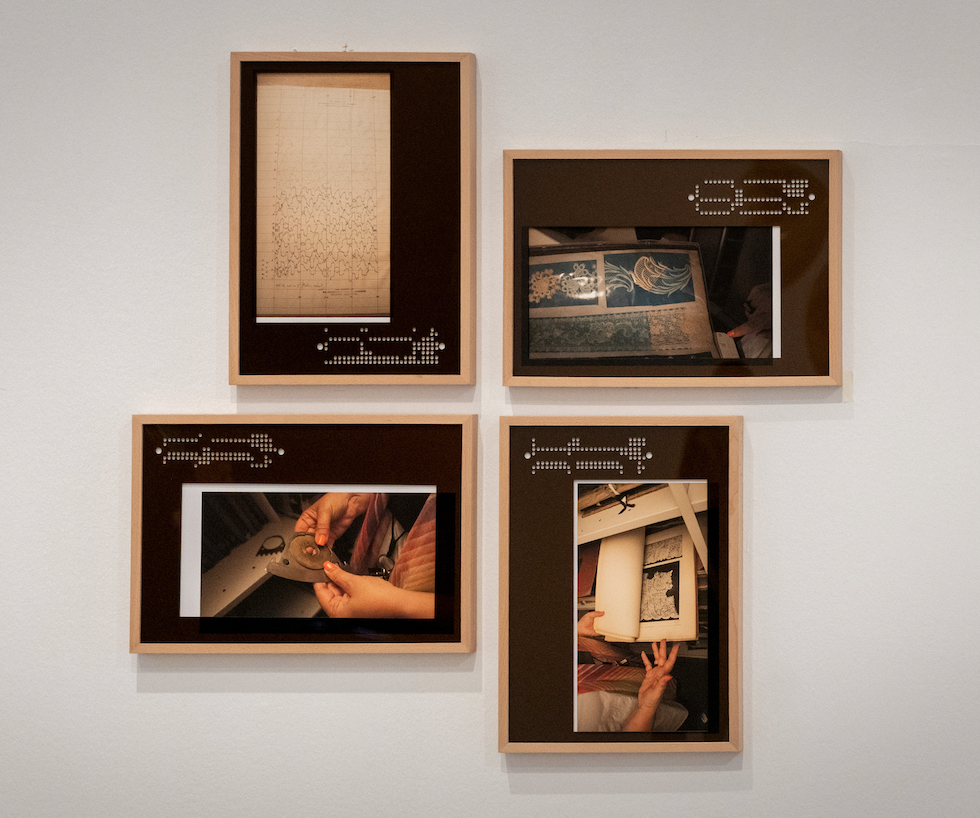
María Alcaide focuses on transformations in the world of work through various surveys of workers, questioning the criteria and strategies conditioning personnel selection processes. Her proposal materializes in an installation that recreates an office environment, transferring to the exhibition space the dynamics of control, adaptation, and performance that define much of contemporary labor structures. Also from the labor field, Lorenzo Sandoval develops research on Valencian textile factories, articulated through photography and sculpture, highlighting the relationship between traditional technologies and production systems now associated with technological modernity.
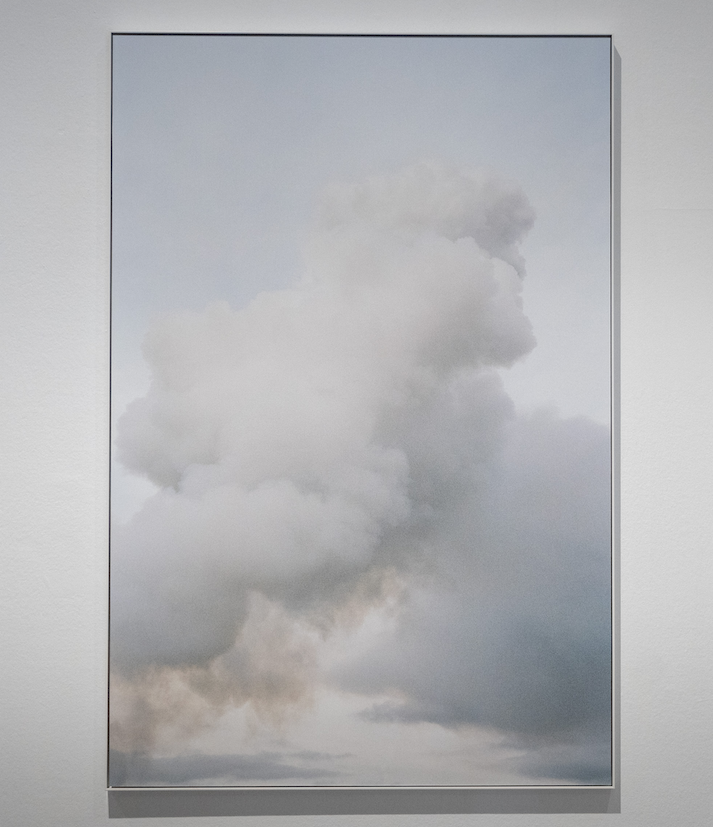
Fragility and transformation also manifest in the proposals of Lemos and Lehmann, who present an image of a vapor cloud coming from an Icelandic volcano, a representation of the ephemeral and changing dimension of matter. This image dialogues with Laura Llaneli’s sound universe, which transforms the idea of the cloud into an installation composed of broken percussion cymbals, sourced from other musicians, to explore transformation, sound impossibility, and the limits of listening. Her research also includes a reflection on the incapacity to perceive one’s own body, recovering a fragment from Nuestra parte de noche, by Mariana Enríquez, where the accelerated heartbeat becomes an invitation to interrupt the frenzy accompanying daily life.
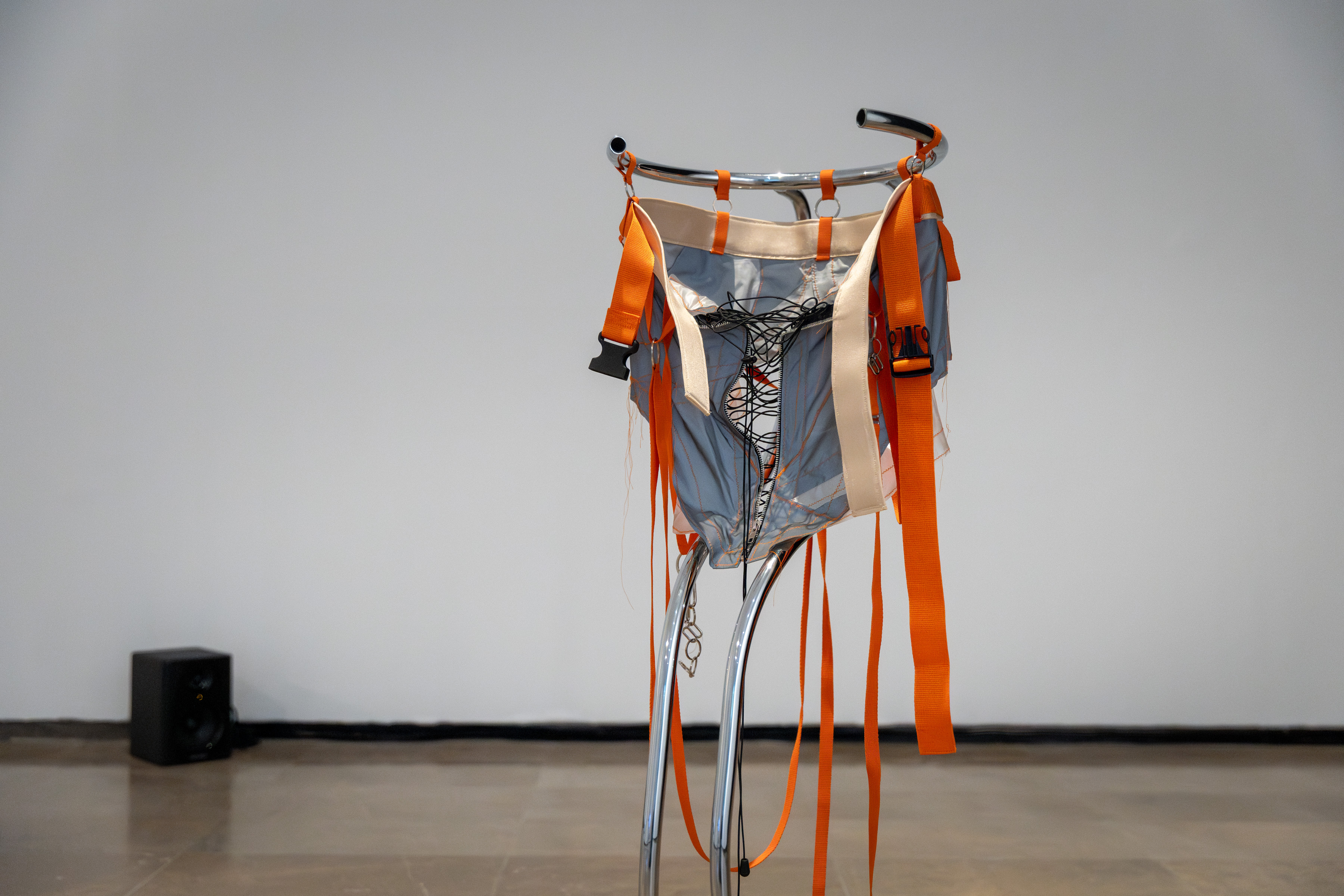
The body, fatigue, and performance demands are equally present in the work of Natalia Domínguez, who incorporates breaths of anxiety and effort, turned into a sonic presence that flows through the room. The installation accompanying this proposal, built from materials from a parachute, reinforces the reflection on the volatility of bodies and their exposure to the demands of a system that demands permanent adaptation.
From a cultural industry perspective, Cristina Garrido addresses, in an audiovisual piece, the mechanisms of hyperproduction, especially those surrounding art fairs and circuits of visibility and legitimization. Denis Darzacq, meanwhile, reflects on planned obsolescence and consumption dynamics through images of bodies floating in supermarkets, a scene that disrupts the normality of the commercial space and suggests the instability of contemporary consumption models.
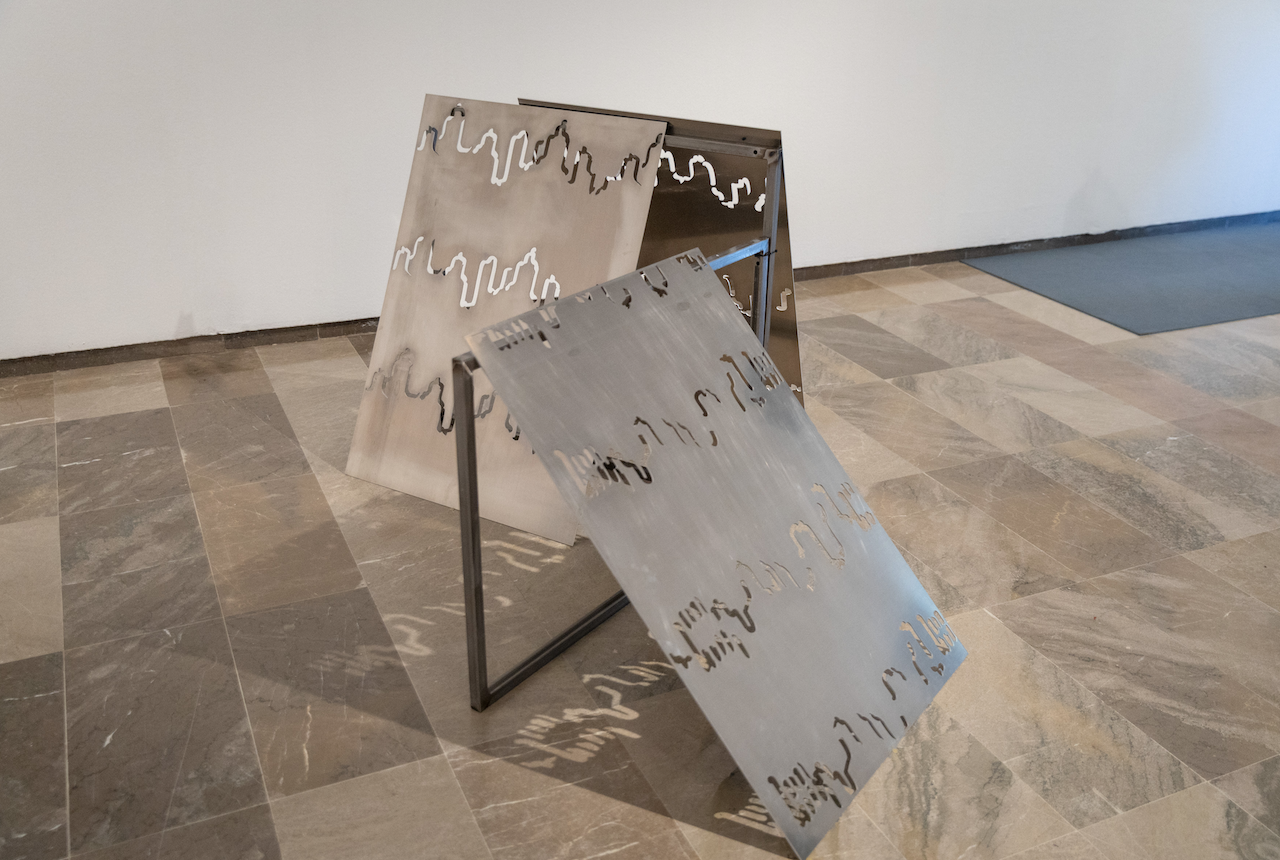
The issue of housing, one of the most visible tensions of urban reality, emerges in the work of Miquel García, who presents a skyline of Valencia over seven meters long built from the figures of the evolution of square meter rental and sale prices. The city thus becomes a material representation of economic transformations and difficulties in accessing housing. Pablo Capitán del Río completes this journey with a resin sculpture that will progressively transform over the exhibition period until fading away. The piece incorporates temporality and fragility as constitutive elements of the work, questioning the very idea of sculptural solidity and establishing a link with the practices of Art Povera from the 1970s.
Presented by the managing director of the Consortium of Museums of the Valencian Community, Nicolás Bugeda, together with curator Diana Padrón and some of the participating artists, the exhibition offers a reading of contemporary culture marked by the dissolution of certainties and constant transformation. Padrón points out that the way of understanding the world is crossed by the paradigm of volatility, which affects both markets and financial values as well as labor conditions, rights, housing, consumption, fashion, taste, and affective relationships. In the era of radical virtuality, she explains, the domestic space has also become a teleworking center, while riders cross the city as if flying, in an image synthesizing the contradictions of the present.
According to the curator, the exhibition title functions as a slogan reaffirming the crisis of any stable category associated with immaterial work, the apology of performance, and multitasking logic, bringing us closer to the figure of the acrobat, forced to defy gravity and adapt to any position, no matter how impossible. This transformation ability, often presented as resilience, also entails questioning the wounds left by adverse circumstances and how society assumes the need to continuously change. In this sense, Padrón recalls that not even sculpture is solid, and that resilience has installed itself in our lives as a demand for change and adaptation, with the paradox of always intending to return to a habitual state after situations that inevitably transform us.
You may be
interested
...