
Exhibitions
Local museums open the doors of their most secret spaces
'The museum that is not seen' invites you this weekend to discover the reserves, the archives, the restoration laboratories, and the sites of thirty facilities of the Network of Local Museums of the Barcelona Provincial Council.
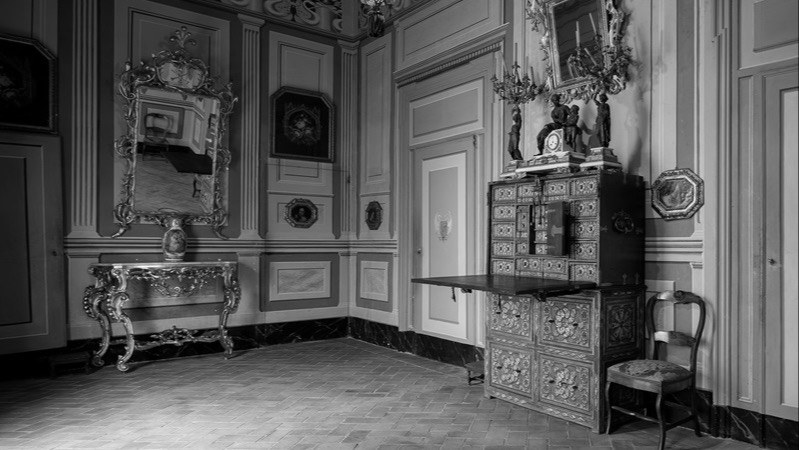
Museums preserve much more than what they show in their exhibition halls. Behind the pieces that the public sees, there are reserves, archives, libraries, laboratories, and workspaces where essential documentation, conservation, restoration, and research work is carried out. This usually inaccessible universe can be discovered on November 20, 21, and 22 with 'The Museum That Is Not Seen,' an initiative by the Barcelona Provincial Council that opens the doors of these spaces to the public as part of the 25th anniversary of the Local Museums Network (XML).
The proposal offers a free program in about thirty facilities across 26 municipalities and provides a direct approach to the work that makes the preservation and dissemination of heritage possible. The activities will allow visitors to learn how collections are safeguarded and documented, the processes involved in conservation and restoration of pieces, and how the cultural legacy is researched and interpreted. At the same time, they will put visitors in contact with the professionals who work daily in these fields.
The program combines guided visits to museum reserves, restoration laboratories, archives, and heritage libraries with tours of archaeological sites and insights into the work of archaeologists. It also includes workshops, talks, special visits, and testimonials, as well as activities dedicated to discovering elements of the local cultural and natural heritage that often remain outside the usual circuits.
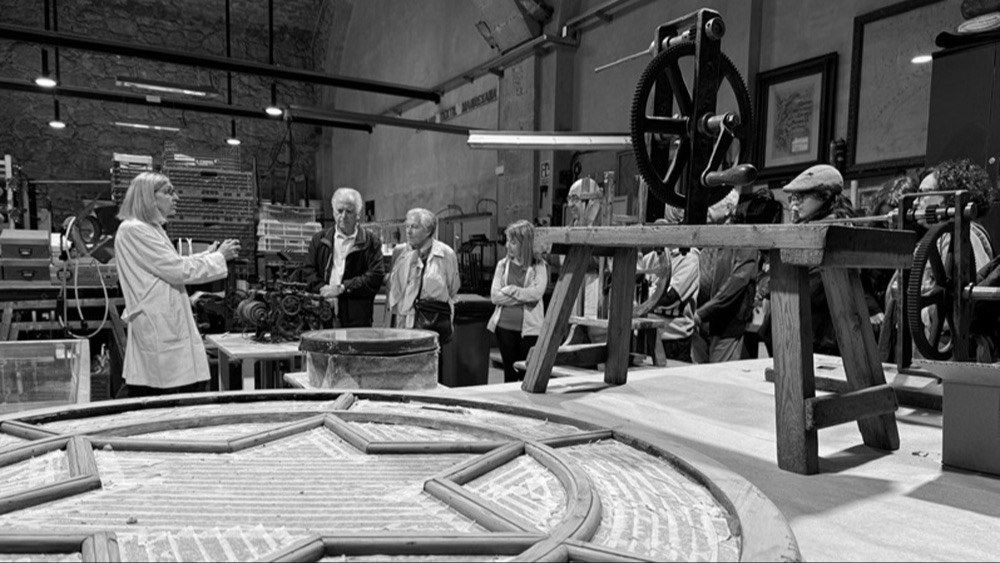
Among the proposals, visitors will be able to access the reserves of the Palau Mercader Museum in Cornellà de Llobregat, the Textile Museum of Terrassa, and VINSEUM in Vilafranca del Penedès. The archaeological heritage tour includes the Camp de les Lloses in Tona and the Toixoneres Cave, within the Prehistoric Park of the Toll Caves in Moià. Other facilities will take the opportunity to show historic spaces in their surroundings, such as the Torre Balldovina Museum in Santa Coloma de Gramenet, which proposes a route through the old mill and the washhouse, or the Municipal Nautical Museum of Masnou, which invites visitors to tour the local cemetery.
Archives and heritage libraries will also have a leading role. This is the case with the visit to the archive and library of the Jacint Verdaguer Foundation, an opportunity to approach documentary collections and consultation spaces that usually are not part of the exhibition experience. The program also incorporates unique formats, such as the theatrical visit to the reserve of the History Museum of Sabadell, where historical characters linked to the museum itself will reveal anecdotes and little-known aspects of the collections.
A quarter-century of networked work
'The Museum That Is Not Seen' is part of the celebration of the 25 years of operation of the Local Museums Network, a supra-municipal cooperation tool promoted by the Barcelona Provincial Council to support the management, conservation, and dissemination of cultural heritage. Currently, the network is made up of 65 facilities from 51 municipalities and is coordinated by the Cultural Heritage Office of the Culture Area of the Provincial Council.
Throughout these two and a half decades, the XML has contributed to strengthening the role of local museums as spaces for preservation, research, and transmission of heritage. This weekend’s initiative aims to make visible this lesser-known dimension of the museum institution and to remind that beyond the exhibitions, there is ongoing and specialized work that ensures the collections are preserved and can be shared with the public.
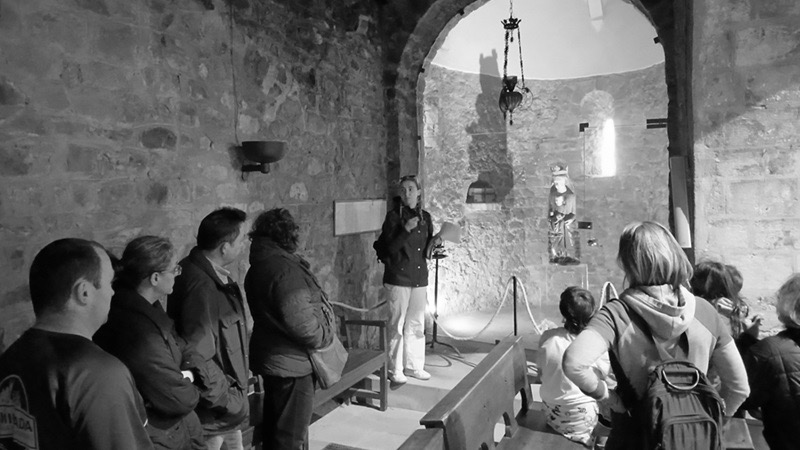
Twenty-six municipalities, a heritage network
The call brings together facilities from 26 municipalities in the Barcelona area. Participants include the Arenys de Mar Museum; the Càntir Museum of Argentona; the Badalona Museum; the Municipal Museum of Calella Josep M. Codina i Bagué; the Tomàs Balvey Archive Museum of Cardedeu; the Palau Mercader Museum of Cornellà de Llobregat; the Museums of Esplugues; the Verdaguer House Museum of Folgueroles; the Gavà Museum; the Natural Sciences Museum of Granollers and the Ter Museum of Manlleu.
The Manresa representation includes the Water and Textile Museum and the Manresa Museum – Baroque Museum of Catalonia. Also part of the initiative are the Municipal Nautical Museum of Masnou, the Moià Museum, the Montcada i Reixac Museum, the CIP Molí d’en Rata of Ripollet, and the Archaeological Museum of l'Esquerda in Roda de Ter. In Sabadell, the History Museum participates, while in Sant Cugat del Vallès it is the Sant Cugat Museum, and in Santa Coloma de Gramenet, the Torre Balldovina Museum.
Completing the network’s participants are the Museums of Sitges, with the Cau Ferrat Museum; the Museums of Terrassa and the Textile Museum; the Interpretation Center of Camp de les Lloses in Tona; the Viladecans Museum; VINSEUM of Vilafranca del Penedès; and, in Vilanova i la Geltrú, the Víctor Balaguer Museum Library and the Can Papiol Romantic Museum.

You may be
interested
...