News
Art Week advocates collecting as a practice within everyone's reach
The sixth edition of the festival, from November 25 to 29, features a program with around forty galleries, museums, foundations, and art centers to bring the art market closer to the general public and encourage the purchase of works at affordable prices.
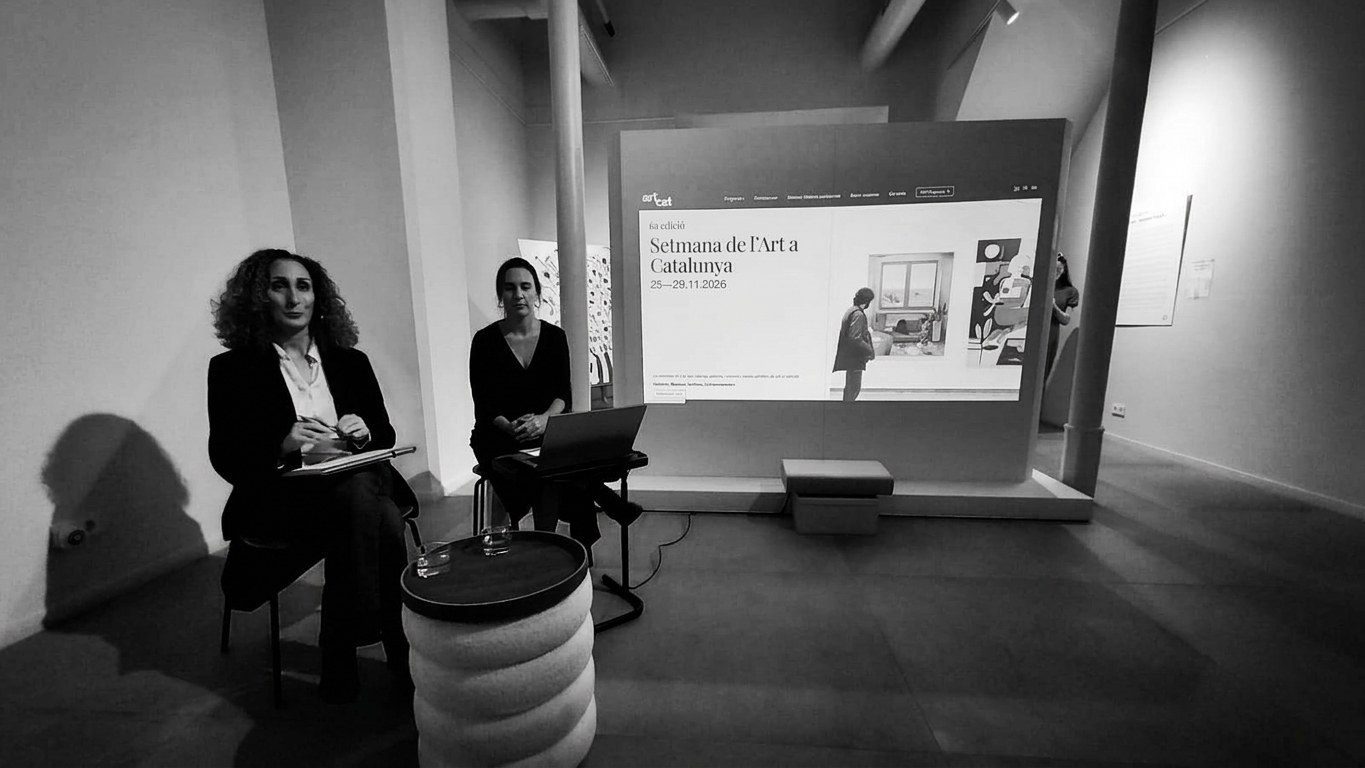
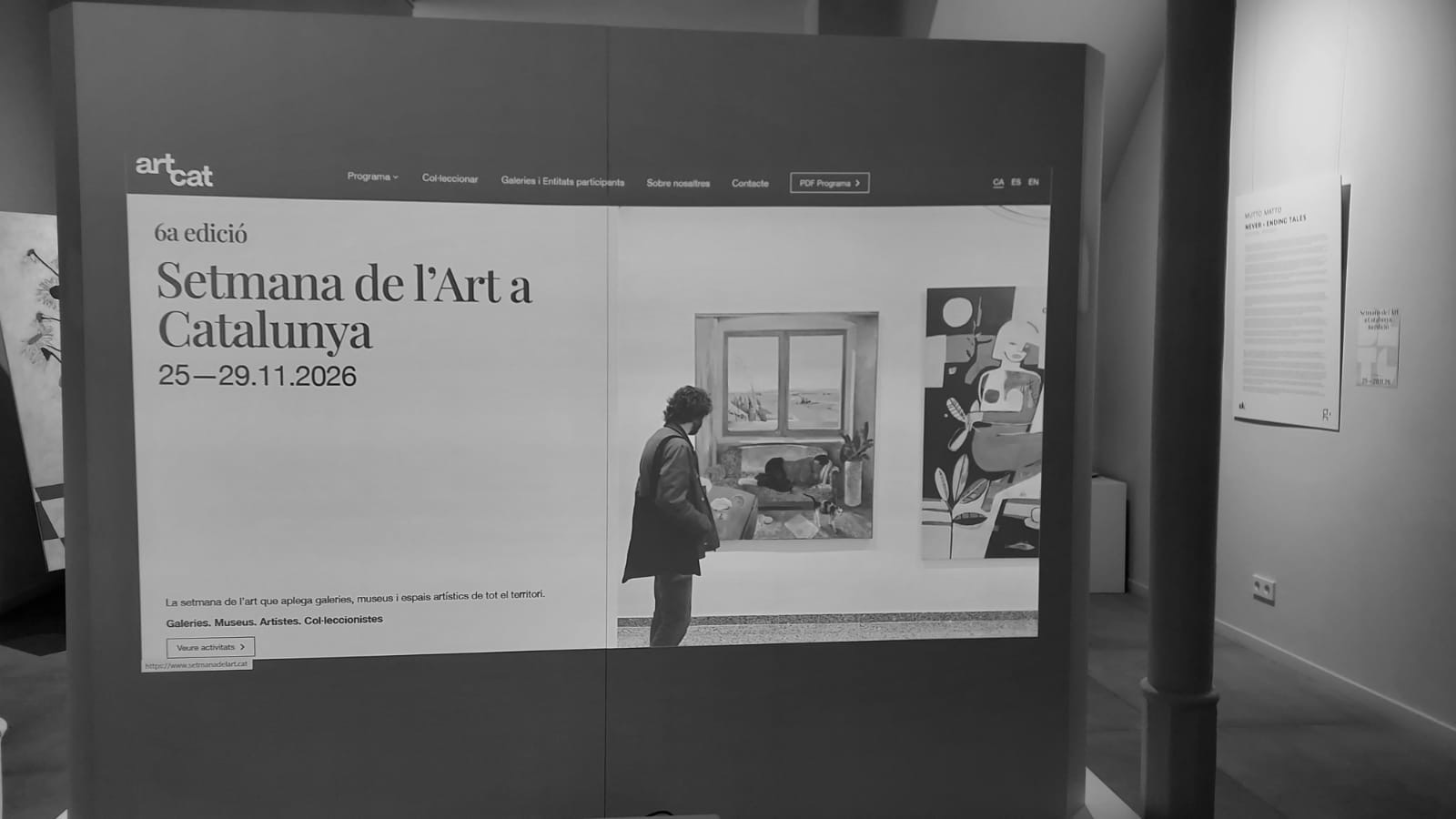
Breaking down the barriers that have traditionally kept part of the public away from the art market is one of the main objectives of the sixth edition of the Art Week of Catalonia. From November 25 to 29, this initiative, promoted by the association Galeries d’Art de Catalunya and curated by Alexia Medici, unfolds a program involving around forty galleries, museums, foundations, and art centers from across the region. Beyond giving visibility to exhibition activities, the festival this year places special emphasis on accessibility, with the aim of bringing the art market closer to new audiences, especially younger generations.
The proposal stems from a clear idea: acquiring a work of art should not be a practice reserved exclusively for major collectors or those with high purchasing power. Art Week aims to challenge this perception and invite the public to discover the possibilities of collecting, both through visits to exhibition spaces and through the acquisition of pieces. To do this, it organizes three initiatives grouped under the slogan Art in my life, which propose different approaches to buying art.
One of the main novelties is the route My first art purchase, a guided itinerary through various galleries in Barcelona offering tools and practical guidance for anyone wanting to start collecting. No prior knowledge or experience in the art market is necessary: the initiative proposes discovering galleries, getting to know the workings of the sector up close, and understanding the different factors involved in purchasing a piece of art.
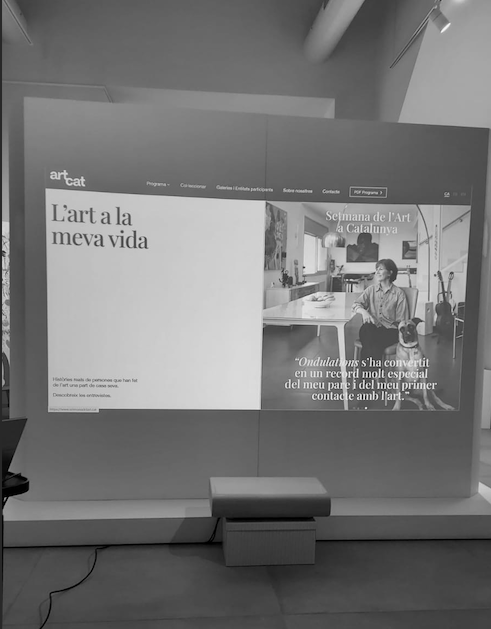
The second proposal is Art within reach, a campaign in which participating galleries present a selection of pieces available for less than 1,500 euros. Added to this initiative are the Special incentives, a set of commercial conditions that include discounts, tailored financing options, and specific promotions to facilitate purchases during the festival.
These three lines of action share the same intention: to expand the social base of collecting and strengthen the relationship between artists, galleries, and the public. At the same time, they reaffirm galleries as open, active, and accessible spaces, capable of generating new ways of relating to contemporary art and reinforcing the cultural ecosystem.
However, the scope of the festival goes far beyond initiatives directly linked to purchasing. The program combines activities of various formats, from guided tours, exhibitions, presentations, dialogues, and book clubs to proposals that connect art with other areas of everyday life. Wine tastings, vineyard walks, family activities, and neighborhood cooperation initiatives expand participation spaces and place artistic creation in less conventional contexts.
This plurality is also reflected in the network of involved facilities. Art Week brings together about twenty galleries and another twenty museums, foundations, and art centers, both public and private. Among the participants are the Moco Museum, Fundació Vila Casas, MEAM, Fundació Suñol, Museu de Maricel, Fundació Palau, and Museu Terra, among other institutions. Barcelona concentrates an important part of the activities, but the program also extends to Sant Cugat, Sitges, Vilanova i la Geltrú, El Vendrell, Reus, Vila-seca, L'Espluga de Francolí, Lleida, La Pobla de Cérvoles, Caldes d’Estrac, Blanes, and Sant Joan de les Abadesses.
One of the axes that best expresses this desire to connect facilities are the routes Art on foot and ArtBus. The former propose walks through galleries and museums located within the same neighborhood or town, while the latter organize circuits between different spaces using buses specially arranged for the occasion. Both formats allow the establishment of new itineraries among galleries, museums, foundations, and heritage buildings, fostering the discovery of artistic realities that often coexist without connecting. Barcelona, Sant Cugat, Reus, and Lleida are the four towns hosting these routes.
Beyond these routes, the program includes activities that allow for deeper engagement with creation, conservation, and collecting processes. On Wednesday the 25th, Fundació Suñol organizes at 6 p.m. a visit to the exhibition (Un)drawing trajectories and to the reserve of the Suñol Soler Collection, with an introduction to managing a contemporary art collection. One hour later, g-gallery will host a conversation with collector Marc Francés about starting a collection.
On Thursday the 26th, Fundació Úniques offers a guided visit at 6 p.m. with curator Mariella Franzoni, while Galeria El Principal de Còrsega will host at 7 p.m. the meeting Shared spaces, with Imma Alonso and Miquel Planas. On Friday the 27th, from 6 to 8 p.m., La Sala Contemporary Art Center will open its doors to families with the activity Dreams come true. What is yours?.
On Saturday the 28th, Museu de Maricel proposes at 11 a.m. a visit to the exhibition Living art. The Subirachs Collection, which will be complemented by a malvasia wine tasting. At 12 p.m., Mas Blanch i Jové invites visitors to tour the artists' vineyard with a tasting of wines and oils. The day will close, among other activities, at OOA Gallery Contemporary African Art, which at 6:30 p.m. offers an experience combining a visit, conversation, participatory intervention, tasting, and informal gathering.
You may be
interested
...