News
Venice bids farewell to its most turbulent Biennale amid performances and political fractures
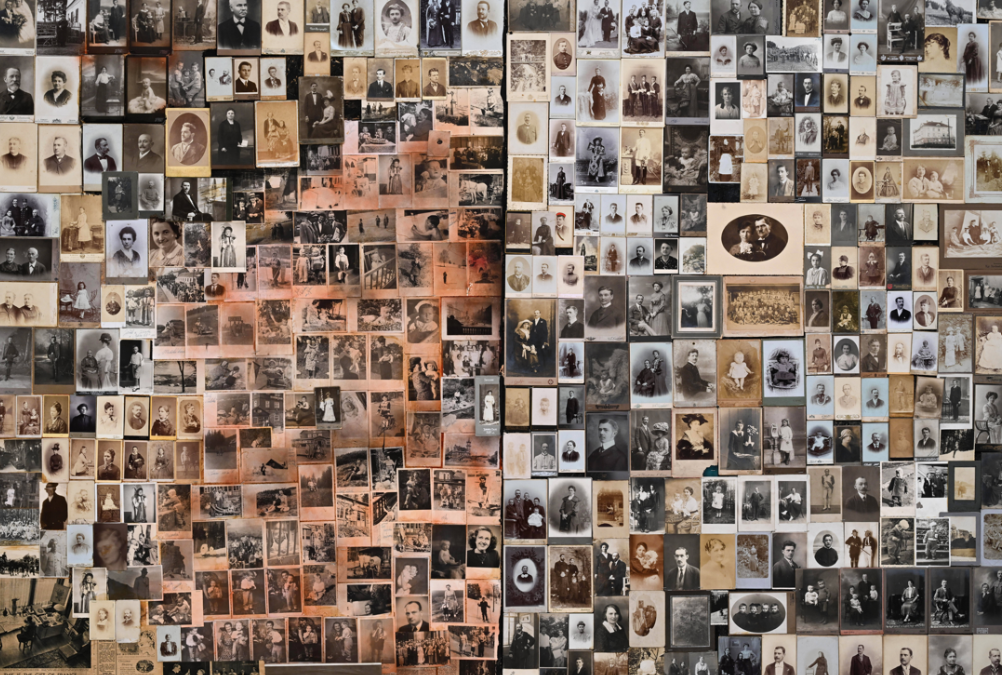
The 61st International Art Exhibition of the Venice Biennale is approaching its conclusion with a program that aims to prolong the spirit of dialogue and meeting that Koyo Kouoh envisioned for In Minor Keys. From November 13 to 22, the last ten days of the great Venetian event turn the spaces of the Arsenale into an open stage for performances, lectures, debates, and roundtables, featuring an international assembly that will bring together ten artist-driven organizations and collectives. A closing that seeks to keep the collective dimension of the curatorial project alive, but comes after one of the most controversial editions in the recent history of the institution.
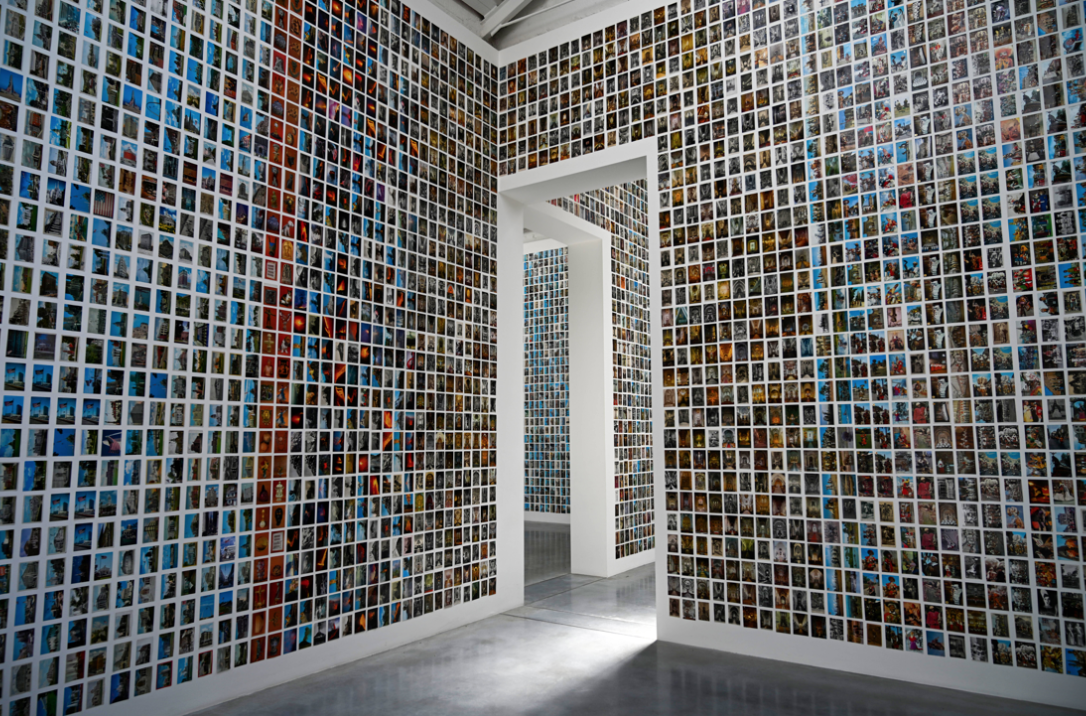
Oriol Vilanova presents The Remains in the Spain Pavilion at the 2026 Venice Biennale. The installation gathers thousands of postcards collected over decades and transforms these anonymous images, sourced from flea markets and popular collections, into a visual archive of collective memory, travel, and forms of world representation.
The final programming proposes to understand the Biennale not only as a place of exhibition but also as a platform for sharing knowledge, experiences, and models of cultural organization. Among the planned activities are performative interventions by Laurie Anderson, Ziad Antar, rana elnemr, Natalia Lassalle-Morillo and Sofiá Gallisá Muriente, Clarissa Herbst, Tammy Nguyen, Hagar Ophir, Yo-E Ryou, Dominique Rust, Lerato Shadi, and Nathalie Vairac. Some of these actions have been specifically conceived for the occasion and expand the exhibition's territory towards practices that combine artistic experimentation, research, and critical thinking.
One of the central axes of these last days will be the Assembly, conceived as a space for exchange on pedagogy, knowledge transmission, research, and ways of caring for territory, the body, and the community. The initiative brings together ten cultural structures from very different geographical and social contexts, ranging from large capitals to provincial centers and rural communities. Although their objectives, organizational models, and sustainability strategies differ, they share the same will: to build meeting and learning spaces that allow artists to develop their practices outside of the most conventional institutional circuits.
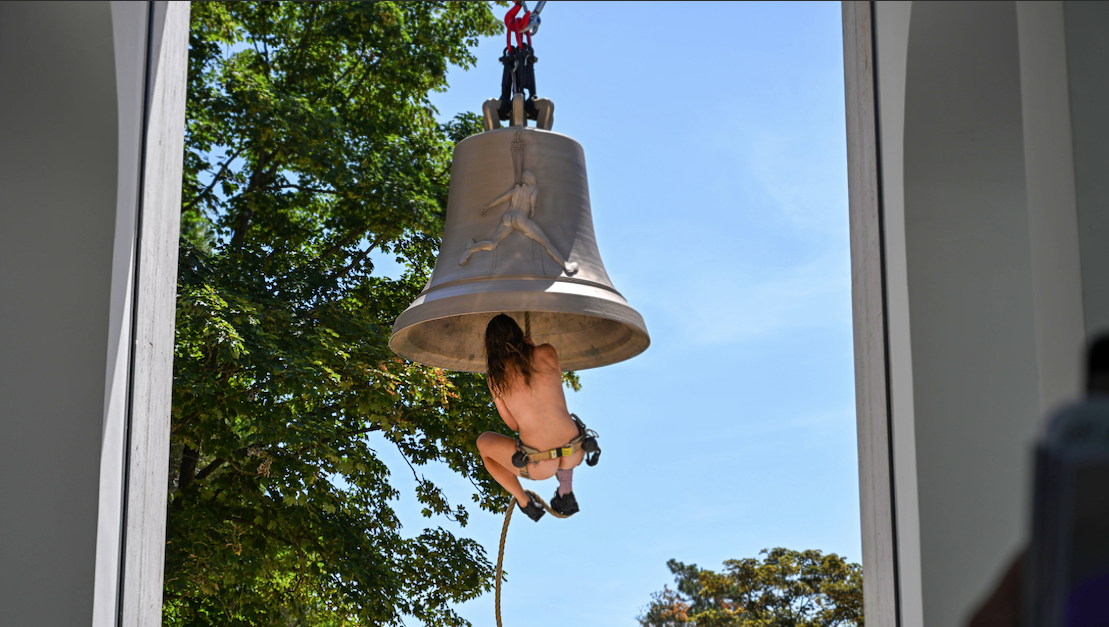
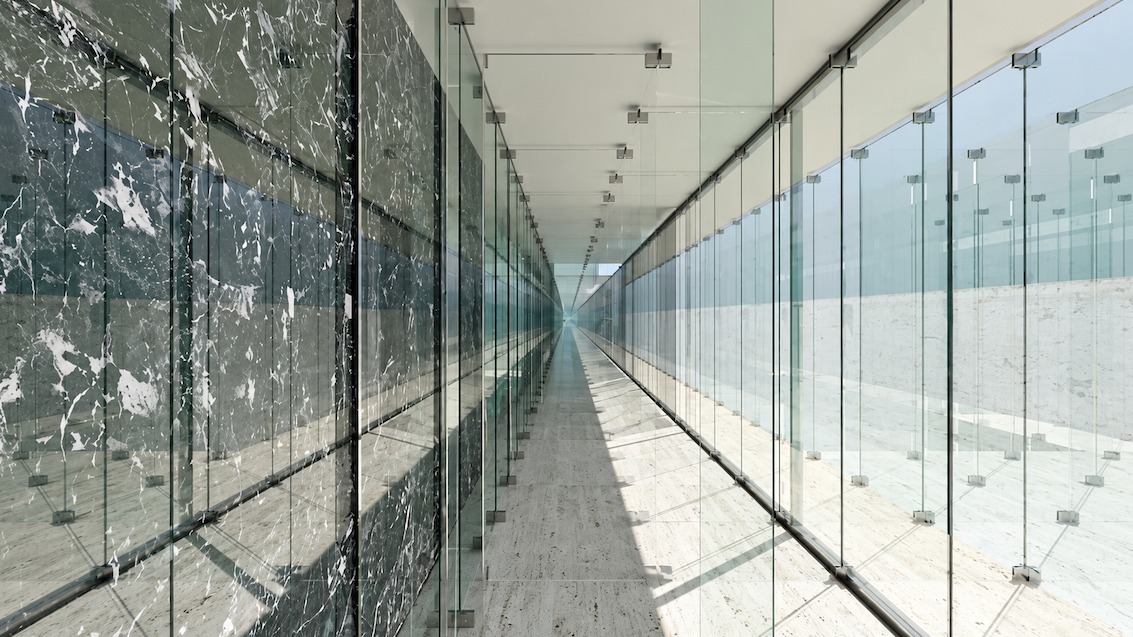
Austria Pavilion.
Six of these organizations already form part of In Minor Keys: Denniston Hill, in the Catskills; RAW Material Company, in Dakar; GAS Foundation, in Lagos/Ikiṣẹ; lugar a dudas, in Cali; blaxTARLINES, in Kumasi; and Nairobi Contemporary Art Institute (NCAI), in Nairobi. Joining them for this assembly are Dar Jacir, in Bethlehem; Fresh Milk, in Barbados; Picha Collective, in Lubumbashi; and Gudskul, in Jakarta. Their presence responds to a conception of art as a relational and community practice, capable of generating collaboration structures, producing knowledge, and establishing new forms of cultural circulation.
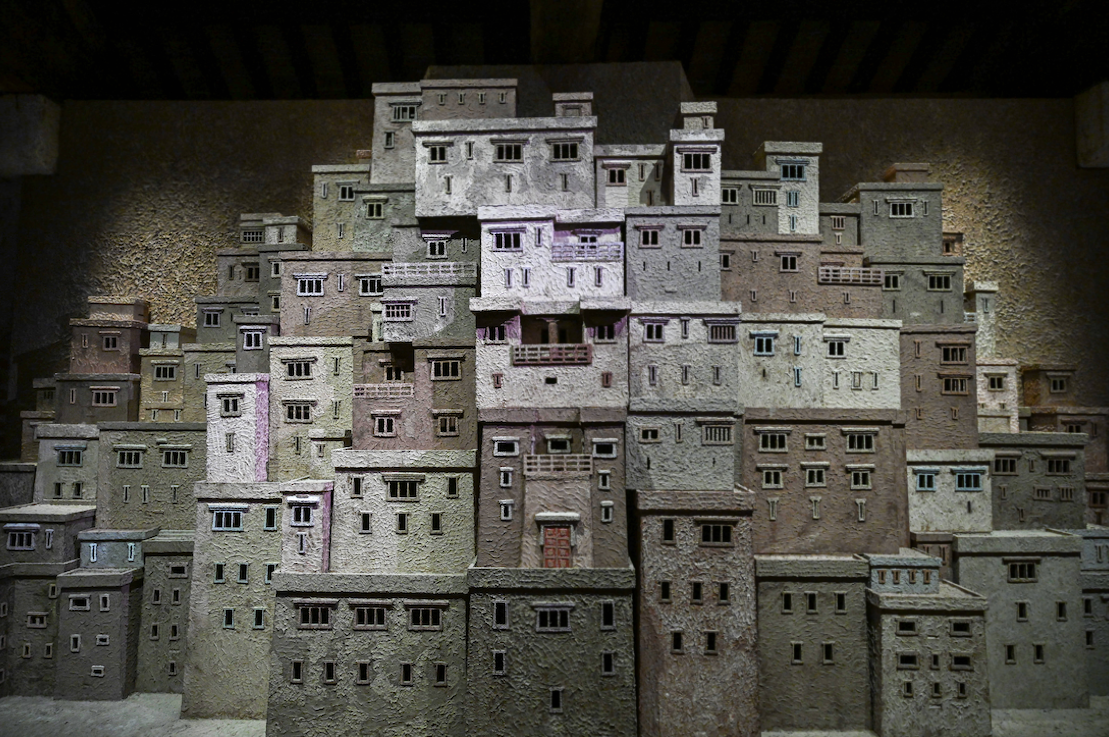
India Pavilion.
The initiative connects directly with the legacy of Koyo Kouoh, founder of RAW Material Company in Dakar, a platform that from its beginnings defended intellectual exchange, experimentation, and education as fundamental tools for the development of contemporary artistic practices. The curator conceived these spaces as essential agents of a cultural ecosystem that does not depend exclusively on large museums, fairs, or international institutions, but also finds its strength in independent networks and communities that support creation.
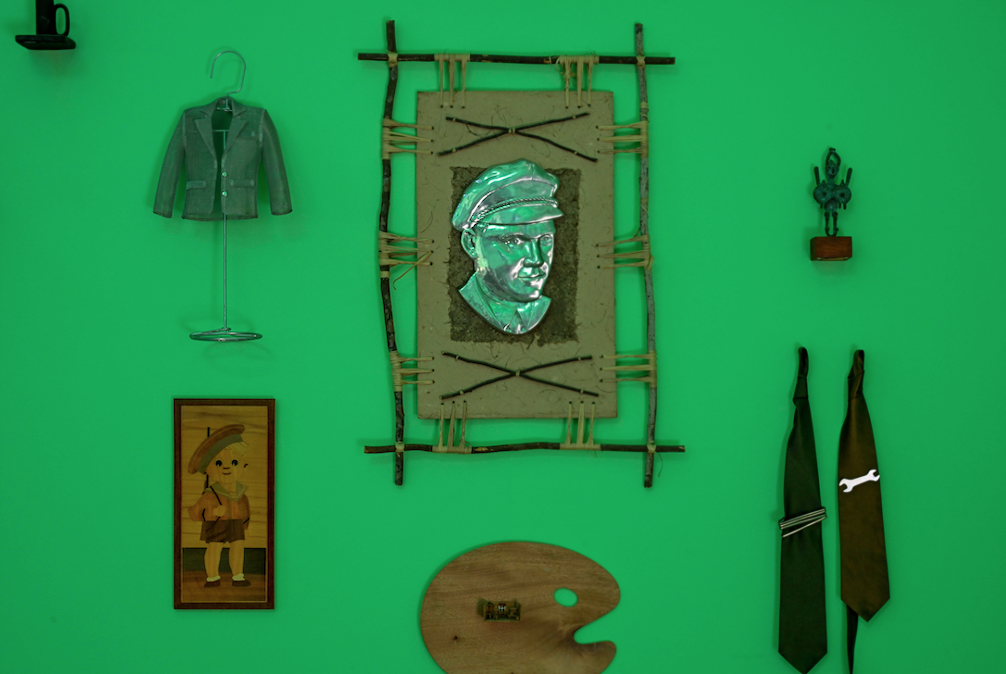
Germany Pavilion.
However, the end of In Minor Keys comes accompanied by a political and institutional controversy that has conditioned much of the trajectory of this edition. The participation of Israel and Russia triggered an unprecedented crisis in the functioning of the Biennale. On April 30, the five members of the international jury resigned after announcing that they would not consider for awards participants from countries whose leaders are under investigation or actions by the International Criminal Court for alleged war crimes and crimes against humanity. Although the statement did not explicitly identify any state, the decision placed Israel and Russia at the center of the conflict.
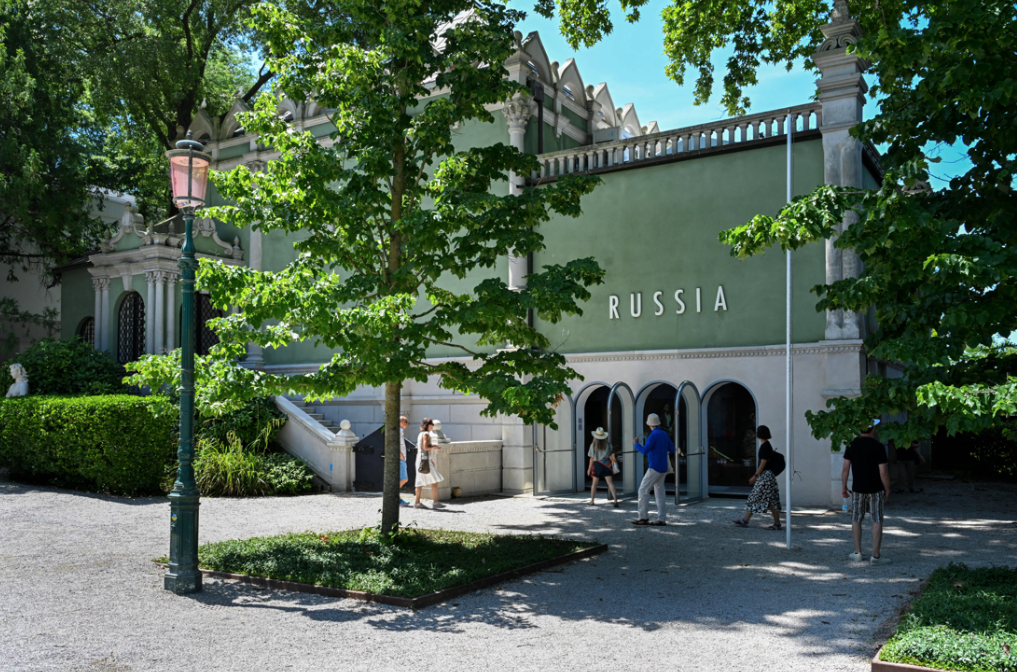
The institutional response was to replace the traditional jury deliberation system with a popular vote to determine the awards. A solution which, far from closing the controversy, opened a new front of protest. More than seventy artists from the international exhibition and representatives of twenty-two national pavilions announced that they were withdrawing their candidacies from the awards in solidarity with the resigned jury. They also questioned the transparency and legitimacy of a procedure that, in their view, did not solve the underlying problem. The controversy even reached threats of legal actions to ensure that the names of artists who had refused to participate in the voting were removed from the ballots intended for the public.
Tensions were not limited to the award system. Russia's presence provoked demonstrations and protests, including an intervention by Pussy Riot and FEMEN activists in front of the Russian pavilion. The Israeli participation, meanwhile, fueled the claims of the Art Not Genocide Alliance (ANGA), which demanded the exclusion of Israel from the exhibition. These protests were joined by the controversy over the South Africa pavilion, whose participation was canceled after the government questioned the project of artist Gabrielle Goliath, focused on the memory of women and victims of violence, including the Palestinian poet Hiba Abu Nada, murdered in Gaza. The work ultimately found an independent presentation space in Venice.
The conflict also reached the institutional and diplomatic dimension. The European Commission announced the withdrawal of two million euros in funding to the Biennale starting in 2027, in response to the reopening of the Russian pavilion. Thus, the edition was crossed by a debate that widely exceeded the limits of artistic practice: Can an international biennale maintain a position of neutrality in the face of geopolitical conflicts? How far does the autonomy of artists extend when national representation becomes a matter of political responsibility? Is it possible to separate the works from the states presenting them?
In this scenario, the last ten days of programming acquire a meaning that goes beyond the closing of an exhibition. The assembly of independent organizations and artistic interventions propose to recover the space of listening, exchange, and coexistence that Koyo Kouoh placed at the center of her project. Faced with institutional disputes and geopolitical fractures, In Minor Keys concludes by claiming other ways of building community and imagining the role of art in a world crossed by conflicts.
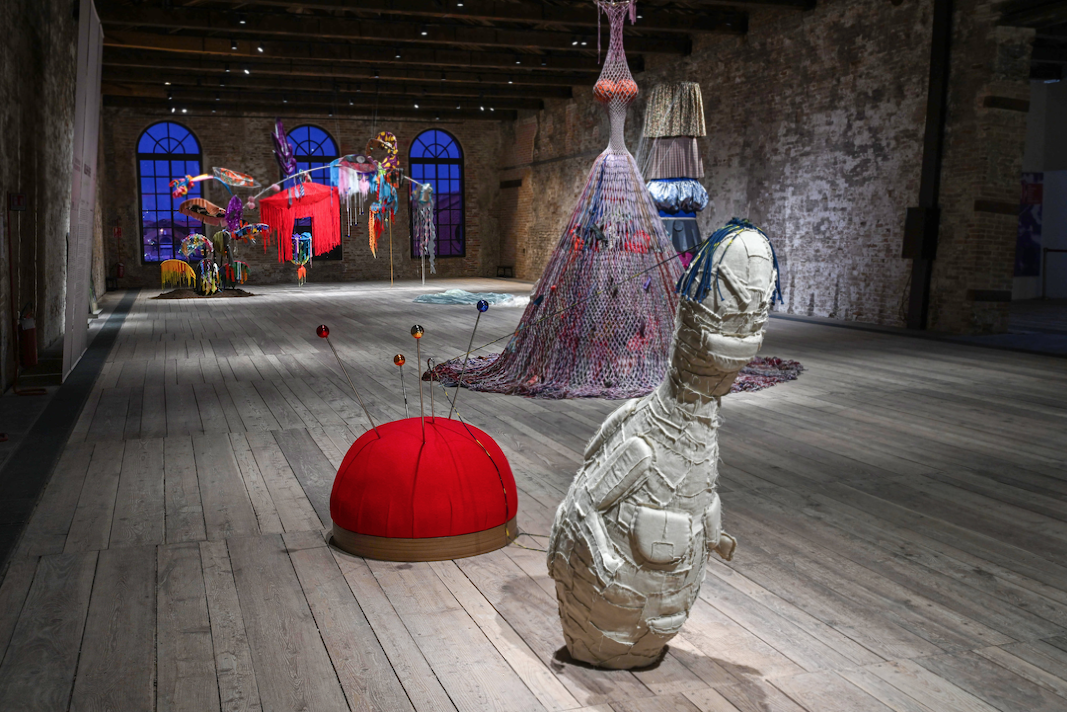
Turkey Pavilion.


You may be
interested
...